Back in 1988, then property mogul Donald Trump told a Guardian interviewer how the US should respond to Iranian aggression. “One bullet shot at one of our men or ships, and I’d do a number on Kharg Island.”
Situated northwest of the Strait of Hormuz, Kharg has long been seen as Tehran’s Achilles’ heel, and seizing it now could “let Trump beat Iran without sending a single soldier”, said The Telegraph.
What is Kharg?
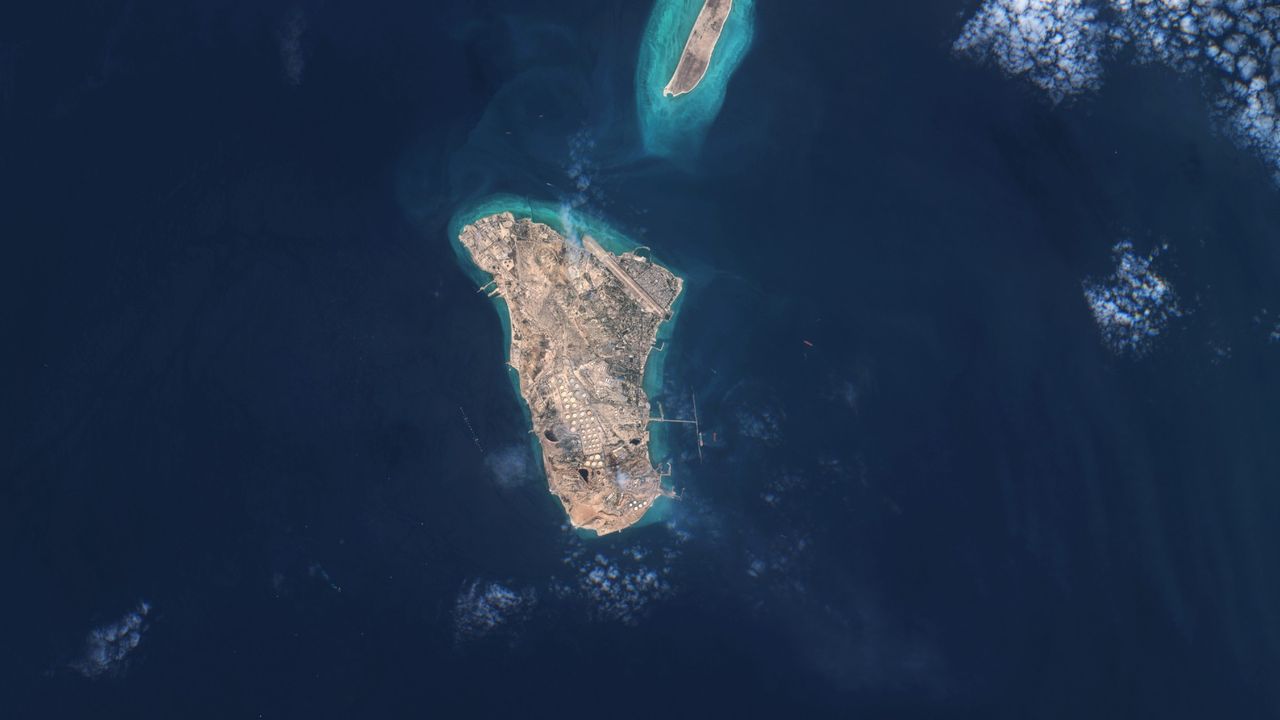
Roughly 15 nautical miles off the Iranian mainland, the small coral outcrop is just five miles long and three miles wide. But beyond its “imposing steel fences and military watchtowers” is the “beating heart of Iran’s modern energy empire”, said Al Jazeera. Kharg is linked to major oilfields by underwater pipelines, and processes around 90% of the nation’s total oil exports, handling approximately 950 million barrels a year.
What would capturing Kharg mean?
Seizing Kharg Island would “cut off Iran’s oil lifeline, which is crucial for the regime”, Petras Katinas, from the Royal United Services Institute, told The Telegraph. Oil exports make up nearly 40% of the Iranian government’s budget, so this would “give the US leverage during negotiations”, regardless of “which regime is in power after the military operation ends”. The move “would be reminiscent” of the US intervention in Venezuela, when it “effectively took control of the country’s oil sector”, oil analyst Tamas Varga told CNBC.
Why hasn’t Trump seized it?
Taking the island would involve making US and Israeli troops vulnerable to attacks by Iranian forces. In the longer term, it would damage any future regime’s chances of managing the economy, which Washington may be keen to avoid.
It’s “unlikely” that Trump would take over the territory, according to the Chatham House think tank’s Neil Quilliam. Previous US presidents have “steered away from Kharg, understanding its strategic importance to global oil markets”, Quilliam told The Independent.
But if Trump did control the island, said The Telegraph, he could “pressurise the existing regime into compliance”, or “all-out collapse”, forcing any new government to “toe Washington’s line” if it wanted to “regain sovereignty over oil exports”.
|