The Week The Week
flag of US
US
flag of UK
UK
https://cdn.mos.cms.futurecdn.net/flexiimages/jzblygzdxr1769609154.gif

SUBSCRIBE

Try 6 weeks free

Sign in
  • View Profile
  • Sign out
  • The Explainer
  • Talking Points
  • The Week Recommends
  • Podcasts
  • Newsletters
  • From the Magazine
  • The Week Junior
  • More
    • Politics
    • World News
    • Business
    • Health
    • Science
    • Food & Drink
    • Travel
    • Culture
    • History
    • Personal Finance
    • Puzzles
    • Photos
    • The Blend
    • All Categories
  • Newsletter sign up Newsletter
  • WeekDay AM: 10 Things you need to know this morning
    Oil prices soar, Mandelson revelations, and new pill for hot flushes

     
    TODAY’s INTERNATIONAL STORY

    Oil fears as Iran vows ‘not even a litre’ will enter strait

    What happened
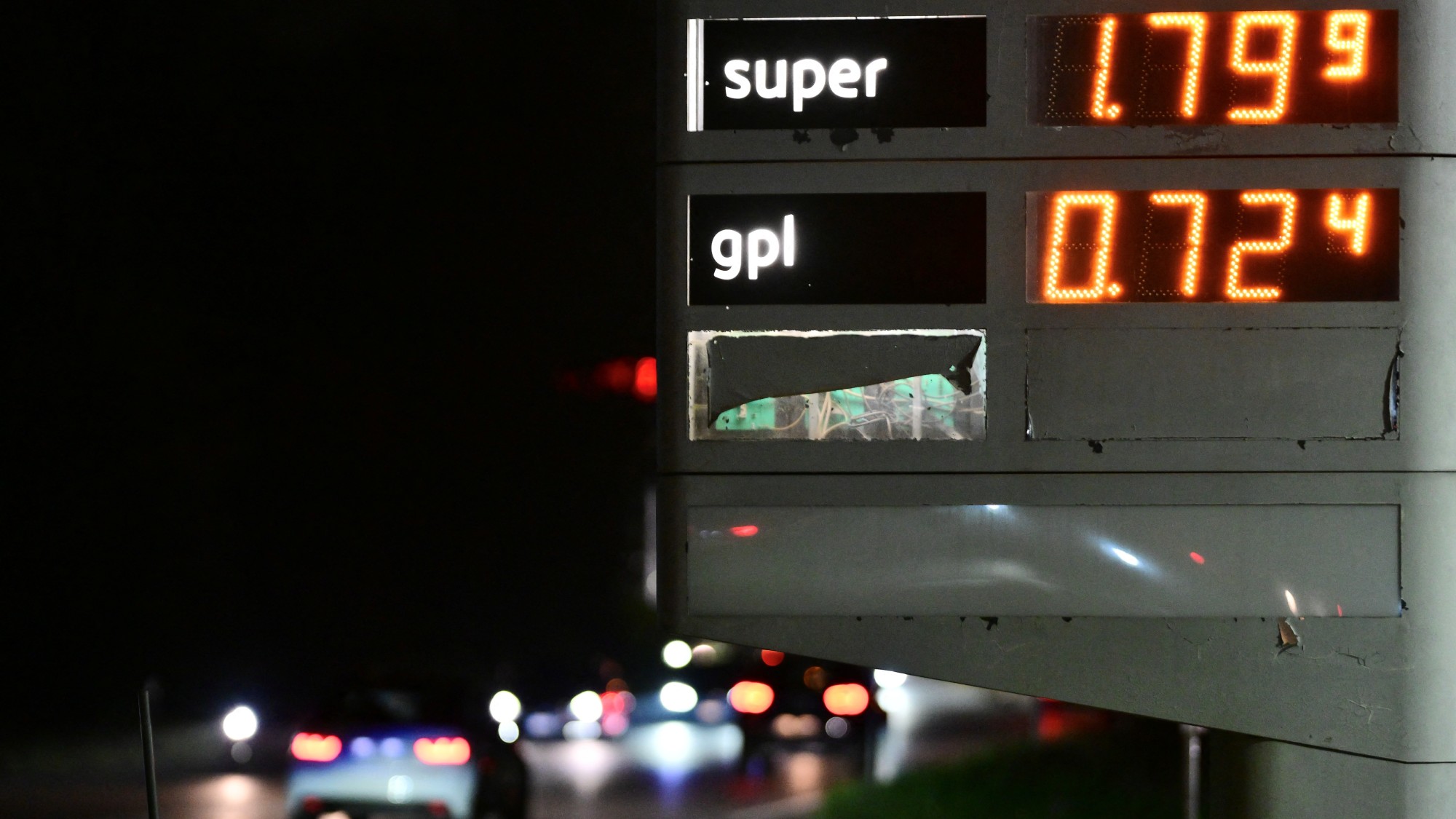
    Oil prices have surged back to $100 a barrel after explosions struck two foreign ships in the Persian Gulf overnight. Iraqi security officials said the attacks were carried out by explosive-laden boats launched from Iran, reports Reuters.

    Who said what
    Prices rose despite the International Energy Agency’s (IEA) decision to release 400 million barrels of oil from strategic reserves. Energy expert Maksim Sonin told Al Jazeera that the move was “not a silver bullet” and underlying geopolitical tensions would still need to be addressed.

    Iran’s Islamic Revolutionary Guard Corps said it would not allow “even one litre of oil” to pass through the Strait of Hormuz, warning that prices could climb as high as $200 a barrel. Addressing the US and Israel, a spokesperson said: “The price of oil depends on regional security, and you are the main source of insecurity in the region.”

    What next?
    The IEA’s release “may offer some relief in the short-term”, but it will probably have a “minimal effect” on prices if the strait remains effectively closed, market analysts told Al Jazeera.

    Nick Butler, a BP executive and former economic adviser to Gordon Brown, told The Guardian that he “would be very surprised” if the UK government hadn’t drawn up plans for “some degree of rationing”.


    today’s POLITICS story

    Mandelson files shed light on ‘rushed’ appointment 

    What happened
    Keir Starmer was warned that Peter Mandelson’s friendship with Jeffrey Epstein represented a “reputational risk” to the UK government before he appointed him as US ambassador, according to a tranche of newly released documents relating to the vetting process.

    MPs voted to force the government to release the files “after questions over how the peer was vetted and what was known about his links” to the paedophile financier, said The i Paper.

    Who said what
    The files also reveal that Starmer’s then political private secretary Nin Pandit pressed the Foreign Office to proceed with the appointment “‘at pace’ so that Mandelson could be in the post before Trump’s inauguration”, according to the newspaper.

    Another document “appears to show details of a fact-finding call” in which national security adviser Jonathan Powell described Mandelson’s vetting process as “unusual” and “rushed”, said Politico.

    Conservative leader Kemi Badenoch said the revelations were evidence of the prime minister’s “shocking” judgement.

    What next?
    Further documents will be released once they have been examined and redacted in line with legal and national security requirements. Mandelson denies any wrongdoing.


    Today’s HEALTH story

    NHS to offer 500,000 women an HRT alternative

    What happened
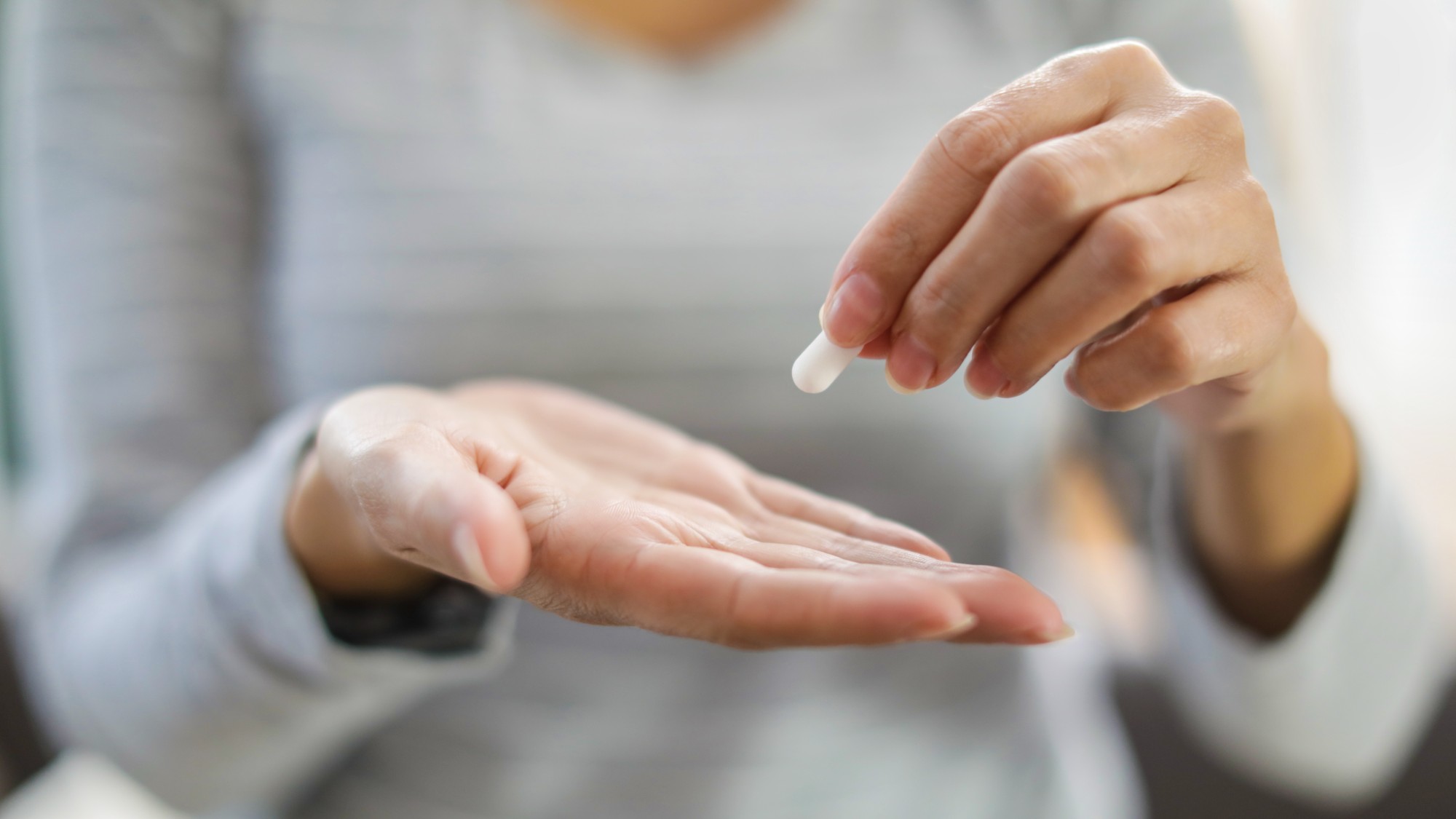
    Women who are not able to have hormone replacement therapy (HRT) will be offered a new drug to relieve hot flushes on the NHS. The National Institute for Health and Care Excellence authorised the use of fezolinetant, known by the brand name Veoza, on Wednesday.

    Who said what
    About 70% of women experience hot flushes during menopause, resulting in negative impacts on “quality of life, exercise, sleep and productivity”, but “for decades there have been few safe and effective treatment options”, said The Guardian. Veoza is an alternative to HRT, which is not recommended for some patients due to their clinical history.

    Dr Sue Mann, national clinical director of women’s health for NHS England, said hot flushes “can affect every part of a woman’s life” and that the decision to make Veoza available on the NHS was “very welcome news”.

    What next?
    HRT will remain the first-line treatment option for menopause symptoms, but an estimated 500,000 women with conditions including high blood pressure and a history of certain types of cancer will be eligible to receive Veoza.


    It’s not all bad

    Pop music tastes are becoming more linguistically diverse, according to new data from Spotify showing that the number of non-English songs making it into the platform’s Global Top 50 playlist has almost doubled in five years. The most streamed tracks of last year featured songs in 16 different languages, including Korean, Arabic, Indonesian and Portuguese. The most listened to artist of the year on Spotify was Spanish language superstar Bad Bunny.


    UNDER THE RADAR

    ‘Zero trimester’ influencers selling fertility as a choice

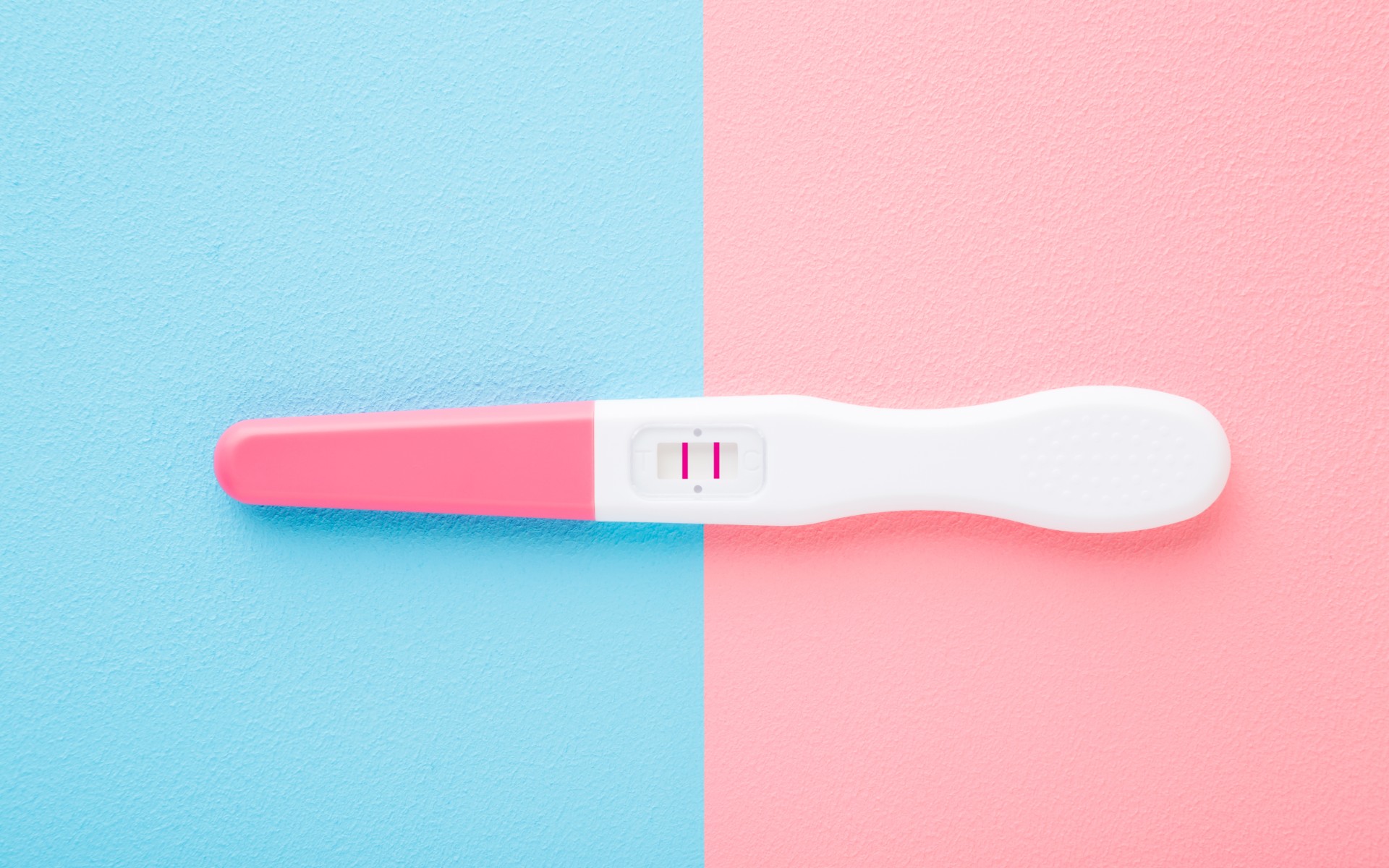
    Social media’s “obsession with wellness and optimisation” has come for the “murky preconception period” – defined by sociologist Miranda Waggoner as the “zero trimester” – according to Wired.

    A growing number of influencers, holistic health experts and even doctors are “posting content that speaks to the ‘trying to conceive’ demographic. Their message is simple, said Wired: “follow this wellness formula” and you will “set yourself up for the quickest conception, the easiest pregnancy and the healthiest child”.

    Their recommendations range from drinking raw milk and avoiding nail polish to filtering the air you breathe, said The Cut. Some influencers are sharing meditation journeys to “lower cortisol six months before trying to conceive”, while others are testing their micronutrient levels and “embarking on 60-day pregnancy prep detoxes”.

    Many people struggle to get pregnant, and some doctors agree that the standard medical advice to just wait and see is failing them. Yet claims “about the importance of trimester-zero strain credulity”, added The Cut. Listening to some of these influencers, it is “easy to come away thinking that if you struggle to get pregnant or have a difficult pregnancy, it’s your fault”.

    There are many things that prospective mothers can do to “optimise underlying health in the preconception year that will make outcomes in pregnancy better”, obstetrics and fertility specialist Dr Natalie Clark Stentz told Wired. But evidence-backed advice – “maintain a normal BMI, stop smoking, pick a boring prenatal vitamin” – is “not sexy”. Any “buzzy, individual thing is likely sensational”, she said: whether that’s “Brazil nuts, organ meats or whatnot”.


    on this day

    12 March 1968

    Mauritius gained independence from the UK, ending more than 150 years of British colonial rule. The Chagos Islands, north-east of Mauritius, were retained as a British possession, but are set to revert to Mauritian control this year in a deal that has faced intense criticism due to the archipelago’s military significance.


    Today’s newspapers

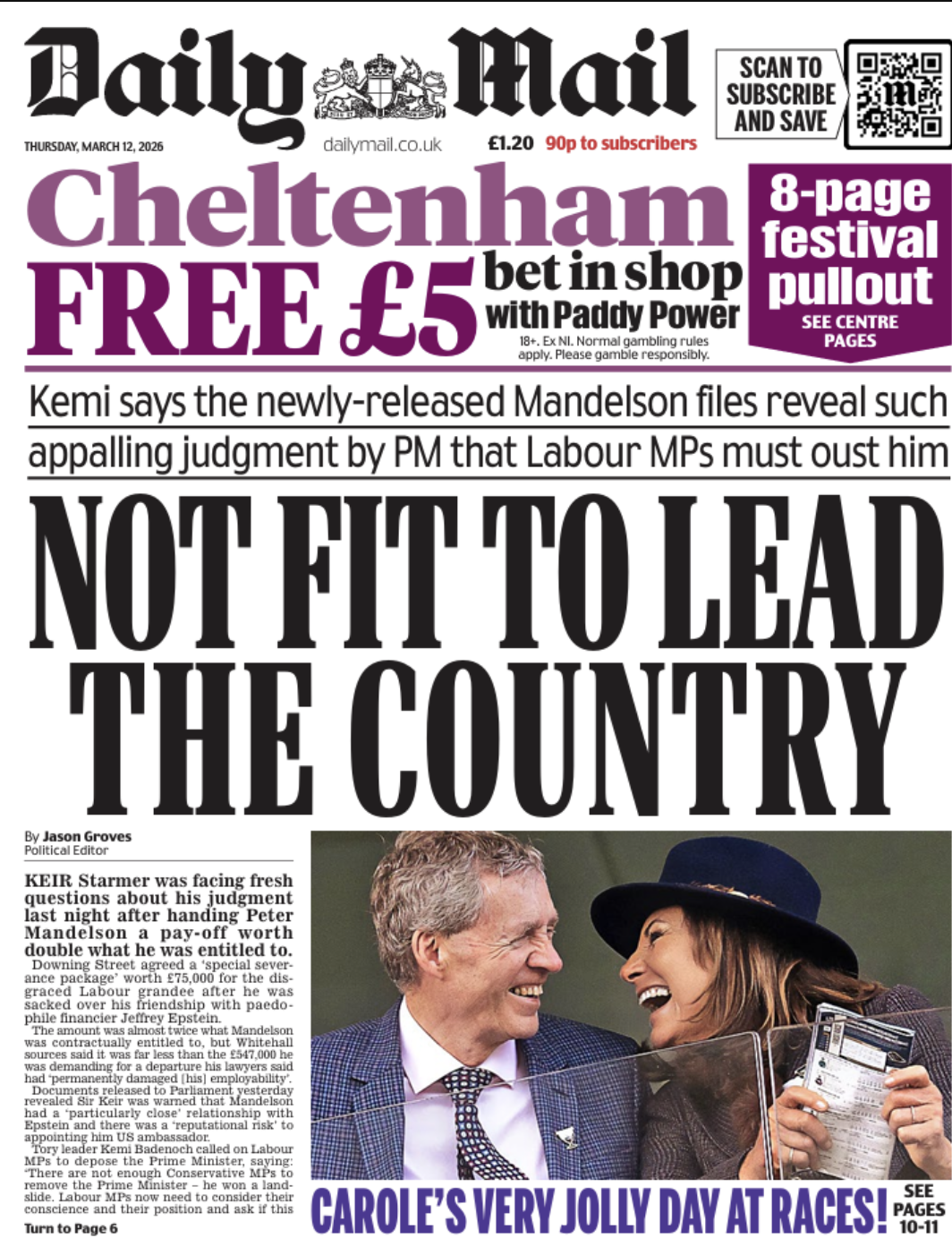
    ‘Not fit to lead’

    Keir Starmer is “not fit to lead the country”, says the Daily Mail, after the Mandelson files release revealed his “appalling judgement”. “Starmer ignored top aides” when he appointed Mandelson as Britain’s ambassador to the US, says The Telegraph. “Sacked in scandal but Mandelson wanted £500k to walk away”, says Metro. Iran is ramping up its “war of attrition”, says The Guardian. The world is scrambling to “calm oil markets” after ships were attacked in the Gulf, says The i Paper.

    See the newspaper front pages


    tall tale

    Won move

    South Korea’s tax agency has lost more than 7 billion won (£3.5 million) of confiscated cryptocurrency after accidentally sharing its “master key” online. The authority’s press release on the seizure included high-resolution photos that failed to blur out the confiscated wallet’s “recovery phrase”, which acts like a password to access the assets inside. The press release was swiftly taken down, but the wallet had already been emptied by an opportunistic thief.


    Morning Report was written and edited by Rebecca Messina, Ross Couzens, Chas Newkey-Burden and Theara Coleman.

    Image credits, from top: Stefano Rellandini / AFP / Getty Images; Justin Tallis / AFP / Getty Images; nimis69/ Getty Images; FotoDuets / Getty Images.

    Morning Report and Evening Review were named Newsletter of the Year at the Publisher Newsletter Awards 2025
     

    Recent editions

    • Evening Review

      Can the West keep the Strait of Hormuz open?

    • Morning Report

      US hits Iranian mine-laying boats

    • Evening Review

      The gamification of war

    VIEW ALL
    TheWeek
    • About Us
    • Contact Future's experts
    • Terms and Conditions
    • Privacy Policy
    • Cookie Policy
    • Advertise With Us
    • FAQ
    Add as a preferred source on Google Add as a preferred source on Google

    The Week UK is part of Future plc, an international media group and leading digital publisher. Visit our corporate site.

    © Future Publishing Limited Quay House, The Ambury, Bath BA1 1UA. All rights reserved. England and Wales company registration number 2008885.