The Week The Week
flag of US
US
flag of UK
UK
https://cdn.mos.cms.futurecdn.net/flexiimages/jzblygzdxr1769609154.gif

SUBSCRIBE

Try 6 weeks free

Sign in
  • View Profile
  • Sign out
  • The Explainer
  • Talking Points
  • The Week Recommends
  • Podcasts
  • Newsletters
  • From the Magazine
  • The Week Junior
  • More
    • Politics
    • World News
    • Business
    • Health
    • Science
    • Food & Drink
    • Travel
    • Culture
    • History
    • Personal Finance
    • Puzzles
    • Photos
    • The Blend
    • All Categories
  • Newsletter sign up Newsletter
  • The Week Evening Review
    The Afghan-Pakistan conflict, Iran’s missile threat and corgi cloning

     
    TODAY’S BIG QUESTION

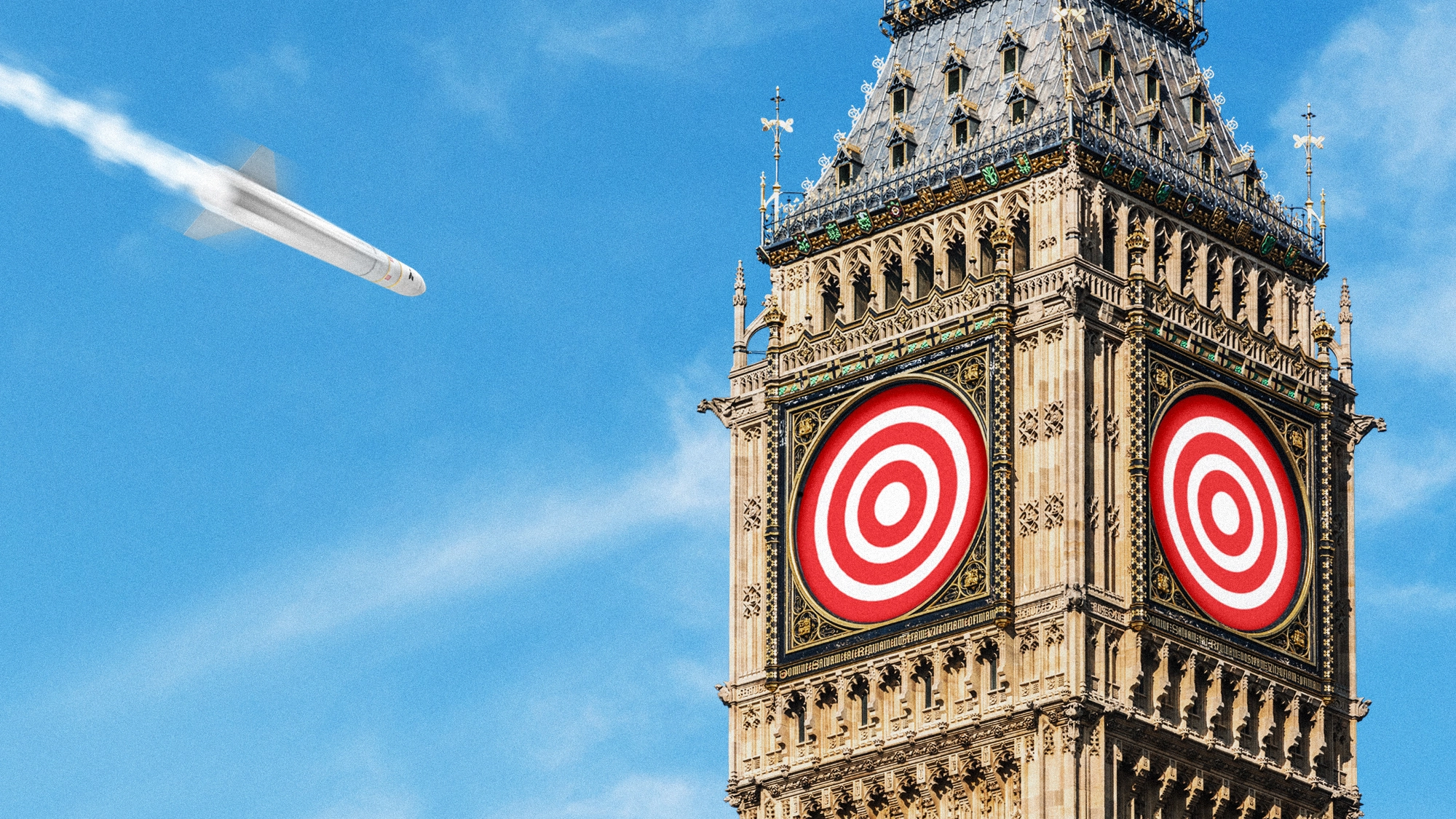
    Could Iran strike the UK?

    The targeting of Iranian missiles at the Diego Garcia UK-US military base on Friday has set alarm bells ringing in Europe. Diego Garcia is more than 2,500 miles from Iran, and if a missile from Tehran can reach there, it could also reach Paris, Berlin or even London.

    One of the missiles “fell short of its target” and the other was shot down, said Defence Secretary John Healey. But “the launch, however unsuccessful”, has “fuelled fears” about the range of Iran’s ballistic missile programme, said the BBC’s defence correspondent Jonathan Beale.

    What did the commentators say?
    Israel had warned that Iran was developing weapons capable of travelling 2,500 miles, “which pose a danger to dozens of countries in Europe, Asia and Africa,” the Israel Defence Forces said on social media. “We have been saying it: the Iranian terrorist regime poses a global threat.”  

    It’s “conceivable” that an Iranian rocket “could reach London”, Sidharth Kaushal, of the Royal United Services Institute think tank, told the BBC’s Beale. But “so what?” We’re talking about “a small number” of conventional missiles and they are “quite inaccurate at very long ranges”. The risk to London is “pretty low”, research analyst Decker Eveleth of the CNA Corporation said to Beale. A missile could travel the distance, but it wouldn’t be “particularly aim-able”. It would also be spotted quickly. Using a network of satellites and powerful radars, the US Space Force can track the trajectory of “any missile fired across the globe”.

    The UK government is “not aware of any assessment at all” that Iran is “even trying to target Europe, let alone that they could if they tried”, said Communities Secretary Steve Reed on the BBC’s “Sunday with Laura Kuenssberg”. And “even if they did, we have the necessary military capability” to defend ourselves. “The UK is not going to be dragged into this war.”

    What next?
    Iran would be unlikely to single out the UK for a missile attack, according to the European Centre for Counterterrorism and Intelligence Studies. More likely would be “precision strikes on Nato logistics hubs, and economic disruption” through attacks on liquefied natural gas terminals in Italy, Greece and Romania.

    “Nato does have what it takes to defend alliance territory, to defend our one billion inhabitants,” said Colonel Martin O’Donnell, spokesperson for Supreme Headquarters Allied Powers Europe. Europeans “should rest easy at night”.


    THE EXPLAINER

    Pakistan and Afghanistan: the next all-out war?

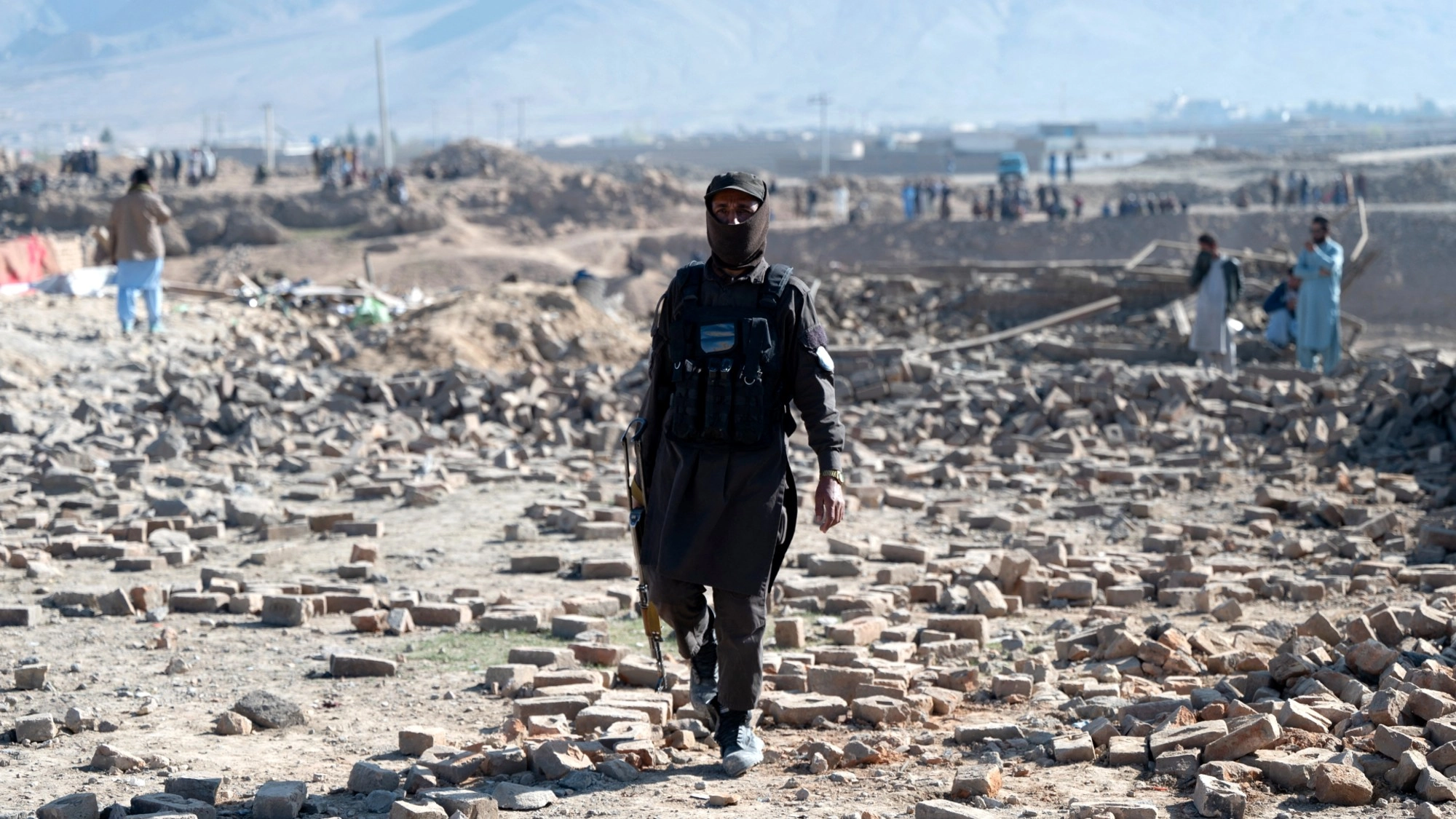
    While the world is distracted by the US-Israeli strikes on Iran, another conflict is raging in the region, after Pakistan declared “open war” on Afghanistan.

    In a dangerous escalation from cross-border skirmishes, Pakistan launched air strikes at the end of February, targeting major cities including Kabul. Afghanistan’s Taliban regime responded with drone attacks. Both sides blame the other for the conflict. More than 1,000 people are estimated to have been killed or injured, and 100,000 displaced. With a temporary ceasefire to mark the Muslim holiday of Eid al-Fitr set to expire, there are no signs of a desire for de-escalation.

    What’s the background? 
    This is “not a sudden rupture of relations”, said international relations expert Rabia Akhtar on The Conversation. It’s the “intensification of long-simmering, historical security concerns” along the two countries’ disputed 1,600-mile border, the Durand Line. Afghanistan has never formally recognised the border, drawn in 1893 through ethnic Pashtun areas. That’s caused “sustained and persistent tension” since Pakistan’s independence in 1947. The countries also took opposite sides in the Cold War, with Pakistan “embedded” in the US-led framework and Afghanistan maintaining “closer ties” with the Soviet Union (until it invaded). All of this “entrenched cross-border militant networks”.

    When the US withdrew from Afghanistan and the Taliban took over in 2021, terrorist attacks within Pakistan increased, particularly by the Tereek-e-Taliban Pakistan (TTP or Pakistan Taliban).

    What triggered this latest outbreak?
    Pakistani authorities have accused the TTP of killing 4,000 people in the last four years and claim that the Taliban has allowed them to operate from sanctuaries within Afghanistan. Pakistan launched air strikes against alleged TTP hideouts in Afghanistan last year and accused its historic foe, India, of supporting the Taliban, allegedly with Indian-made drones used in recent attacks. India then effectively normalised relations with the Taliban.

    Both India and the Taliban “vehemently deny” Pakistan’s accusations, said the BBC. They say the TTP is “an internal matter” for Islamabad, a “Pakistan-created problem”, but that has “done little but to further infuriate” Pakistani leaders.

    Pakistan has been “taking advantage of the West’s disengagement” and regional powers’ distraction, said the Financial Times. It is “enraged”. But all-out war “threatens stability” across Asia. The stakes are “too high for the world to keep looking away”.


    QUOTE OF THE DAY

    “Clearly there remains bitterness for a lost opportunity to modernise Italy.”

    Giorgia Meloni reflects after Italian voters rejected her government’s plan to overhaul the judiciary, by 54% to 46%. In an Instagram video, the prime minister said the referendum result “does not change our commitment” to “work for the good of the nation”.


    Poll watch

    More than a third (41%) of headteachers believe some schools are “actively discouraging” applications from pupils with special educational needs and disabilities (Send). According to a new report from the Sutton Trust, which polled 2,200 school leaders, England’s top 500 secondary schools take half as many Send pupils as an average comprehensive.


    IN THE SPOTLIGHT

    Sarah Ferguson and the dog-cloning craze

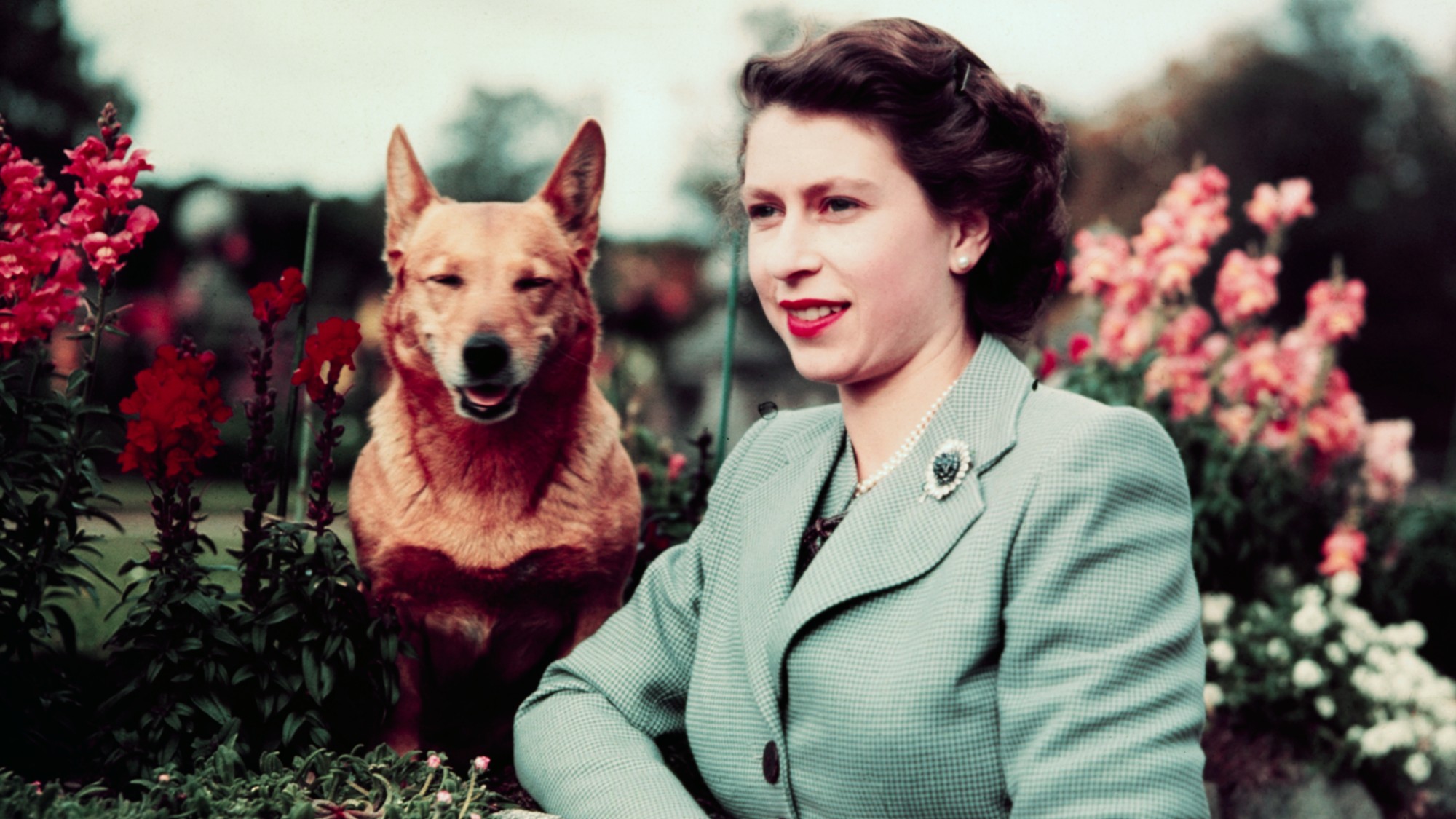
    A “cash-strapped” Sarah Ferguson “met executives from Halcyon Studios in Los Angeles for a series of lunches and dinners” in May 2023, eight months after the Queen’s death, according to The Mail on Sunday. The topic under discussion was a reality TV show. And the show synopsis set out how, after the former Duchess of York “is bequeathed two of the Queen’s beloved corgis, she decides to embark on a bold and controversial business venture – cloning the royal pups”.

    Not an exact match
    While the alleged show has never emerged, science has “come a long way” since Dolly the sheep was cloned three decades ago, said National Geographic. Pet cloning is “becoming more commonplace” as “thousands of grieving pet owners” turn to the procedure in an attempt to “bring back their lost loves”. But although a clone “will likely resemble the original pet more than a random member of the same species”, their personalities “probably won’t be an exact match”.

    Cloning “involves extracting viable eggs from the fallopian tubes” of the female animal, then injecting a surrogate with hormones and implanting the egg, said James Serpell, from the University of Pennsylvania. But it is not cheap – the average cost is around $50,000 (£37,000) – nor easy. A 2022 study showed a maximum success rate of just 16%, with many of the embryos failing to implant successfully.

    ‘Essence of the hereditary principle’
    A spokesperson for Ferguson said she “withdrew” from discussions with Halcyon Studios “of her own accord”. But to even “consider cloning the late Queen’s beloved dogs for financial gain is unbelievably grotesque”, royal author Richard Fitzwilliams told The Mail on Sunday.

    On “a slightly more philosophical plane”, said Sam Leith in The Spectator, isn’t genetics “the very essence of the hereditary principle”? If she had gone ahead with the proposal, perhaps Ferguson – “in her whimsical but clumsy way” – would “have been putting her manicured finger on the heart of something both important and a little absurd about our monarchy”. It is generally accepted “as a matter of course that the descent of the crown through the generations is accompanied by a slight but perceptible deterioration of the genetic stock”.


    Good day ✈️

    … for long-limbed flyers, who are set to get two inches of extra legroom on easyJet flights. The budget airline has announced plans to install next-generation slimline seats made of carbon fibre instead of plastic on hundreds of its new aircraft from 2028.


    Bad day ✉️

    … for sending letters, after Royal Mail workers told the BBC they were being asked to hide post from senior bosses or “take the mail for a ride” so it looks like delivery targets are being met. Royal Mail bosses are due to answer questions from MPs today about ongoing postal delays.


    PICTURE OF THE DAY

    Look of the season

    A dog in a pet stroller enjoys the views beside Washington DC’s Tidal Basin during the city’s National Cherry Blossom Festival. The flowering trees are in the “puffy white” stage that precedes full bloom, expected within the next week.

    Heather Diehl / Getty Images


    Puzzles

    Guess the number

    Try The Week’s daily number challenge in our puzzles and quizzes section

    Play here


    THE WEEK RECOMMENDS

    Ski resorts worth a summer visit

    Alpine resorts are an obvious choice for winter holidays, but they have a surprising amount to offer off-season too: balmy (but not too hot) temperatures, crystal-clear lakes and miles of sun-dappled hiking trails to explore. These are some of our favourite spots.

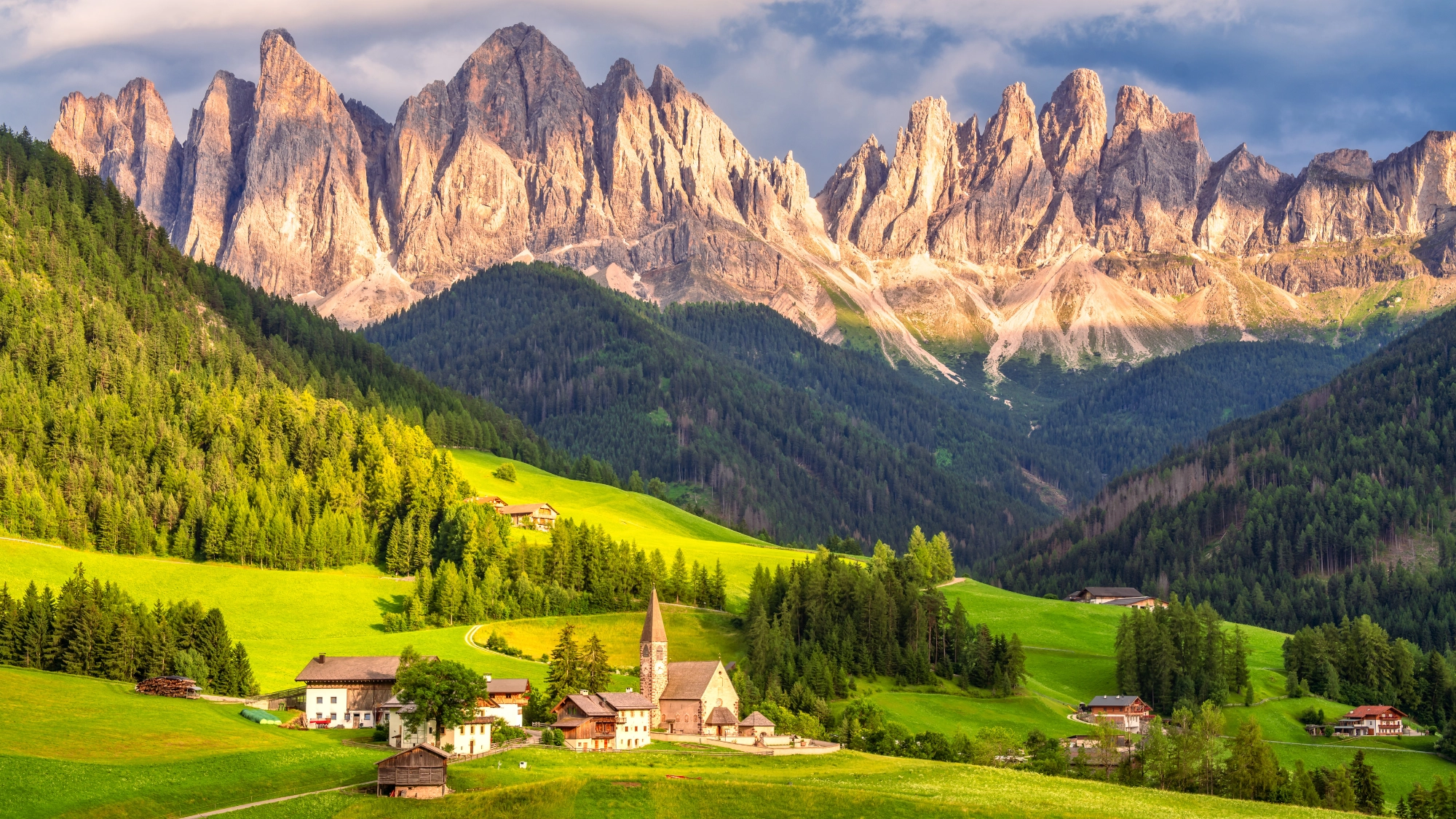
    San Candido, Italy
    With “pretty sawtooth peaks” and a range of luxury hotels, “it’s little wonder the Dolomites in northeast Italy are having a moment,” said Mike MacEacheran in The Times. San Candido’s Leitlhof hotel – “a daydream of wood, soft textiles and natural light” – is a great base for exploring. The pared-back “eco vibe” helps keep distractions to a minimum. “Be clear with yourself on this: regardless of your fitness (or how much ham you’ve snaffled), you’ll have to hike to the dragon’s-back-shaped Tre Cime di Lavaredo.”

    Chamonix, France
    Chamonix is a “mesmeric place”, said MacEacheran. “Mont Blanc’s glaciers flow down over wild cliffs”, while paragliders “twirl” in the sky. There are lots of places for “hairy-chested climbers” to stay, but few could beat the “chic” La Folie Douce. The lively hotel is famed for its “uninhibited après-ski that marries cabaret with clubbing” – and the same kind of “high Alpine hedonism” exists in summer.

    Garmisch-Partenkirchen, Germany
    This scenic Bavarian town hosted the 1936 Winter Olympics and is famed for its thrilling winter sports, said Vogue. Come summer there are “endless ways to immerse in nature here”, including hiking, biking and paragliding. “A dip in nearby crystal-clear Lake Eibsee, arguably one of the most beautiful in the country, is also not to be missed.”

    Alpbach, Austria
    Summer in Alpbach transforms the pistes into “blankets of pink blossoming mountain azaleas”, said Gabriella Le Breton in The Telegraph. This is the place to go for a family-friendly trip; it’s easy to keep kids entertained, with trips to the mountain-top Lauserland adventure playground, Juppi’s enchanted forest and petting zoo. There’s also a wide variety of activities on offer from “herb foraging” to “visits to local beekeepers”.


    Statistic of the day

    £21: The price at which vet prescription fees are to be capped, under reforms being rolled out by the UK’s competition watchdog. Veterinarian practices will also have to publish price lists to increase transparency, after a two-and-a-half-year investigation by the Competition and Markets Authority found that pet owners had been “left in the dark” over soaring bills.


    instant opinion

    Today’s best commentary

    Israel’s displacement of civilians in Lebanon is a possible war crime
    Nadia Hardman on Al Jazeera
    Israeli airstrikes in Lebanon “have caused more than a million people to flee their homes”, writes Nadia Hardman of Human Rights Watch. Israel is employing the same “strategies of displacement” used in Gaza. And without “accountability” for these “violations of international humanitarian law”, the “Israel authorities and their military will remain emboldened to pursue a strategy of forced displacement and permanent denial of return across the region. The international community can and should do better.”

    How men screwed the birth rate
    Poppy Sowerby on UnHerd
    Blaming us Gen Z women for “tanking birth rates” is “looking shabbier by the day”, writes Poppy Sowerby. We’re portrayed “as cat ladies-in-waiting”, but research shows 92% of us want children. Whether we’ll have them “is a different matter entirely”, because Zoomer men are not “up to snuff”. These “directionless dolts clog up dating apps, offering non-committal porn-infected sex”. Who’d want to breed with them? So stop yelling at “Zoomettes” and “lick the leagues of would-be fathers into shape”.

    The internet is cruel, Barry Keoghan – but your son won’t be
    Giles Coren in The Times
    Actor Barry Keoghan gets online abuse and suffers “real distress” at the thought of his young son seeing it, writes Giles Coren, but “I want to tell him not to worry”. I had “indescribable anxiety” about my daughter seeing “terrible stuff written about me”. But “believe me, Barry”, when they do, they just “give you a cuddle and tell you how ridiculous it is”. And then they “rip the piss out of you mercilessly.”


    word of the day

    Pink

    The colour of Scotland’s World Cup away kit – or so some say. The unveiling of the men’s team’s shirts for this summer’s tournament has kicked off an online debate among football fans, whose descriptions of the eye-catching hue range from “Irn-Bru” orange to “salmon-pink”. According to the Scottish Football Association, the new kit is “scarlet red”.


    Evening Review was written and edited by Irenie Forshaw, Hollie Clemence, Harriet Marsden, Chas Newkey-Burden, Elliott Goat, David Edwards, Helen Brown and Kari Wilkin, with illustrations from Stephen Kelly.

    Image credits, from top: illustration by Stephen Kelly / Shutterstock / Getty; Wakil Kohsar / AFP / Getty Images; Bettmann / Getty; Heather Diehl / Getty Images; Achim Thomae / Getty 
    Morning Report and Evening Review were named Newsletter of the Year at the Publisher Newsletter Awards 2025
     

    Recent editions

    • Morning Report

      Iran calls Trump’s truce claims ‘fake news’

    • Evening Review

      The stain of antisemitism on British society

    • Morning Report

      Iran vows to send oil prices soaring

    VIEW ALL
    TheWeek
    • About Us
    • Contact Future's experts
    • Terms and Conditions
    • Privacy Policy
    • Cookie Policy
    • Advertise With Us
    • FAQ
    Add as a preferred source on Google Add as a preferred source on Google

    The Week UK is part of Future plc, an international media group and leading digital publisher. Visit our corporate site.

    © Future Publishing Limited Quay House, The Ambury, Bath BA1 1UA. All rights reserved. England and Wales company registration number 2008885.