Funerals may be postponed, new dress codes are being imposed at work and people are taking the stairs rather than escalators as the war in Iran has curious effects in Asia.
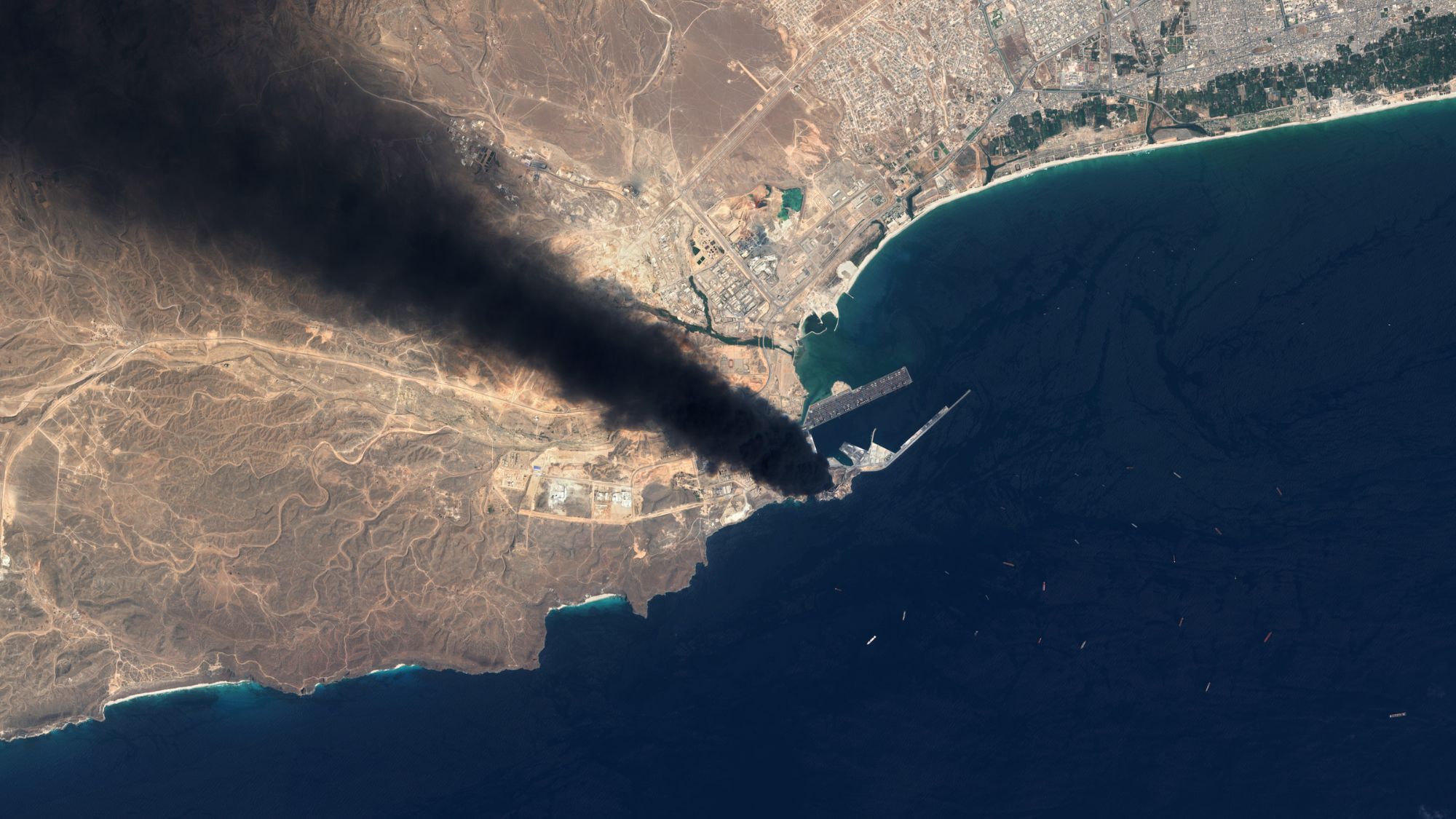
Countries across the region are facing “crippling shortages” of oil and gas, said The Guardian, because most supplies have been “held up in the Gulf” since the US and Israel began bombing Iran.
Sri Lanka is introducing a four-day working week to “preserve its shrinking fuel and gas reserves”, said the broadsheet. Last week the Thai government ordered civil servants to take the stairs rather than the lift and has increased the office air-conditioning temperature to 27C, telling employees to wear short-sleeved shirts rather than suits. Meanwhile, Vietnam has asked companies to allow people to work from home to “reduce the need for travel and transportation”.
As well as changing how people work, the war could also alter how they mourn because it is “threatening sacred funeral ceremonies” in Thailand, with Buddhist temples “scrambling to obtain diesel for cremations”, said Bloomberg.
In Bangladesh, the final Ramadan holidays began early for students, “but for all the wrong reasons”, said The New York Times. Lectures at the country’s main universities have been cancelled for the time being after the government closed campuses in order to save electricity.
The Bangladesh government has also begun to impose temporary blackouts and other measures to conserve power because “if the gas runs out, so does the electricity that turns on the lights and powers the factories that are crucial to its export-oriented economy”. |