Classical actress who won an Olivier and a Tony
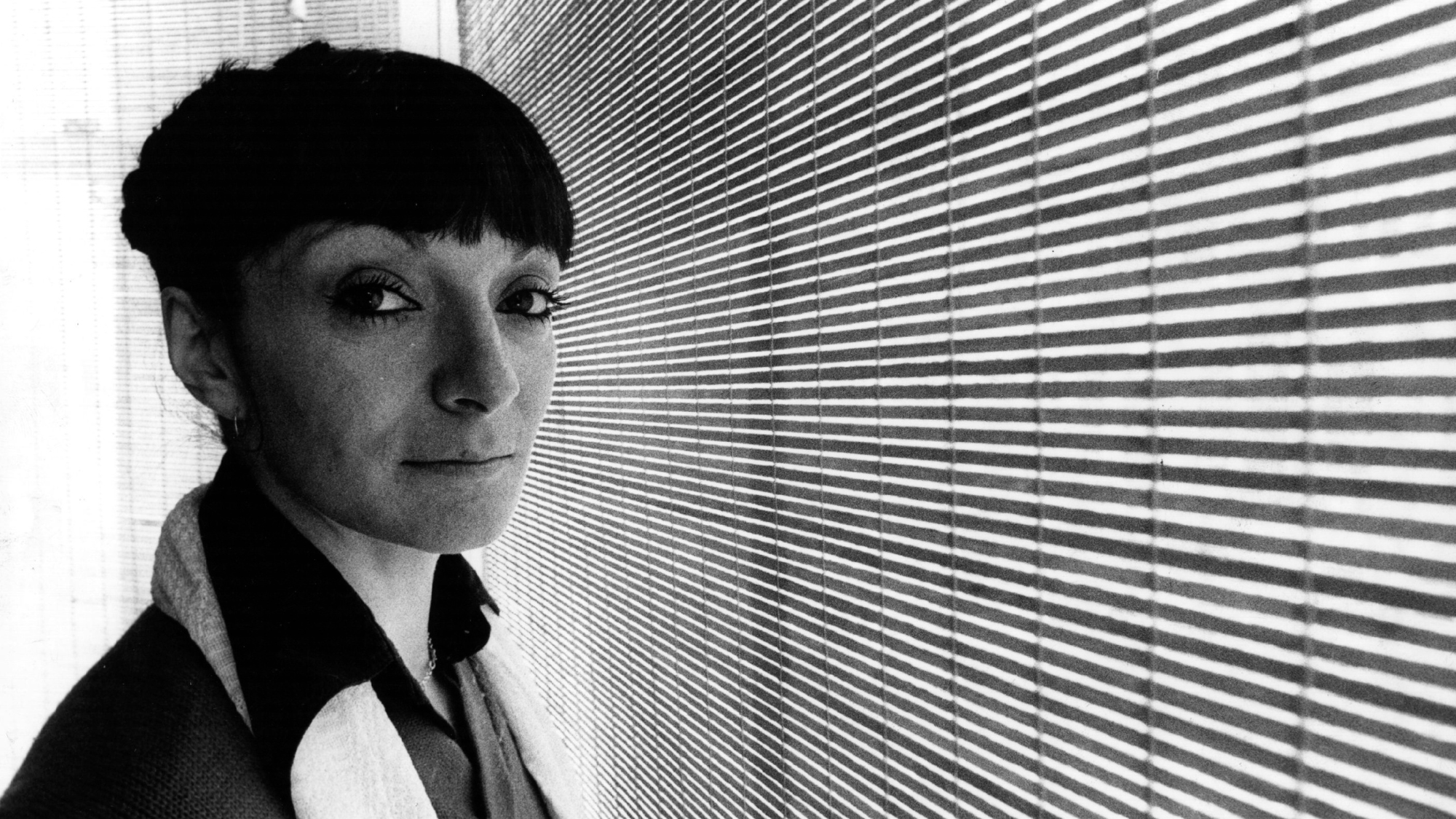
Jane Lapotaire, who has died aged 81, will be forever remembered for her title role in Pam Gems’ 1978 play “Piaf”, said Michael Billington in The Guardian. Although she had never sung a note on stage before, her renditions of Édith Piaf’s repertoire dazzled audiences, as did the way she seemed to embody the chanteuse. But this was no mere act of mimicry. With her wide smile, she captured Piaf’s troubled spirit, her “emotional generosity and invincible good nature”. Having opened at Stratford, the play transferred to the West End then ran for two years on Broadway. Lapotaire won an Olivier and a Tony. But her success in this role masked the fact that she was that rare thing: “a genuinely classical actor, most at home in Shakespeare, Sophocles, Ibsen or Chekhov”.
Jane Burgess was born in Ipswich in 1944. Her mother, a half-French orphan, was only 19 when she had her. Her father may have been an American GI. Unable to cope with a baby, her mother handed Jane into the care of her own foster mother, Grace Chisnall. Jane described Chisnall as a “kind”, uneducated woman, with whiskers and false teeth, who – if she saw Jane reading a book – would ask if she was ill. When she won a place at the local grammar school, Chisnall was appalled: she hadn’t the money for the uniform or hockey stick. Nevertheless, when her birth mother tried to regain custody of her, Jane fought to stay in Ipswich. Eventually, it was decided that she’d live in Chisnall’s modest home in term-time, and spend holidays with her mother and her husband – a wealthy French industrialist – in their grand house with servants in Libya.
Aged 17, she appeared in a school production of “Romeo and Juliet”. “I knew then that I wanted to act,” she recalled. “I wanted it more than walking or breathing.” From school, she failed to get into Rada but won a place at the Bristol Old Vic Theatre School. Her mother was against it; her stepfather (whose surname she adopted) told her she wasn’t “attractive enough” to be an actress. She had never got over being abandoned by her mother, and their disdain galvanised her. “Like all children who were rejected by their parents, you either say, ‘OK, I’m a reject, I’ll f**king be a drug addict,’ or you go, ‘I’ll show you.’ I remember clearly walking down the street on my first night on Broadway. I was 34 and I realised that for the whole of my working life up to that moment I’d been saying, ‘I’ll show you I’m worth loving, I’ll show you I can make something of my life, I’ll show you you were wrong when you said you never thought I’d become an actress.’”
She made her professional debut in Bristol in 1965 and, after a happy and fruitful stint at Laurence Olivier’s National Theatre, she joined the RSC, where, among other roles, she played Viola in “Twelfth Night” and Rosalind in “As You Like It”. After her run on Broadway, she tried to break Hollywood, to no avail. “At 40, I was suddenly very aware of not being ‘glamorous’ in the accepted sense,” she said. In 2000, she suffered a massive brain haemorrhage. After intensive treatment, she “re-entered the world terrified and alone”, said The Guardian, with her personality changed. She had become, she said, “like a combination of a helpless child and an obnoxious adult”. She wept at the thought that she might not act again. She used the time to write a memoir, and was eventually able to return to the RSC in 2013, in “Richard II”. Later, she appeared in “Downton Abbey” and “The Crown”. She is survived by her son Rowan Joffé, whom she brought up alone following her divorce from his father, the film director Roland Joffé, in 1980.