The Week The Week
flag of US
US
flag of UK
UK
https://cdn.mos.cms.futurecdn.net/flexiimages/jzblygzdxr1769609154.gif

SUBSCRIBE

Try 6 weeks free

Sign in
  • View Profile
  • Sign out
  • The Explainer
  • Talking Points
  • The Week Recommends
  • Podcasts
  • Newsletters
  • From the Magazine
  • The Week Junior
  • More
    • Politics
    • World News
    • Business
    • Health
    • Science
    • Food & Drink
    • Travel
    • Culture
    • History
    • Personal Finance
    • Puzzles
    • Photos
    • The Blend
    • All Categories
  • Newsletter sign up Newsletter
  • WeekDay AM: 10 Things you need to know this morning
    Trump’s ‘fake news’, fuel messaging, and how an island became ferret free

     
    today’s international story

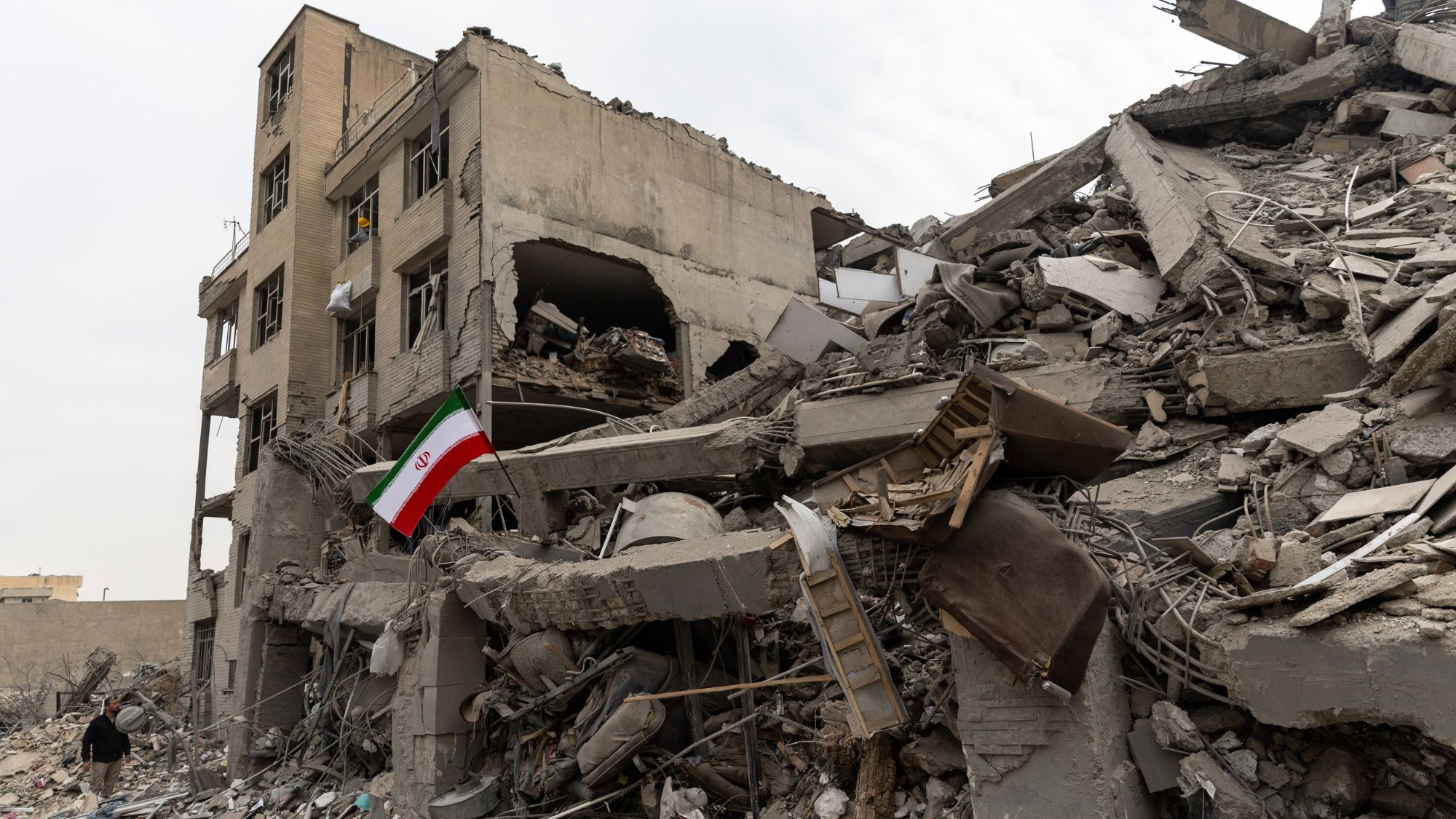
    Iran calls Trump’s truce claims ‘fake news’

    What happened
    Contradictory statements from leaders in the US, Iran and Israel yesterday have created an unclear picture of whether negotiations are actually taking place, and how close the region might be to any resolution of the conflict. Donald Trump said there had been “very strong talks” towards resolving the war that had produced “many, like 15 points” of agreement. However, officials in Iran rejected the assertion that any dialogue had taken place.

    Who said what
    Trump dismissed Tehran’s denial, saying: “Well, they’re going to have to get themselves better public relations people. We’ve had very strong talks.” Iran’s parliamentary speaker Mohammad Bagher Ghalibaf contradicted this, saying: “No negotiations have been held with the US, and fake news is used to manipulate the financial and oil markets.”

    The US president’s statement about talks with Iran “immediately reduced energy prices somewhat”, said David E. Sanger in The New York Times, but it’s “unclear how long that could last without tangible progress towards ending the war”.

    What next?
    Trump will “struggle to pull off this deal”, said former Conservative leader William Hague in an opinion piece for The Times. The US president is “belatedly looking for a way out of his war, but it’s far from clear if he can find one swiftly or successfully”. Meanwhile, The Israel Defense Forces said they had launched fresh strikes on Tehran last night and would continue their operations “until instructed otherwise”.


    today’s energy story

    Ministers told not to say ‘stop panic buying’

    What happened
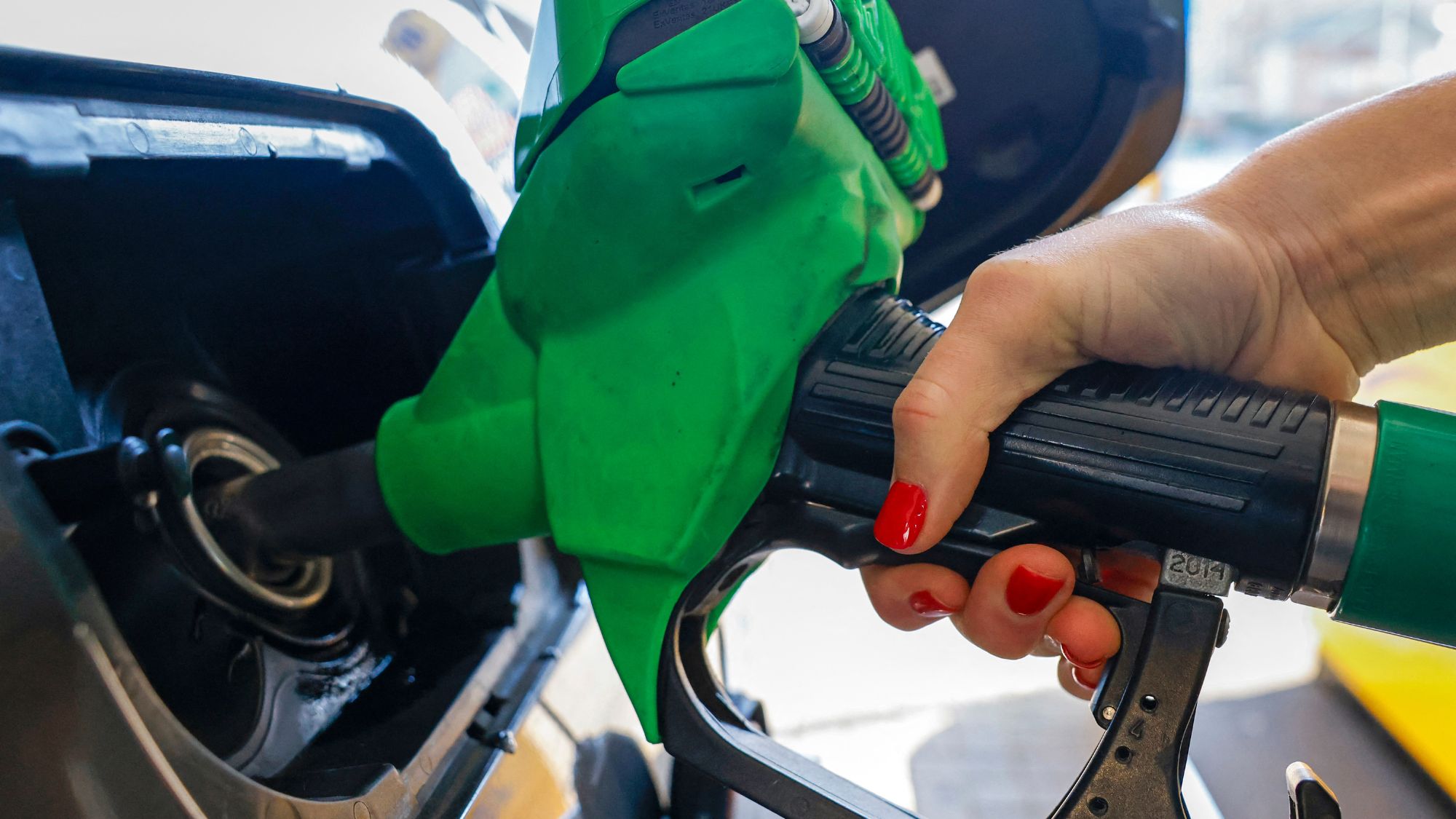
    UK ministers have been advised against telling the public to “stop panic buying” amid rising concerns over fuel availability and prices. Guidance prepared by the Government Communication Service warns that such language can worsen shortages by signalling scarcity. Behind the scenes, officials are reportedly considering contingency measures – including potential rationing – as oil markets remain volatile due to the conflict involving Iran.

    Who said what
    The behavioural guidance stresses that attempts to “calm” the public may backfire, noting that people often respond logically to perceived shortages. Communities Secretary Steve Reed sought to reassure motorists, saying: “There’s no need to ration fuel. People should go around and buy their fuel just like they always would.”

    Ministers have “learnt from the 2021 fuel crisis, which was caused by the leak of notes from an industry task force meeting at which BP fuel stocks were discussed”, said Ben Clatworthy in The Times.

    What next?
    Officials are refining their crisis messaging and reportedly considering deploying independent voices, such as motoring organisations, to help maintain public confidence.


    Today’s environment story

    ‘Superdog’ helps island become ferret free

    What happened
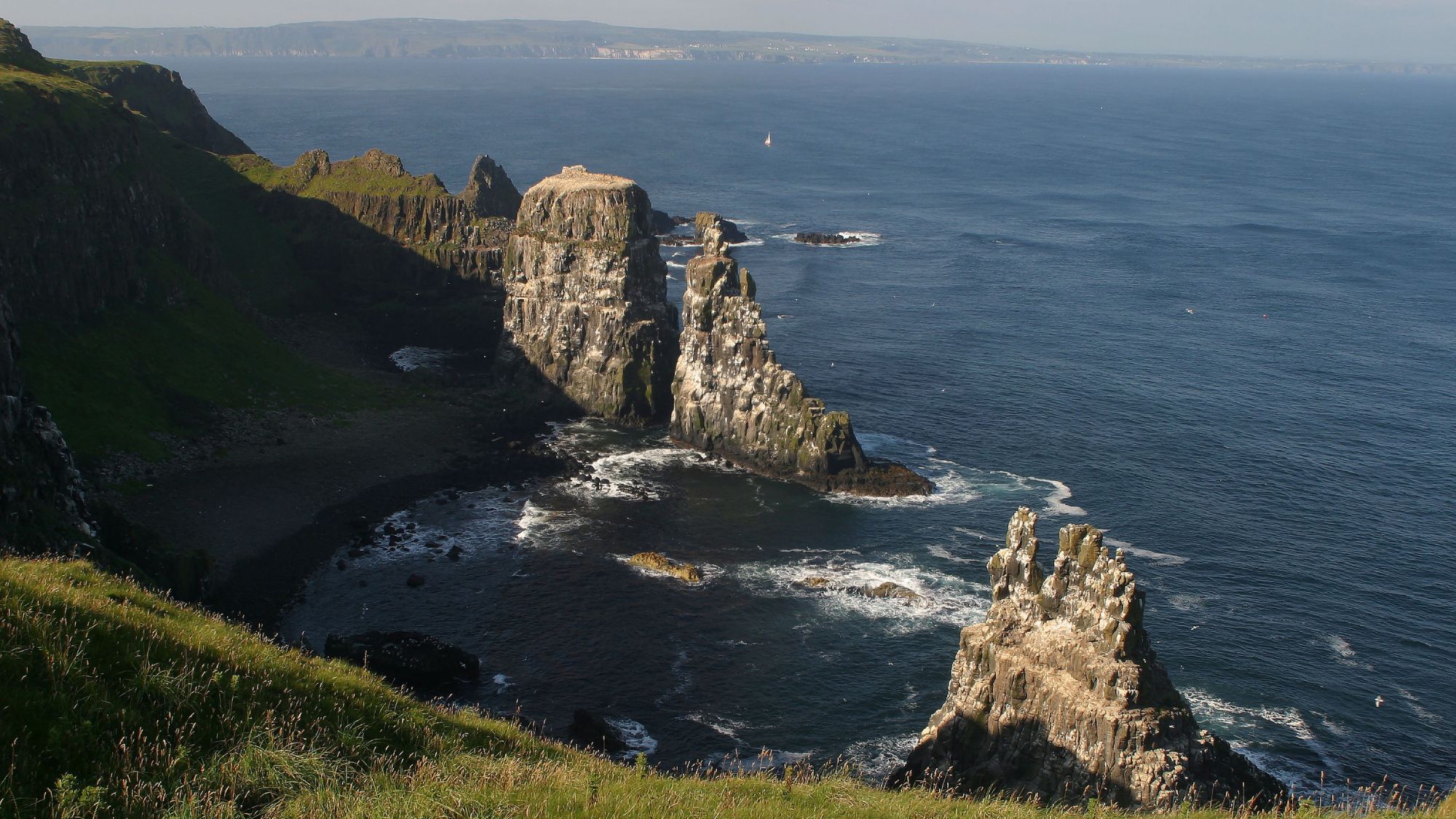
    An island in Northern Ireland has been declared ferret free following a five-year, £4.5 million project. More than 400 traps and 110 cameras were laid across Rathlin Island to protect the island’s 250,000-strong seabird population, the largest in the country. The Life Raft (Rathlin Acting for Tomorrow) project officially started in 2021 and has involved 30 staff and 60 volunteers.

    Who said what
    Integral to the project was one-eyed “superdog” Woody, who used his “super-smelling powers” to ensure that there were no remaining ferrets, said the BBC. The “biosecurity” dog will continue to check imports of hay, farm feed and bags of wood, which can harbour rodents.

    Joanne Sherwood, the director of RSPB Northern Ireland, said the declaration was an “extraordinary moment” for Rathlin Island and “for conservation globally”. The “successful, world-first eradication” of ferrets means that local seabirds can breed safely “for the first time in generations”. “We expect to see populations rebound in the coming years,” added Sherwood.

    What next?
    With no rats, which have also been targeted by the scheme, seen on the Rathlin Island since June last year, “hopes are high for a declaration of rat-free status in 2027”, according to the BBC.


    It’s not all bad

    Wine lovers may soon have a foolproof way to spot fakes after a breakthrough by French scientist Benjamin Laforêt at winemaker Château Angélus. His team has embedded grape DNA into bottle seals, allowing fine vintages to be authenticated with certainty. As counterfeit fine wines proliferate, the innovation offers collectors a simple test and a rare guarantee that what’s in the bottle matches the label.


    under the radar

    Climate change is fuelling a physical inactivity crisis

    Warming temperatures from climate change will likely lead to high levels of physical inactivity in the future, which could have significant public health implications. Heat leads to dehydration, exhaustion and overall inhospitable conditions. Regions with fewer air conditioning and cooling facilities will see the highest reduction in activity, but, without intervention, more places will be affected.

    Rising temperatures are “projected to increase the prevalence of physical inactivity, translating into additional premature deaths and productivity losses”, said a study published in The Lancet Global Health. It analysed data from 156 countries between 2000 and 2022 to create a model for future physical activity globally. The results showed that by 2050 “each additional month with an average temperature above 27.8°C (82°F) would increase physical inactivity by 1.5 percentage points globally and by 1.85 percentage points in low- and middle-income countries”, said a release about the study.

    With this reduction in physical activity, there would be a “predicted 0.47-0.70 million additional premature deaths annually and $2.4-3.68 billion (£1.79-2.75 billion) in productivity losses”, added the release. The effects were mostly concentrated in low- and middle-income countries, and “some hot spot countries closer to the equator show estimated increases in physical inactivity of more than 4 percentage points by 2050”, said The Washington Post. On the other hand, high-income countries would have no discernible difference in physical activity levels because they tend to have better infrastructure to combat heat.

    “The link between physical inactivity and chronic diseases is so strong that any compromise to achieving regular exercise” will “pose broad public health risks,” Jonathan Patz, the chair of health and the environment at the University of Wisconsin-Madison, told The Washington Post. Given the evidence, prioritising the reduction of greenhouse gas emissions and building cooling infrastructure will be necessary for maintaining and improving public health.


    on this day

    24 March 1964

    The Kennedy half dollar was first issued. Though rarely seen now, they were widely used in the 1970s. This week it was announced that a commemorative gold coin bearing the image of Donald Trump had been approved by the US Commission of Fine Arts – whose members voted unanimously to back the design – to celebrate the United States’ 250th anniversary.


    Today’s newspapers

    ‘Trump blinks’

    “Trump blinks first”, says the Daily Mail, after the president announced a “five-day pause on energy strikes”. He has been talking with a “respected” Iranian leader on the way forward, says The Telegraph, but his claims of “productive talks” with Iran have been rejected as “fake news” by Tehran, The Independent reports. The impact of the war could “go on for some time”, Keir Starmer says in The Mirror. Meanwhile,  an investigation is underway into a “possible Iran link” to the arson attack on Jewish ambulances in London, says The i Paper.

    See the newspaper front pages


    tall tale

    Didn’t order the hot bot?

    A robot waiter’s “erratic moves” have caused chaos at a California hot pot restaurant after it embarked on a dance rampage. Meant to entertain diners, the humanoid moved too close to a table with customers and began “swinging its arms uncontrollably”, sending chopsticks “flying across the table”. Three (human) staff members were required to restrain the robot. The restaurant’s owners claimed it had been brought to the table at the “guest’s request”, which had “affected” the entertainer’s performance.


    Morning Report was written and edited by Arion McNicoll, Will Barker, Devika Rao, Ross Couzens and Chas Newkey-Burden, with illustrations by Marian Femenias-Moratinos.

    Image credits, from top: Sobhan Farajvan / Pacific Press / LightRocket / Getty Images; Brook Mitchell / AFP / Getty Images; Nutan / Gamma-Rapho / Getty Images; Illustration by Marian Femenias-Moratinos / Getty Images.

    Morning Report and Evening Review were named Newsletter of the Year at the Publisher Newsletter Awards 2025
     

    Recent editions

    • Evening Review

      The stain of antisemitism on British society

    • Morning Report

      Iran vows to send oil prices soaring

    • Sunday Shortlist

      Northern Ballet’s tribute to Anne Lister is a ‘sexy delight’

    VIEW ALL
    TheWeek
    • About Us
    • Contact Future's experts
    • Terms and Conditions
    • Privacy Policy
    • Cookie Policy
    • Advertise With Us
    • FAQ
    Add as a preferred source on Google Add as a preferred source on Google

    The Week UK is part of Future plc, an international media group and leading digital publisher. Visit our corporate site.

    © Future Publishing Limited Quay House, The Ambury, Bath BA1 1UA. All rights reserved. England and Wales company registration number 2008885.