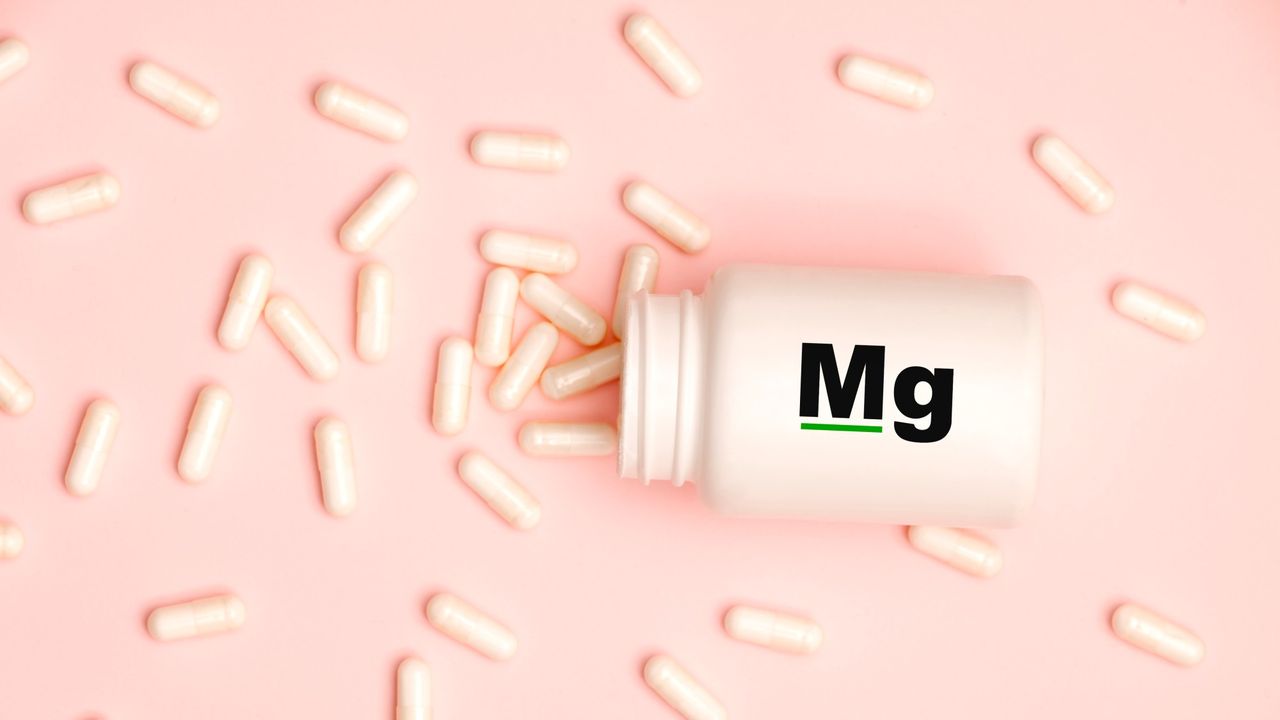
Magnesium supplements have gone viral in social media wellness circles. The mineral is the “key ingredient in #sleepygirlmocktails”, in which a powder is “stirred into tart cherry juice and prebiotic soda”, creating a “wellness cocktail for anxious millennials”, said Wired. And some people are “popping magnesium glycinate before bed instead of melatonin”, because it “allegedly cures insomnia, constipation and existential dread”.
Why is magnesium so popular?
Magnesium is needed to “regulate our nerves, bones, immune system and blood sugar levels”, said The Independent. It’s responsible for “more than 300 biochemical reactions”, including keeping the heartbeat steady and assisting in the production of energy and protein. The body does not naturally produce magnesium, so we need to get it from food or supplements. Magnesium glycinate capsules are commonly used for sleep issues and anxiety, while magnesium citrate usage is used for constipation relief.
Nutrients come “in and out of vogue in our society”, a spokesperson for the US Academy of Nutrition and Dietetics told Parents. Magnesium is “having a moment right now”, perhaps because it is an “important nutrient in supporting common health concerns” including sleep, anxiety and PMS.
Should we be taking the supplements?
For people struggling with “migraines, insomnia or other conditions where research suggests health benefits”, supplements may be worth trying, said Wired, but “first talk to a healthcare professional”. Otherwise, unless you have a magnesium deficiency, “supplements aren’t essential”. Instead, focus on consuming magnesium-rich foods such as legumes, leafy greens, whole grains, nuts, fruits and soy products. Dark chocolate is also a good source.
“Western diets typically have a greater proportion of processed food, where numerous products are mostly refined”, which strips away up to 80% to 90% of the magnesium content, Louise Dye, a professor of nutrition at the University of Sheffield, told the BBC. Supplements can be risky, however. While the kidneys can eliminate excess magnesium from food, high doses from supplements can result in diarrhoea, nausea and abdominal cramping. Other symptoms may include low blood pressure, thirst, drowsiness, muscle weakness and slow or shallow breathing. Extremely high doses can lead to irregular heartbeats or even cause the heart to stop altogether, according to experts. |