The Week The Week
flag of US
US
flag of UK
UK
https://cdn.mos.cms.futurecdn.net/flexiimages/jzblygzdxr1769609154.gif

SUBSCRIBE

Try 6 weeks free

Sign in
  • View Profile
  • Sign out
  • The Explainer
  • Talking Points
  • The Week Recommends
  • Podcasts
  • Newsletters
  • From the Magazine
  • The Week Junior
  • More
    • Politics
    • World News
    • Business
    • Health
    • Science
    • Food & Drink
    • Travel
    • Culture
    • History
    • Personal Finance
    • Puzzles
    • Photos
    • The Blend
    • All Categories
  • Newsletter sign up Newsletter
  • The Week Evening Review
    Uncertainty over Lebanon, the £100k tax trap, and school dinners

     
    TODAY’S BIG QUESTION

    What does Israel want in Lebanon?

    Confusion reigns over whether there will be further direct talks between Lebanon and Israel. Galia Gamliel, a member of Israel’s security cabinet, announced this morning that Benjamin Netanyahu would be speaking to Lebanon’s President Joseph Aoun today, following historic talks earlier this week. But a spokesperson for the Lebanese leader said they were not “aware of any call” between Netanyahu and Aoun.

    What did the commentators say?
    Netanyahu has demanded that Lebanon present a “comprehensive plan for disarming Hezbollah”, said The Economist. But the Lebanese government is “too weak” to disarm the militant group and has faced “thinly veiled threats of a violent coup” should it try. Even if Beirut were able to strive for “political consensus” in its “deeply fractured society”, Netanyahu would be “unlikely” to “give them the necessary time” to capitalise on it.

    “Israel’s primary goal is simple: weaken Hezbollah,” said Daniel Byman from the Washington DC-based Center for Strategic and International Studies. Israel’s ongoing campaign against the group displays a “familiar but intensified strategic objective” – “not the elimination of Hezbollah, but its sustained degradation”. There are “enduring risks” with this strategy. Even a wounded Hezbollah can disrupt life in northern Israel and “escalate unpredictably”. Yet Israeli leaders appear “to accept that the conflict with Hezbollah will persist as a recurring feature of the region’s security landscape”.

    After alienating much of the Western world, Netanyahu’s “only remaining opportunity to claim victory” on the world stage and secure a legacy lies in removing Hezbollah, said Ori Goldberg on Al Jazeera. Tackling the group’s “fictitious invasion” is the “only political promise Netanyahu hopes he can fulfil” ahead of his country’s expected elections this autumn.

    What next?
    Although talks should be welcomed, “significant hurdles remain”, said Bilal Y. Saab from Chatham House. To preserve ties with the Lebanese government, Israel must “avoid further attacks on state infrastructure”, particularly in Beirut. The Lebanese government, in turn, should consider “expelling Hezbollah ministers from the cabinet”, confiscating the group’s arms, and outlawing “all of Hezbollah’s financial activities”. The route to a formal peace deal is “a long and winding road, but there’s no better alternative”.


    THE EXPLAINER

    The UK’s £100k tax trap

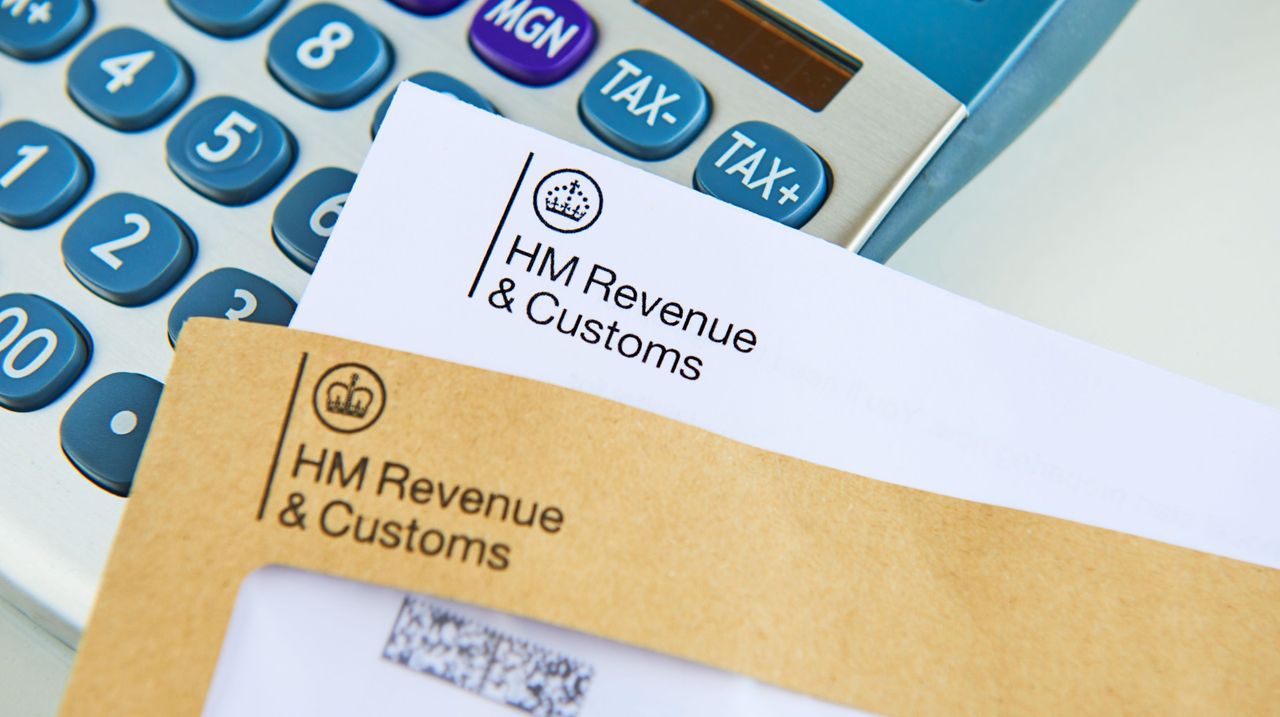
    The £100k tax trap “might sound like a champagne problem”, said Becky Wilding in The Independent, but a growing number of people are affected by this quirk of tax legislation. The tally of Brits earning six-figure salaries is expected to exceed two million for the first time in the 2026-27 tax year.

    What is the £100k tax trap?
    In the UK, most people receive a personal allowance (tax-free income) of £12,570, but professionals earning between £100,000 and £125,140 lose that, creating a 60% effective tax rate. Above £125,140, the rate falls back to 47%. A system where “rates rise and then fall” as income goes up is “indefensible”, said the Tax Policy Associates’ Dan Neidle in the Financial Times.

    For graduates repaying student loans, the tax rate can rise to 71% or higher, and parents of young children lose their entitlement to 30 hours per week of free childcare after they cross the £100,000 threshold.

    What effect does it have?
    This is “one of the UK tax system’s most notorious quirks”, said Michael Healy on LBC, and it’s led to “distorted behaviour”. Four in five people making between £90,000 and £125,000 have “actively taken steps” to keep their earnings below the £100,000 threshold.

    That it pays more to earn £99,999 than it does to earn £144,500 is “farcical”, said The Telegraph’s investment editor James Baxter-Derrington. A nation that “tells people ambition doesn’t pay will soon run out of ambitious people”.

    What can be done?
    On childcare, the Centre for British Progress think tank has suggested replacing the £100,000 cliff edge with a new 3% tax on income over £100,000 for each child receiving support. Those just above £100,000 will hardly feel the effect, while higher earners “face a clear, proportionate trade-off”, said the FT.

    Taxpayers close to the limit looking for “straightforward (and legal!) and financially savvy” workarounds have a few options, said The Independent. These include increasing their pension contributions to take their taxable income to below £100,000; sacrificing salary for other employee benefits, such as additional days of leave; and making Gift Aid donations.


    QUOTE OF THE DAY

    “For me, it’s not about a summer of sex. It is about an all-year-round, round-the-clock focus on the cost of living.”

    Labour MP Tom Hayes pours cold water on colleague Samantha Niblett’s planned “summer of sex” in Westminster, during a “Politics Live” debate. Niblett, who represents South Derbyshire, told the BBC2 show that her campaign would highlight the importance of “lifelong sex education”.


    Poll watch

    Young women are three times more likely to dislike men than vice versa, according to research for The New Statesman. Only 7% of males said they had negative views of the opposite sex, compared with 21% of females, in the Merlin Strategy poll of 2,000 Brits aged 18 to 30.


    TALKING POINT

    Should stodgy school dinners be scrapped?

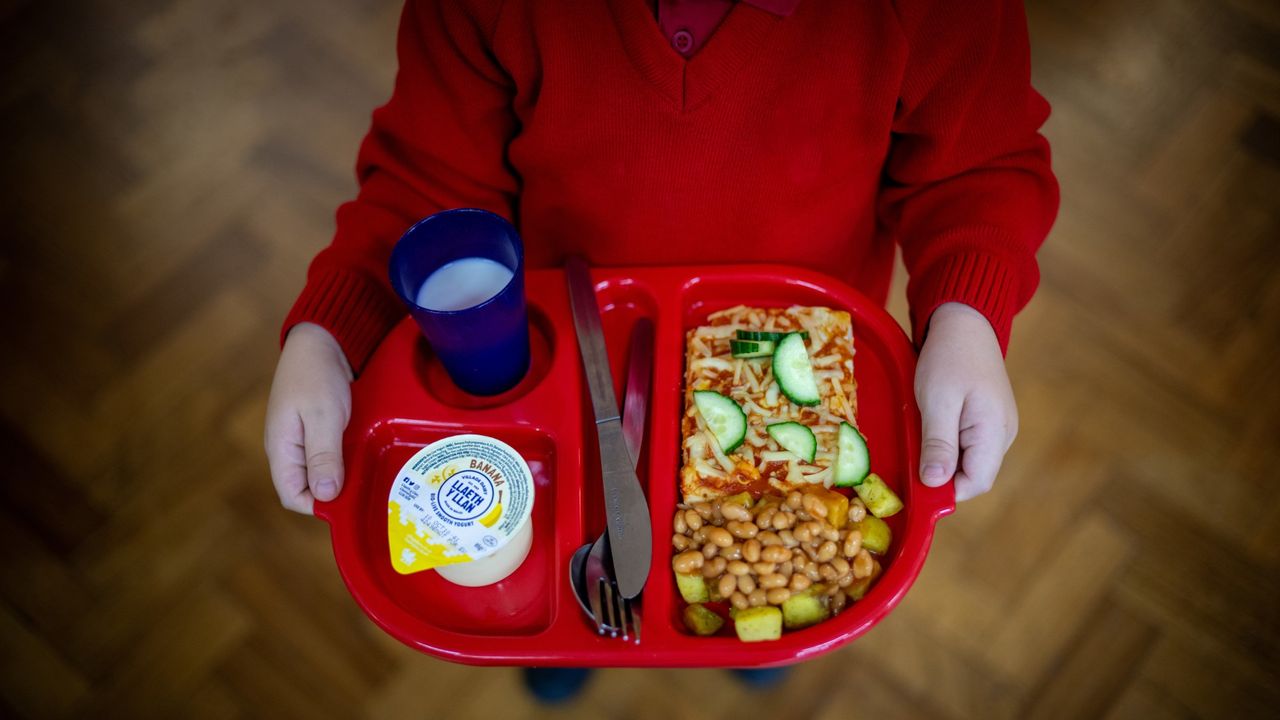
    Deep-fried food will be banned, and high-sugar products restricted, under plans to overhaul school dinners. Schools will no longer be allowed to offer unhealthy “grab-and-go” options such as sausage rolls and pizza every day, and desserts will have to contain at least 50% fruit, but some critics say the proposals are hard to swallow.

    ‘Innocent pleasures’
    “What a loss!” said Ysenda Maxtone Graham in The Telegraph. Treacle sponge, “or ‘stodge’ as it was known”, gave me “the fuel I needed to get through the gruelling 90 minutes of being screamed at by the hockey mistress”. The government is “trying to force us to be more healthy”, but in doing so is “imposing a blanket rule” that denies us “some of life’s greatest, and surely quite innocent, pleasures”.

    When “safe foods” aren’t available for a neurodivergent child, they “don’t eat at all”, said Victoria Richards in The Independent. My nine-year-old son has special educational needs and disabilities, and the government’s plans are “upsetting for parents like me” because they might become “another way Send kids can be demonised, stigmatised and singled out”.

    ‘Systemic problems’
    The government’s aims are “laudable”, said Unison’s Leigh Powell, and my union supports them. But too many schools have contracted out food services to private companies that are “laser-focused on ensuring that profit margins are healthy, rather than the food they serve”. Unison members working in school kitchens fear that the new standards “will be imposed on hard-working kitchen staff without tackling the systemic problems”.

    Schools “aren’t responsible” for obesity and the poor dental health of our children, said Darren Lewis in The Mirror. “Healthy eating” has been the policy at my children’s school “for many years”, but at home, many parents are having to choose “between heating or eating”. All the same, the new rules will help “steer children” towards a “healthier weight and better teeth”, said The Times. “Slices of melon and bowls of berries make a fine pudding”, even if some “joy” may be lost, and “school memories” made a “little less rich”, with the departure of treacle tart.


    Good day 🧑‍🦰

    … for redheads, who appear to be favoured by natural selection, according to a study in the journal Nature. Harvard academics who studied the genomic sequences of thousands of ancient and modern humans found that the genes for red hair have multiplied faster than would be expected by chance. The reasons remain unclear.


    Bad day ✈️

    … for summer travel plans, as the head of the International Energy Agency warns that Europe’s supplies of jet fuel will run out in “six weeks or so” if the Strait of Hormuz remains effectively closed. “In the past, there was a group called Dire Straits,” said Fatih Birol. “It’s a dire strait now.”


    PICTURE OF THE DAY

    Second to nun

    Religious sisters wave as Pope Leo XIV passes in the Popemobile en route to the cathedral in the Cameroonian city of Bamenda, during his 11-day visit to Africa. Cameroon is home to more than eight million Catholics.

    Patrick Meinhardt / AFP / Getty Images


    Puzzles

    Guess the number

    Try The Week’s daily number challenge in our puzzles and quizzes section

    Play here


    THE WEEK RECOMMENDS

    The UK’s best theme parks for a thrilling day out

    A “historical theme park” is opening in County Durham this summer. Kynren – The Storied Lands will offer “immersive experiences that tell tales from Neolithic Britain, the Vikings and Victorian England”, said Time Out. But if battle reenactments aren’t your thing, there are plenty of other theme parks across the country to keep the whole family happy.

    Chessington World of Adventures Resort, Surrey
    The UK’s first World of Paw Patrol is opening at Chessington World of Adventures on 3 May, just in time for the bank holiday. “Four exciting new rides, interactive attractions and themed experiences” based around the popular show have been confirmed, said The Independent. The resort is also launching the world’s first Minecraft World next year.

    Paultons Park, Hampshire
    Paultons Park is “perhaps best known as the home of Peppa Pig World”, said The Mirror. But on 16 May, the theme park will unveil a new attraction, Valgard: Realm of the Vikings. “Aimed more at teenagers and adults”, it will feature the “park’s first inverting rollercoaster”, with a “vertical lift hill and two twists where riders will be flung upside down”. The Cobra ride has also been “revamped” into a “bobsled adventure”.

    Blackpool Pleasure Beach, Lancashire
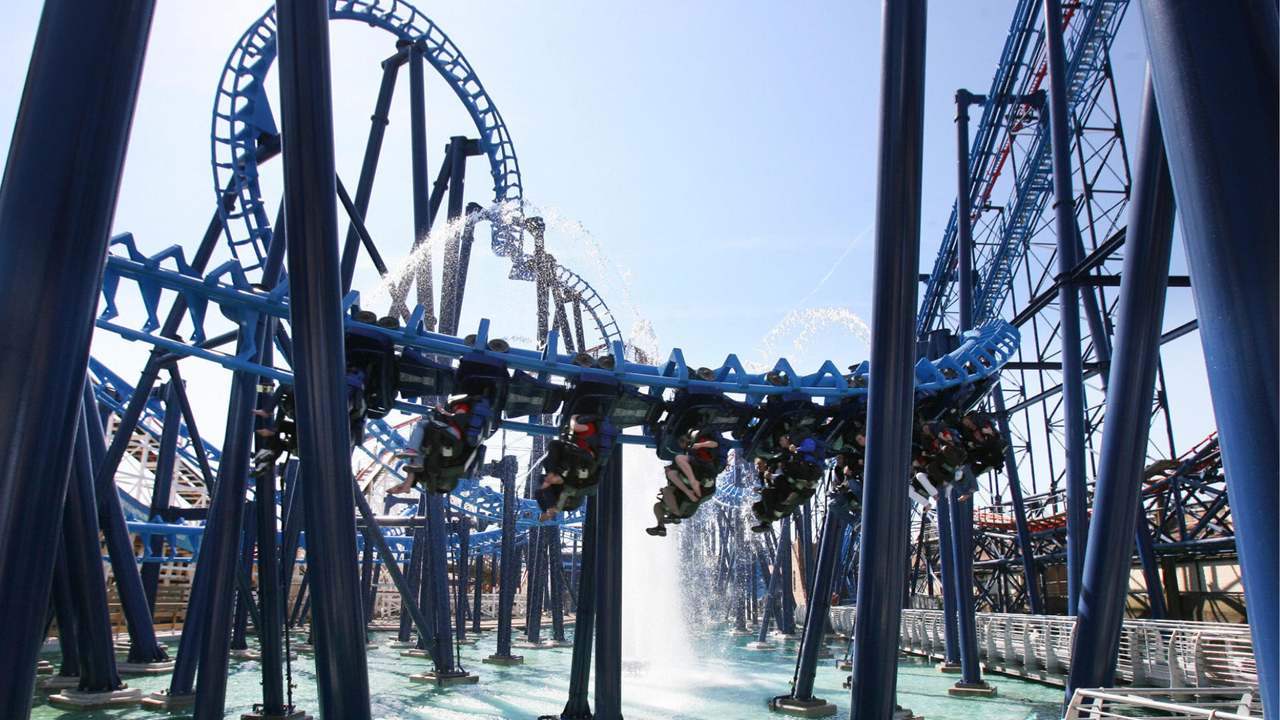
    Expect “properly thrilling rides” at this popular park (pictured above), from “the heart-stopping Infusion to the indomitable The Big One”, said The Telegraph. Little ones can enjoy rides inspired by “popular characters such as SpongeBob SquarePants and Dora the Explorer”. Make the most of the extended summer opening hours for “‘late-night riding’ along with fireworks displays”.


    Statistic of the day

    179: The number of inmates released from UK prisons by mistake between April 2025 and March 2025, according to newly published Ministry of Justice data. The total was down from 262 in the previous 12 months, but is “still unacceptably high”, Justice Secretary David Lammy said in response to an independent review that described recent erroneous releases as “simply one symptom of a broken system”.


    instant opinion

    Today’s best commentary

    Why Donald Trump won’t embarrass the royals
    Robert Hardman in The Spectator
    Fears are rife that Donald Trump “will somehow ‘embarrass’ the King and Queen” during their US state visit, writes Robert Hardman, but he’s been a “model guest” during his UK visits and “will be the same as a host”. Trump has a “rambling contempt” for Keir Starmer but not for “250 years of US/UK history”. Indeed, “it’s hard to imagine” British politicians being “as effusive about this ‘lionhearted people’” as he was in his speech at last year’s Windsor banquet.

    I lost a disabled friend by patronising them – now I wonder if I’m being punished
    Julie Burchill in The i Paper
    When I was younger, I patronised a friend with a disabled badge until “one day, she’d just had enough”, writes Julie Burchill. Now, I’m “the one that people pat on the head”. After being confined to a wheelchair, I’ve learned that “of all the co-morbidities” that come with it, “the pity” is among the worst. My husband assures me this isn’t divine retribution, “but I prefer the Old Testament to the New, so I’m not convinced”.

    Can I interest you in a hideous BMW? Modern cars shouldn’t be so ugly
    Stephen Bayley in The Telegraph
    Anyone shopping for a new set of wheels will “find an awful lot of very ugly cars out there”, says Stephen Bayley. The Jaguar Jaecoo 7 “looks like an old fridge” and the Honda Insight is like an “orthopaedic boot”. The BMWi7 is a “crass whale” of a car, while recent Porsches “resemble glossily lacquered elephant seals”. Automobile designs “were once reliable sources of a beautiful experience” but now appear to be “having a brutalist moment”.


    word of the day

    Dinlo

    A slang term for a foolish person, used in the Portsmouth area. “Dinlo” and similar regional pejoratives, such as Glasgow’s “bampot” and the Liverpudlian “arl arse”, are being documented by University of Sheffield academics. The “vivid, honest record” of swear words “brings some humour” to the serious issue of preserving Britain’s diverse dialects, said project leader Chris Montgomery.


    Evening Review was written and edited by Rebecca Messina, Jamie Timson, Will Barker, Irenie Forshaw, Chas Newkey-Burden, David Edwards, Adrienne Wyper, Steph Jones and Kari Wilkin, with illustrations from Stephen P. Kelly.

    Image credits, from top: illustration by Stephen P. Kelly / Getty Images ; Peter Dazeley / Getty Images; Matthew Horwood / Getty Images; Patrick Meinhardt / AFP / Getty Images; Paul Ellis / Getty Images

    Morning Report and Evening Review were named Newsletter of the Year at the Publisher Newsletter Awards 2025
     

    Recent editions

    • Morning Report

      Stocks climb as investors bet on Iran war de-escalation

    • Evening Review

      The ‘long-shot’ bill to remove Trump

    • Morning Report

      Israel and Lebanon hold rare direct talks

    VIEW ALL
    TheWeek
    • About Us
    • Contact Future's experts
    • Terms and Conditions
    • Privacy Policy
    • Cookie Policy
    • Advertise With Us
    • FAQ
    Add as a preferred source on Google Add as a preferred source on Google

    The Week UK is part of Future plc, an international media group and leading digital publisher. Visit our corporate site.

    © Future Publishing Limited Quay House, The Ambury, Bath BA1 1UA. All rights reserved. England and Wales company registration number 2008885.