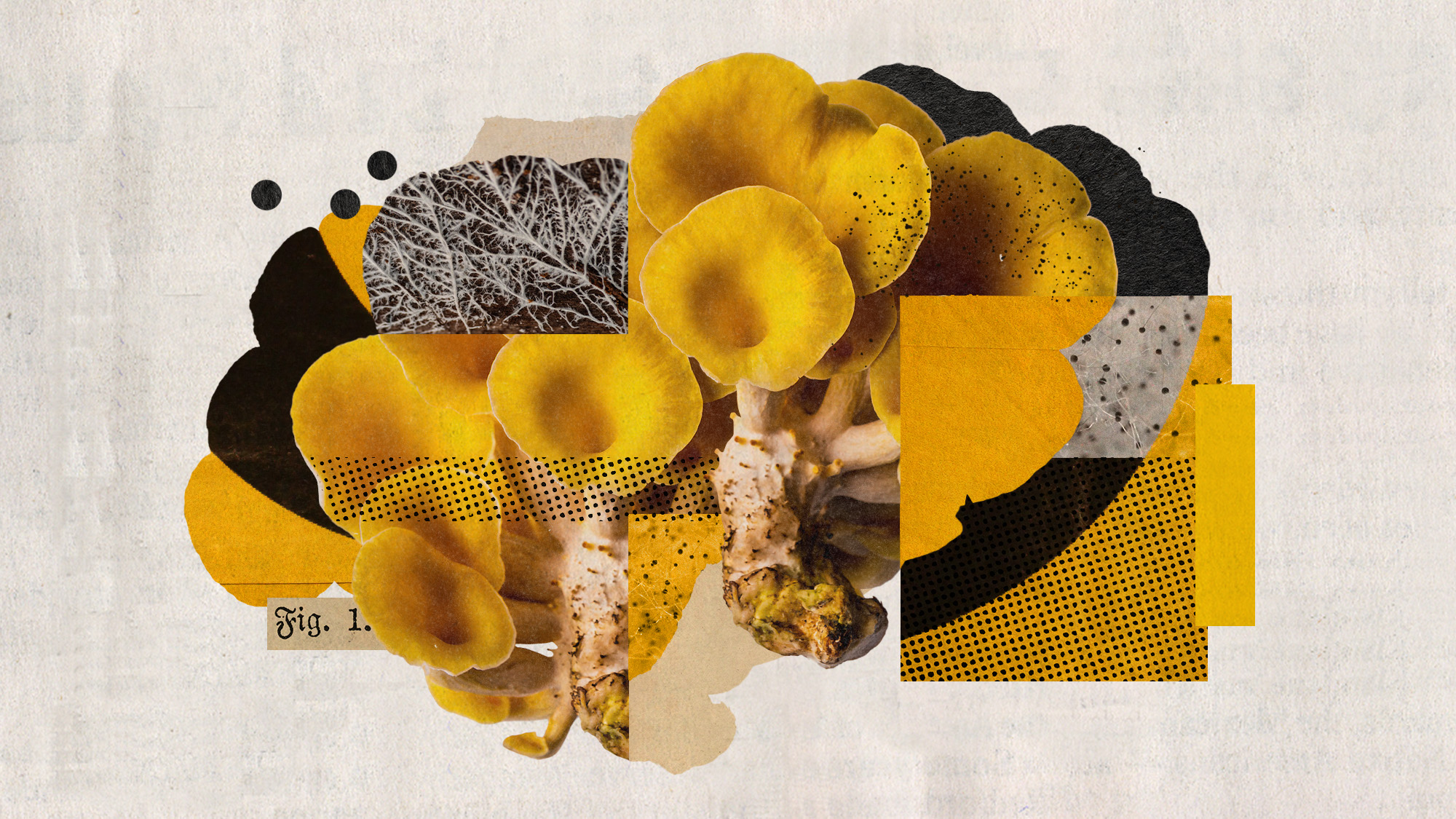
The golden oyster mushroom was brought to the US from Asia during the 2000s mostly because it “can grow quickly, which was a boon as it’s considered one of the most delicious mushrooms a forager can find”, said news site Vice. But what was once deemed a benefit has turned out to be a threat. The bright yellow mushroom’s ability to reproduce quickly has caused it to spread across the continent, making it notoriously invasive. The species has already been found in 25 states.
The fungus is “invisible for most of the year, living as mycelium, fungal strands within wood”, according to the BBC. In the spring it “sends out its fruiting body”, which is “what we would recognise as the mushroom itself”. The “huge yellow clusters cascade out of logs and trees, each mushroom itself producing millions of microscopic airborne spores”. Although the golden oyster mushroom “isn’t yet posing a significant risk to Western forests, it is taking hold in the Northeast and Midwest”, said climate site The Cool Down.
When the mushroom is present in a forest, the “fungal community composition significantly changes, and fungal species richness significantly decreases”, said a study published last year in the journal Current Biology. Trees colonised by the fungus have “about half the fungal biodiversity as trees without the golden oyster”, Aishwarya Veerabahu, a mycologist at the University of Wisconsin-Madison and lead author of the study, told the BBC.
To prevent the fungus from overtaking forests everywhere, “continued research, management efforts anchored in social theory and collaborative conversations about microbial endemism” will be necessary, said the study. “The cultivation of local species or development of sporeless mushroom strains could also mitigate risks.” |