The Week The Week
flag of US
US
flag of UK
UK
https://cdn.mos.cms.futurecdn.net/flexiimages/jzblygzdxr1769609154.gif

SUBSCRIBE

Try 6 weeks free

Sign in
  • View Profile
  • Sign out
  • The Explainer
  • Talking Points
  • The Week Recommends
  • Podcasts
  • Newsletters
  • From the Magazine
  • The Week Junior
  • More
    • Politics
    • World News
    • Business
    • Health
    • Science
    • Food & Drink
    • Travel
    • Culture
    • History
    • Personal Finance
    • Puzzles
    • Photos
    • The Blend
    • All Categories
  • Newsletter sign up Newsletter
  • The Week Evening Review
    Sentencing guidelines, the Iran peace deal, and Ferrari’s first EV

     
    THE EXPLAINER

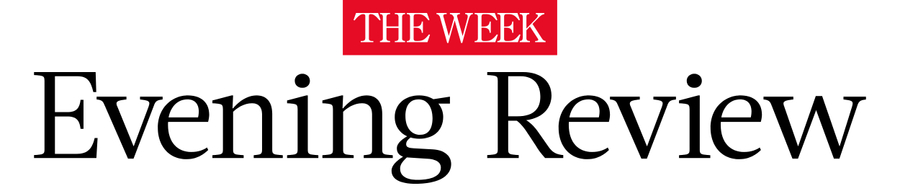
    Judges’ powers and ‘unduly lenient sentences’

    The Court of Appeal is to review the sentences given to three teenage boys convicted of the rape of two girls in Hampshire. The boys – two of whom were aged 15, while the other was 14, at the time of sentencing – were given youth rehabilitation orders and walked free from court, prompting a public outcry and a rare intervention from the prime minister, who said there were “questions about the sentence”.

    How much leeway do judges have?
    By law, judges and magistrates must follow guidelines set by the Sentencing Council for England and Wales. The independent body lays out the ranges of sentences to be imposed on crimes of varying severity, but says judges and magistrates have the “discretion to depart from sentencing guidelines if they think it would be in the interest of justice to do so, given all the circumstances of a particular case”.

    How is it different for young offenders?
    The Sentencing Council advises that sentencing for those aged under 18 should be “individualistic and focused on the child or young person”, with an emphasis on rehabilitation “where possible”. Both domestic and international laws dictate that a custodial sentence should always be a “measure of last resort” for children and young people. A custodial sentence “may only be imposed when the offence is so serious that no other sanction is appropriate”.

    How can a sentence be reconsidered?
    The unduly lenient sentence scheme allows any member of the public to refer a sentence for “serious crimes tried in the Crown Court, such as murder, manslaughter, robbery, rape, stalking and most child sexual abuse offences”, to the attorney general, said The Guardian.

    The government’s top legal adviser then asks prosecutors to “advise whether it is in line with expectations, taking into account the discretion that judges have”, said the BBC, “or completely at odds with what would have happened in comparable cases”. The attorney general may then “refer it to the Court of Appeal, where three senior judges will look at what happened in a public hearing and rule on whether the sentence was right or unduly lenient”. If the latter, they have the power to impose a harsher sentence.


    TODAY’S BIG QUESTION

    Will US-Iran deal bring peace to Lebanon?

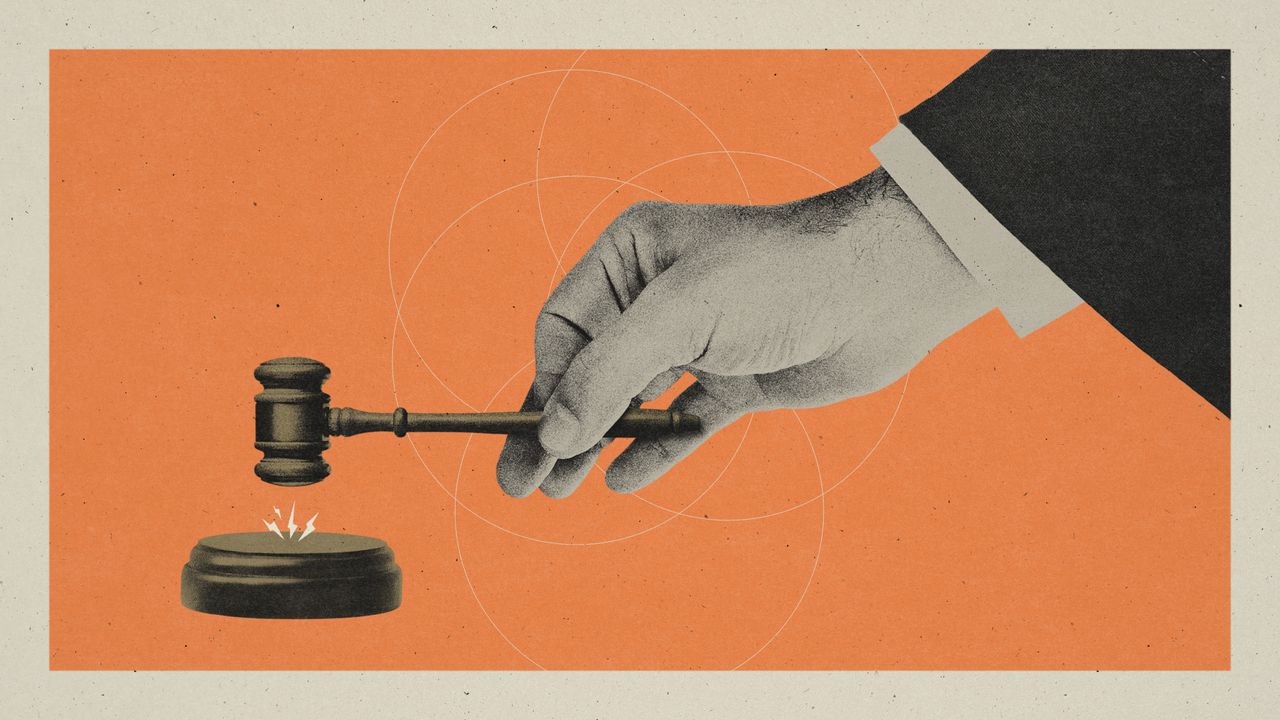
    Iran has signalled that any deal to end the ongoing war must include an end to Israel’s offensive against Hezbollah in Lebanon. But whether the US could get Israel to agree to that, or would be willing to try, is unclear. 

    Despite last month’s ceasefire, Israel has continued to pound Lebanon with airstrikes, killing at least 608 people, according to the World Health Organization. Yesterday, in response to a Hezbollah attack on its military posts, Israel launched one of its most intense waves of bombings yet.

    What did the commentators say?
    “Lebanon is in danger of becoming an overlooked but increasingly deadly sideshow” as both Israel and Hezbollah violate the ceasefire, said Tom Kington in The Times. Israeli troops won’t withdraw from southern Lebanon unless Hezbollah disarms. But the Iran-backed group says it won’t stop attacking Israeli positions until Benjamin Netanyahu’s forces withdraw. “The result has been a stand-off.”

    Hezbollah is “waiting for a cue from Iran, which in turn depends on how Iran’s talks with the US go”, said Michael Young of the Malcolm H. Kerr Carnegie Middle East Centre in Beirut. “If Iran emerges stronger from its clash with the US, Hezbollah will feel reinvigorated,” he told The Times. Meanwhile, Israel will be trying “to torpedo any deal”.

    Hezbollah has “ignored repeated requests to stop firing at Israel”, a US official told Reuters. Israel will never “​passively absorb attacks on its forces and civilians”. But nor will Tehran accept such attacks on its proxy, Middle East expert Danny Citrinowicz told The New Yorker. Hezbollah is “a vital element” of Iran’s “so-called Axis of Resistance”. If Donald Trump wants an agreement with Iran, he will have to “force Netanyahu’s hand on Lebanon”.

    What next?
    Delegations from Israel and Lebanon will meet for direct talks in the US on Friday, in preparation for further negotiations next Tuesday and Wednesday. But “even if Lebanon is part of a US-Iran peace deal, the Lebanese people will be wary”, said Kington in The Times. April’s Pakistan-brokered ceasefire between the US, Israel and Iran supposedly included Lebanon – but Israel “denied this was the case and launched 100 attacks in a few minutes”.


    QUOTE OF THE DAY

    “I am fearing that we will face a Brexit moment.”

    Iceland’s Foreign Minister Þorgerður Katrín Gunnarsdóttir says her country’s upcoming referendum on joining the EU is being compromised by misinformation and fearmongering. Opponents of accession are using rhetoric from “the playbook of Nigel Farage and Reform”, she told The Guardian.


    Poll watch

    Gay and bisexual men now make up 7.5% of male blood donors in England, up from 1.8% in 2014, according to research by the For the Assessment of Individualised Risk steering group. The fourfold increase was revealed by a recent poll of 8,744 male donors, who until 2021 were subject to rules limiting the eligibility of men who have sex with men.


    TALKING POINT

    Fast and Luce: why Ferrari’s new EV is so controversial

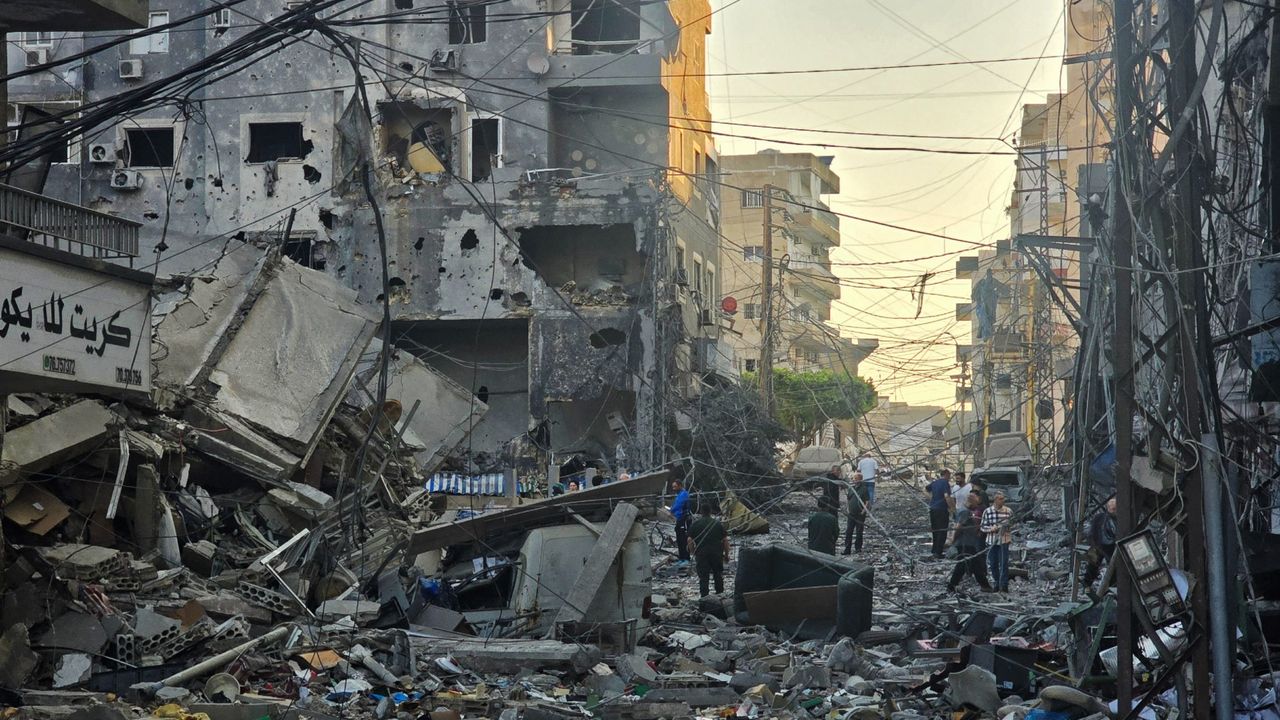
    Ferrari’s first foray into electric vehicles has sparked an intense backlash from fans and investors. Created in collaboration with former Apple chief designer Jony Ive, the new Luce model’s futuristic form, silent engine and £475,000 price tag were always going to be “controversial”, said Politico. Ferrari’s former chair Luca di Montezemolo spoke for many “purists in Italy” when he said it “risks destroying the myth” of the legendary cars.

    ‘Anything but a Ferrari’
    “The Luce does not look like a Ferrari,” said Luke Plunkett on Aftermath. “It looks like the concept for a Honda Hydrogen vehicle from 2002”, or “one of the ‘this is what the future will look like from the 90s’ cars from ‘Demolition Man’, only worse”. It looks like “anything but a Ferrari”.

    Ferrari’s chief design officer, Flavio Manzoni, admitted that the design was “polarising”, but insisted fans will embrace the new car eventually. Investors, however, were less confident. Ferrari shares fell nearly 8% in Milan on Tuesday, amid fears the Luce launch “could become a repeat of Jaguar Land Rover’s controversial failed rebrand” in 2024, when the British carmaker “tried to shift the marque away from its traditional ‘Jag man’ image towards ultra-wealthy customers”, said The Telegraph.

    ‘Energy transition challenge’
    Development of the Luce kicked off in 2021, when “EVs were riding high and increasing in popularity in the premium, sport and luxury space”, said Car magazine. But since then, carmakers have “retreated from their EV initiatives”, said Forbes. Lamborghini has scrapped its first planned EV, Porsche is opting for hybrid technology and McLaren is steering clear entirely.

     The “initial negative reaction to Ferrari’s new model was not surprising”, said the Financial Times, and underscores the “energy transition challenge for luxury carmakers”. But for the Italian brand’s executives, “whether most current Ferrari customers think the Luce is cool is irrelevant”, said Scott Sherwood, an independent analyst of luxury carmakers. “If it tested well enough with the tech crowd to fill the order book, that’s all they are concerned with.”


    Good day 👱‍♀️

    … for the fairer sex, with the average female face rated as more attractive than about 60% of male faces, according to an analysis of data from 52 studies. Researchers at Germany’s Max Planck Institute for Empirical Aesthetics found that the “gender attractiveness gap” remained consistent across more than 1.5 million ratings given by nearly 30,000 participants in 76 countries.


    Bad day 💡

    … for household energy bills, which are set to rise by hundreds of pounds a year from July. Regulator Ofgem has announced a new typical-use price cap of £1,862 – a 13% hike from the current £1,641 cap – amid the “continued volatility in global energy markets”.


    PICTURE OF THE DAY

    Higher power

    Muslims pray at the Baiturrahman Grand Mosque in Banda Aceh, Indonesia, to mark the beginning of Eid al-Adha. The festival commemorates Abraham’s willingness to sacrifice his son as an act of obedience to Allah and is traditionally celebrated with animal sacrifice.

    Chaideer Mahyuddin / AFP / Getty Images


    Puzzles

    Chain Word

    Try The Week’s new daily word challenge in our puzzles and quizzes section

    Play here


    THE WEEK RECOMMENDS

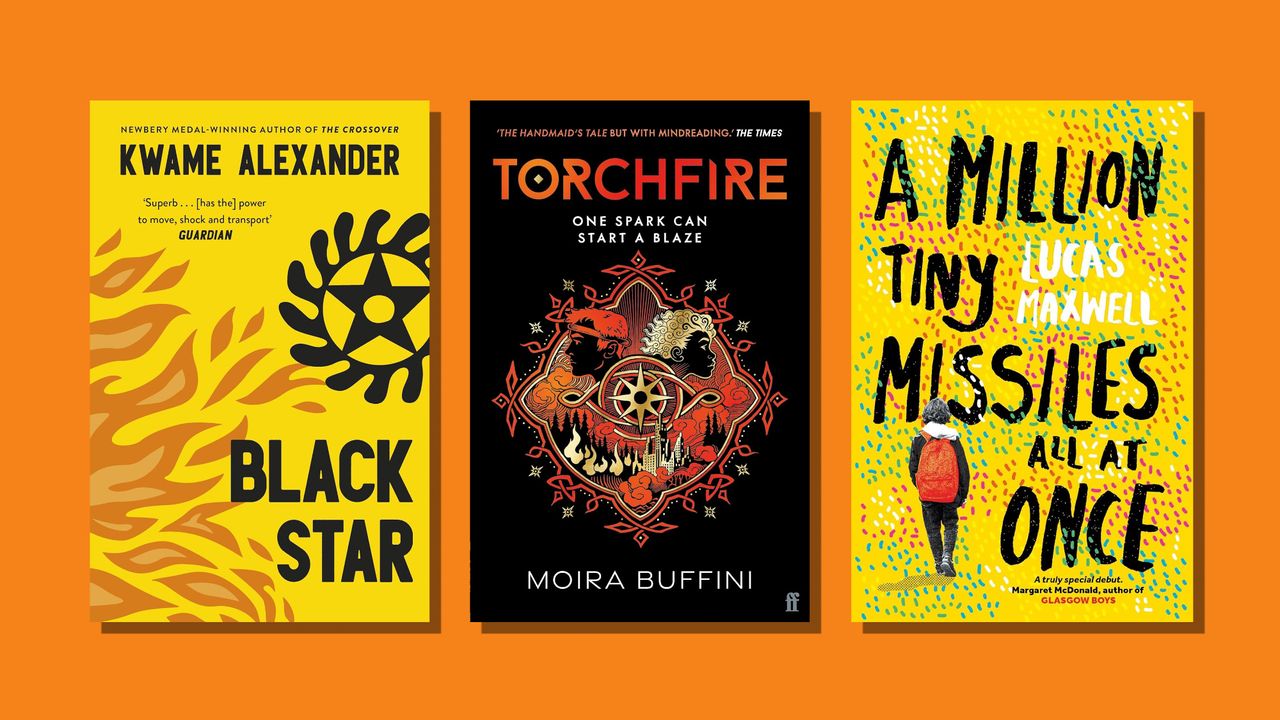
    Page-turners for young adult readers

    From dread-filled dystopian tales to hard-hitting family dramas, these twisty young-adult novels will have teens and adults alike staying up late to read one more chapter…

    A Million Tiny Miles All At Once by Lucas Maxwell
    Maxwell’s remarkable debut begins with 14-year-old Elias entering a competition in a bid to win money to take his family out for pizza. But it develops into a tale of “family pressures, neurodivergence and resilience with heaps of humour and heart”, said Anna Bonet in The i Paper.

    Torchfire by Moira Buffini
    In this eagerly anticipated follow-up to her debut YA novel “Songlight”, Buffini returns to a dystopian landscape where nations are “bitterly divided by attitudes to telepathy”, said Imogen Russell Williams in The Guardian. The absorbing tale grips readers “more fiercely” with each turn of the page.

    Black Star by Kwame Alexander
    American poet Alexander uses “sparky verse” to tell the “powerful tale” of 12-year-old Charley, a Black girl living in the segregated American South of the 1920s, who dreams of becoming a professional baseball pitcher. Beautifully written, it’s a “literary adrenaline shot”, said Lucy Bannerman in The Times.

    Like a Brother by Nathanael Lessore
    Two starkly different estranged cousins are “thrown together” in Lessore’s bold teen comedy, said Fiona Noble in The Observer. As their “bond deepens, so does each boy’s sense of self-worth”, in a huge-hearted, funny story that sheds light on the “messy, unpredictable business of being a teenager”.


    Statistic of the day

    $370,000: The estimated average payout that 78,000 Samsung workers in South Korea will each be eligible to receive under a deal with management to avert the threat of a strike. The company will split 10.5% of its semiconductor division’s operating profit among employees in the form of shares, and pay an additional 1.5% in cash.


    instant opinion

    Today’s best commentary

    I’ve seen what aid can do. The world is making a grave mistake with cuts – and children are paying the price
    Tom Hiddleston in The Independent
    “For the first time this century, deaths among children under five are expected to rise,” writes actor and Unicef ambassador Tom Hiddleston. “Aid budgets are being cut” just when “conflicts, climate disasters and disease outbreaks are accelerating”, forcing “impossible choices about which children deserve lifesaving treatment”. This Sunday, I’m playing in Soccer Aid, but however generous the public’s response, it “cannot substitute for political will” to “invest in the futures of children around the world”.

    Tony Blair’s essay on Labour failings gets full marks for being unhelpful
    Peter Walker in The Guardian
    Tony Blair’s “opus on where Labour” has “gone wrong” feels timed “to inflict maximum annoyance on his party”, writes Peter Walker. He clearly “worries deeply” that it’s “stuck in a loop of insular political debate”, but his “policy prescriptions” seem “politically impossible”: ditching net zero and workers’ rights would have made Labour MPs revolt “much earlier”. And in backing Donald Trump on Iran, Blair “reinforces the sense” that “in recent years”, he’s “met more US presidents than British voters”.

    If Rupert Lowe sets aside his vanity he could be the hero of the hour. If he doesn’t, Britain faces disaster
    Stephen Pollard in the Daily Mail
    There’s “a clear anti-Labour” majority in Makerfield, writes Stephen Pollard. But “the Restore Britain candidate could split that vote” and “foist Andy Burnham” on us all. Nothing Burnham values “accords with anything” that Rupert Lowe “believes in”, but the Restore leader’s “pride and his vendetta against Nigel Farage” could bring in “the most Left-wing government in our history”. Lowe should “set aside his own ambition” and “be the man” who brings “an end to the ruination of our country”.


    word of the day

    Perfectly

    Or rather “PERFECTLY”, as per a Truth Social post by Donald Trump on how “everything checked out” at his latest health examination. The US president, who turns 80 next month, visited the Walter Reed Military Medical Center yesterday for his fourth publicly disclosed medical exam since returning to office, amid growing speculation about his physical and mental fitness.


    Evening Review was written and edited by Rebecca Messina, Jamie Timson, Harriet Marsden, Elliott Goat, Chas Newkey-Burden, Irenie Forshaw Helen Brown, David Edwards and Kari Wilkin, with illustrations from Stephen P. Kelly.

    Image credits, from top: illustration by Stephen P. Kelly / Getty Images; Kawnat Haju / AFP / Getty Images; Ferrari; Chaideer Mahyuddin / AFP / Getty Images; Andersen Press / Faber and Faber / Chicken House

    Morning Report and Evening Review were named Newsletter of the Year at the Publisher Newsletter Awards 2025
     

    Recent editions

    • Morning Report

      Blair warns Labour against drifting left

    • Evening Review

      Iran deal: is Trump the loser?

    • Morning Report

      Murrell admits SNP embezzlement

    VIEW ALL
    TheWeek
    • About Us
    • Contact Future's experts
    • Terms and Conditions
    • Privacy Policy
    • Cookie Policy
    • Advertise With Us
    • FAQ
    Add as a preferred source on Google Add as a preferred source on Google

    The Week UK is part of Future plc, an international media group and leading digital publisher. Visit our corporate site.

    © Future Publishing Limited Quay House, The Ambury, Bath BA1 1UA. All rights reserved. England and Wales company registration number 2008885.