The Week The Week
flag of US
US
flag of UK
UK
https://cdn.mos.cms.futurecdn.net/flexiimages/jzblygzdxr1769609154.gif

SUBSCRIBE

Try 6 weeks free

Sign in
  • View Profile
  • Sign out
  • The Explainer
  • Talking Points
  • The Week Recommends
  • Podcasts
  • Newsletters
  • From the Magazine
  • The Week Junior
  • More
    • Politics
    • World News
    • Business
    • Health
    • Science
    • Food & Drink
    • Travel
    • Culture
    • History
    • Personal Finance
    • Puzzles
    • Photos
    • The Blend
    • All Categories
  • Newsletter sign up Newsletter
  • The Week Evening Review
    Conspiracy theories, weight-loss pills, and the UK’s defence dilemma

     
    IN THE SPOTLIGHT

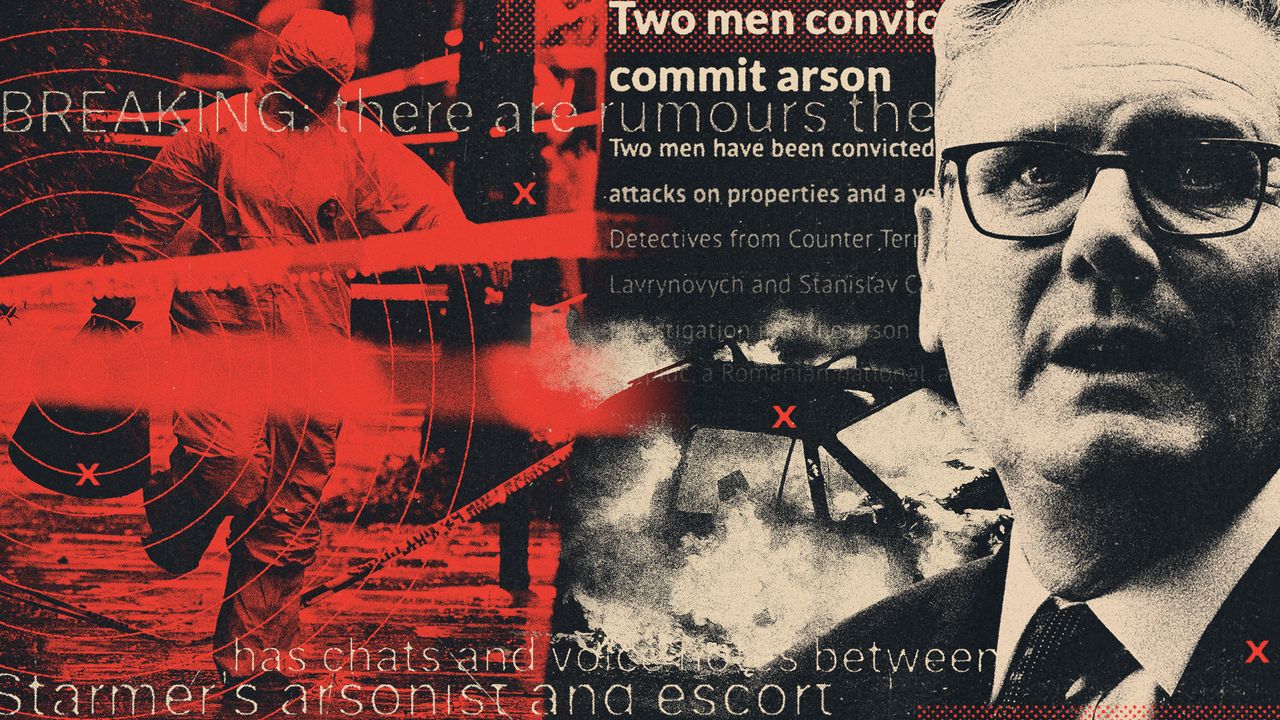
    How Starmer arson attacks became a conspiracy theory

    Two Ukrainian men have been found guilty of plotting arson attacks last year on property linked to Keir Starmer. The trial of Roman Lavrynovych, 22, and Stanislav Carpiuc, 27, revealed a shadowy network of online provocation and misinformation allegedly orchestrated from Russia that the PM described as an “attack on democracy”.

    ‘Sabotage, provocation and lies’
    During the six-week trial at the Old Bailey, jurors heard that fires at Starmer’s former family home and other related targets were directed via encrypted messaging app Telegram by a Russian-speaking handler going by the pseudonym El Money.

    A Financial Times investigation found that El Money was “located in Russia and was closely aligned with NoName057(16), a pro-Kremlin hacktivist group that the US has called a Russian ‘state-sanctioned project’”. Now, the BBC has identified evidence suggesting that El Money is Evgeny Lyukshin, the 23-year-old son of a senior official. Lyukshin is reportedly “schooled in information warfare by spies and propagandists”, and is said to be “close to the highest levels of power in Moscow”. And the arson attacks were “just one part of an extensive campaign of sabotage, provocation and lies leading all the way to the Russian state”.

    Modern warfare
    Part of this misinformation campaign included a “conspiracy theory falsely claiming that the arsonists were male prostitutes seeking revenge” on the PM, said The i Paper. The outlet and the Center for Countering Digital Hate charted the false “rent boy” rumour, which appeared online less than 15 minutes after Lavrynovych was arrested.

    The accounts from which the claim originated did not appear to be directly part of Russian disinformation networks. But Melanie Smith, from the Institute for Strategic Dialogue, said Russian propagandists continually “monitor the online ecosystem” to look for emerging far-right narratives to boost.

    Groups such as NoName “have sought to recruit proxies online” to “foment disorder across Europe by amplifying far-right and anti-migrant messages”, said The Guardian. Britain has become a “soft target” for Russian and other state propaganda because of a failure to educate people on how to deal with information warfare. This country is “extraordinarily vulnerable”, security expert Fiona Hill told a recent parliamentary committee.


    THE EXPLAINER

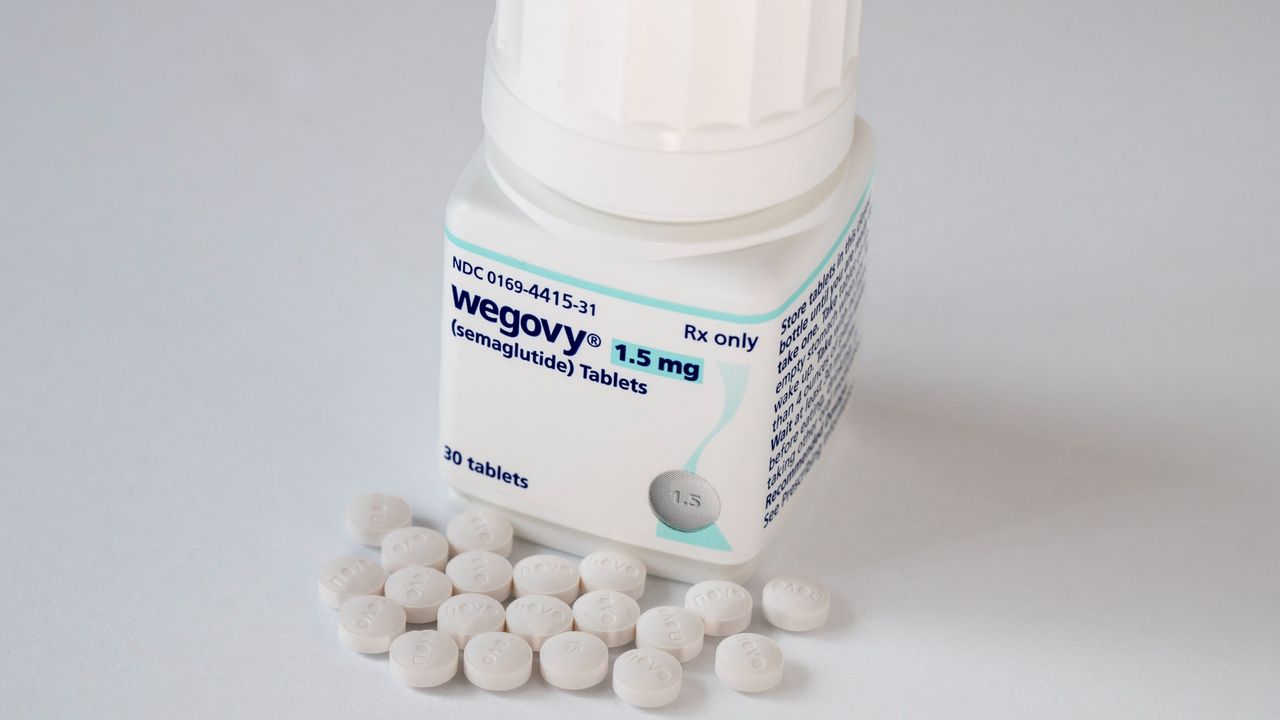
    The Wegovy weight-loss pill: what you need to know

    The upcoming release of the UK’s first weight-loss pill will be “game-changing”, according to a leading pharmacy provider. “We’ve already seen record demand ahead of the expected launch” of the Wegovy tablet,  Chemist4U chief executive James O’Loan said in a statement. The majority of customers expressing interest have not used weight-loss injections, but the new pill “could widen access to millions of people across the country”.

    How does it work?
    The pill is an oral version of the weight-loss injection Wegovy, containing the same active ingredient, semaglutide. While the injections “pass directly into the bloodstream, the pill has to first be absorbed through the stomach”, said medical journalist David Cox in The Telegraph. This is possible through “scientific innovation, creating a way of encapsulating semaglutide and shielding it from stomach acid”. As with the injections, the Wegovy pill “mimics the effects of a gut hormone called GLP-1, released after eating, which regulates appetite and signals a feeling of fullness”. While the injections are weekly, the pill is taken daily, and comes in different doses that can be steadily increased each month.

    Common Wegovy side effects include “nausea and vomiting (slightly more common with the pill version), diarrhoea and/or constipation and abdominal discomfort”, said Dr Mark Porter in The Times, “but these generally settle once people get used to the medicine”.

    How effective is it?
    Early tests suggest the pill’s effectiveness is similar to that of injectable Wegovy. After 64 weeks, adults taking the pill lost an average of 14% to 17% of their body weight, and about one in three lost 20% or more. It will only be prescribed to people classified as clinically obese, with a body mass index of more than 30, or overweight (27-30) and with at least one weight-related health condition such as high blood pressure or type 2 diabetes.

    How much will it cost?
    The pill will initially be available only on private prescription and exact prices are yet to be set. But Robert Bradshaw of Oxford Online Pharmacy told The Telegraph that it was likely to “come in roughly at the same price as the injections”.


    QUOTE OF THE DAY

    “He’s left his watch here. We’ve got his watch.”

    Canada’s PM Mark Carney lays claim to a timepiece left behind by Emmanuel Macron after a working lunch at the G7 summit, in a rare moment of levity picked up on hot mic. “Give me it if he left, gimme,” Donald Trump joked.


    Poll watch

    Nearly a fifth (19%) of men aged 18 to 24 believe that controlling a partner’s access to bank accounts is not abusive, according to an Ipsos survey of more than 5,000 adults for the Home Office. The same percentage of young men said that controlling how a partner spends their money is not abuse, compared with 6% of men aged 45 to 54.


    TODAY’S BIG QUESTION

    Is the UK serious about defence?

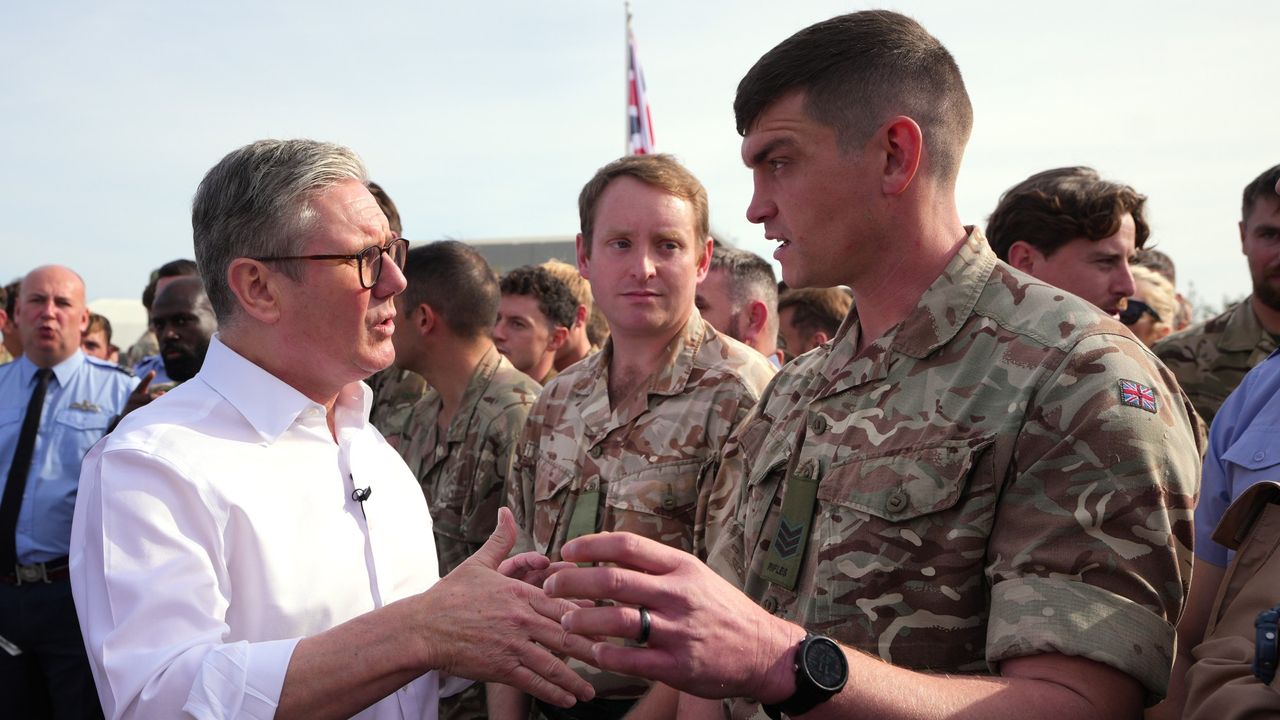
    Three senior defence figures have accused Keir Starmer of depriving UK troops of the funding needed for them to carry out their duties. In “scathing remarks” in Parliament, former defence secretary John Healey, former Armed Forces minister Al Carns and the country’s senior military officer, Rich Knighton, all accused Starmer of “underfunding the military”, said The Guardian.

    What did the commentators say?
    Following the 2024 general election, Starmer commissioned a strategic defence review to “set out a vision for UK defence over the next 10 years”. But “what it didn’t do” was “provide insight into how it was to be funded”, said Thomas Caygill, a politics lecturer at Nottingham Trent University, on The Conversation.

    According to reports, military leaders requested an £18 billion uplift to address a massive funding shortfall, but the Treasury offered no more than £13.5 billion (a 0.08% budget increase). But “to give the Treasury some credit”, said Caygill, the Ministry of Defence is “known for poor spending decisions” and has “long been criticised for wasting taxpayers’ money”. The hesitancy “may be justified” when “public finances are very tight” and the cost of government borrowing has risen.

    The battle between the MoD and the Treasury over defence spending has “raged longer than the Hundred Years’ War”, said Libby Brooks in The Guardian. The “general acceptance in military circles” is that Britain is “already under threat on home soil” from electoral interference, sabotage and arson attacks. But the “case for increased defence spending is harder to make with a population who experience no direct threat while bombs continue to drop elsewhere”.

    What next?
    Starmer has signalled that there is unlikely to be more money for defence. The PM told reporters at this week’s G7 summit in France that he had already “taken the decision” to cut capital spending by 1% from other departments to pay for further increases, and that it was up to Dan Jarvis, the new defence secretary, “where he wants that money to be spent”. If Jarvis can’t secure any more money for the department in the next two weeks, he will have to make “very significant cuts”, said Larisa Brown in The Times.


    Good day 🍻

    … for Boston’s bars, which are being drunk dry by Scotland’s World Cup fans. Landlords have been scrambling to get extra deliveries after running out of beer as the Tartan Army descends on the host city. “We’ve never seen anything like it,” one bar owner told The Boston Globe. “We tripled St Patrick’s Day.”


    Bad day 🐶

    … for pet therapy, which – contrary to the beliefs of many animal lovers – may not be an effective stress reliever. According to a newly published study in the journal Frontiers in Psychology, while interacting with cats and dogs tends to boost feelings of well-being, it has no discernible calming effect.


    PICTURE OF THE DAY

    City of angels

    Pope Leo XIV blesses an angelic-looking baby during his weekly general audience in the Vatican’s St Peter’s Square. The pontiff used the homily to reflect on his recent visit to Spain, thanking the country’s Catholics for their “joyful expression of their faith and affection”.

    Andreas Solaro / AFP / Getty Images


    Puzzles

    Chain Word

    Try The Week’s new daily word challenge in our puzzles and quizzes section

    Play here


    THE WEEK RECOMMENDS

    The most iconic music videos of all time

    Madonna’s bold 14-minute film to mark her latest album, “Confessions II”, has put music videos back in the spotlight. Here are some of the trailblazing artists who helped revolutionise the genre.

    Michael Jackson, Thriller (1982)
    As well as being “one of the greatest pop songs of all time”, said Kelly Murphy and Dale Maplethorpe in Far Out Magazine, “Thriller” also has “one of the most memorable music videos ever recorded”. Essentially an entire “horror movie in its own right”, it gave the world an “iconic” and unforgettable dance.

    A-ha, Take On Me (1985)
    Steve Barron’s “thoroughly immersive” video for A-ha’s “Take on Me” expertly mixes live action with hand-drawn animation, said Slant Magazine. After more than four decades, it remains “one of the most gripping narrative videos of all time”, and a “testament to the power, proficiency and poignancy of the medium itself”.

    Madonna, Vogue (1990)
    “‘Come on, vogue’ – Madonna commands it, and the world listened,” said Rolling Stone. In her third collaboration with David Fincher, the Queen of Pop took vogueing – an “outlandish” form of dance that originated in Harlem’s queer, underground ballroom scene – into the mainstream.

    Childish Gambino, This is America (2018)
    The “gut-punch impact remains no matter how many times” you watch “This is America”, said Rolling Stone. Donald Glover’s “musical alter-ego” Childish Gambino wanders from scene to scene, shimmying his way through “dancing kids, angry cops” and scenes of both “social unrest and unfettered black joy”.


    Statistic of the day

    £1.6 million: How much the Ministry of Defence has contributed towards renovating Prince Edward’s Bagshot Park home since his family moved there in 1999. The military leased the 120-room property, near Windsor, between 1947 and 1996, but was subsequently billed by the Crown Estate to cover “dilapidation” and outstanding repairs.


    instant opinion

    Today’s best commentary

    Is it bad that Elon Musk has a trillion dollars? Yes, and here’s why
    Ingrid Robeyns in The Guardian
    Elon Musk’s new status as the world’s first trillionaire highlights a major “problem”, writes philosopher Ingrid Robeyns. “Extreme wealth concentration stands for extreme power.” It “undermines democracies”, and the “ultimate danger” lies in the “so-called oligarchic endgame theory, whereby power is concentrated among the super-rich”. We need to define the “threshold at which wealth begins to cause harm”, and to understand that “billionaires and trillionaires are not a sign of success, but of a dysfunctional system that is harmful to all our lives”.

    I broke the news of Brexit to Britain – 10 years on, we still haven’t seen a single benefit
    David Dimbleby on The Independent
    “I remember the night of the referendum well,” writes former BBC presenter David Dimbleby. I announced that “the British people have spoken, and the answer is, we’re out” – a “statement of the obvious which, to my amazement, went viral”. The Brexit campaign was not “edifying”, and the vote was not a “sensible way of deciding policy” on such a “fundamental matter”. And “as for the benefits of leaving, 10 years have passed – and we are still waiting”.

    The real reason Prince George is going to Eton – and it’s not what you think
    Jennie Bond in The i Paper
    “To most of us”, Eton College is an “alien world” with “seriously weird uniforms” and “eye-watering” fees, writes Jennie Bond, but Prince George’s parents have decided it’s “where he will be happiest”. It’s a “world which William knows well”: as his own parents “battled over their failing marriage”, he “found solace” in Eton’s “exclusive surroundings”. Sending George there may “look out of touch”, but it is “every parent’s right to make what they believe is the best decision for their child”.


    word of the day

    Yolŋu

    Pronounced yol-ngoo, an Indigenous people who inhabit the northeast of Australia’s Northern Territory. In a first for Indigenous languages, five episodes of hit Aussie cartoon “Bluey” have been dubbed into their dialect, Yolŋu Matha, to mark next month’s Naidoc Week, an annual celebration of Aboriginal culture.


    Evening Review was written and edited by Rebecca Messina, Jamie Timson, Elliott Goat, Chas Newkey-Burden, Irenie Forshaw, David Edwards, Adrienne Wyper and Kari Wilkin, with illustrations from Stephen P. Kelly.

    Image credits, from top: illustration by Stephen P. Kelly / Getty Images; Michael Siluk / UCG / Universal Images Group / Getty Images; Kirsty Wigglesworth / WPA Pool / Getty Images; Andreas Solaro / AFP / Getty Images; Madonna

    Morning Report and Evening Review were named Newsletter of the Year at the Publisher Newsletter Awards 2025
     

    Recent editions

    • Morning Report

      Russian warship fires warning shots near UK yacht

    • Evening Review

      Cricket’s booze problem

    • Morning Report

      Trump declares peace deal ‘all signed’ at G7

    VIEW ALL
    TheWeek
    • About Us
    • Contact Future's experts
    • Terms and Conditions
    • Privacy Policy
    • Cookie Policy
    • Advertise With Us
    • FAQ
    Add as a preferred source on Google Add as a preferred source on Google

    The Week UK is part of Future plc, an international media group and leading digital publisher. Visit our corporate site.

    © Future Publishing Limited Quay House, The Ambury, Bath BA1 1UA. All rights reserved. England and Wales company registration number 2008885.