The Week The Week
flag of US
US
flag of UK
UK
https://cdn.mos.cms.futurecdn.net/flexiimages/jzblygzdxr1769609154.gif

SUBSCRIBE

Try 6 weeks free

Sign in
  • View Profile
  • Sign out
  • The Explainer
  • Talking Points
  • The Week Recommends
  • Podcasts
  • Newsletters
  • From the Magazine
  • The Week Junior
  • More
    • Politics
    • World News
    • Business
    • Health
    • Science
    • Food & Drink
    • Travel
    • Culture
    • History
    • Personal Finance
    • Puzzles
    • Photos
    • The Blend
    • All Categories
  • Newsletter sign up Newsletter
  • The Week Evening Review
    J.D. Vance, Britain’s war planning, and a ‘highly secretive journey’

     
    TODAY’S BIG QUESTION

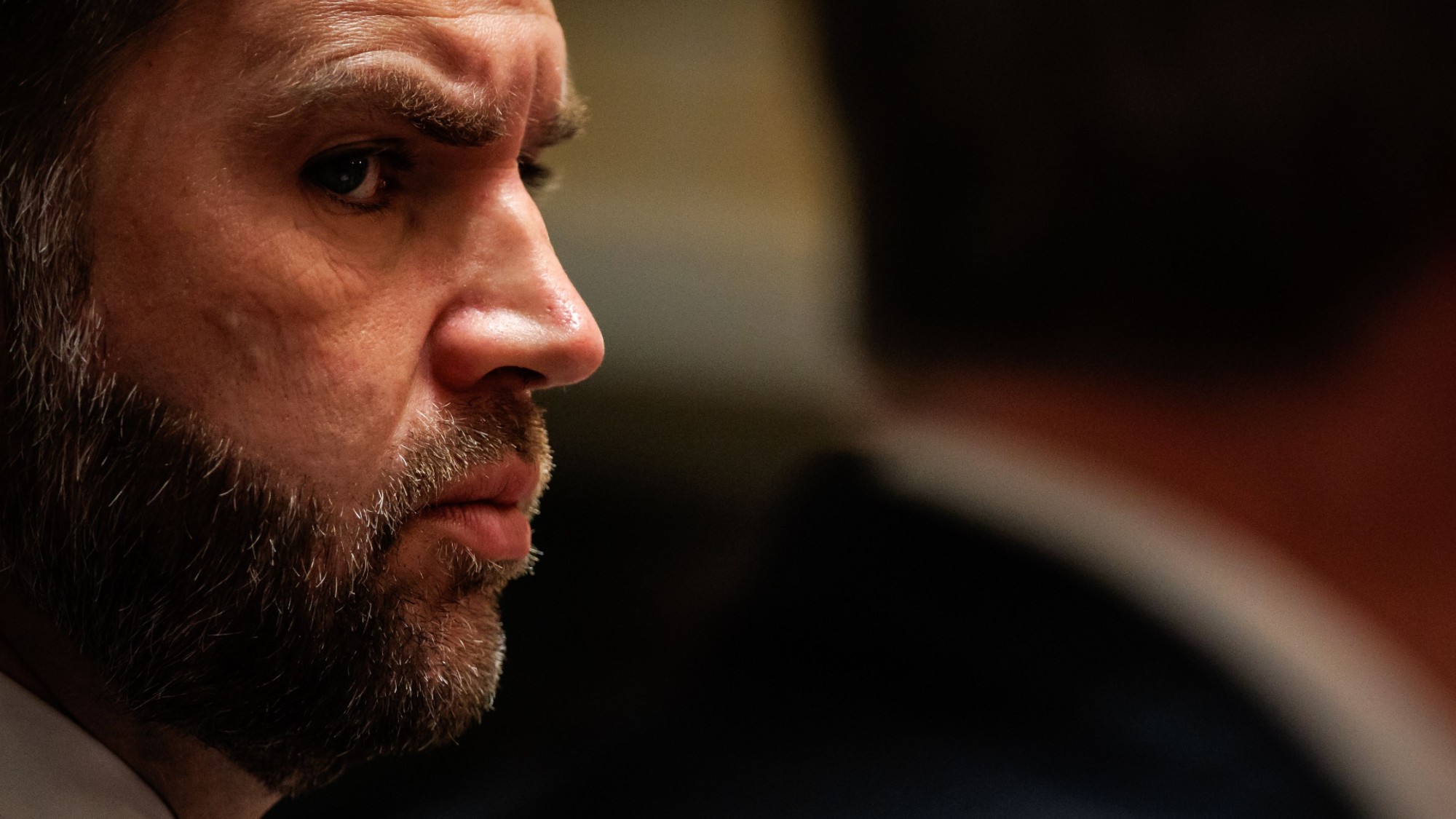
    Why does J.D. Vance have it in for Britain?

    The US vice president is the “most outspoken member” of an “evangelistic” administration pushing for Christian nationalism and opposing immigration, said The Times. And he has a “particular focus on the UK”. J.D. Vance has weighed in on protests around abortion clinics and alleged “infringements on free speech”, and now he’s using the murder of British student Henry Nowak to “bolster” his narrative of Britain “pandering to liberalism”. 

    Vance claimed on X last week that Nowak would “still be alive” if Britain and Europe had “stood their ground against the politics of self-hatred and the mass invasion of migrants”. The “proper response – the only response – is righteous anger”, he wrote.

    What did the commentators say?
    Vance was “surely right” to call out the “politics of self-hatred” in the British justice system, said Ameer Kotecha in The Spectator. It’s “perfectly legitimate” for the US to comment publicly on what is happening in the UK. Our government’s reaction, arguing Vance has “crossed a red line of diplomatic protocol”, has been hypocritical and “frankly pathetic”. Britain is just as guilty. The Labour Party sent 100 activists to campaign for Kamala Harris in 2024. “Rather than engage in shameless pearl-clutching”, Keir Starmer’s government “should listen to what our closest ally is telling us”.

    Interventions like Vance’s are “deepening the split” between the Trump administration and Britain’s government, said Dominic Green in The Wall Street Journal. The division is inherent. Where Vance sees a mission to “stabilise values and societies after decades of self-inflicted confusion”, Britain sees “Bible-bashing and race-baiting”, and hears “only atavistic calls to the wrong kind of identity politics”.

    This “political opportunism” against Britain goes far deeper than the vice president, said James Schneider in The New Statesman. “The exploitation of Nowak’s death is of a piece with a clear US state strategy, one which turns Europe into a source for American rhetoric.” Vance talks about Britain “not as an equal, but as a provincial outpost of the imperial system, nominally independent and permanently available for correction”.

    What next?
    If Vance remains in the White House as vice president, “or even as Trump’s successor”, it’s hard to imagine him “standing idly by” when the UK holds its next general election, said Gaby Hinsliff in The Guardian. At best, the reaction to the Nowak intervention shows us that “plenty of Britons still reflexively dislike being lectured by Americans”. Yet it has also warned us “not to take our political sovereignty for granted”, and that “sooner or later, we may need to defend it”.


    THE EXPLAINER

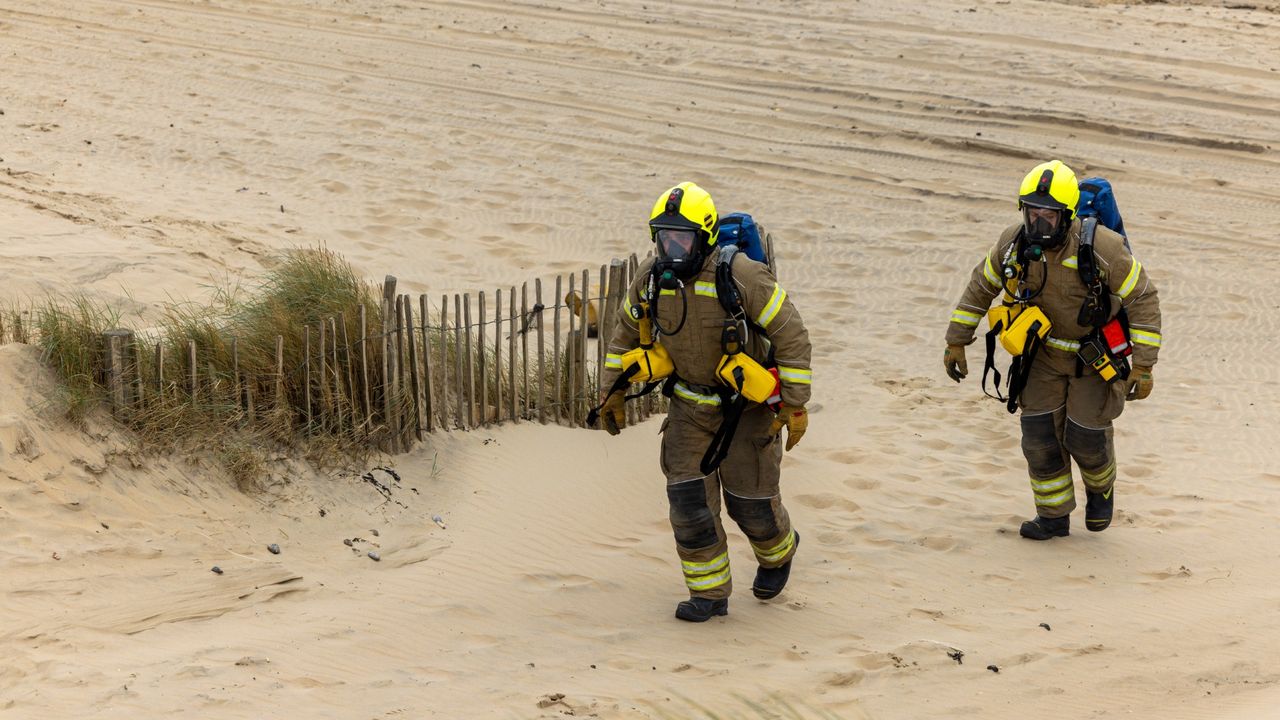
    Civil defence: is the UK ready for the threat of war?

    A year has passed since the UK government published a national security strategy that “raised the spectre of war on the home front”, said Sky News, yet ministers still haven’t issued public guidance on readying for potential conflict. Conversations about homeland defence are “understood to be taking place behind closed doors”, while key local authorities and voluntary organisations appear to be “largely in the dark”.

    What are we talking about here?
    Civil defence is the system of organised, non-military measures that a society puts into place to protect civilians during large-scale emergencies, including war or natural disasters. The aim is to reduce loss of life, minimise damage and ensure local communities are equipped to cope, should disaster strike.

    During the Cold War, a restricted-access Government War Book laid out an array of civil defence measures to prepare the nation for the run-up to an armed conflict, and those plans were regularly rehearsed. In the late 1970s, the government produced “Protect and Survive” leaflets containing advice on self-protection during a nuclear attack.

    Now, “as Europe rearms against Russia”, civil defence readiness has “become just as important as the ability to draft recruits or churn out weapons”, said Rozina Sabur in The Telegraph. But compared with efforts being made by many of its European counterparts, Britain is lagging behind, and risks “sleepwalking into potential disaster”.

    What planning is in place? 
    Britain’s Cold War civil defence plans extended to “every part of UK society”, from central government to parish councils and village schools, said Sky News. What would need to be done to implement measures such as “freeing up space in hospitals and rationing food and fuel” was understood by all involved.

    But since the Cold War ended, successive prime ministers have shied away from the cost of “maintaining structures, organisations, volunteers and supplies” to “endure a war of national survival”, regarding them as “no longer justified”. Emergency planning pivoted to focus on natural disasters, including floods and heatwaves, or “unconventional threats like terrorism and cyberattacks”.

    The Cabinet Office has established a Home Defence Programme to “rapidly build the UK’s preparedness for any potential escalation to conflict”, a government spokesman told Sky News. “Protecting national security is our first duty and we are constantly hardening and sharpening our approach.”


    QUOTE OF THE DAY

    “The first thing I said to these boys is ‘don’t do anything that lands you on the front page of a newspaper’.”

    Head coach Brendon McCullum repeats his advice to the England men’s cricket squad – before the England and Wales Cricket Board launched an investigation into a nightclub “incident” involving captain Ben Stokes and Gus Atkinson following their Test win over New Zealand on Sunday.


    Poll watch

    Almost ten years on from the Brexit referendum, 57% of Brits think quitting the EU was the wrong decision, including 23% of Leave voters. A YouGov poll of 2,114 adults found that 55% want to rejoin the bloc. But if the UK were not allowed its previous opt-outs, support for reversing Brexit drops to 35%.


    IN THE SPOTLIGHT

    The mission to bring the Bayeux Tapestry to London

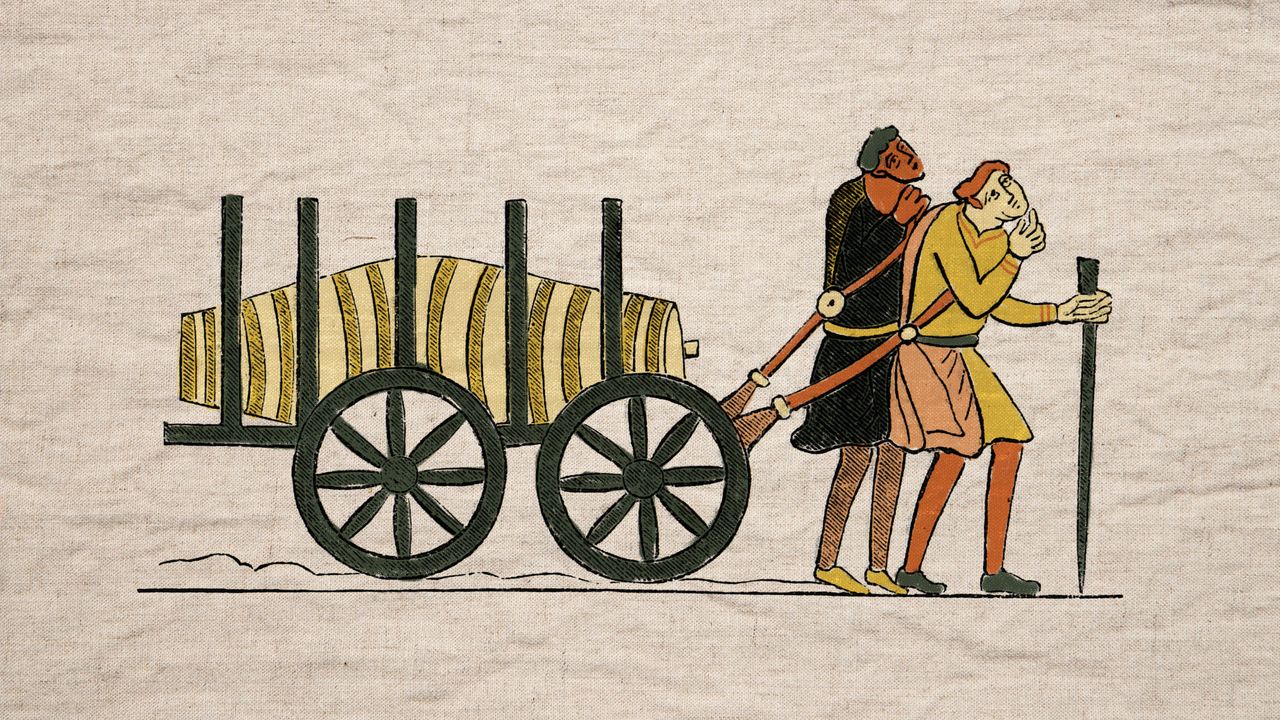
    A “highly secretive journey” is being mapped out to take the Bayeux Tapestry across the Channel to loan to the British Museum, said ITV News. The 70 metre-long embroidery of the 1066 Battle of Hastings is the “single most recognisable and understood object in our history”, former chancellor George Osborne, now chair of the museum, told the Financial Times. “The only thing that comes close is Stonehenge, and nobody’s going to be moving that any time soon.”

    ‘Nothing left to chance’
    The announcement of the 10-month loan, starting in September, “caused uproar” in France, said The Telegraph. La Tribune de l’Art newspaper launched a petition that amassed around 78,000 signatures from people protesting against the move due to the fragile condition of the tapestry. An assessment of the fabric in 2021 found that it contained “24,000 stains, 16,445 creases, almost 10,000 areas of damage and about 30 tears”.

    But a new “highly detailed” report on the arrangements surrounding the tapestry’s transportation has “eased many concerns”, said Le Monde. “Nothing has been left to chance”, said Delphine Christophe, director general of heritage and architecture in the Ministry of Culture.

    ‘Full dress rehearsals’
    British roads – which generate “far more intense and constant vibrations” than their French counterparts – have been the main source of concern, said Le Monde. Teams have tested seven routes, and experts have “mapped every pothole and bump along the route from Bayeux to the British Museum”. Vibrations have now been “reduced by 96%”.

    The tapestry, which has left Bayeux only twice in 950 years, will be transported in a 1.6-ton “specially built climate-controlled crate” that will be “suspended in mid-air” to minimise adverse motion. Two “full dress rehearsals” using a replica have already taken place, while the real tapestry is stored in a “secret location”.

    When it finally arrives, this will be the “museum event of the century”, said Apollo Magazine, but it may not be the easiest viewing experience. Time slots will be limited to 40 minutes. Given the tapestry’s length, “that means each visitor has about 34 seconds to move along the work in 7cm intervals”.


    Good day 🐧

    … for claymation fans, as the Royal Mint celebrates 50 years of Aardman Animations by releasing a collectible 50p coin featuring Morph, Shaun the Sheep, Feathers McGraw and Wallace and Gromit. 


    Bad day 🐍

    … for Britain’s adders, which are at risk of extinction, according to a report from the West of England Nature Partnership. The snakes are facing “intense habitat loss” driven by building projects, road developments and agricultural expansion, the conservationists warn. 


    PICTURE OF THE DAY

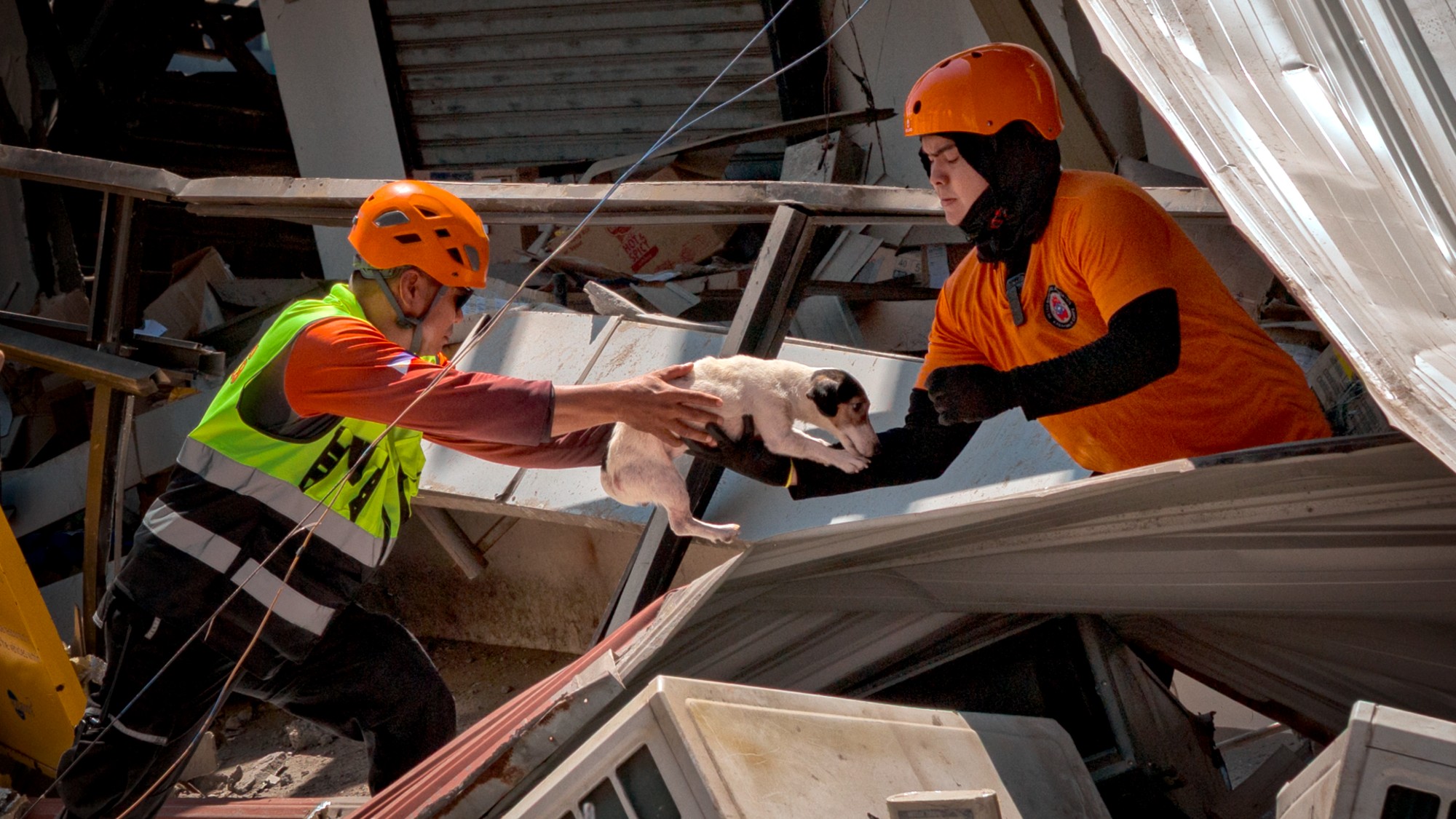
    Rescue team

    Emergency workers search for earthquake survivors with the help of a sniffer dog in Sarangani province in the Philippines. A Magnitude 7.8 quake flattened buildings and triggered landslides after hitting off the coast of Mindanao island yesterday, leaving at least 37 people dead.

    Ezra Acayan / Getty Images


    Puzzles

    Chain Word

    Try The Week’s new daily word challenge in our puzzles and quizzes section

    Play here


    THE WEEK RECOMMENDS

    Travel back in time on these British heritage railway trips

    Britain has nearly 600 miles of heritage railway track, running through some of the country’s most beautiful landscapes. Here are some of the best train lines for fans eager to jump on board.

    Strathspey Railway
    This “foremost heritage railway in Scotland” is a 10-mile run from “Aviemore, the adventure capital of the Cairngorms, down the valley of the River Spey to Broomhill”, said The Times. Expect scenic views of “mountains looming in the background”, with “midway” access to Boat of Garten, “famous for the RSPB’s osprey conservation project”. It’s common for passengers to stay on for the return trip, but some disembark at Broomhill to get to Speyside Way, a “cycle and hiking route partly on disused trackbed” where they can “wander through whisky country”.

    The Settle & Carlisle Line
    “No other railway in England can hold a candle” to the trainline linking Leeds to Carlisle, said Anthony Lambert in The Telegraph. This is mostly due to the “grandeur of the rugged Pennine valleys” and the “many viaducts that span them”, including the “famous” Ribblehead. Watching the “majestic peaks” gliding past outside, it’s easy to see why this is the “most popular” of Network Rail’s steam train routes.

    West Somerset Railway
    This 20-mile route is Britain’s “longest preserved railway”, said Lambert. Starting at Bishops Lydeard, the journey includes views of the “Quantocks on one side and the Brendon Hills on the other”. Some of the stations along the route are Stogumber, where visitors can access the famous Bee World, and Dunster, known for its “National Trust-run castle and idyllic high street”.


    Statistic of the day

    33: The age of Edward Bluemel, who is to be the youngest ever Poirot after being cast in a BBC reboot of Agatha Christie’s detective series. David Suchet was 42 when he landed the role of the Belgian sleuth, while Peter Ustinov was 57 when he made his Poirot debut in “Death on the Nile” in 1978. 


    instant opinion

    Today’s best commentary

    The jobs apocalypse facing our graduates
    Daily Mail’s editorial board
    We’re “at the start” of a “revolution in the world of work”, says the Daily Mail. And it’s threatening the futures of the “educated young”. AI is “wiping out the lower rungs of their career ladders”, and “entry-level jobs are disappearing fast”. Saddled with debt and facing a “bleak” jobs landscape, “is it any wonder they feel cheated by the system”? Going to university “was once the pinnacle of educational ambition”; now, many school leavers don’t see the point.

    First question, Andy Burnham: can you handle the hate?
    James Marriott in The Times
    “Labour’s King of the North” is “bouncing around Makerfield” enjoying the “cheers, hugs” and “selfie requests” of “adoring locals”, writes James Marriott. But “going into 21st-century politics expecting to be liked is like walking into the Roman Colosseum expecting to pet the wildlife”. If his bid to become PM succeeds, will Andy Burnham be “able to endure” the inevitable “screaming Niagara of online loathing”? No politician “should seek high office without being confident that they could”.

    Is Switzerland tired of prosperity? I can think of no other reason for our next foolish referendum
    Joseph de Weck in The Guardian 
    My country has made a “remarkable ascent from peasant backwater to high-tech economy”, writes Swiss political scientist Joseph de Weck. But now “far-right” politicians have forced a referendum on a population cap – and “polls suggest the vote will be on a knife edge”. If it passes, “Berne would be required to terminate its agreement with the EU” on free movement. Our infrastructure is “strained”, but this “Swiss Brexit by stealth” would “dismantle the very openness that made it prosperous”.


    word of the day

    Allotment-core

    “The Venn diagram overlap between fashion and gardening in theory shouldn’t exist,” said Stephen Doig in The Telegraph. Yet designers and style icons are embracing a new allotment-core aesthetic. Mary Berry has been modelling Holland Cooper’s new gardenwear collection, while Monty Don is the face of Barbour, and a “new contingent” of on-trend horticulturalists have “amassed a harvest bounty of followers on Instagram”. 


    Evening Review was written and edited by Hollie Clemence, Rebecca Messina, Irenie Forshaw, Will Barker, Chas Newkey-Burden, Deeya Sonalkar, Adrienne Wyper, Helen Brown and Kari Wilkin, with illustrations from Julia Wytrazek.

    Image credits, from top: Samuel Corum / Pool / EPA / Shutterstock; Andrew Aitchison / In pictures / Getty Images; illustration by Julia Wytrazek / Getty Images; Ezra Acayan / Getty Images; John Bracegirdle / Alamy

    Morning Report and Evening Review were named Newsletter of the Year at the Publisher Newsletter Awards 2025
     

    Recent editions

    • Morning Report

      US warns UK against social media ban for kids

    • Evening Review

      Iran war: new dangers ahead?

    • Morning Report

      Iran launches fresh strikes on Israel

    VIEW ALL
    TheWeek
    • About Us
    • Contact Future's experts
    • Terms and Conditions
    • Privacy Policy
    • Cookie Policy
    • Advertise With Us
    • FAQ
    Add as a preferred source on Google Add as a preferred source on Google

    The Week UK is part of Future plc, an international media group and leading digital publisher. Visit our corporate site.

    © Future Publishing Limited Quay House, The Ambury, Bath BA1 1UA. All rights reserved. England and Wales company registration number 2008885.