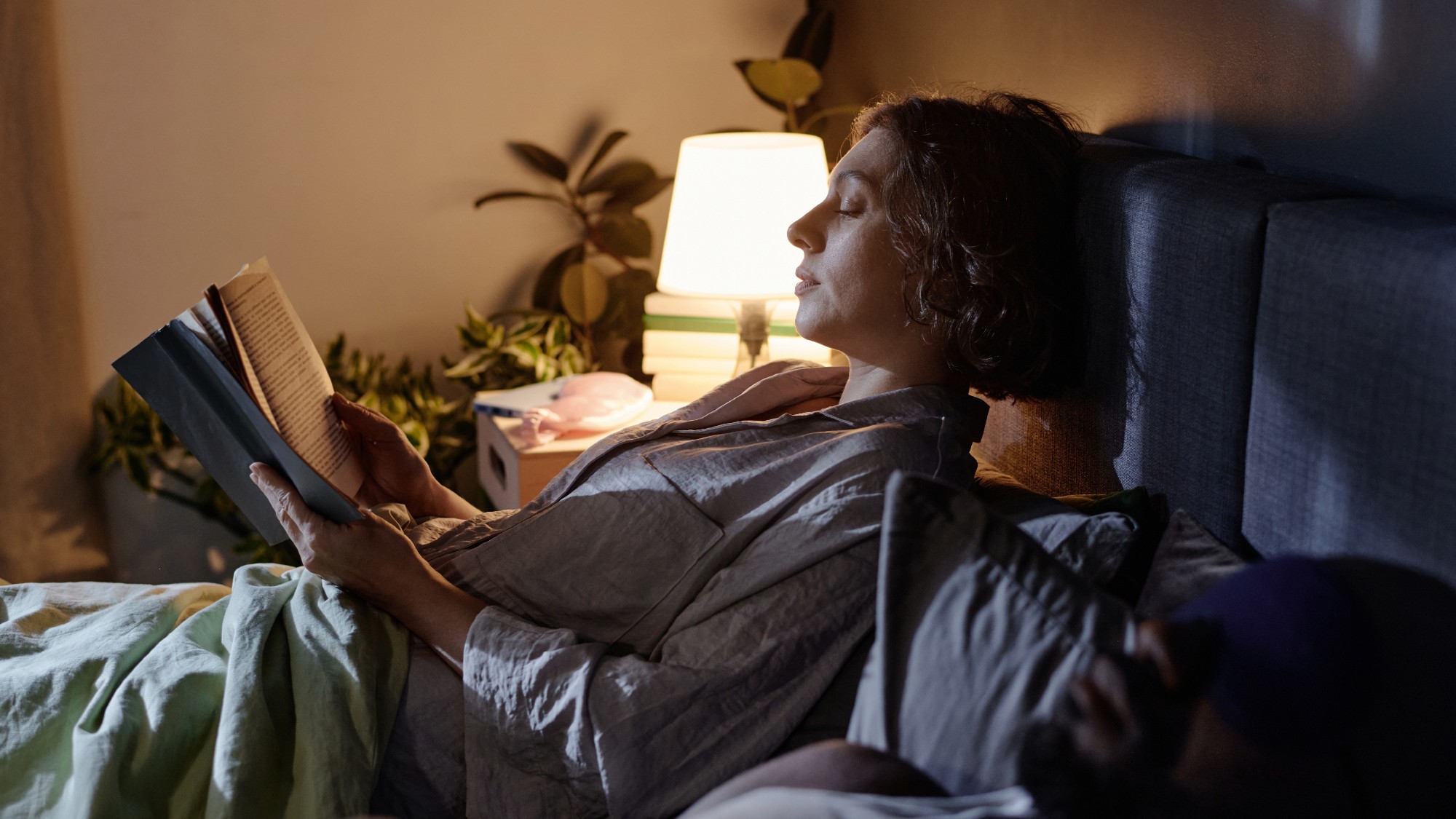
Biphasic sleep means two distinct sleep periods in 24 hours instead of one. Some researchers suggest that it may be a more natural rhythm, even if the biological reasons for it are still being debated.
The concept has “captured the interest of many today”, according to MediaFeed, and a number of people are “experimenting with segmented sleep patterns”. Its supporters say the benefits include “improved restfulness and better management of insomnia”.
During pre-industrial times people often slept in two blocks. Professor Roger Ekirch, a historian at Virginia Tech, found that sleeping in two halves was the “predominant pattern” in the Western world until the mid-19th century. A “typical family” would “go to bed around nine, wake naturally after midnight for an hour or so – for prayer, chores, conversation – then sink back into what they called their second sleep”.
This changed when artificial light transformed the “economics of the night” and gas lamps “began lighting London’s streets in 1807”. As a result, “people stayed up later, and the gap between the two sleeps narrowed and eventually closed”.
But Ekirch believes that the old approach hasn’t fully disappeared because the prevalence of “middle-of-the-night insomnia” represents a “persistent echo, a relic of this earlier pattern of sleep”.
A study in 1992 sought to discover whether, without industrialisation, humans would have remained natural biphasic sleepers. But the experiment drew criticism. In 2023, Dr Niall Boyce wrote in the journal Medical History that its findings were “dubious” and suggested that the participants were simply restless.
Other experts have warned that biphasic sleep could have health risks, including those resulting from the disruption of circadian rhythms. However, Dr Line Victoria Moen, a researcher at Norway’s National Institute of Occupational Health, points out that all existing research on the topic is “fragmented” because some studies treat biphasic sleep as “one long sleep plus a brief nap”, but others “count only two equal periods”, so there is “no agreed definition”. |