The Week The Week
flag of US
US
flag of UK
UK
https://cdn.mos.cms.futurecdn.net/flexiimages/jzblygzdxr1769609154.gif

SUBSCRIBE

Try 6 weeks free

Sign in
  • View Profile
  • Sign out
  • The Explainer
  • Talking Points
  • The Week Recommends
  • Podcasts
  • Newsletters
  • From the Magazine
  • The Week Junior
  • More
    • Politics
    • World News
    • Business
    • Health
    • Science
    • Food & Drink
    • Travel
    • Culture
    • History
    • Personal Finance
    • Puzzles
    • Photos
    • The Blend
    • All Categories
  • Newsletter sign up Newsletter
  • The Week Evening Review
    Nato summit in Turkey, sick leave around the world, and a new dawn for British telly

     
    TODAY’S BIG QUESTION

    Nato summit: the most consequential in years?

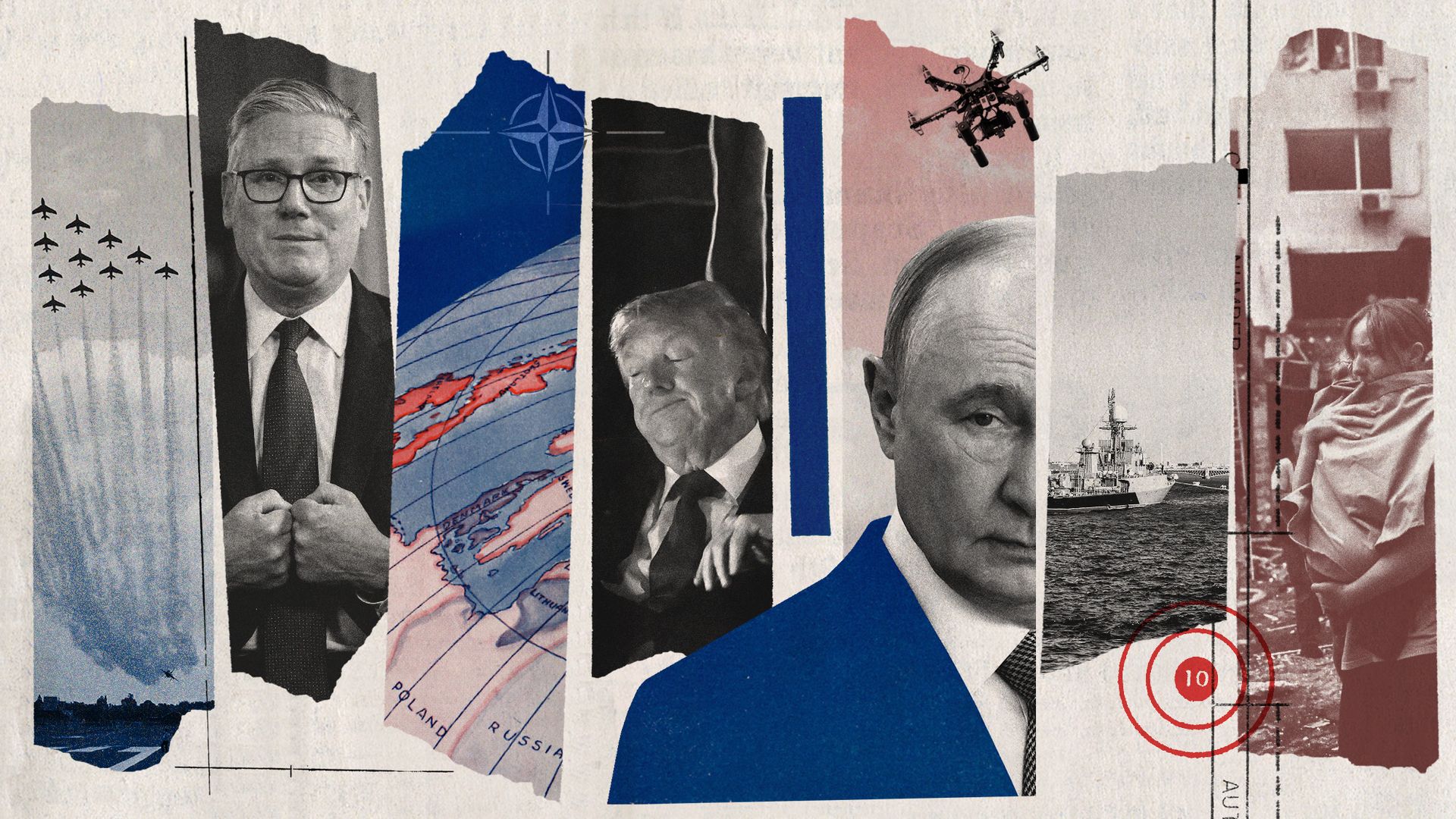
    All eyes will be on Donald Trump as Nato leaders gather in Ankara tomorrow following his administration’s warning that allies must step up defence spending “immediately” or face consequences.

    This year’s summit is “expected to move the debate from pledges to implementation”, said Elsa Ohlen on CNBC, and raise “questions about procurement, industrial capacity, support for Ukraine and the political architecture of what the Trump administration has called ‘Nato 3.0’”. 

    “This is really the Nato summit where Nato goes from burden sharing to burden shifting,” said Ulrike Franke, senior policy fellow at the European Council on Foreign Relations.

    What did the commentators say?
    Nato is “both stronger than it was 18 months ago, when Trump returned as US president, and a lot weaker”, said the Financial Times. It is in “better shape” largely thanks to pressure from Trump to get non-US members to spend more “investing in readiness and rearmament”. But the alliance is also “much weaker because confidence that the Trump administration would stand by its allies if they are attacked has cratered”. The US, under the unpredictable president, also seems “to lack the discipline to come up with a burden-shifting plan”.

    That is why this week’s summit in Turkey has been described as “one  of the most consequential” in years, said Radio Free Europe’s Washington correspondent Alex Raufoglu. As the US seeks a “more balanced transatlantic partnership”, it is looking for clear signs that “this relationship is becoming more equal – not only financially, but strategically”.

    The “expected focus is on industrial outputs”, but the allied “will to fight back to back is no less important than material defence readiness”, said  Visegrad Insight editor Wojciech Przybylski. “Russia knows it better than most” and so this week’s summit will “test the political resolve – whether Western leaders can still project unified purpose and unambiguous strategic intent”.

    What next?
    Trump is “thought to be planning to reward or punish countries based on their defence spending”, said The Telegraph. Those with higher spending are likely to be moved “up the queue for the purchase of US weapons and mean they are invited for more face-to-face meetings with the president”.

    This “threatens to put the US president on a collision course with Britain”, after Keir Starmer failed to secure a fully funded defence investment plan ahead of the start of the summit. 


    THE EXPLAINER

    The sick leave rules around the world

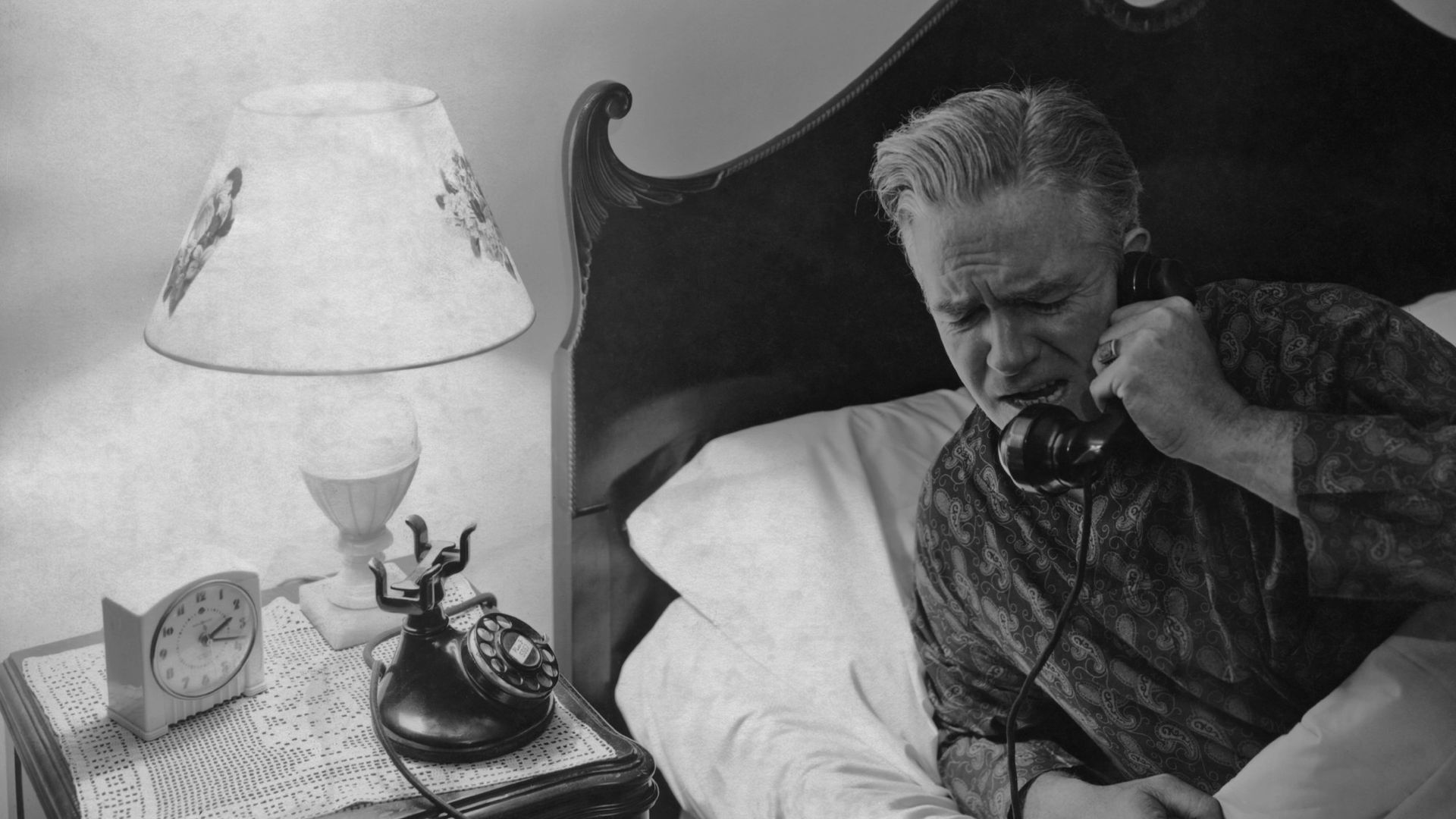
    There may have been a few sore heads and impeccably timed phone calls to bosses in England this morning after last night’s World Cup win over Mexico. But football fans must be thankful they don’t live in Germany, where workers will have to report to a doctor in person to get a sick note on the first day they are ill under sweeping new reforms.

    What is Germany doing?
    “The number of sick days is too high,” said Friedrich Merz, the German chancellor, announcing the plan.

    The “tough” new rules are “aimed at boosting Germany’s stagnating economy”, said The Telegraph. Although they will be “welcomed” by employers, they have “angered” the country’s “powerful trade unions”. The services sector union, Verdi, accused Merz of creating a “culture of distrust of employees”.

    What are sickness policies like elsewhere?
    In the Netherlands, employers are generally obliged to pay employees on sick leave 70% of their wages for up to two years. Norway is even more generous: it provides up to a year of income replacement at 100% of salary (subject to an earnings cap).

    Although the US is one of the richest countries in the world, there is no nationwide entitlement to paid sick leave, so access depends largely on state laws, local ordinances and employer policies. 

    In the UK employees who earn over £125 a week and are off sick for four or more days in a row, are entitled to £123.25 per week of statutory sick pay for up to 28 weeks. This equates to around 15% of the average UK weekly wage. Employees need to give their employer proof if they’re ill for more than seven days. Many employers have a sick pay policy that is more generous.

    How many sick days do people take?
    In 2025, 149 million working days were lost to sickness or injury in Britain – an average of more than four days per worker. On average, Americans take roughly one to three days of sick leave per year. In Germany, workers take about three weeks, or 15 working days. This is lower than in France, but higher than Sweden, the Netherlands, Denmark, Poland and Italy.


    QUOTE OF THE DAY

    “Red cards are not overturned by political phone calls.”

    Former Fifa president Sepp Blatter commenting on the football governing body’s shock decision not to uphold the USA’s Folarin Balogun’s automatic ban at this World Cup. The decision came after Donald Trump phoned the current Fifa president Gianni Infantino to protest against Balogun’s suspension. Blatter was replaced by Infantino in 2016 after his own corruption scandal. 


    Poll watch

    A narrow majority (51.7%) of the UK population would support compulsory voting at general elections. In a poll of 3,327 adults conducted by Convergent Opinion on behalf of the Campaign for Compulsory Voting, 44.4% also backed it for local elections.


    IN THE SPOTLIGHT

    Sky’s purchase of ITV: a new dawn for British television

    Sky’s £1.6 billion acquisition of ITV is yet another sign of the “seismic consolidation” taking place between media companies trying to compete with the major streaming platforms, said Deadline.

    But with its public service broadcast contract set to expire in 2034, and no guarantee this will continue, ITV’s deal could change the complexion of British commercial broadcasting.

    ‘Media landscape may look very different’
    Sky, and its US owner Comcast, will now have access to the 21 million households reached by ITV, as well as a greater share of advertising spend at a time when broadcasters are “facing an uncertain future”, said the Financial Times. 

    Sky and ITV are required by law to continue free-to-air service until at least 2034. Sky will also have to commission a proportion of programmes made outside London, and honour the contract for ITN’s news bulletins for ITV until 2031.

    As a public service broadcaster, Sky could also bid for “‘listed’ crown jewel tournaments” – shown on free-to-air channels – such as the Olympics and the Grand National, said the BBC’s Katie Razzall. Sky is also guaranteed a “prominent position” on TV home screens, and in an “ever more competitive world, prominence matters”. But in eight years’ time, the “media landscape may look very different”.

    ‘Last stand’ against streamers
    This long-rumoured deal unites the UK’s two largest commercial broadcasters in an attempt to “bulk up” against the streaming giants, said the FT. The British media industry has experienced a “period of radical change” in the last 20 years, and companies such as YouTube and Netflix pose an “existential threat”.

    No longer will there be a binary “broadcast versus streaming” battle, said Forbes, but a series of “connected ecosystems that combine premium content, intelligent data and measurable commercial outcomes”. 

    This deal looks “less like a monopoly and more like a last stand”, said The Drum. For years, the British media market maintained a “stable” competition between its three biggest players: BBC, ITV and Channel 4. But with the arrival of “better-capitalised” generalist streamers like Netflix, YouTube and Disney+, not only was the structure disrupted between the old broadcasters, suddenly “they weren’t even one of the three” leaders.


    Good day ⚽

    … for learning a language, after findings from a study being presented at the Federation of European Neuroscience Societies conference in Barcelona found that the more languages you speak, the younger your brain is. The study found that those who spoke two languages had brains that appeared around six years younger than those who spoke only one language. People who spoke three languages had brains that appeared around seven years younger, and for those who spoke four languages, their brains appeared about 13 years younger.


    Bad day 🇦🇺

    … for Anthony Albanese, after the Australian PM was forced to apologise for nominating Kylie Minogue for all three categories while playing a “shag, marry, date” game on a comedy podcast. After initially attempting to dodge the question, Albanese replied: “Oh, Kylie, clearly.” The comments drew criticism, with one MP describing them as “crude locker room talk” that was “embarrassing to Australians”.


    PICTURE OF THE DAY

    Ready for anything

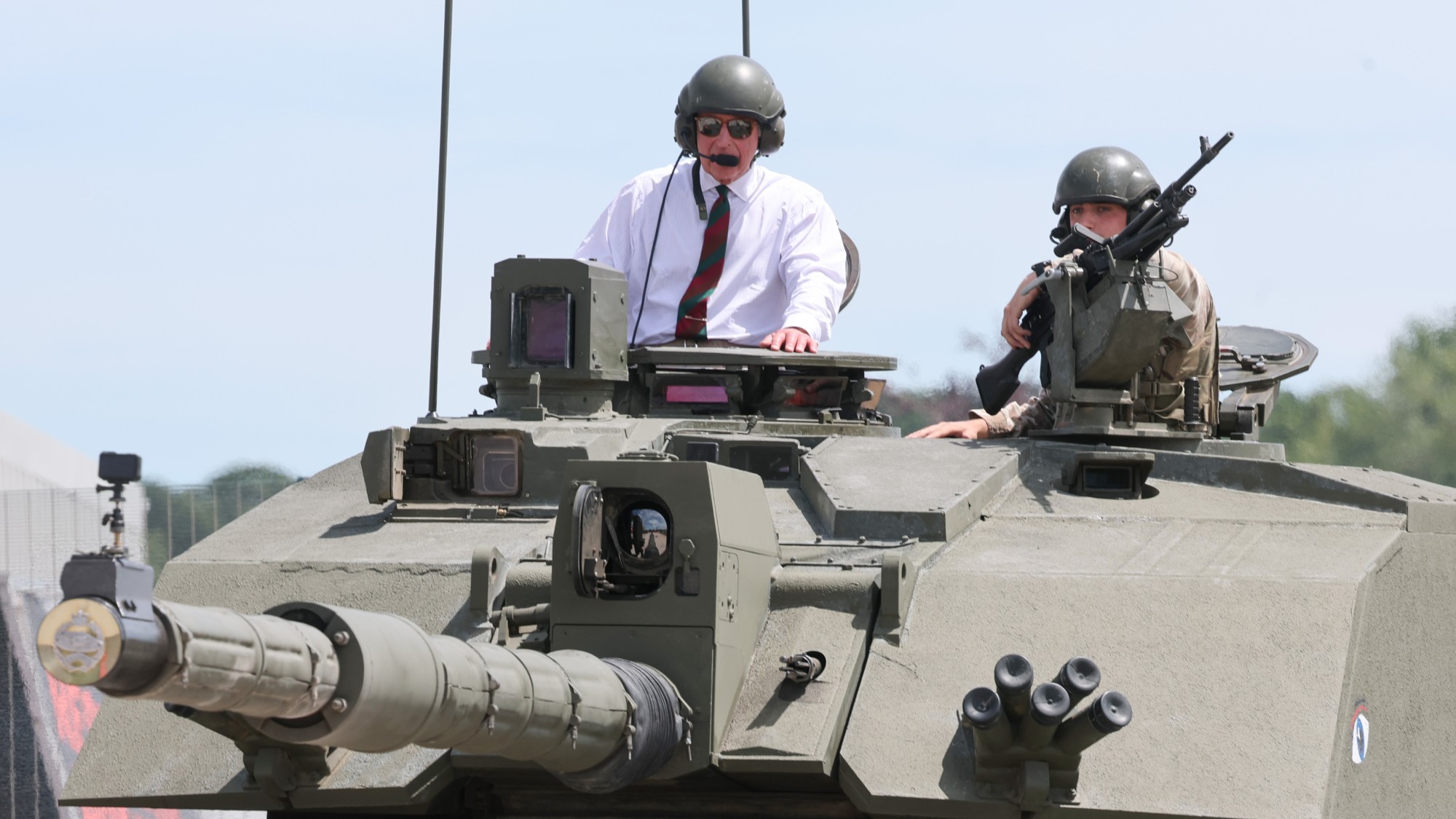
    King Charles rides in a Challenger 3 tank during the Royal Tank Regiment’s Families’ Day at the Tank Museum in Dorset. There was further royal controversy today concerning Prince Harry as Buckingham Palace said he would not be staying at the palace during his visit to London this week, despite Harry’s team announcing this morning that he had accepted an invitation to do so.

    Chris Jackson / Getty Images


    Puzzles

    Chain Word

    Try The Week’s new daily word challenge in our puzzles and quizzes section

    Play here


    THE WEEK RECOMMENDS

    The best parlours to enjoy an ice cream by the sea

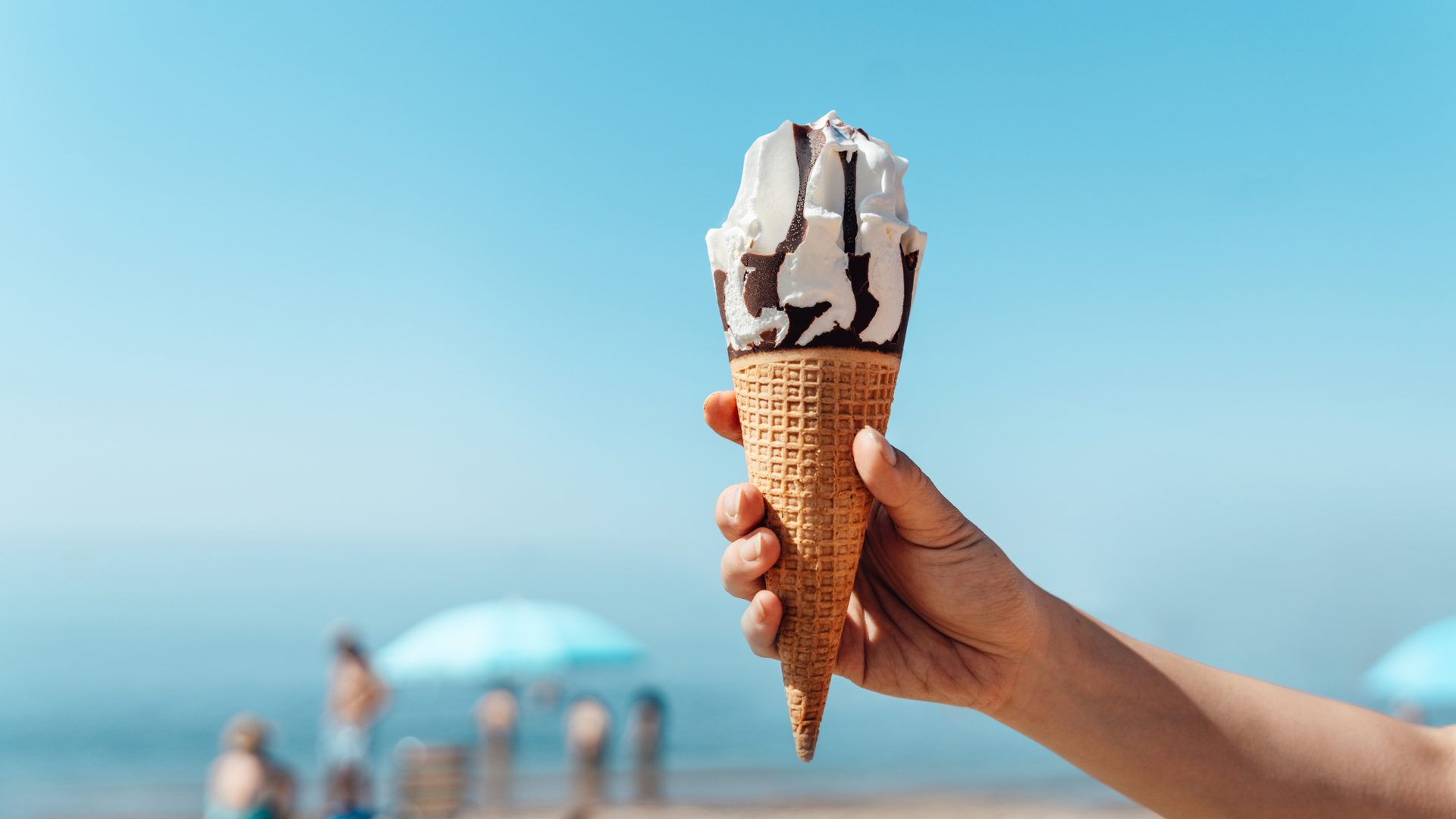
    As the scorching weather returns, the best way to cool down is with an ice cream by the sea. The UK’s coastal towns are peppered with parlours serving everything from rich, creamy gelato, to refreshing sorbets and conefuls of quirky flavours. Here are some of our favourite spots.

    Joe’s Ice Cream, Mumbles, Swansea
    This century-old family-run parlour in Mumbles is a “local cult”, said Felicity Cloake in The Times. It also has branches in Cardiff and Llanelli. There are rules: “always order the vanilla”, which is “churned fresh every day” and has a “distinctly savoury edge”. You’ll also find huge sundaes here, and a knickerbocker glory that owner Adrian Hughes thinks is “far too big for one person. Believe me, it’s not.”

    Jannetta’s Gelateria, St Andrews, Fife
    “If you’ve ever visited St Andrews in winter, you’ll appreciate just how good Jannetta’s gelato must be to have stuck it out in South Street for the past 118 years,” said Cloake in The Times. When it comes to choice you’ll be hard pressed to find better: the parlour serves 54 flavours that make use of locally sourced ingredients like Fife tayberries and Dundee marmalade. Expect long queues when it’s hot but the samples on offer while you wait “sweeten the deal”.

    Rossi’s Ices, Weymouth, Dorset
    “Forget your standard vanilla,” said Judy Cogan in The i Paper. At Rossi’s, the Figliolini family “let the natural taste of the cooked milk shine”. They’ve been scooping here since 1937 and certainly know a thing or two about how to make and serve ice cream properly. Expect everything from banana splits and chocolate sundaes to affogato and ice cream sodas.


    Statistic of the day

    6: The number of clearances England defender Dan Burn made despite only coming on in the 75th minute of last night’s game against Mexico. It was the joint most clearances of any player in the match and the most made by a player subbed on that late in a World Cup game since 1966, according to Opta.


    instant opinion

    Today’s best commentary

    Burnham will soon be just as loathed as Starmer
    Simon Heffer in The Telegraph
    “Mr Popularity” might “all too easily become Mr Unpopularity”, writes Simon Heffer. “To govern is to choose” but, so far, Andy Burnham’s “promises” are “inherently paradoxical”. He must “face reality”, “stop infantilising the electorate” and “have an honest, adult conversation with them”. We can’t fund a “something-for-nothing” society any longer, so “people must stop being incentivised to claim welfare benefits”. But saying that would make him “deeply unpopular with his clientele”, so Britain will remain a “shambolic failure”.

    My nine-year-old son Mohammad, killed by Israeli soldiers, is not just another number
    Aliyah Abdel Majid al-Halaq in The Guardian
    “I always knew” that the “occupation” was “built on violence, humiliation and fear”, writes Aliyah Abdel Majid al-Halaq, but I always told myself that “our children could still grow up happy”. When the Israeli army killed my nine-year-old son Mohammad, and his blue school uniform “turned red”, that “fragile belief was taken from me”. As well as “a soldier who pulled the trigger”, there’s “a system that protects those responsible” and “a world that remains silent”.

    The anti-sex, anti-fun godmother of Nimbys who gummed up modern Britain
    John Oxley in The i Paper
    Mary Whitehouse, who died 25 years ago, “may have had the morality of an early 20th-century evangelical”, writes John Oxley, but she “had the instincts which created modern politics”. She was the “godmother” of “Nimby-ism and pressure groups”, who waged “censorious campaigns” and “harangued her targets” because she “grasped” that “the age of deference was over”, and institutions would “bow to pressure”. The result is “tortuous governance” where “policy victories are rarely won but instead are endlessly contested”.


    word of the day

    Rethicken

    The process of thickening something again. In the Arctic, scientists have celebrated success in their attempts to rethicken Arctic sea ice by pumping seawater on to it in winter and letting it freeze into a reinforcing layer. In a new study published in the journal Earth’s Future, researchers indicate that both the thickness and brightness of sea ice can be enhanced significantly on small scales by making the ice more reflective, and therefore more resilient to melting.


    Evening Review was written and edited by Jamie Timson, Elliott Goat, Chas Newkey-Burden, Will Barker, Irenie Forshaw, Adrienne Wyper, David Edwards and Steph Jones, with illustrations from Julia Wytrazek

    Image credits, from top: Illustration by Julia Wytrazek / Getty Images; Welgos / Archive Photos / Getty Images; Justin Goff Photos / Getty Images; Chris Jackson / Getty Images; Oscar Wong / Getty Images

    Morning Report and Evening Review were named Newsletter of the Year at the Publisher Newsletter Awards 2025
     

    Recent editions

    • Morning Report

      Speculation grows over Farage’s future

    • Sunday Shortlist

      Florian Zeller’s ‘seat-shakingly funny’ farce

    • Saturday Wrap

      Can Spain’s ‘greyhound’ PM outrun scandal?

    VIEW ALL
    TheWeek
    • About Us
    • Contact Future's experts
    • Terms and Conditions
    • Privacy Policy
    • Cookie Policy
    • Advertise With Us
    • FAQ
    Add as a preferred source on Google Add as a preferred source on Google

    The Week UK is part of Future plc, an international media group and leading digital publisher. Visit our corporate site.

    © Future Publishing Limited Quay House, The Ambury, Bath BA1 1UA. All rights reserved. England and Wales company registration number 2008885.