Versatile actor who starred in Jurassic Park and The Piano
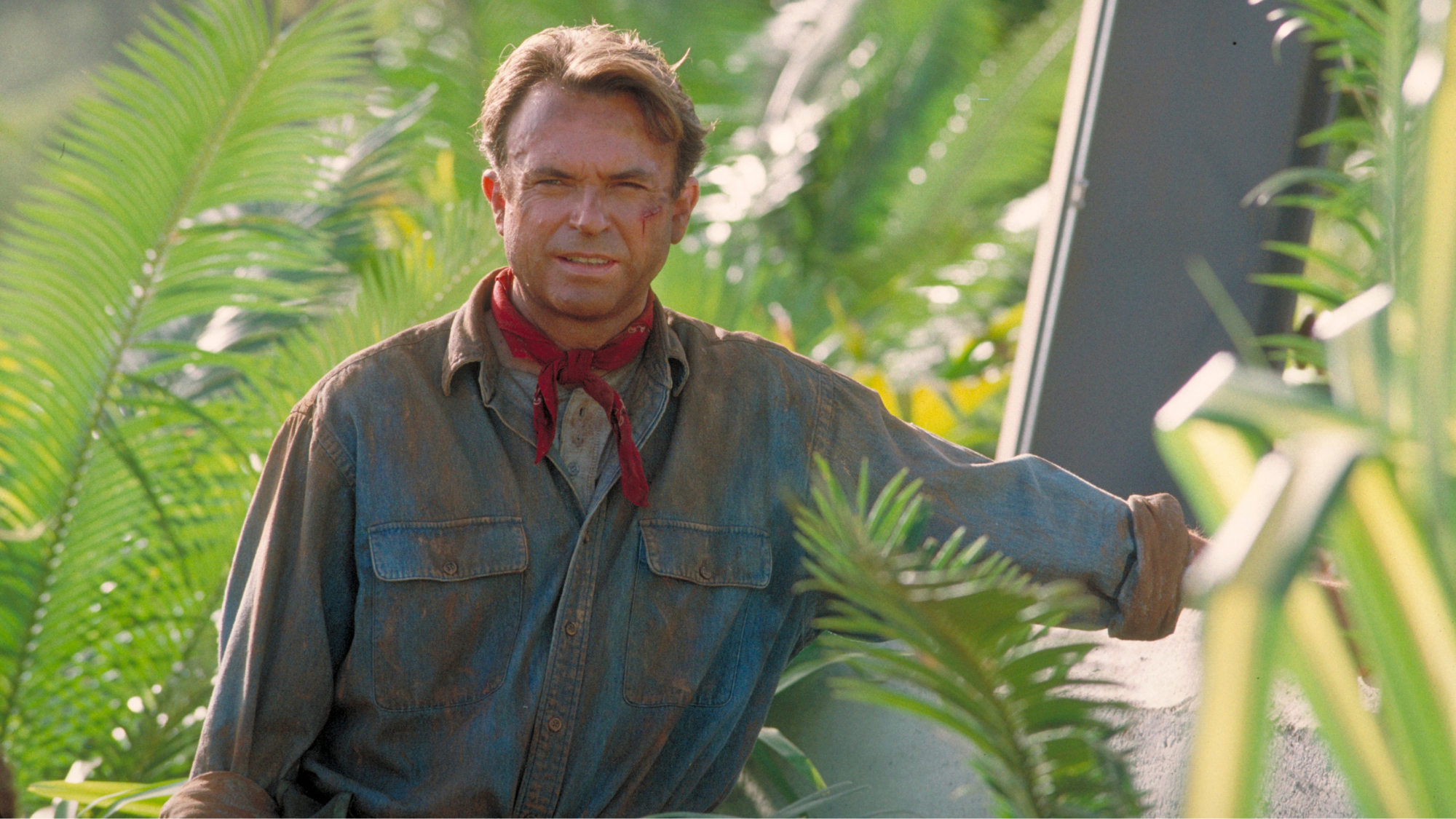
Ruggedly handsome and highly versatile, Sam Neill was catapulted to Hollywood stardom in 1993 when he was cast as Alan Grant, the palaeontologist in Steven Spielberg’s “Jurassic Park”. One of the biggest box-office hits of all time, it remains the film for which he is most widely known, said The Telegraph, yet remarkably, it was not the only seminal movie in which he starred that year. Neill, who died of pneumonia last week, aged 78, also had a leading role in Jane Campion’s arthouse sensation “The Piano”. Set in his home country of New Zealand, it won numerous prizes, including three Academy Awards and the Cannes Palme d’Or, and, though none went to him, he was immensely proud of having been involved in it. “I don’t think I can overestimate how important ‘The Piano’ is for me in hindsight,” he wrote in 2023. “It sits on my funny old CV like a medal on my chest.”
Nigel John Dermot Neill was born in Northern Ireland in 1947, to a New Zealand-born father, who was serving in the British Army, and an English mother. When he was eight, the family relocated to New Zealand – where he changed his name to Sam. He had struggled with the move, and his birth name, he said, had proved to be “a little too effete for a New Zealand playground”. By contrast, Sam “sounds a bit blokey and has a touch of the Labrador about it”. He started acting at school and, after leaving university, he joined a theatre troupe. In 1977, he won a role in “Sleeping Dogs”, set in a dystopian future in which New Zealand is at war. It was the first New Zealand-made feature film to have a theatrical release in the US, and led to him being cast opposite Judy Davis in “My Brilliant Career” (1979). Not long after that, he picked up the phone and heard a voice that sounded strangely familiar. It was James Mason, ringing from his home in Switzerland. He and his wife, Mason explained, had been so impressed by Neill’s performance, they were sending him an airline ticket so that he could join them in Europe, and meet Mason’s agent. With Mason as his mentor, Neill was soon in London, making his first Hollywood film, “Omen III” (1981).
Later in that decade, he turned down the part in “Die Hard” that made Alan Rickman an international star – but then starred with Nicole Kidman in the thriller “Dead Calm”, which attracted Spielberg’s attention, and led to him being cast in “Jurassic Park” (and two sequels). He was briefly in contention to be the next James Bond but, by the mid-1990s, he had settled into playing a wide range of supporting roles. One moment, he was Charles II in “Restoration” (1995), said The Guardian; the next he was “gouging his own eyes out in the science-fiction horror ‘Event Horizon’ (1997)”. Notable later roles included the curmudgeonly farmer who escapes into the bush with his teenage foster son in Taika Waititi’s “Hunt for the Wilderpeople” (2016), and a tough cop in “Peaky Blinders”.
During Covid lockdowns, he entertained himself and cheered up fans by posting offbeat videos made at his farm in New Zealand, where he ran a respected winery and kept a menagerie of animals named after his co-stars; they included a hen called Meryl Streep. After being diagnosed with blood cancer in 2022, he wrote a memoir. “Typical of its self-deprecating tone” was his tale of getting a Porsche and taking it for a spin around London early one morning, only to be spotted at a red light by Australian actor Judy Davis, who tapped on the window and said sternly: “No, Sam. No. Not you, Sam.” Separated from his wife, Noriko Watanabe, he is survived by his four children. He rarely discussed his private life, but had recently told an interviewer that he hoped to be remembered as a kind person. “My exterior is undoubtedly Sam the New Zealander,” he wrote in his memoir. “You might even recognise him. But inside, somewhere very deep, there lives a small shy boy who sounds very different, and his name is not Sam. It is Nigel.”