The Week UK
flag of US
US
flag of UK
UK
https://cdn.mos.cms.futurecdn.net/flexiimages/jzblygzdxr1769609154.gif

SUBSCRIBE

Start your trial today

Sign in
  • View Profile
  • Sign out
  • The Explainer
  • Talking Points
  • The Week Recommends
  • Podcasts
  • Newsletters
  • From the Magazine
  • The Week Junior
  • More
    • Politics
    • World News
    • Business
    • Health
    • Science
    • Food & Drink
    • Travel
    • Culture
    • History
    • Personal Finance
    • Puzzles
    • Photos
    • The Blend
    • All Categories
  • Newsletter sign up Newsletter
  • The Week Evening Review
    Disunited nations, defender of the faith, and the OG Traitor

     
    TODAY’S BIG QUESTION

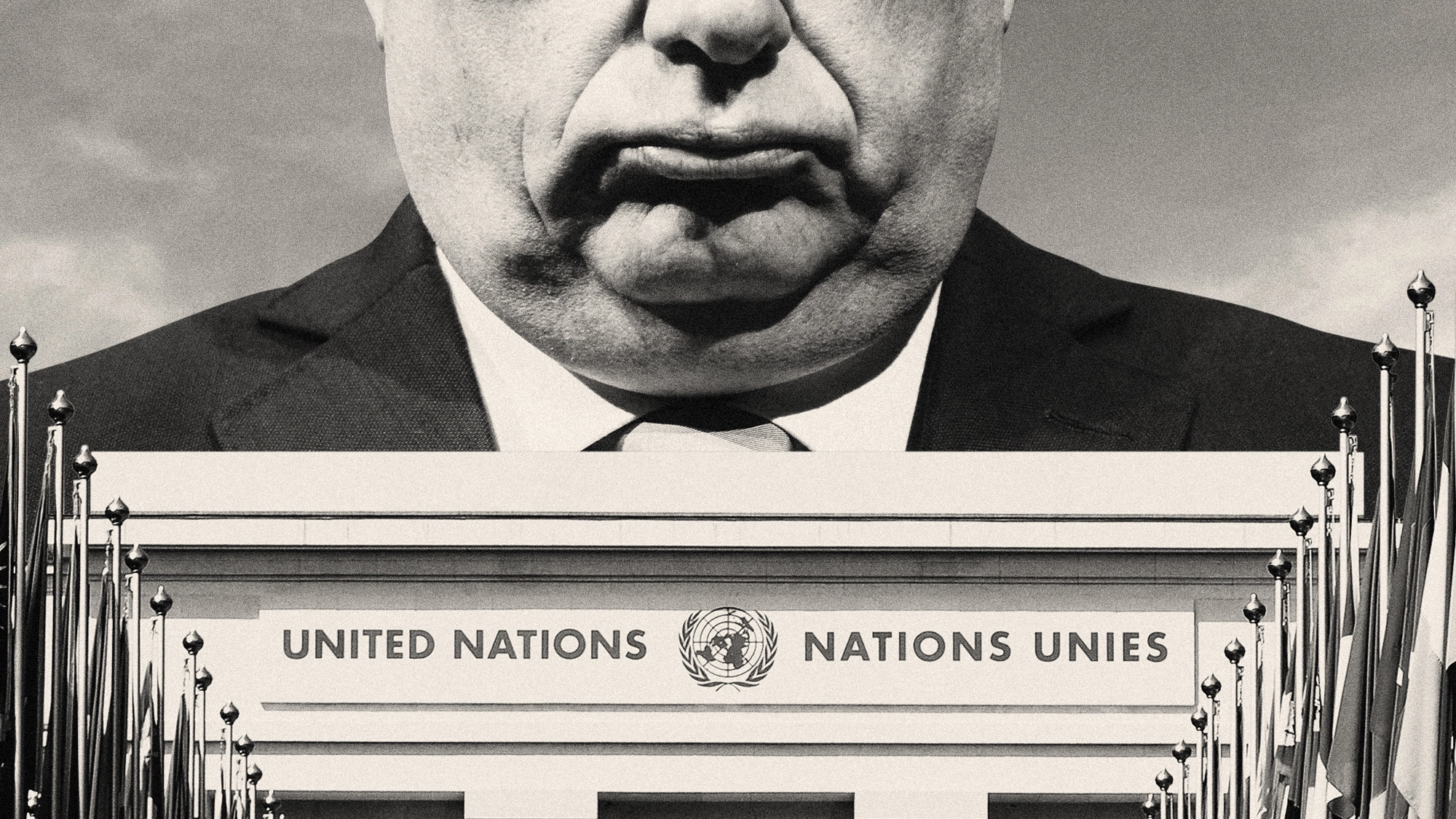
    Is Viktor Orbán being primed for the UN’s top job?

    “It would be strange to think of a person less inclined toward the UN,” said Balkan Insight. But Hungary’s former authoritarian leader Viktor Orbán is reportedly being touted by the Trump administration to be the international organisation’s next secretary general. “You read that correctly,” said The Wall Street Journal in an editorial. 

    What did the commentators say?
    “Failed liberal politicians” often end up in roles at “intergovernmental networks and transnational bureaucracies”, said international relations professor Philip Cunliffe on UnHerd, and Orbán has “a more impressive electoral track record than most liberals elevated to the transnational stage before him”. But in proposing Orbán to replace António Guterres, the Trump administration has “upended diplomatic protocol”.

    There are “plenty of reasons” not to back Orbán, not least because “he would act as an apologist for Vladimir Putin and other dictators”, said the The Wall Street Journal. But the US, Russia and China are all “believed to be supportive” of the plan, and when three of the five permanent members of the UN Security Council want the same thing, “they usually get it”. Orbán would be the “dream Maga-conservative candidate”, a US State Department official told the paper.

    Some “UN watchers” think Orbán is being used “as a ‘stalking horse’ to make the case for another, more pragmatic, contender”, said Josie Esnor in The Times. “Momentum has quickly shifted” towards British-educated Emirati diplomat Lana Nusseibeh, prompting “speculation that she may have been America’s first choice all along”. But Nusseibeh has faced criticism for denying that the UAE is fuelling Sudan’s civil war by supporting the paramilitary Rapid Support Forces.

    What next?
    Guterres’ second five-year term as UN secretary general ends on 31 December. Seven candidates are officially running to replace him, including Nusseibeh but not, yet, Orbán.

    “With all five Security Council permanent members so tied to and dependent on the UAE, it will be no surprise if they eventually wave Nusseibeh through,” said Dino Mahtani on Middle East Eye. “But don’t expect her to act in the interest of the victims of wars, mass atrocities and genocides.”


    The Explainer

    The ‘King Charles is Muslim’ conspiracy theory

    The resignation of a Bromley councillor filmed saying King Charles was a “traitorous” secret Muslim who should be beheaded has brought fresh attention to the conspiracy theory.

    Dean Miller’s baseless remarks, recorded during ITV News’ undercover investigation into Reform UK, follow decades of claims that the monarch, and head of the Church of England, is actually a stealth Muslim who intends to dismantle the country’s Christian identity.

    When did the rumours start?
    The origins of the theory that Charles secretly converted to Islam are hard to trace, but many point to a book published in 1996, called “The Riddle and the Knight: In Search of Sir John Mandeville”. Author Giles Milton quoted the Grand Mufti of Cyprus saying that the then Prince of Wales had become a Muslim during a visit to Turkey.

    The claim caused a huge stir in the British press, at a time when Charles was already deeply unpopular with the public after his divorce and adultery. Buckingham Palace broke with its normal convention of not commenting on speculation to dismiss the book’s assertions as “nonsense”.

    What is the King’s history with Islam?
    Charles is known to have studied the Koran. In 2013, he had six months of private Arabic lessons. He’s long demonstrated a devout Anglicanism, but he is also interested in theological scholarship that argues that “all the great religions share universal truths”, said Middle East Eye. Charles has praised Islam for its view of the universe, nature and spirituality, and said that the West is in debt to Islamic scholars.

    Why has the conspiracy gained traction?
    The King has often spoken of the cultural strengths of classical Islam, but to claim that means he’s a Muslim is almost the “dictionary definition of deranged”, said vicar Marcus Walker in The Critic. Yet the theory is “increasingly being made across social media”, and, shockingly, at “polite dinner parties and on the fringes of academic conferences”.

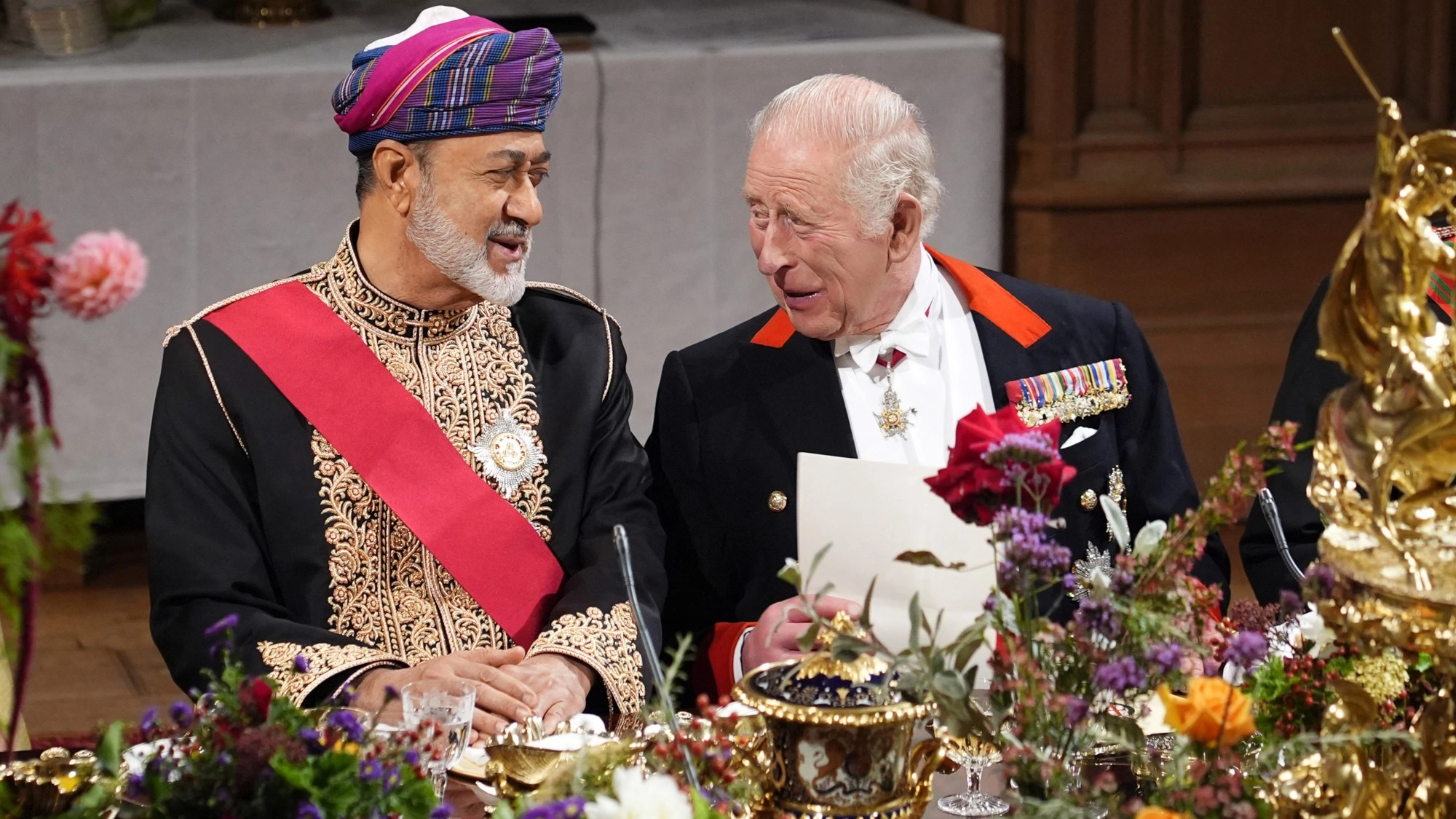
    Last week, during a state banquet for Oman’s Sultan Haitham bin Tariq at Windsor Castle, the King quoted a hadith, a saying of the Prophet Muhammad, in Arabic. A clip of his recitation has since gone viral on social media, adding more fuel to the far-right conspiracy.


    Poll watch

    More than half (56%) of Brits either love or like gherkins, while 25% dislike or hate them, according to a YouGov poll of 5,095 adults. The remainder don’t have strong feelings about the pickles, which will cost less after the government’s tariff cuts kick in next month.


    Statistic of the day

    $6.3 billion: The record total stolen from the world’s largest cryptocurrency exchange by hackers. Binance has suspended withdrawals following the heist and frozen about half of the stolen assets, but said the rest remained in the hands of hackers, believed to be a North Korean unit.


    In the Spotlight

    The murderous mutineer who inspired The Traitors

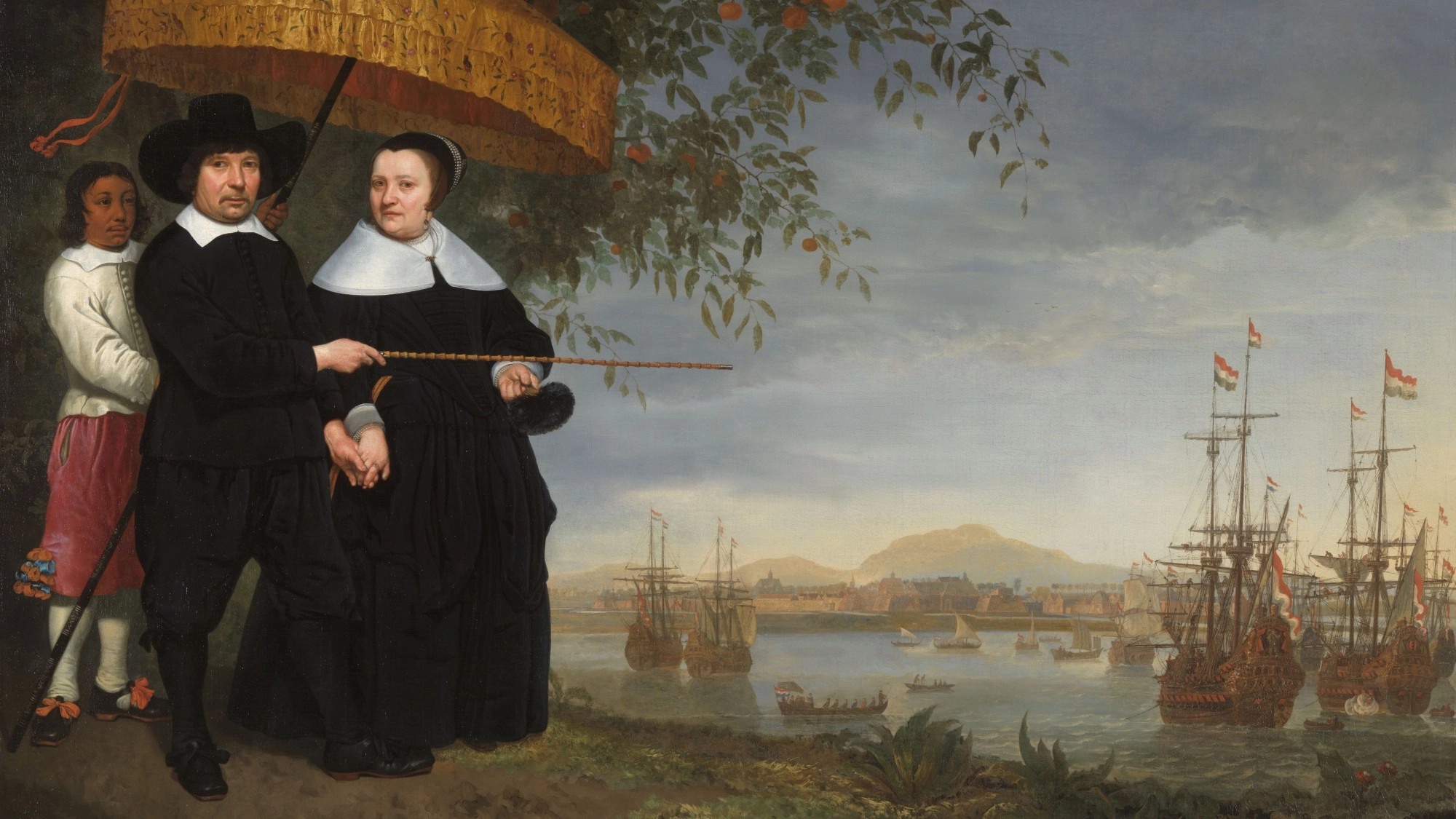
    A 17th-century Dutch mutineer who inspired hit TV show “The Traitors” could have been the world’s first “corporate psychopath”, a new study has claimed.  Jeronimus Cornelisz was put in charge of about 200 survivors after the Batavia, a merchant vessel run by the Dutch East India Company, ran aground off the west coast of Australia in 1629.

    After senior officers set off to seek help in what is now Jakarta, Cornelisz divided the remaining survivors into factions, playing them off against each other. He “quickly installed loyalists on a ruling council, demanded oaths of allegiance and isolated potential opponents”, said The Times. Over the next two months, “his henchmen drowned, strangled, hacked or bludgeoned to death up to 115 men, women and children”. Cornelisz justified the killings as a way of conserving food and supplies, but after a rescue ship arrived, he and six accomplices were condemned to death.

    ‘World’s first psychopathic boss’

    A new study published in the Asian Journal of Business Ethics says Cornelisz displayed all 10 core characteristics associated with psychopathic business leaders. Clive Boddy of Anglia Ruskin University, who conducted the research, said Cornelisz followed the “same playbook we see in toxic workplaces today”. The 30-year-old apothecary-turned-merchant “removed opponents, rewarded loyalists, created fear, manipulated followers and pursued power at any cost”. To put it another way, he was “world’s first psychopathic boss”, said The Telegraph.

    From Cornelisz to The Traitors

    The story of Cornelisz and the Batavia inspired Jasper Hoogendoorn to produce Dutch TV show “De Verraders” (The Traitors), on which the hit UK series is based. “It’s a story about people who murder each other, backstab each other, betray each other,” he told the Edinburgh TV Festival in 2023. It’s “horrible” but “fascinating” and “also exciting”. That’s where “the whole idea” to create the show came from.

    Hoogendoorn said the Dutch show was initially going to be called “The Mutineers” and take place on a replica ship, with contestants pushed into the sea when voted out. But that proved too costly for producers, so the decision was made to change the location to a castle – while keeping the idea of mutiny.


    Good day🌳

    … for roaming the hills, as conservationists complete the purchase of a 9,500-acre estate for a massive rewilding project, after hitting a £30 million fundraising target. About 25,000 people donated to the campaign by The Wildlife Trusts and Northumberland Wildlife Trust to buy the Rothbury Estate for what campaigners described as the “once-in-a-generation opportunity”.


    Bad day💩

    … for striding the streets, as a cash-strapped London council scraps 700 dog-poo bins in a bid to cut costs. Councillors in Conservative-run Hillingdon are asking owners to use standard litter bins instead, but with 14.5 tonnes of faeces previously collected every month, “people are worried there’s going to be dog shit everywhere”, a member of the Ruislip Residents’ Association said.


    picture of the day

    Dearly departed

    A man tends to graves at a cemetery in the Filipino city of Antipolo ahead of All Souls’ Day on Monday. Millions of people nationwide travel to their hometowns for Undas, an annual religious tradition in which families pay tribute to their ancestors through prayers and offerings.

    Ryan Eduard Benaid / ZUMA Press Wire / Shutterstock


    PUZZLES AND QUIZZES

    Quiz of The Week

    Have you been paying attention to The Week’s news? Try our weekly quiz, part of our puzzles section, which also includes sudoku and crosswords 

    Play here


    THE WEEK RECOMMENDS

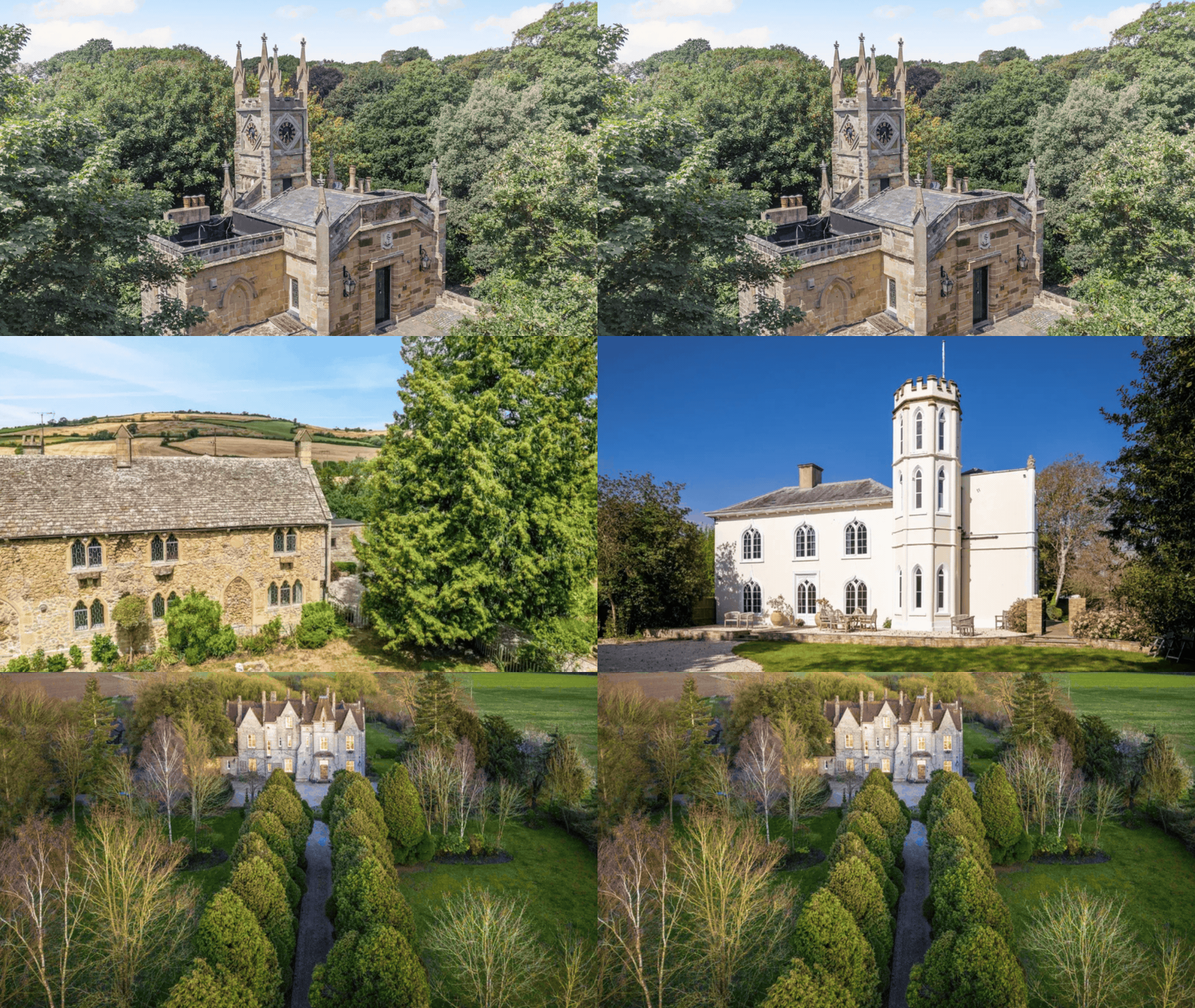
    Properties of the week: striking gothic properties

    Lincolnshire: Northorpe Hall, Northorpe
    This is a remarkable Grade II, Norman-revival mansion with magnificent, ornate interiors and a wealth of gothic detailing. The property is set in approx. 6.5 acres of gardens and rolling parkland. 8 beds, 6 baths, kitchen/ breakfast room, 7 receps, garden, outbuildings, utility, 2 climatecontrolled kennels, plus garaging for up to ten cars.£2.25 million; Strutt & Parker.

    Gloucestershire: East Folly, Gotherington
    Picturesque Grade II, 19th century house, with gothicstyle mullioned windows and far-reaching views, set on the edge of a village. 2 suites, 2 further beds, family bath, kitchen, 3 receps, garden, parking. £875,000; Savills.

    Worcestershire: Bretforton Hall, Bretforton
    An eye-catching Grade II white stucco gothic house set in approx. 2 acres of landscaped gardens and grounds in the heart of the village. 6 beds, 5 baths, kitchen/breakfast room, 6 receps, garden, parking. £2.3 million; Morgan Aps.

    East Sussex: The Clock House, St Leonards-on-Sea
    Striking and secluded Grade II* gothic revival building designed by the architect James Burton, and set close to the sea. 4 beds, 2 baths, kitchen, 3 receps, garden, parking. £2 million; Strutt & Parker.

    Suffolk: Bacton Grange, Bacton
    Elegant and imposing Victorian house nestled within grounds of approx. 6.5 acres, comprising sweeping lawns, mature specimen trees and a picturesque pond bordered by weeping willows. 11 beds, 3 baths, kitchen/dining room, 8 receps, garden, tennis court, outdoor pool, pool house, outbuildings, parking. £2.3 million; David Burr.

    See more


    QUOTE OF THE DAY

    “I don’t want it to become my identity.”

    Australian athlete Joanna Wietrzyk says the backlash over her infamous decision to continue a Hyrox race after suffering diarrhoea has been “traumatic”. The 24-year-old told the BBC that she was “truly sorry” for risking the health of other competitors in the Beijing event last month.


    instant opinion

    Today’s best commentary

    My Ring doorbell was useful. Now it’s amplifying pure paranoia
    Harry Wallop in The Times
    My Amazon Ring is “genuinely useful” when I need to tell a delivery driver where to leave a parcel, writes Harry Wallop. But I’m less keen on a new Neighbours feature that is, essentially, a platform to “broadcast every curtain-twitching conjecture”. Simply “glance” at “the flurry of warnings pinging onto my phone” and you’d think my neighbourhood “is a hotbed of crime”. Amazon wants to “enhance social cohesion”, but you don’t do that by “giving a megaphone” to “the paranoid and suspicious”.

    AI is making us write worse – but not for the reason you think
    Jemima Lewis in The Telegraph
    “Before AI,” writes Jemima Lewis, “semi-colons were almost extinct.” If you used them, you were a “grammatical sophisticate”, but “now, it just makes you look like a cheat”. This raises a “weird dilemma” for professional writers: should we “pretend to be less literate” in order to “be believed”? Fortunately, another “hallmark” of AI is “its tendency towards guff”. It’s “incorrigibly verbose, producing hundreds of words where ten would do”. We must all learn to spot this, or “the robots will take all the prizes”.

    Everything is going wrong for Muhammad bin Salman
    The Economist’s editorial board
    This is an “annus horribilis” for Saudi’s crown prince, says The Economist. Muhammad bin Salman’s “Saudi Vision” plan has “all gone awry at once”, scuppered by Houthi attacks, feeble foreign investment and an unreliable Donald Trump. The Saudi leader has made “laudable strides” on liberalising society, but with an economy still dependent “on oil money”, an army “built to protect the regime rather than wage war”, and a foreign policy over-reliant on US protection, MBS must transform “the foundations” of his kingdom, “not just the façade”.


    word of the day

    Cannibalise

    Shares in Alphabet plunged by 13% yesterday, wiping $500 billion from its market value, after the Google owner’s latest earning report revealed a second consecutive quarter of negative cash flow. The company admitted that Google’s AI mode was eating into traditional search and cannibalising its core advertising model. 


     Evening Review was written and edited by Harriet Marsden, Jamie Timson, Rebecca Messina, Chas Newkey-Burden, Elliott Goat, Will Barker, Irenie Forshaw, David Edwards, Helen Brown and Kari Wilkin, with illustrations by Stephen P. Kelly.

    Image credits, from top: illustration by Stephen P. Kelly / Getty Images; Jordan Pettitt / Pool / AFP / Getty Images; Heritage Art / Heritage Images / Getty Images; Ryan Eduard Benaid / ZUMA Press Wire / Shutterstock; Strutt & Parker / Savills / Morgan Aps / David Burr
     

    Recent editions

    • Morning Report

      Putin says Russia is ready for war with Europe

    • Evening Review

      Why Israel’s Arabs may be key to its political future

    • Morning Report

      Train disaster plunges Spain into grief

    VIEW ALL
    TheWeek
    • About Us
    • Contact Future's experts
    • Terms and Conditions
    • Privacy Policy
    • Cookie Policy
    • Advertise With Us
    • FAQ
    Add as a preferred source on Google Add as a preferred source on Google

    The Week UK is part of Future plc, an international media group and leading digital publisher. Visit our corporate site.

    © Future Publishing Limited Quay House, The Ambury, Bath BA1 1UA. All rights reserved. England and Wales company registration number 2008885.