The Week The Week
flag of US
US
flag of UK
UK
https://cdn.mos.cms.futurecdn.net/skoGBi9qKFoUtnNWkovjJQ.jpg

SUBSCRIBE

Try 6 Free Issues

Sign in
  • View Profile
  • Sign out
  • The Explainer
  • Talking Points
  • The Week Recommends
  • Podcasts
  • Newsletters
  • From the Magazine
  • The Week Junior
  • More
    • Politics
    • World News
    • Business
    • Health
    • Science
    • Food & Drink
    • Travel
    • Culture
    • History
    • Personal Finance
    • Puzzles
    • Photos
    • The Blend
    • All Categories
  • Newsletter sign up Newsletter
  • WeekDay AM: 10 Things you need to know this morning
    OBR chief quits, Venezuela under pressure, and how poems can seduce AI

     
    today’s politics story

    OBR chief quits over Budget blunder

    What happened
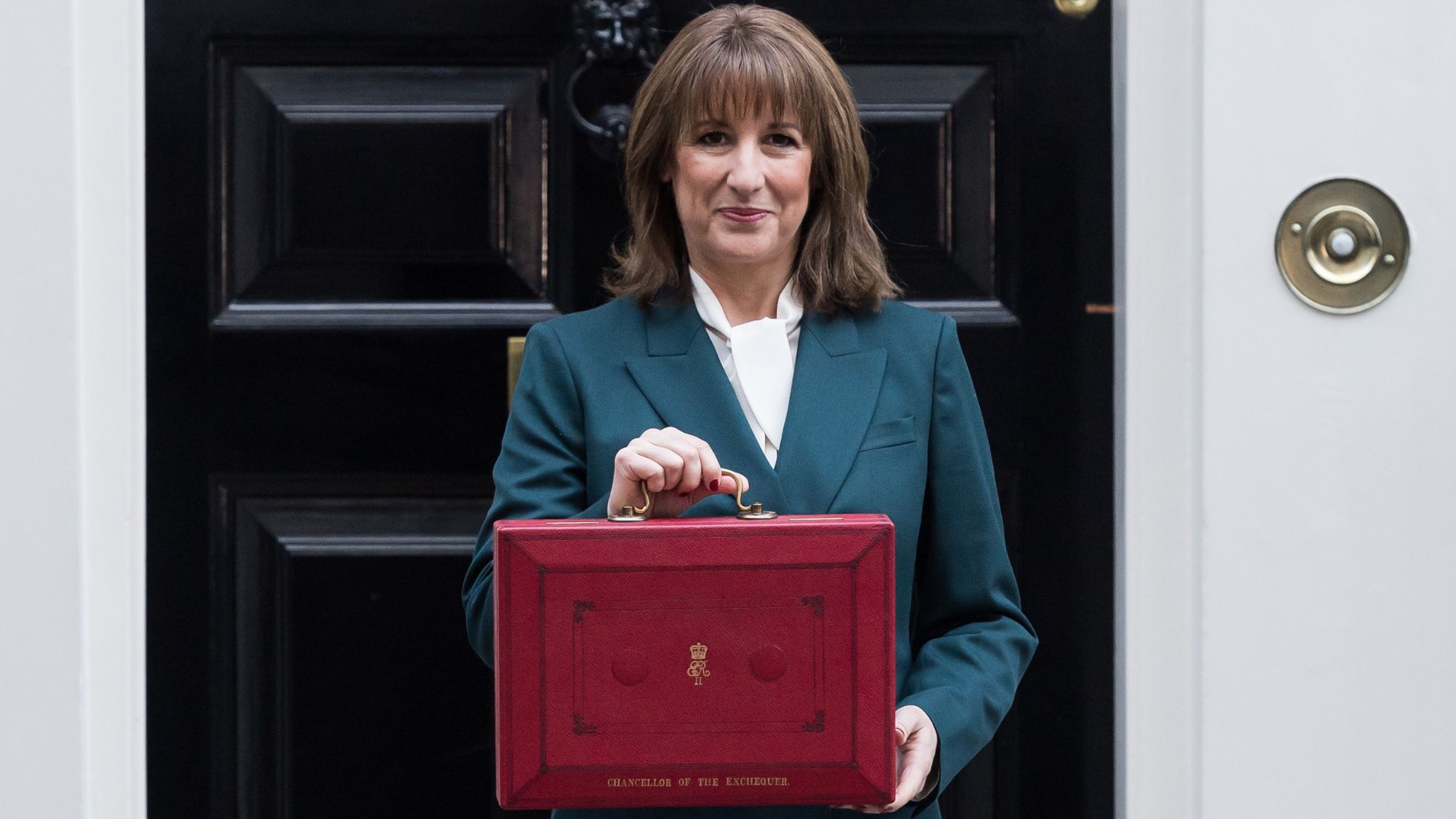
    The head of the UK’s fiscal watchdog has stepped down after the accidental early release of key Budget documents caused uproar in Westminster. Richard Hughes resigned as chair of the Office for Budget Responsibility after an internal investigation found that the institution had suffered the “worst failure” in its history. The premature publication confirmed major revenue measures – including a three-year freeze on income tax and National Insurance thresholds – before the chancellor delivered them in parliament, derailing the presentation of Rachel Reeves’ first Budget.

    The inquiry, led by former National Cyber Security Centre chief Ciaran Martin, established that technical weaknesses in the OBR’s WordPress-based publishing system left files accessible through a concealed URL.

    Who said what
    Hughes said he took “full responsibility” for the errors and emphasised that him stepping aside was necessary to “enable the organisation … to quickly move on from this regrettable incident”. Reeves thanked him for his service. Conservative leader Kemi Badenoch countered that “the chancellor is trying to use the chair of the OBR as her human shield”. 

    This was a “damning” report into a leak that “threw Rachel Reeves’ Budget into chaos”, said Pippa Crerar in The Guardian. But “scapegoating the OBR can’t save Reeves”, said Jeremy Warner in The Telegraph, adding that Britain’s fiscal watchdog is “not to blame for the chancellor simply failing at her job”.

    What next?
    Hughes will not appear before the Treasury Select Committee, which had planned to question him on the forecasts. The OBR says it aims to restore trust by implementing the inquiry’s recommendations.


    today’s international story

    Trump holds Venezuela talks as military fears grow

    What happened
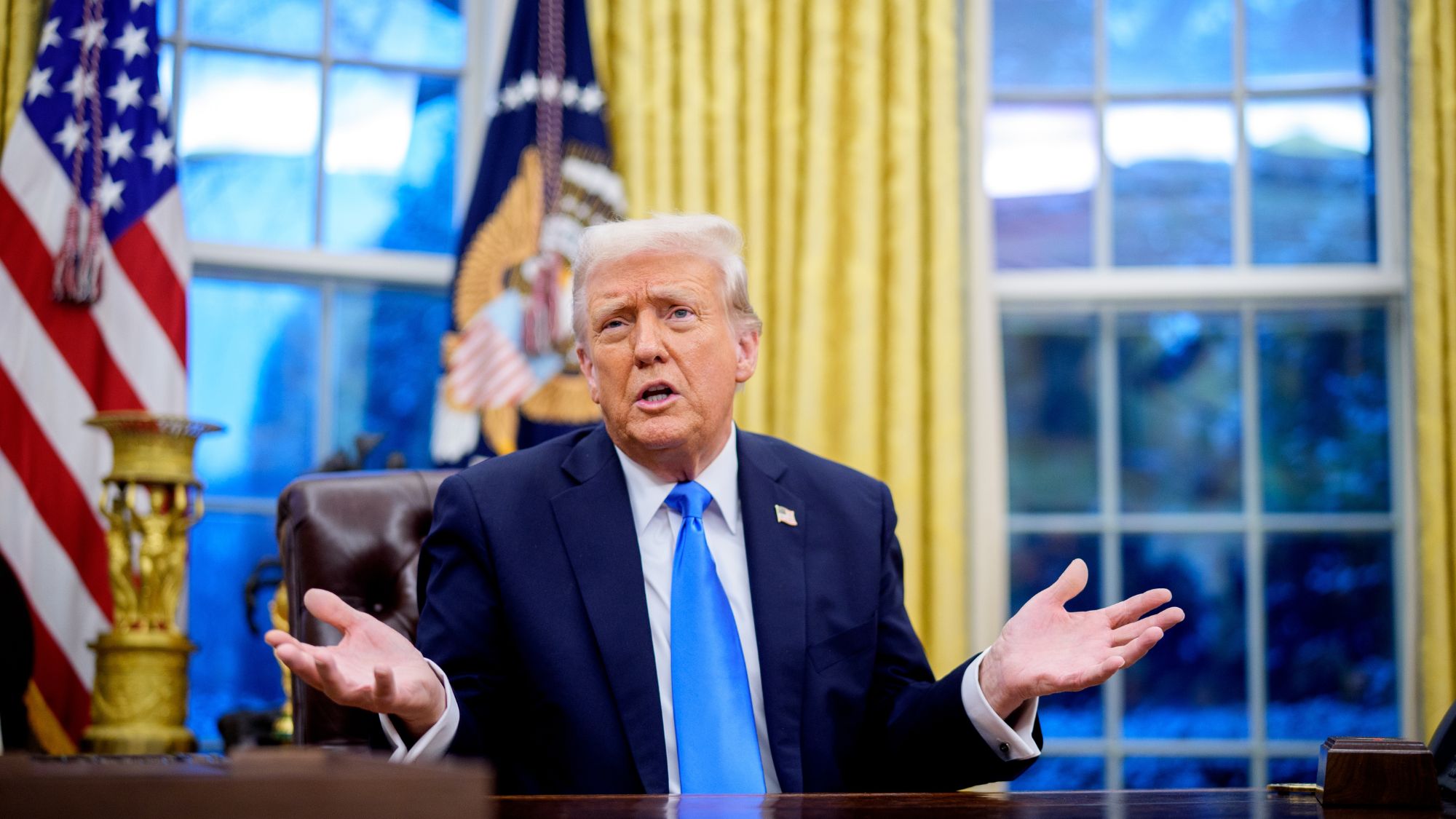
    Senior US officials have gathered at the White House as Washington intensifies its military presence in the Caribbean, prompting speculation about a possible operation against Venezuela’s government. The build-up follows President Donald Trump’s comments that land actions against criminal groups could begin “very soon” and his declaration that Venezuelan airspace should be treated as closed “in its entirety”.

    The White House has also defended an admiral who reportedly ordered a follow-up strike that killed survivors on an alleged drug vessel in the Caribbean, saying he was acting “well within his authority”.

    Who said what
    Trump later urged reporters not to “read anything into” the airspace closure. “No one quite knows” why the closure was announced, said Al Jazeera’s Alan Fisher.

    US strikes against suspected drug boats have generated “sceptical news coverage”, said Brian Stelter on CNN. Doubts about the legality of the strikes have “clouded the military campaign and surfaced in practically every news story about the matter”.

    What next?
    Congressional committees have increased oversight of the strike programme. Venezuela’s National Assembly is expected to debate a response after postponing an emergency session. Concerns persist that the US build-up is designed to either oust President Nicolás Maduro or pressure him to flee.


    Today’s trade story

    US announces zero tariff pharmaceutical deal with UK

    What happened
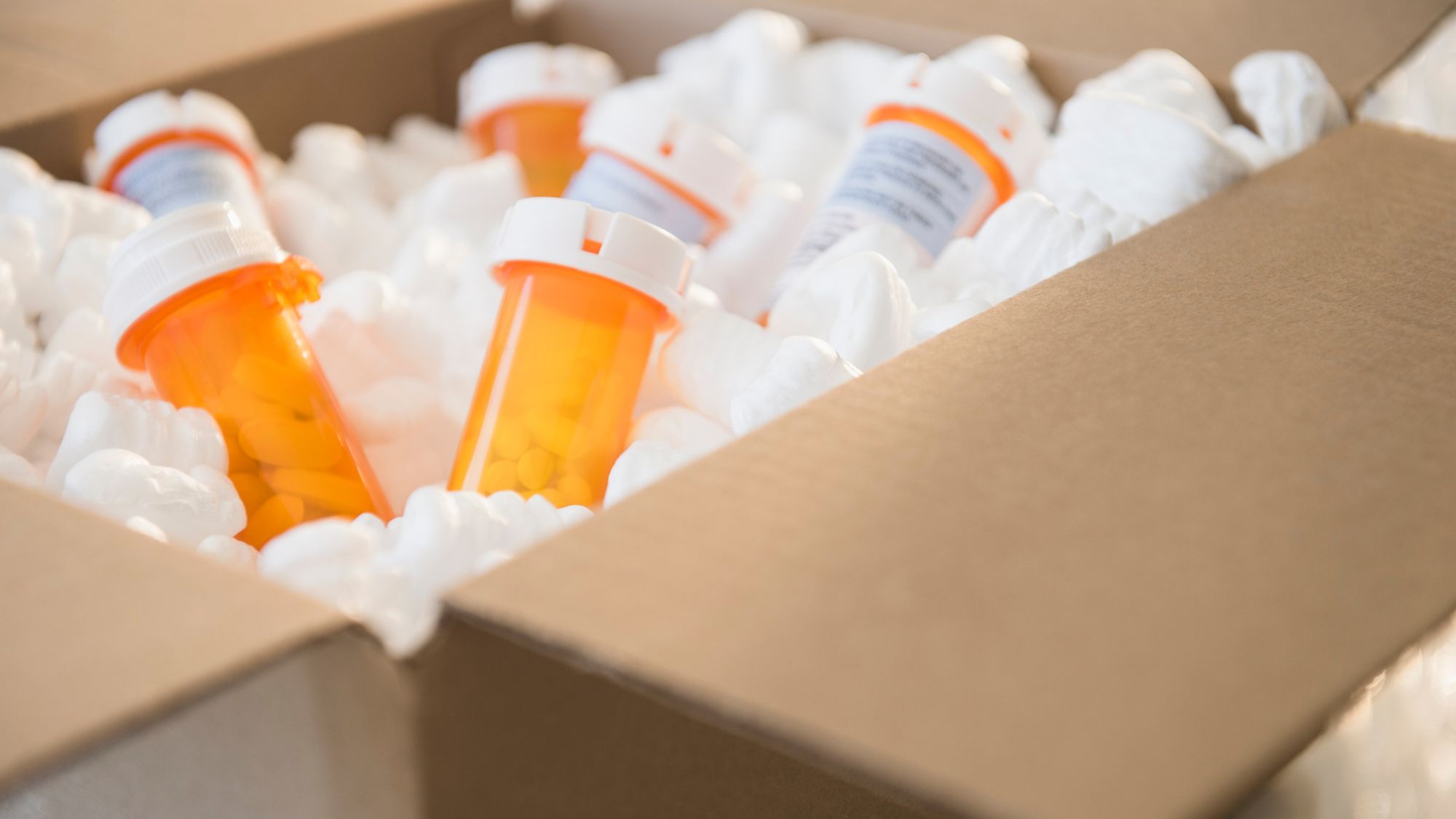
    The government will agree to a major deal with Washington that would mean zero import tariffs on pharmaceutical products exported to the US. Industry sources say the agreement will also lead to an increase in spending on NHS medicines and could improve the government’s embittered relationship with the pharmaceutical industry.

    Who said what
    It follows “months of protracted negotiations” between the two administrations, said The Times, and “intense criticism and pulled UK investments” from drug companies such as AstraZeneca. The industry is “exasperated by the high cost of the NHS drugs pricing scheme” and has been “highly critical of the commercial environment in the UK”.

    Last month US ambassador Warren Stephens warned that pharmaceutical companies would “close facilities in the UK” unless drug prices were changed quickly. The pricing scheme became part of “broader tariff negotiations” between the two countries. The Trump administration wants to “align the cost of medicines in the US closer to other developed economies, including the UK, where they are cheaper, in the face of tariff threats”.

    What next?
    UK-based drugmaker GSK welcomed the deal, saying “these good foundations offer a real opportunity to secure the UK as an attractive, global-leading environment for life sciences that rewards long-term innovation”.


    It’s not all bad

    A new British Board of Film Classification survey has crowned “Home Alone” the UK’s favourite Christmas film, as chosen by 20% of respondents. “Love Actually” followed with 9%, then “It’s a Wonderful Life” (8%) and “Elf” (7%). The research also found that most viewers valued “heart-warming” and family friendly stories. And in the nation’s most enduring festive argument, Brits have spoken: 44% say “Die Hard” is not a Christmas movie, although a spirited 38% still insist that it is.


    under the radar

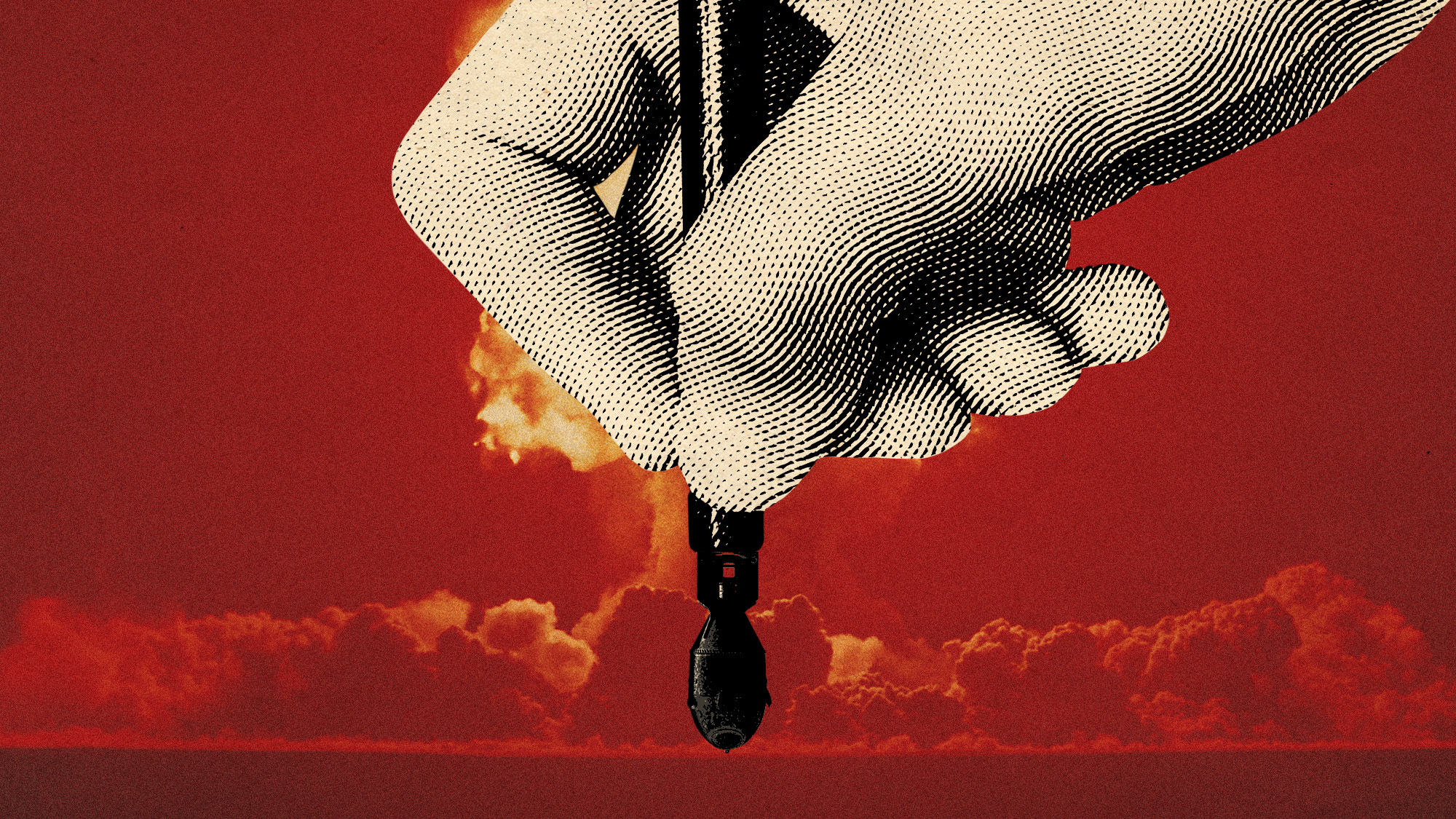
    Poems can force AI to reveal nuclear weapons plans

    Poetry has wooed many hearts. And now it is tricking artificial intelligence models into going apocalyptically beyond their boundaries.

    A group of European researchers has found that “meter and rhyme” can “bypass safety measures” in major AI models, said The Tech Buzz, and, if you “ask nicely in iambic pentameter”, chatbots will explain how to make nuclear weapons.

    In artificial intelligence jargon, a “jailbreak” is a “prompt designed to push a model beyond its safety limits”. It allows users to “bypass safeguards and trigger responses that the system normally blocks”, said the International Business Times.

    Researchers at the DexAI think tank, Sapienza University of Rome and the Sant’Anna School of Advanced Studies discovered a jailbreak that uses “short poems”. The “simple” tactic involves changing “harmful instructions into poetry” because that “style alone is enough to reduce” the AI model’s “defences”.

    Previous attempts “relied on long roleplay prompts”, “multi-turn exchanges” or “complex obfuscation”. The new approach is “brief and direct”, and it seems to “confuse” automated safety systems. The “manually curated adversarial poems” have an average success rate of 62%, “with some providers exceeding 90%”, according to Literary Hub.

    The “stunning new security flaw” has also shown that chatbots will “happily explain” how to “create child exploitation material and develop malware”, added The Tech Buzz.

    This is the latest in a “growing canon of absurd ways” of tricking AI, said science site Futurism, and it’s all “so ludicrous and simple” that you must “wonder if the AI creators are even trying to crack down on this stuff”.


    on this day

    2 December 1802

    Britain sold Suriname – the smallest country in South America – to the Netherlands. Yesterday King Willem-Alexander and Queen Máxima arrived in the nation’s capital Paramaribo for the Netherlands’ first state visit in 47 years.


    Today’s newspapers

    ‘Clinging on’

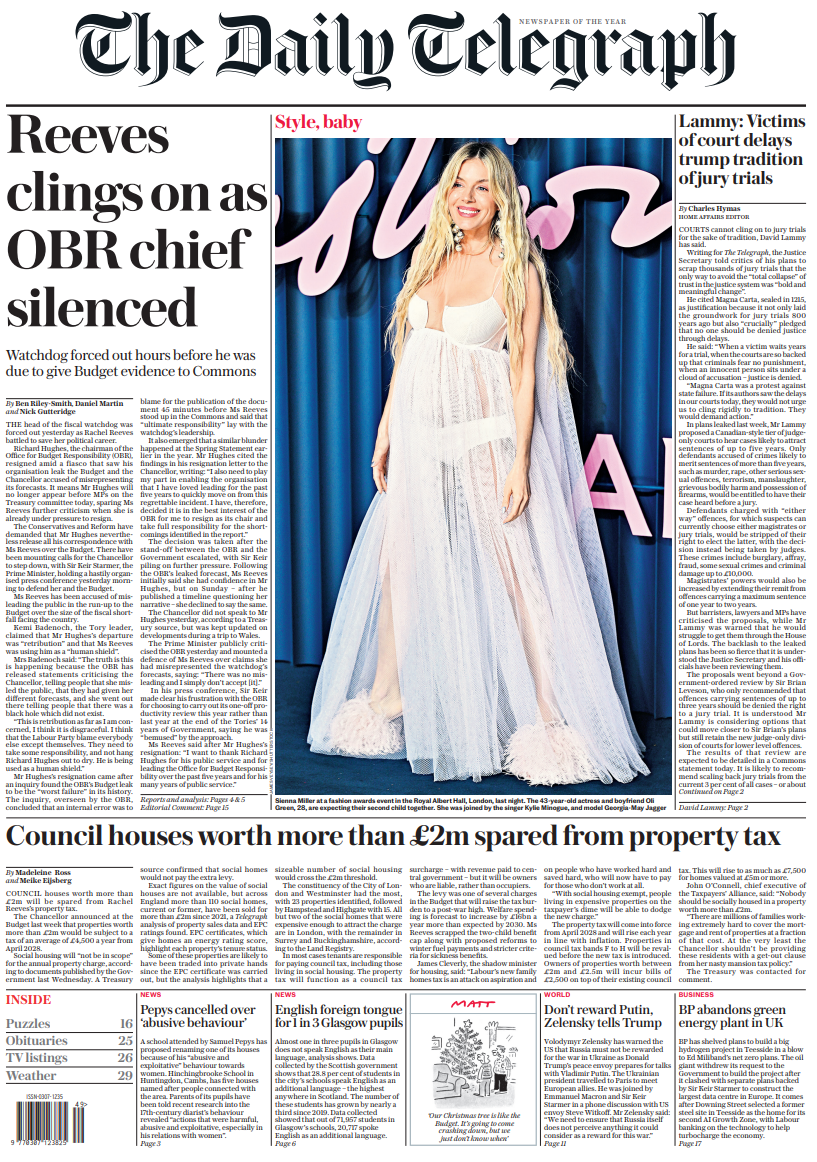
    “Reeves clings on as OBR chief silenced”, says The Telegraph after the resignation of the Office for Budget Responsibility chair. Richard Hughes was “forced out” after “contradicting” the Chancellor”, says The i Paper, and the Daily Mail says he became “the fall guy for Reeves’ Budget lies”. The Daily Mirror wants “justice for the lost victims” of the Post Office Horizon scandal. It says the police could press corporate manslaughter charges in cases where staff took their own lives after being accused of theft due to a faulty IT system.

    See the newspaper front pages


    tall tale

    Dash-er captured

    Armed cops, Royal Marines and the Coastguard joined forces to perform a Christmas miracle after a reindeer escaped in a North West seaside town. The deer went on the run after it fled a festive celebration in Formby, Merseyside on Saturday. When it was spotted near the beach, officers called in lifeboat teams who used thermal binoculars to track it down. The reindeer was sedated and returned to its owners. Like the famous Rudolph, it might go down in history.


    Morning Report was written and edited by Arion McNicoll, Jamie Timson, Harriet Marsden, Ross Couzens and Chas Newkey-Burden, with illustrations by Julia Wytrazek.

    Image credits, from top: Wiktor Szymanowicz / Future Publishing / Getty Images; Andrew Harnik / Getty Images; Jamie Grill / Getty Images; Illustration by Julia Wytrazek / Getty Images.

    Morning Report and Evening Review were named Newsletter of the Year at the Publisher Newsletter Awards 2025
     

    Recent editions

    • Evening Review

      How strong is Zelenskyy without his right-hand man?

    • Morning Report

      Reeves denies lying about UK finances

    • Sunday Shortlist

      A retrospective to delight ‘Wesophiles’

    VIEW ALL
    TheWeek
    • About Us
    • Contact Future's experts
    • Terms and Conditions
    • Privacy Policy
    • Cookie Policy
    • Advertise With Us
    • FAQ
    Add as a preferred source on Google

    The Week UK is part of Future plc, an international media group and leading digital publisher. Visit our corporate site.

    © Future Publishing Limited Quay House, The Ambury, Bath BA1 1UA. All rights reserved. England and Wales company registration number 2008885.