The Week The Week
flag of US
US
flag of UK
UK
https://cdn.mos.cms.futurecdn.net/skoGBi9qKFoUtnNWkovjJQ.jpg

SUBSCRIBE

Try 6 Free Issues

Sign in
  • View Profile
  • Sign out
  • The Explainer
  • Talking Points
  • The Week Recommends
  • Podcasts
  • Newsletters
  • From the Magazine
  • The Week Junior
  • More
    • Politics
    • World News
    • Business
    • Health
    • Science
    • Food & Drink
    • Travel
    • Culture
    • History
    • Personal Finance
    • Puzzles
    • Photos
    • The Blend
    • All Categories
  • Newsletter sign up Newsletter
  • WeekDay AM: 10 Things you need to know this morning
    Social media ban, push for EU customs union talks, and Bonnie Blue faces jail

     
    today’s international story

    Australia’s sweeping social media ban begins

    What happened
    Australia has started enforcing a nationwide prohibition on social media accounts for anyone under the age of 16, launching one of the world’s most aggressive attempts to limit children’s exposure to online platforms. The law, which passed last year with overwhelming political support, requires major services – including Facebook, Instagram, TikTok, YouTube, Reddit, Snapchat, X, Threads, Twitch and Kick – to identify and remove underage users.

    Who said what
    Prime Minister Anthony Albanese defended the crackdown as an overdue intervention to protect young people from the psychological pressures of constant connectivity. “Our social media ban is about making sure that kids have a childhood,” he said in videos posted to X and Instagram, adding: “It’s not going to be perfect, but it’s too important not to give it a crack.” 

    If parents outside of Australia adopt the same rules, “our kids will thank us later”, said Kara Alaimo on CNN. “That’s because social media appears to be making our kids less healthy and happy.” Yet the social media age ban is a “major experiment”, said internet researcher Professor Daniel Angus on Australia’s ABC. “It may prevent some harm. It may also create new risks.” And while it is “easy to pass a law”, it is “much harder to build a strong support system and culture of care around young people”.

    What next?
    Australia’s communications authorities will monitor compliance and release data on the ban’s early impact. With Denmark and Malaysia planning to bring in similar restrictions, international pressure is growing for unified standards on age verification and child safety measures.


    today’s politics story

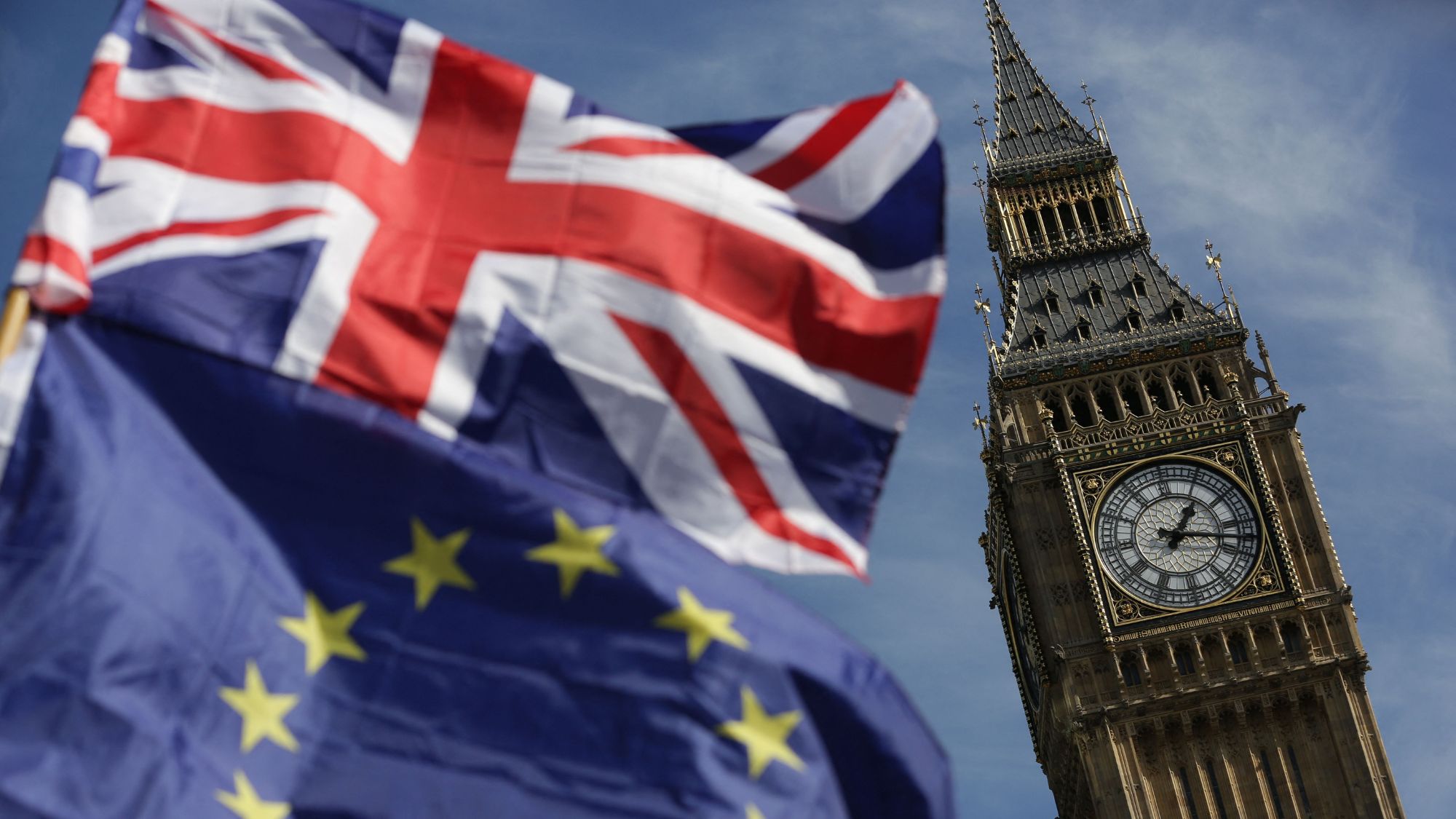
    Labour split as MPs narrowly back EU customs union talks

    What happened
    A Liberal Democrat proposal requiring the UK government to begin talks on a made-to-measure customs union with the EU squeezed through its first reading after an evenly split vote in the House of Commons. With 100 MPs on each side, Deputy Speaker Caroline Nokes used her casting vote to keep the issue alive “in order to allow for further debate”. Despite this procedural win, the bill stands little chance of becoming law without government backing. It was the first tied Commons division since 2019. Thirteen Labour MPs supported the plan, while most of the party abstained and three members opposed it. Conservative MPs overwhelmingly rejected the bill, joined by members of Reform UK.

    Who said what
    Liberal Democrat leader Ed Davey hailed the outcome as a “historic victory”, arguing that the government should drop its resistance and pursue “an ambitious trade deal with the EU”.

    In recent months Labour ministers, including Prime Minister Keir Starmer, have “become more vocal in their criticism of Brexit”, said Kate Whannel on the BBC. However, Labour’s manifesto ruled out returning to the EU customs union, and Starmer said recently that such a move was “not currently” part of the party’s plans.

    What next?
    The bill will move to a second reading next month.


    Today’s crime story

    Too Blue: adult performer faces jail time

    What happened
    Bonnie Blue could be handed a prison sentence of up to 15 years in Indonesia for allegedly producing pornographic content, violating the country’s strict morality laws. The British former OnlyFans creator, known for attempting sex “challenges” with large numbers of men, was arrested in Bali last week.

    Who said what
    The police raid was prompted by complaints that she had hired a bus to travel around the island and “film explicit material during ‘schoolies week’”, said The Independent, “a post-high school celebration” for Australian teenagers.

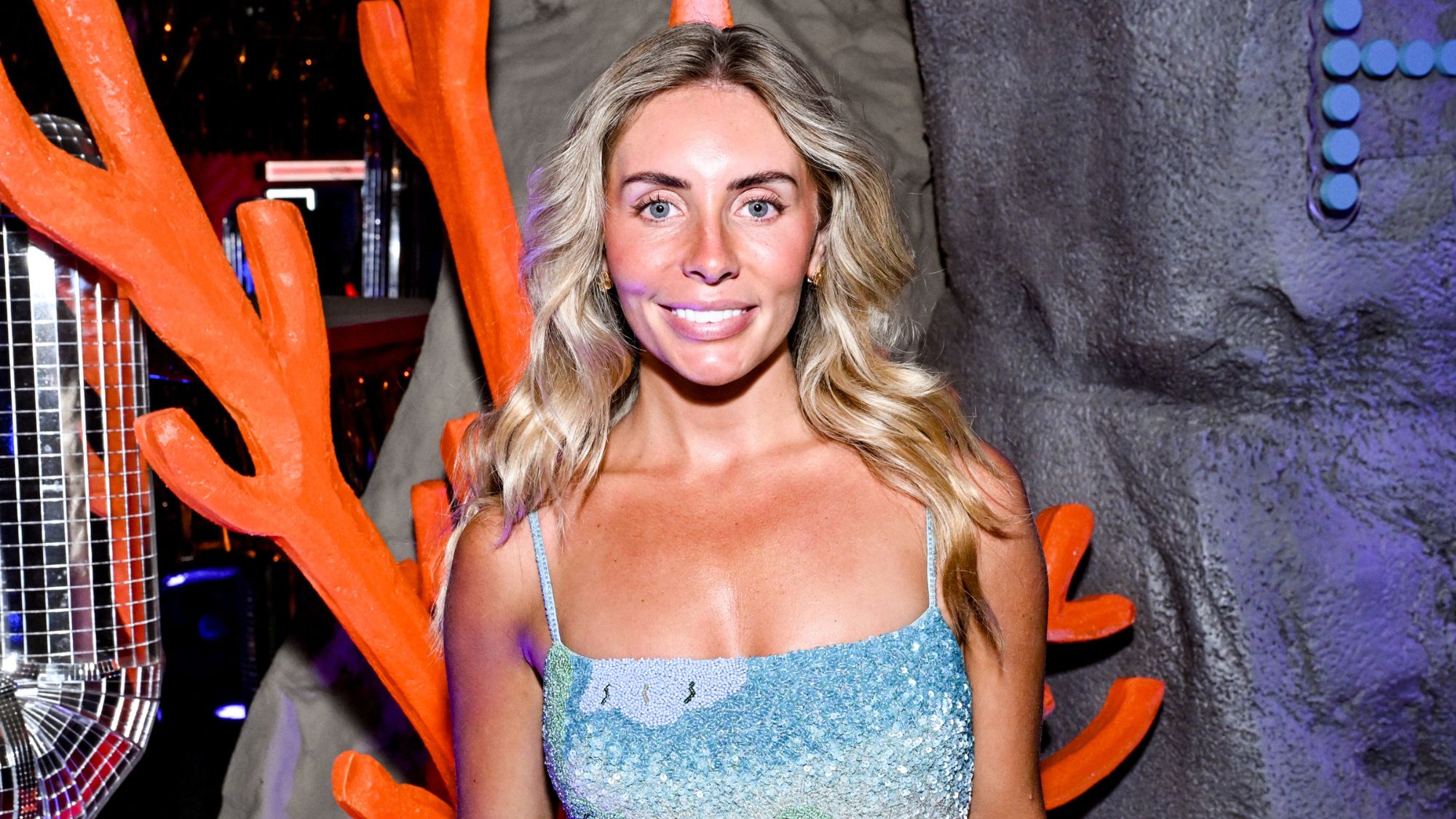
    Bonnie Blue, real name Tia Billinger (pictured above), had written on social media: “Hey boys, those that’re going to Schoolies and to those who are barely legal, cannot wait to meet you – and I’m in Bali, so you know exactly what that means.”

    Police said she had been caught producing “pornographic videos” with a group of at least 17 Australian and British men aged 19 to 40. Authorities seized “school Bonnie Blue” outfits, cameras, condoms, lubricant and Viagra pills.

    What next?
    Bonnie Blue and two of the men are due to be questioned further today as officials decide how to proceed with the case.


    It’s not all bad

    Nnena Kalu has won this year’s Turner Prize, becoming the first artist with a learning disability to claim the award. Her vivid sculptures and drawings, made from fabric, tape and recycled materials, impressed judges, who called the win a landmark moment. Accepting the prize through her studio manager, Kalu said she hoped that it would help “smash the prejudice away”. The British-Nigerian artist’s work, described as tightly bound, ultra-colourful forms, has been widely praised by critics.


    under the radar

    The curious history of hanging coffins

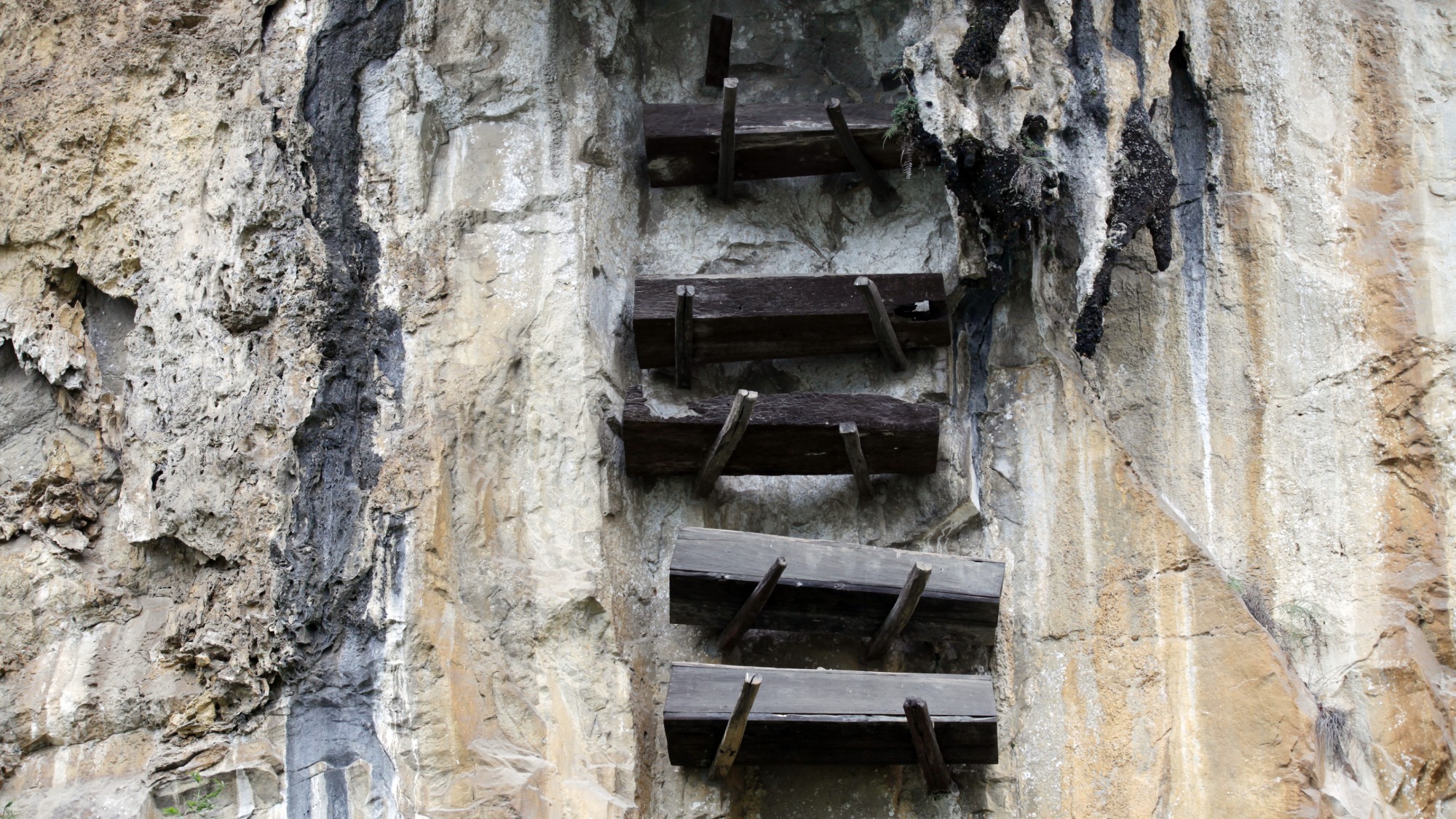
    The ancient funeral tradition of “hanging coffins” in southern China was carried out by ancestors of a minority ethnic group still living in the region today, a new study has found.

    The findings “provide valuable insights into the genetic, cultural and historical roots of this burial custom”, according to the authors of the study, which was published in the Nature Communications journal.

    For millennia, inhabitants of the modern-day Yunnan and Fujian provinces carried their dead high into the mountains and “pegged” wooden coffins into crevices in “exposed cliffs”, said Live Science. It is thought that they used wooden scaffolding, rope pulleys or man-made trails to ascend the rocky cliffs.

    Hanging coffins are “considered auspicious”, wrote a Yuan dynasty chronicler some time between 1279 and 1368. “The higher they are, the more propitious they are for the dead.” Curiously, “those whose coffins fell to the ground were considered more fortunate”.

    The new study examined 11 bodies dating back as far as 2,000 years ago and used genome sequencing to confirm them as ancestors of the Bo people, several thousand of whom are still living in Yunnan province.

    But the practice of suspending remains in a cliff face can also be found in other cultures. Hanging coffins are one of the burial customs of the Kankanaey people of Sagada, on the island of Luzon in the Philippines. And in Indonesia, shaped coffins known as erong, guarded by carved wooden representations of the dead, were placed in high caves and cliffside niches by the Toraja people up until the 1960s.


    on this day

    10 December 1971

    George Lucas founded Lucasfilm Ltd in San Francisco, California. Its most successful franchise, “Star Wars”, has earned more than £7.4 billion, second only to the Marvel Cinematic Universe. This week it was announced that the original “Star Wars” would be returning to cinemas in 2027 to mark its 50th anniversary.


    Today’s newspapers

    ‘I’ll stop the boats’

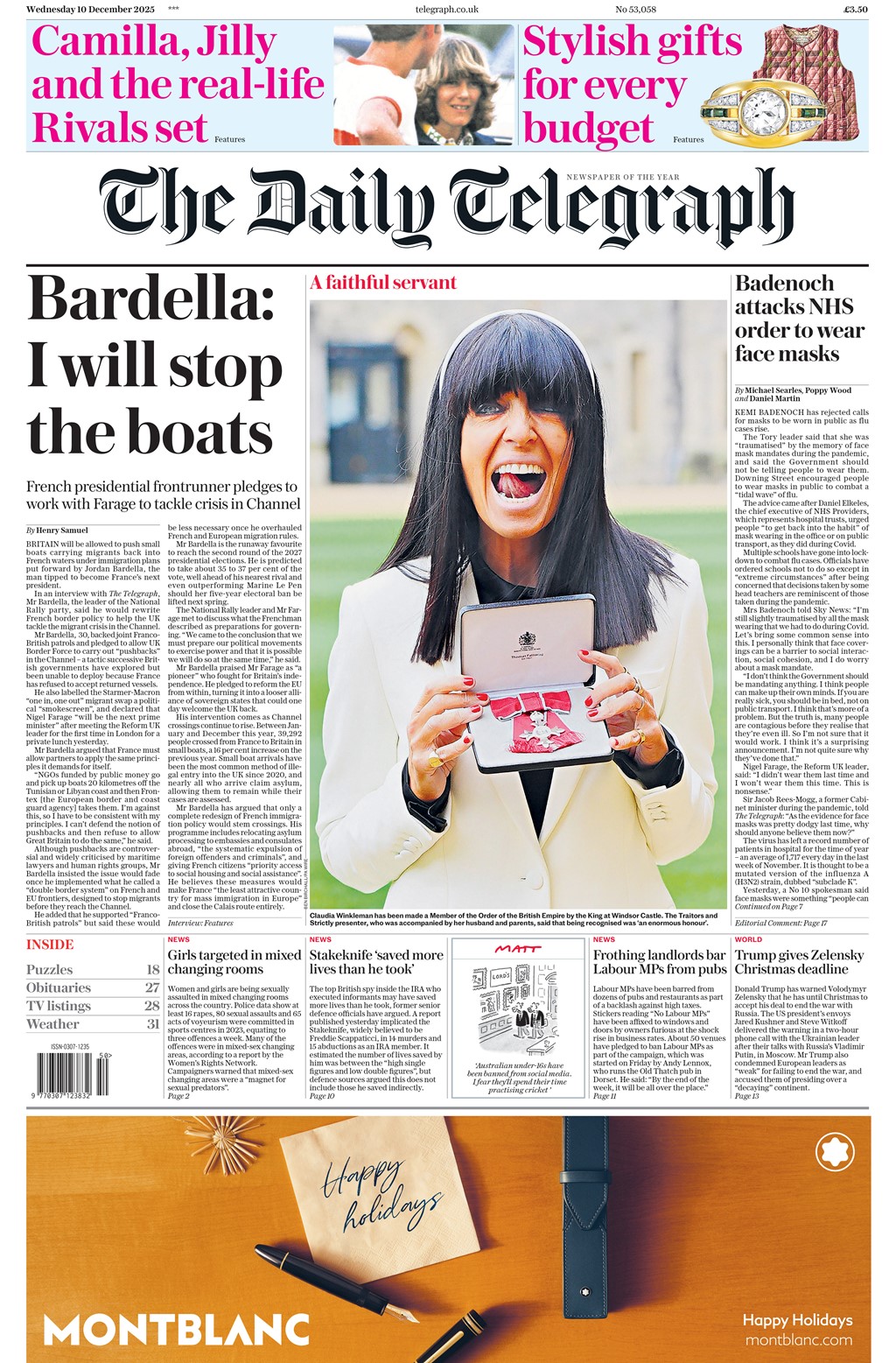
    The Telegraph leads on an interview with Jordan Bardella, the head of France’s National Rally party, who said he would rewrite border policy to help the UK push small boats back into French waters. “We will never get our cash back”, says The Mirror, as it reports on “the lost Covid billions”. It says that fraud and error under the Conservatives cost £10.9bn, with much of the shortfall “beyond recovery”. “Asylum fiasco without end”, says the Daily Mail as a “damning report” from the National Audit Office revealed “huge gaps in systems” and crucial missing data.

    See the newspaper front pages


    tall tale

    High-steaks delivery

    South Carolina prison officials thwarted a plot to airlift unusual contraband treats into a state prison by drone. The state’s Department of Corrections agents intercepted a drone flying into the Lee Correctional Institution this week containing marijuana and cigarettes, but also several more unexpected items including steak, crab legs and Old Bay seasoning. “It seems that some folks were planning an early holiday Old Bay crab boil and steak dinner,” said the department in a Facebook post.


    Morning Report was written and edited by Arion McNicoll, Harriet Marsden, Will Barker, Ross Couzens and Chas Newkey-Burden.

    Image credits, from top: Anna Barclay / Getty Images; Daniel Leal / AFP / Getty Images; Gilbert Flores / Variety / Getty Images; View Stock / Getty Images.

    Morning Report and Evening Review were named Newsletter of the Year at the Publisher Newsletter Awards 2025
     

    Recent editions

    • Evening Review

      How did NHS maternity care go so wrong?

    • Morning Report

      Europe rallies around Ukraine at ‘critical moment’

    • Evening Review

      Did Trump just end the US-Europe alliance?

    VIEW ALL
    TheWeek
    • About Us
    • Contact Future's experts
    • Terms and Conditions
    • Privacy Policy
    • Cookie Policy
    • Advertise With Us
    • FAQ
    Add as a preferred source on Google

    The Week UK is part of Future plc, an international media group and leading digital publisher. Visit our corporate site.

    © Future Publishing Limited Quay House, The Ambury, Bath BA1 1UA. All rights reserved. England and Wales company registration number 2008885.