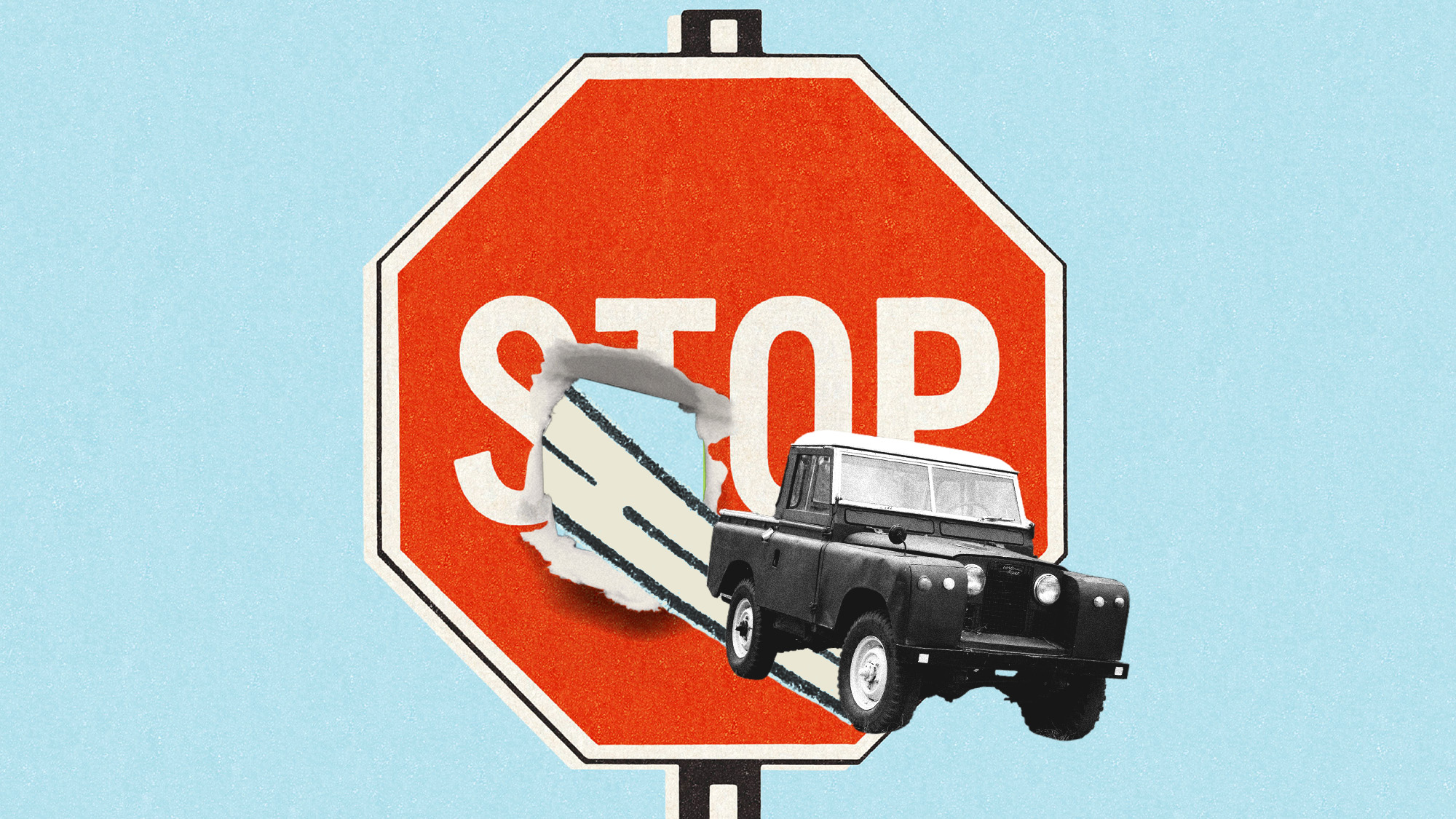
The main concern for Zimbabwe’s driving instructors is not teaching the highway code to their students but making sure they “survive some of the world’s deadliest roads”, said The Associated Press.
In 2024, the country recorded more than 2,000 deaths from road traffic accidents and more than 10,000 injuries, according to the Traffic Safety Council of Zimbabwe. Africa as a whole has the “world’s highest fatality rate at 26.6 deaths per 100,000 people, compared with a global average of about 18”, said AP. And Zimbabwe has one of the highest rates – nearly 30 deaths per 100,000 people – within Africa.
Zimbabwe was once known for “orderly traffic and well kept roads” but its network has “deteriorated since the 2000s”. A series of economic crises has taken its toll on road infrastructure, while “weakened” enforcement of maintenance has led to “traffic chaos”.
Despite attempts to bolster police presence on the roads, “dangerous driving remains deeply entrenched”. Transport minister Felix Mhona told the country’s Senate that over 90% of road accidents are attributable to human error, said The Herald.
To promote road safety, Zimbabwean police have begun using body cameras and breathalysers, and want a “review of the driver licensing system”, said AP. This would include improvements to training programmes, public information campaigns to raise awareness of reckless driving, and tougher enforcement, including deducting points for more driving offences.
New road safety policies have also been introduced but their enforcement is “strikingly inadequate”. Inconsistent action by the authorities has led to drivers and passengers feeling “empowered to flout safety rules without fear of consequence”. |