The Week The Week
flag of US
US
flag of UK
UK
https://cdn.mos.cms.futurecdn.net/skoGBi9qKFoUtnNWkovjJQ.jpg

SUBSCRIBE

Try 6 Free Issues

Sign in
  • View Profile
  • Sign out
  • The Explainer
  • Talking Points
  • The Week Recommends
  • Podcasts
  • Newsletters
  • From the Magazine
  • The Week Junior
  • More
    • Politics
    • World News
    • Business
    • Health
    • Science
    • Food & Drink
    • Travel
    • Culture
    • History
    • Personal Finance
    • Puzzles
    • Photos
    • The Blend
    • All Categories
  • Newsletter sign up Newsletter
  • WeekDay AM: 10 Things you need to know this morning
    Trump flips on Chagos, Badenoch surges, and China’s mega-embassy approved

     
    today’s international story

    UK defends Chagos deal despite Trump’s criticism

    What happened
    The British government has pushed back against criticism from Donald Trump over its decision to transfer sovereignty of the Chagos Islands to Mauritius while continuing to operate a major joint military facility on Diego Garcia. Trump attacked the arrangement online, warning it showed weakness and could benefit rivals such as China and Russia. His comments came despite earlier indications from Washington that the plan had US backing. London argues the agreement secures the long-term future of the strategically important base and resolves a decades-long legal and diplomatic dispute with Mauritius. 

    Who said what
    Trump wrote that handing over Diego Garcia was an act of “great stupidity” and “total weakness”, later saying that Britain should keep them. The prime minister’s spokesperson said the US continued to support the arrangement and that the government’s position was unchanged. 

    Less than a year ago “Trump gave his blessing for the Chagos deal”, said David Maddox in The Independent. but now the US president has “changed his mind as the row over Greenland spirals out of control”. Trump may yet simply “buy Chagos”, said David Blair in The Telegraph, which would “make Starmer’s surrender entirely pointless”.

    What next? 
    Legislation to implement the deal is nearing its final parliamentary stages. UK opposition figures remain divided, while Chagossian representatives continue to call for a direct role in decisions about their future.


    today’s politics story

    Badenoch more popular than Farage for first time in a year

    What happened
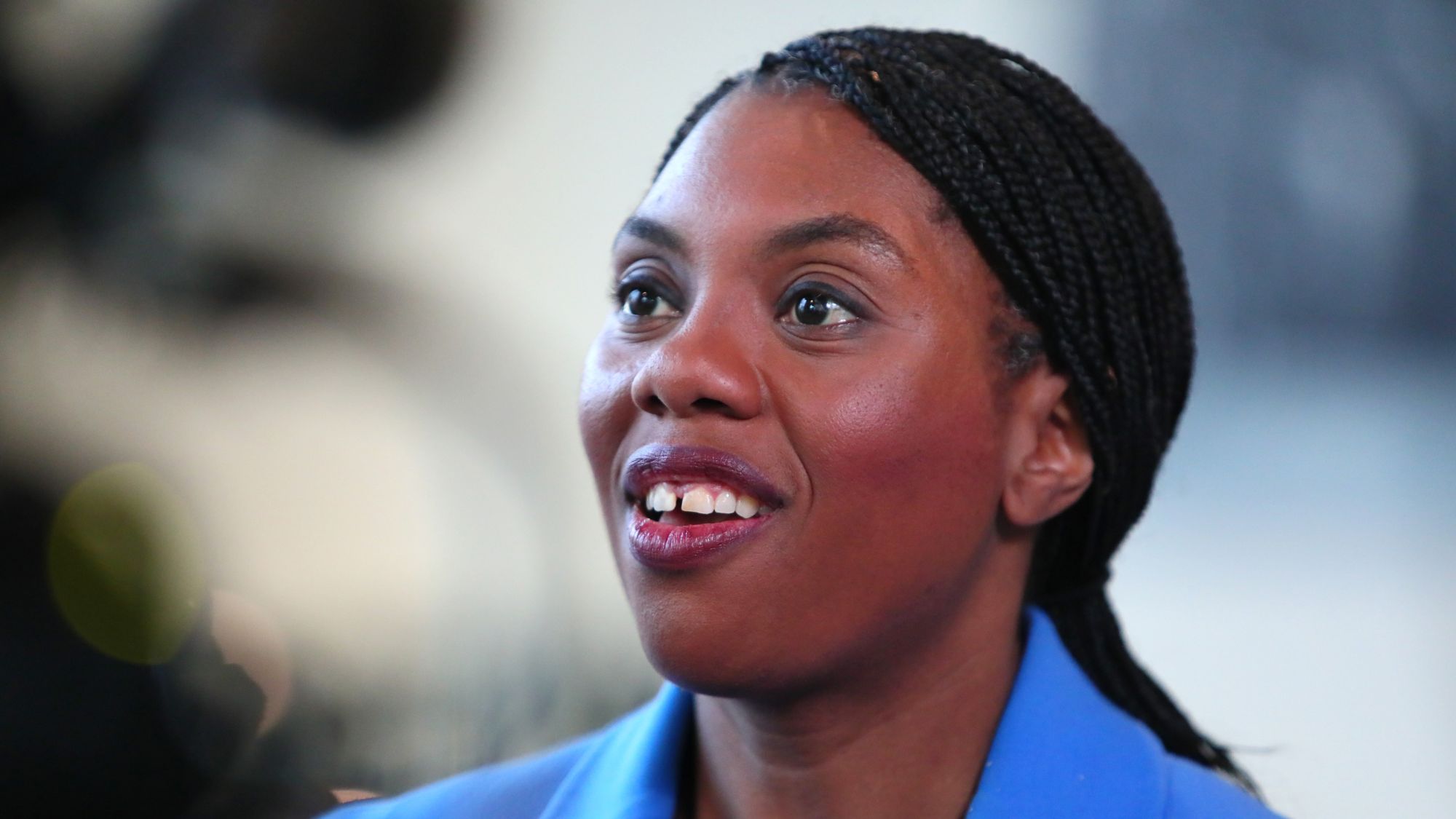
    Kemi Badenoch has recorded her strongest polling result since becoming Conservative leader after removing Robert Jenrick from the party amid rumours he was preparing to defect to Reform UK.

    Who said what
    Polling by More In Common shows Badenoch’s net approval rating has climbed to -11, overtaking Farage’s -13 for the first time in more than a year. Around half of respondents backed her decision to act ahead of Jenrick’s defection, including nearly half of Reform supporters. Jenrick, meanwhile, emerged with weaker personal ratings. Pollsters said many voters viewed defections as motivated by personal ambition rather than principle.

    What next?
    Despite the good news for Badenoch, “there was bad news for her party”, said Kate Devlin in The Independent, with Reform winning the battle to be seen to represent the “Right” of British politics, on 35% ahead of the Tories on 29%.

    Asked last week whether she would rule out a pact in any upcoming election, Badenoch responded: “Reform has been taking a lot of people who could not find work elsewhere”, adding: “The problems are going, we are even more united than we were, because we’re a stronger team.”


    Today’s diplomacy story

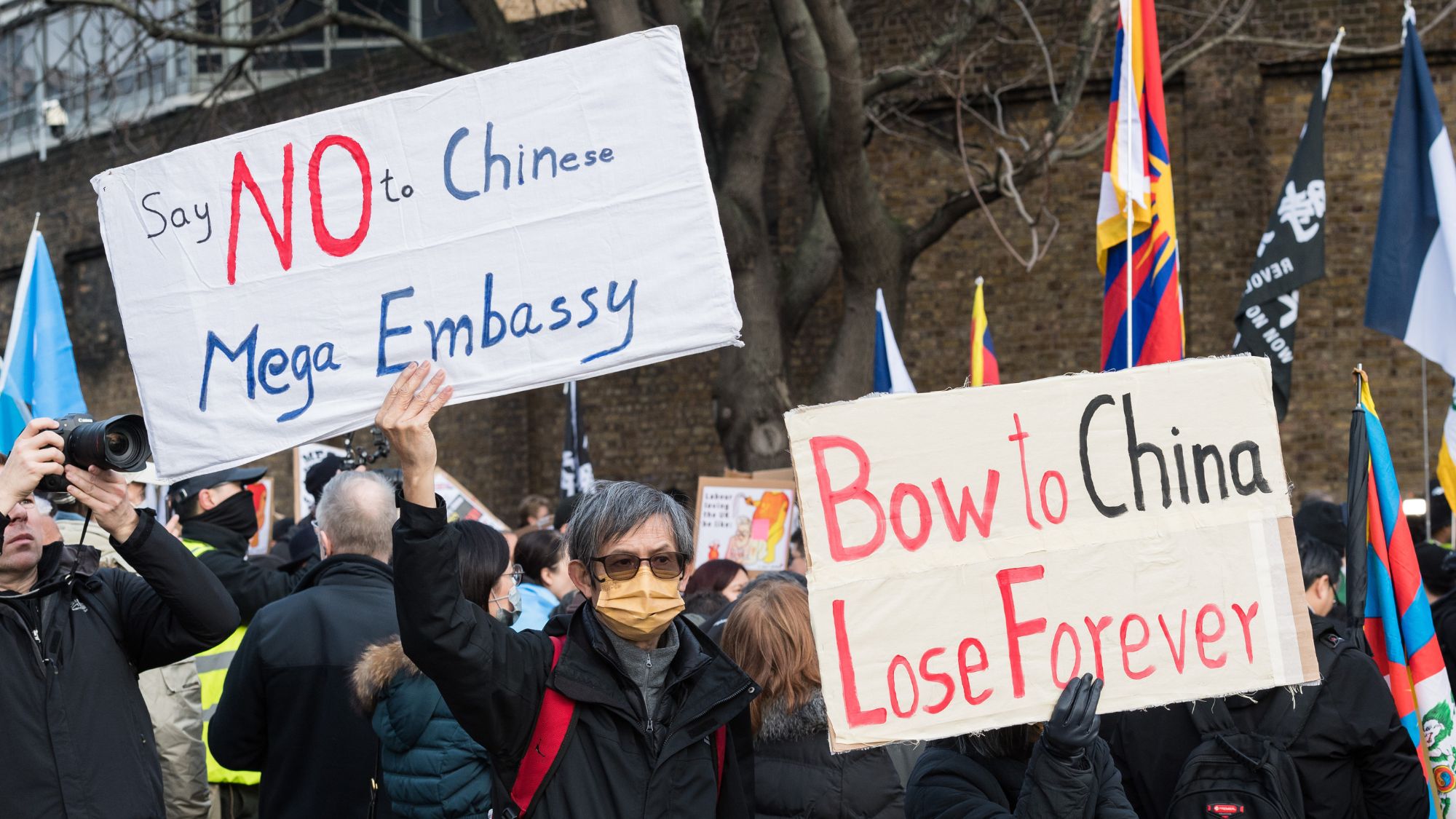
    UK approves plans for Chinese mega-embassy

    What happened
    The government has formally approved plans to build a new controversial Chinese super-embassy in London, ahead of Keir Starmer’s visit to the country later this month.

    Who said what
    Plans for the site – located close to the Tower of London – have been “opposed for various reasons” for years, said Sky News, including “the possibility it would be used as an espionage base, the risk that nearby sensitive financial cabling could be intercepted, and the potential of protests against China being held outside”.

    In a joint letter to the home and foreign secretaries, MI5 director general Ken McCallum and GCHQ director Anne Keast-Butler said that despite “over 100 years of experience managing national security risks associated with foreign diplomatic premises in London”, it was still “not realistic to expect to be able wholly to eliminate each and every potential risk”.

    What next?
    Downing Street hopes the decision will unlock new trade deals with Beijing, though the super-embassy still faces a judicial review launched by residents of the site yesterday.  


    It’s not all bad

    Applying standard VAT rates to meat could deliver quick environmental gains at minimal cost to households, according to new research. A study by the Potsdam Institute for Climate Impact Research found that ending tax breaks on meat across the EU could cut environmental damage by 3-6%, including a significant drop in greenhouse gas emissions. If revenues were returned to citizens, the average household cost would be about £23 a year, making it a low-cost way to reduce pollution and biodiversity loss.


    under the radar

    How space travel changes your brain

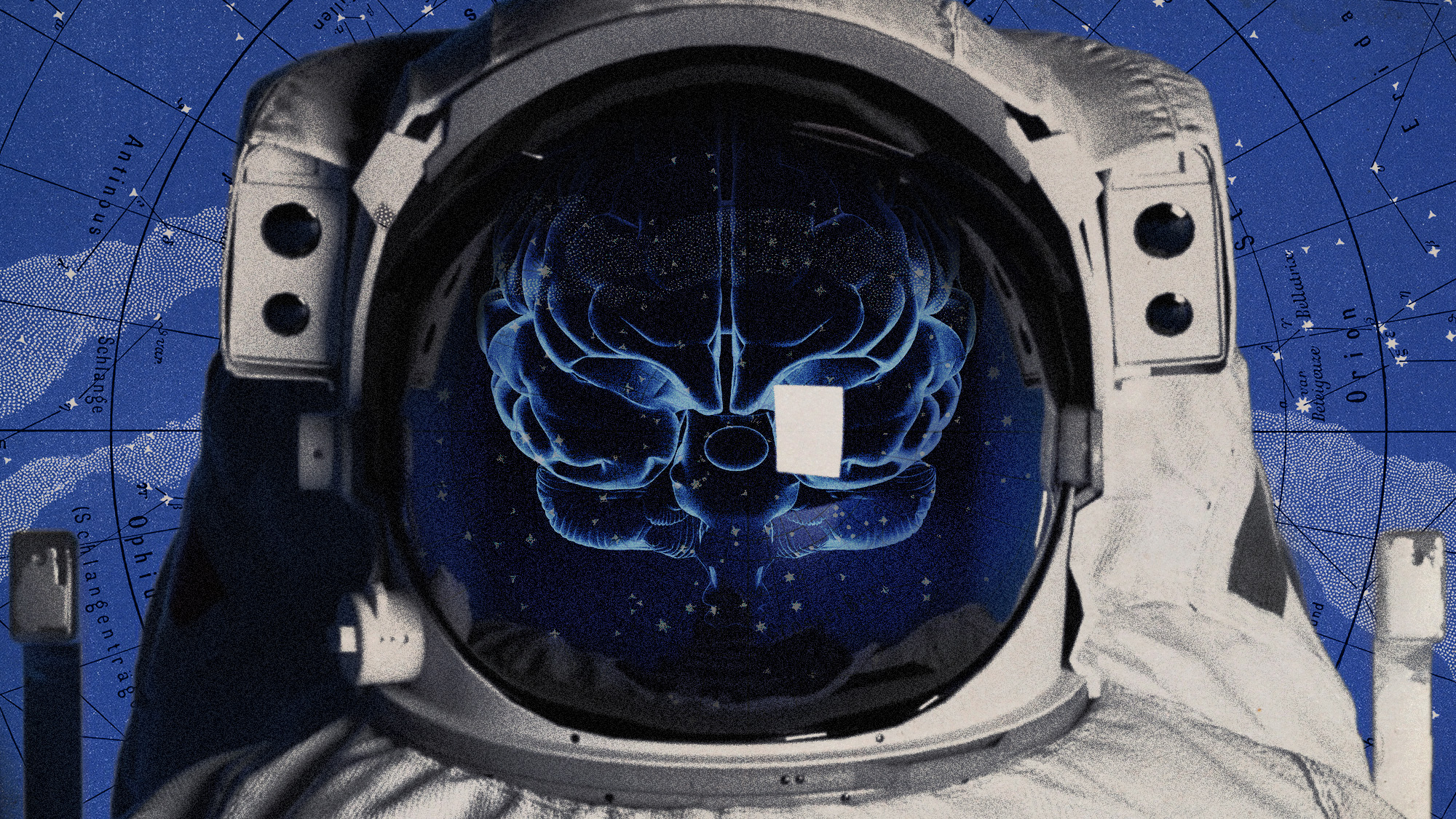
    They say travel broadens your mind but, if you’re travelling into space, it could displace your brain.

    Results of new study add to a growing body of evidence that astronauts’ brains change position and shape in space. The brain shifts “upward and backward within the skull”, with sensory and motor regions showing the largest shifts, according to a US study published in PNAS this month. These brain shape changes are “considerable”, can lead to disorientation and loss of balance, and can persist after return to Earth for more than six months.

    This evidence of brain deformation “could complicate future efforts to explore the cosmos”, said Futurism.

    The researchers examined MRI scans from 26 astronauts who had been in space for varying amounts of time. Those astronauts who went to space for a year “showed the largest changes”, said study co-author Rachael D. Seidler. 

    Most of the astronauts’ brain deformation “recovered over six months post-flight” but “some persisted”, the study concluded. The “health and human performance implications” of these findings require “further study to pave the way for safer human space exploration”.

    But further research on the long-term effects of space on humans is hamstrung by the small available sample size. Although the number of long-duration human spaceflights has increased significantly over the past 15 years, they are still very rare. 

    “In short,” said Futurism, “we’re only beginning to understand how microgravity affects our brains”. More research “could prove invaluable” if we’re thinking of venturing “even deeper into space”.


    on this day

    21 January 1990

    John McEnroe became the first player ever expelled from the Australian Open, after throwing down his racket and swearing at officials on court. The biggest drama at this year’s tournament has been an entrance, rather than an exit, with Naomi Osaka donning an elaborate jellyfish-inspired walk-on outfit for her match against Antonia Ruzic.


    Today’s newspapers

    ‘New colonialism’

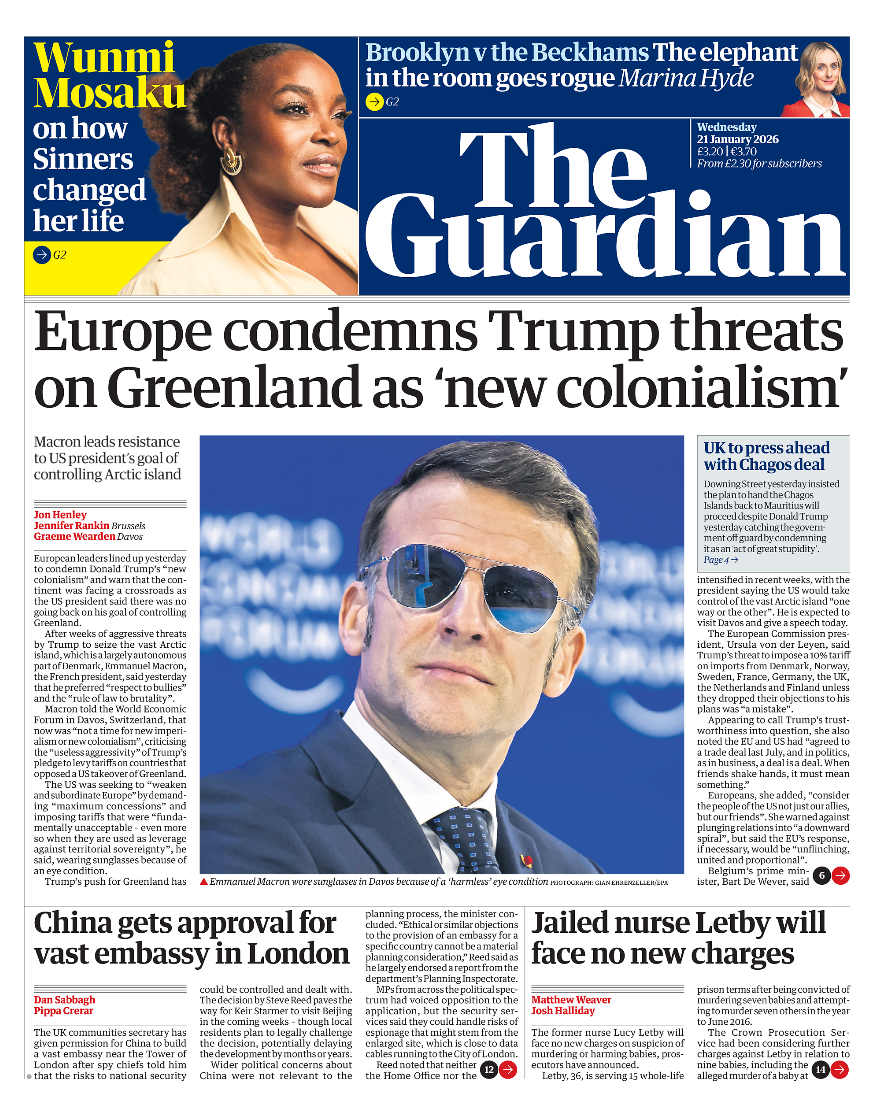
    “Europe condemns Trump threats on Greenland”, The Guardian says, as The Independent reports that Emmanuel Macron has taken aim at “bully” Trump. The US president has told Nato that “we’ll work something out”, says The Times, but the RAF and Navy are “in talks to join Nato force in Arctic”, says The i Paper. “Online rant stuns the world - and we don’t mean the Beckhams”, says Metro of a Trump statement. But “Becks bites back”, says the Daily Star, while The Sun says “Becks, ‘lies’ and videotape”. 

    See the newspaper front pages


    tall tale

    ‘Science not seance’

    Scientists have used the mummified head of French king Henry IV to recreate his voice, more than four centuries since his death in 1610. Forensic pathologist Philippe Charlier, dubbed the “Indiana Jones of the graveyard”, used 3D imaging and MRI scanning to recreate the monarch’s phonic structures. The team hope to use the voice to read a love letter he penned to his mistress, Gabrielle d’Estrées, from beyond the grave: a feat achieved “not by a seance but science”, said The Times.


    Morning Report was written and edited by Arion McNicoll, Elliott Goat, Will Barker, Ross Couzens, and Chas Newkey-Burden, with illustrations by Julia Wytrazek.

    Image credits, from top: Pictures From History / Universal Images Group via Getty Images; Alishia Abodunde / Getty Images; Wiktor Szymanowicz / Future Publishing via Getty Images; Illustration by Julia Wytrazek / Getty Images.

    Morning Report and Evening Review were named Newsletter of the Year at the Publisher Newsletter Awards 2025
     

    Recent editions

    • Evening Review

      Board of Peace: Trump’s ‘alternative to the UN’

    • Morning Report

      Government considers under-16s social media ban

    • Evening Review

      Can Keir Starmer continue to walk the Trump tightrope?

    VIEW ALL
    TheWeek
    • About Us
    • Contact Future's experts
    • Terms and Conditions
    • Privacy Policy
    • Cookie Policy
    • Advertise With Us
    • FAQ
    Add as a preferred source on Google

    The Week UK is part of Future plc, an international media group and leading digital publisher. Visit our corporate site.

    © Future Publishing Limited Quay House, The Ambury, Bath BA1 1UA. All rights reserved. England and Wales company registration number 2008885.