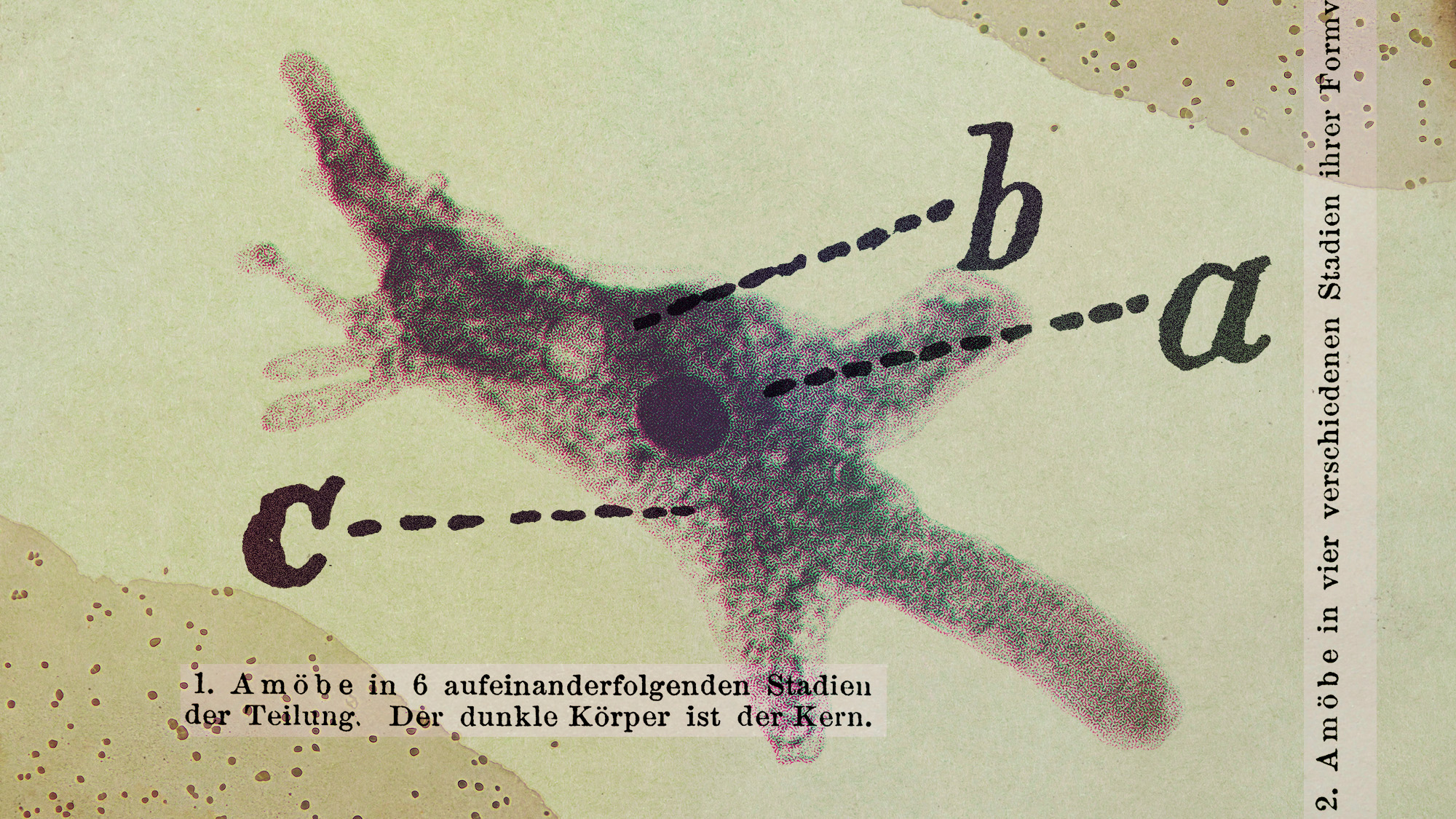
Free-living amoebas, which are single-celled organisms that do not require a host, pose a dangerous threat to humans. They are prevalent in both natural water sources and drinking water systems. They are also notoriously difficult to kill and can harbour other pathogens. Scientists say more research needs to be done to effectively control amoebic disease spread.
Amoebas’ “widespread presence in both natural and engineered environments poses significant exposure risks through contaminated water sources, recreational water activities and drinking water systems”, said a paper published in the journal Biocontaminant. While most species are harmless, there is a subset that can have serious public health consequences, like Naegleria fowleri, the brain-eating amoeba.
There is a lack of knowledge on how to deal with amoebas, making it “challenging to establish science-based regulatory standards for water treatment that are guaranteed to be effective against all threatening species”, said the study.
The threat posed by amoebas is also likely to worsen because of climate change. The rising temperatures are “expanding the geographic range of heat-loving amoebae into regions where they were previously rare”, added the study. Mitigating the spread “requires comprehensive strategies combining enhanced surveillance, rapid diagnostics and targeted environmental interventions”. Experts insist that there should also be more public awareness about the risk of amoebic infections, especially in natural bodies of water.
“Amoebae are not just a medical issue or an environmental issue,” said Professor Longfei Shu, the author of the study. “They sit at the intersection of both, and addressing them requires integrated solutions that protect public health at its source.” |