The Week The Week
flag of US
US
flag of UK
UK
https://cdn.mos.cms.futurecdn.net/flexiimages/jzblygzdxr1769609154.gif

SUBSCRIBE

Try 6 weeks free

Sign in
  • View Profile
  • Sign out
  • The Explainer
  • Talking Points
  • The Week Recommends
  • Podcasts
  • Newsletters
  • From the Magazine
  • The Week Junior
  • More
    • Politics
    • World News
    • Business
    • Health
    • Science
    • Food & Drink
    • Travel
    • Culture
    • History
    • Personal Finance
    • Puzzles
    • Photos
    • The Blend
    • All Categories
  • Newsletter sign up Newsletter
  • WeekDay AM: 10 Things you need to know this morning
    A Labour coronation, Iran sanctions eased, and the strange Atlantic ‘cold blob’

     
    today’s politics story

    Burnham set for coronation as rivals melt away

    What happened
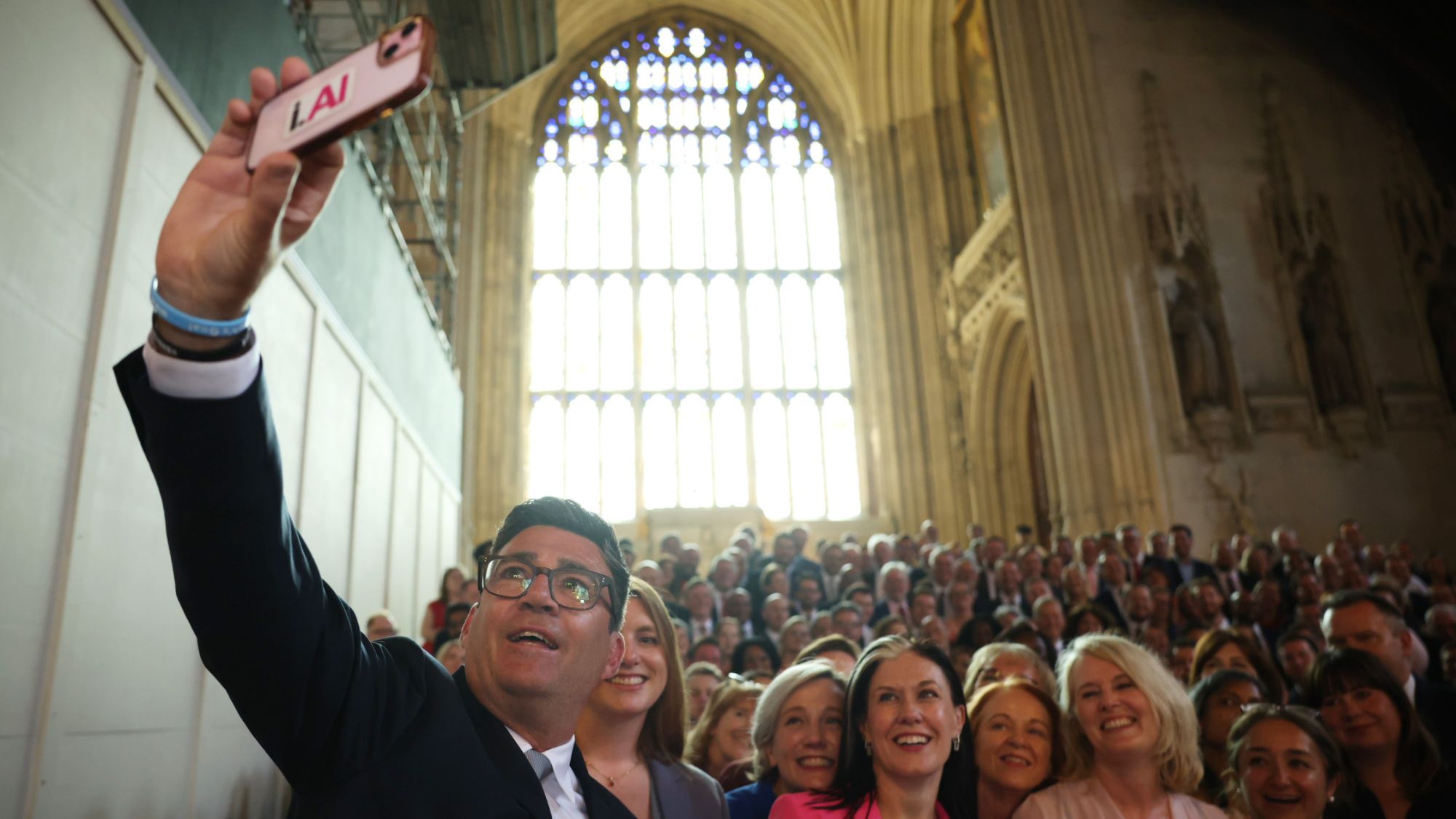
    Andy Burnham appears on course to become prime minister within weeks, with support for the newly elected Makerfield MP surging and no significant challenger having yet emerged as Labour goes through the process of replacing Keir Starmer.

    Burnham arrived at Westminster yesterday to a rapturous welcome from almost 200 Labour MPs just hours after Starmer had formally confirmed that he would step down following mounting pressure from colleagues.

    Who said what
    “You’re not the Messiah,” cried a Tory MP as Andy Burnham signed on as a new MP. “Just a naughty boy?” replied Burnham with a grin. This simple riposte “tells us why he is supplanting the lumpen Starmer”, said Tim Stanley in The Telegraph.

    But “Burnham may find, as Starmer and Sunak and Theresa May found, how quickly political capital dissolves on contact with office”, said Fraser Nelson in The Times. For all the excitement of a leadership change, “governments are ultimately judged by realities they cannot easily escape”. Burnham may also find Starmer a “hard act to follow”, said The Economist. “Not least because Labour MPs have gained a taste for rebellion.”

    Yet this is not just a poisoned challis, said Mathew Lawrence in The New Statesman. If Labour “has the courage to build a productive state, the party could truly reshape Britain for the better”. At the heart of Burnham’s plan for Britain is “Manchesterism”, said Albert Toth in The Independent. A “political vision that, in short, brings together elements of devolution and nationalisation”. But “can ‘Manchesterism’ make Britain great again?” asked Charlie Cooper on Politico. “What works for a city is hard to do at scale.”

    What next?
    Leadership candidates require nominations from 80 Labour MPs. If no other rival secures sufficient backing, Burnham could enter Downing St by the middle of next month.


    today’s international story

    US eases Iran oil sanctions as talks over final deal continue

    What happened
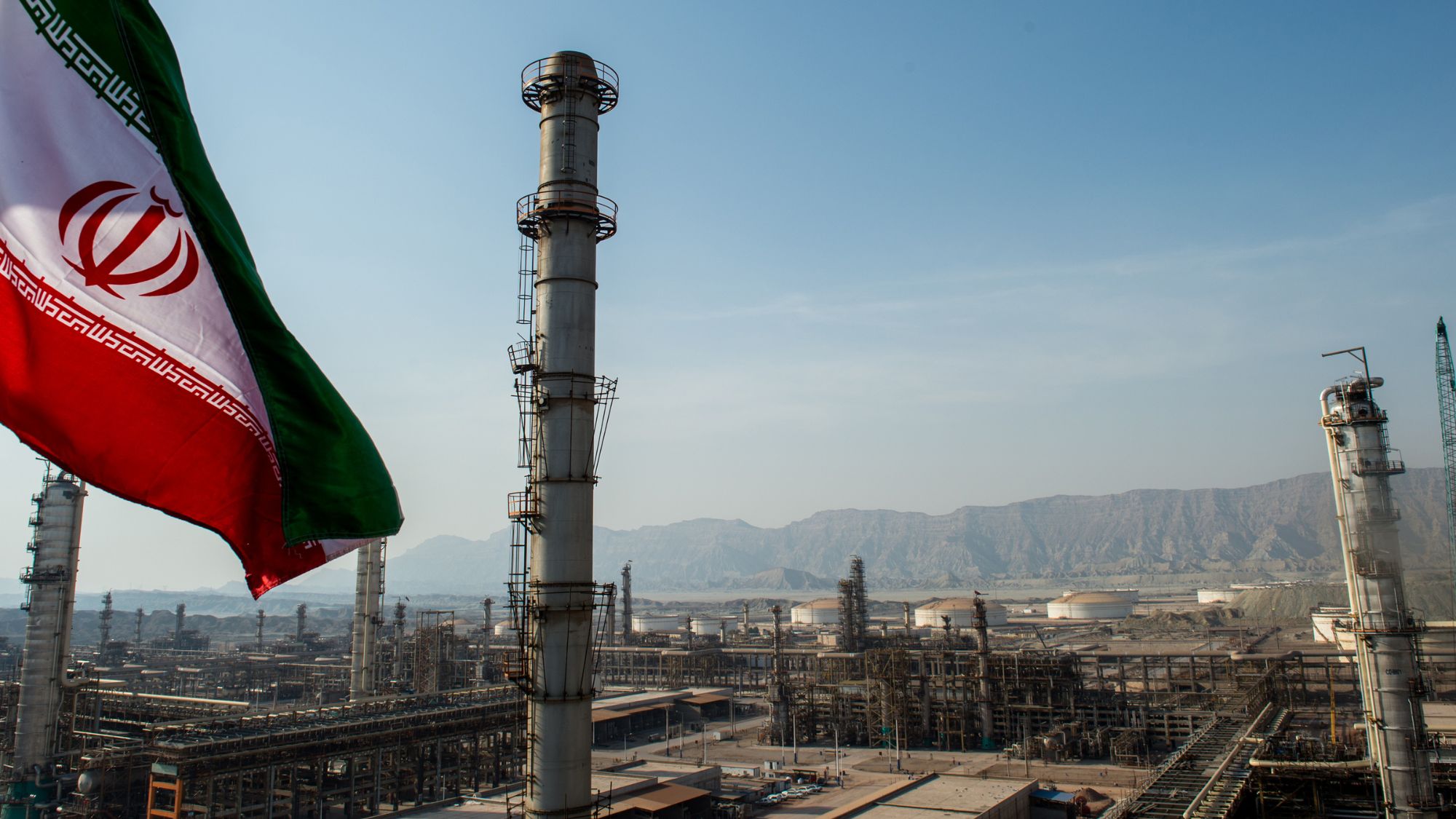
    The Trump administration has temporarily suspended sanctions on Iran’s oil industry, marking a dramatic shift in US policy as Washington seeks to build momentum in newly opened peace negotiations with Tehran.

    The 60-day pause will allow Iran to expand crude exports, sell oil at full market rates and conduct transactions in US dollars, potentially delivering a major boost to the country’s economy.

    Who said what
    US Vice-President JD Vance described the negotiations so far as a “very good foundation” for a permanent settlement and said Iran had agreed to allow United Nations inspectors to return to its nuclear facilities. However, Iranian foreign ministry spokesman Esmail Baghaei disputed that account, insisting that Tehran had made “no new commitments” on inspections. While there has been some agreement, “progress on nuclear issues is muddy”, said The New York Times.

    What next?
    Negotiators have 60 days to reach a lasting deal under the terms of last week’s ceasefire agreement. But while “Trump may survive the humiliation of the Iran deal, Netanyahu will not”, said Simon Tisdall in The Guardian. “What has the Israeli PM’s whirlwind of violence achieved? His closest ally now turning against him – and an emboldened Iran.”


    Today’s sport story

    Journalist is stood down over fatherhood comments

    What happened
    The French TV presenter at the centre of the row over Belgian international footballer Jeremy Doku’s decision to return home from the World Cup for the birth of his first child has been suspended over her outburst.

    L’Equipe’s France Pierron caused international outrage last week when she criticised Doku’s decision, saying a father is “completely useless” at the time of their child’s birth, which she said was a “disgusting moment”.

    Who said what
    In a statement, L’Equipe apologised and said Pierron’s comments were “very far removed” from its values. The presenter has also apologised, and she did not front her show on Monday.

    “The reaction in football – and elsewhere – was united,” said the BBC. England striker Ollie Watkins, who has two children, backed Doku (pictured above), saying: “I think someone labelled it disgusting and I think for a start that’s not a way to label a birth.”

    The suggestion that Doku “is some ingrate for daring to place his family above football”, said The Telegraph’s Thom Gibbs, “is a rude and ridiculous over-reach”.

    What next?
    Doku’s wife Shireen is due to give birth to their son early next month, when Belgium could possibly be competing in the knockout stages of the World Cup.


    It’s not all bad

    Holidaymakers are flocking back to the eastern Mediterranean after fears of a wider Middle East conflict prompted an early slump in bookings. Travel companies say demand for destinations including Cyprus, Turkey and Egypt has rebounded strongly, helped by discounted hotel rates and the realisation by travellers that many resorts are far from the fighting. Industry figures report that online searches for holidays in the region are rising sharply, with some operators saying business has returned to normal – welcome news for tourism firms that feared a disastrous summer season.


    under the radar

    The ‘cold blob’ causing trouble in the Atlantic

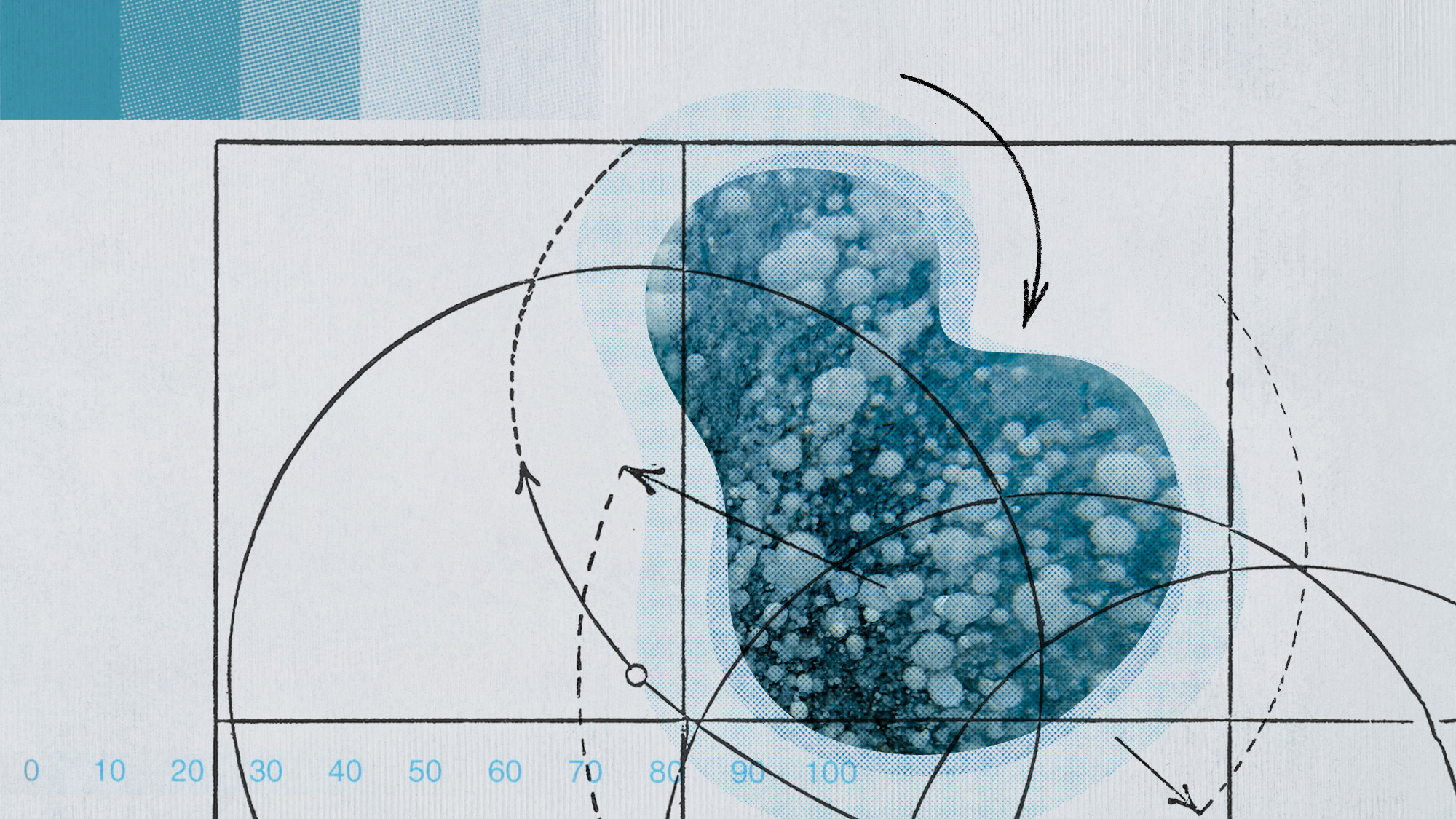
    While the world’s oceans have generally been heating up, one patch of the Atlantic located south of Greenland has been dropping in temperature. Dubbed the “cold blob”, the region’s cooling is likely tied to the growing unsteadiness of one ocean current system due to climate change. And the collapse of that system could lead to disruptions in global weather patterns.

    The Atlantic cold blob has cooled by nearly one degree Celsius (1.8 degrees Fahrenheit) since 1900. The region is also the “only part of the world” that has “cooled significantly since the 19th century, both in the atmosphere and ocean”, said a study published in the journal Geophysical Research Letters. Scientists believe that the climate anomaly is happening because of shifts in a network of ocean currents called the Atlantic Meridional Overturning Circulation (AMOC).

    The AMOC “works like a vast ocean conveyor belt, pulling warm water from the tropics to the Northern Hemisphere, where it cools, sinks and flows back south”, said CNN. Over time the system has been “weakening as human-driven global warming melts ice and causes a surge of freshwater into the ocean, disrupting the AMOC’s delicate balance of heat and salinity”.

    Eventually, the current system may “become so weak” that it can “no longer distribute heat around the world”, said USA Today. The collapse of the AMOC has been deemed a climate tipping point after which there will be irreversible ecological damage.

    While scientists do not know when the AMOC tipping point will be reached, it could “trigger dramatically cold winters in northern Europe” when it is, said Euronews. An AMOC collapse would also cause sea levels on the east coast of the US to “rise rapidly since the current normally drives water away from the land”, and “storms in the Atlantic would increase in intensity”.


    on this day

    23 June 2018

    Zimbabwe’s President Emmerson Mnangagwa survived an assassination attempt when a blast at an election rally in Bulawayo killed two people and injured nearly 50. This week Zimbabwe’s lower house of parliament passed a bill extending presidential terms from five to seven years, allowing Mnangagwa to remain in power until 2030.


    Today’s newspapers

    ‘Bowing out’

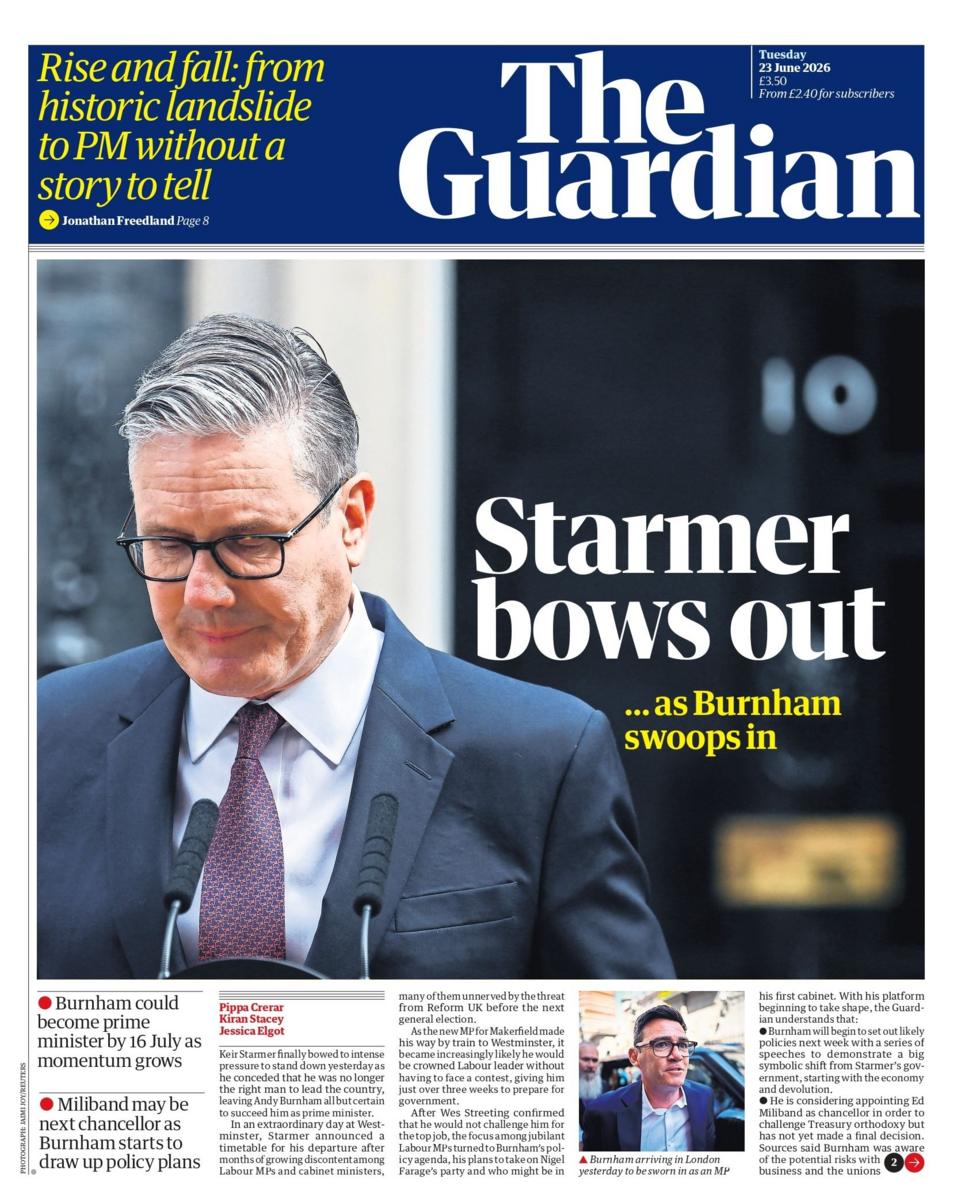
    “Starmer bows out”, says The Guardian. “Out of time”, says The Mirror, reflecting on a “decent man” who “tried his very best in an almost impossible job”. Andy Burnham is “set for coronation”, The Telegraph says. He is a “Messiah” without a “mandate”, says the Daily Mail and “he thinks it’s all over”, says The Sun. It’s “regime change”, says The Independent. Meanwhile, the Daily Express launches a campaign urging MPs to “give us a proper Brexit” and “deliver the will of the people” a decade on.

    See the newspaper front pages


    tall tale

    Unlikely neigh-bour

    A month-old pony has moved into a fourth-floor flat in Croatia. The equine, called Mile, became the newest resident of an apartment building in the northern coastal town of Rovinj after his mother rejected him at birth. He shares the flat with Andjelka Josipovic, her partner Kristijan Jelenic, her two sons and a dog. He requires round-the-clock care after undergoing an operation for a life-threatening infection, but Josipovic told AP that she expects him to recover because he has a “strong desire to suckle, eat and fight”.


    Morning Report was written and edited by Arion McNicoll, Jamie Timson, Will Barker, Ross Couzens and Chas Newkey-Burden, with illustrations by Julia Wytrazek.

    Image credits, from top: Dan Kitwood / Getty Images; Ali Mohammadi / Bloomberg / Getty Images; Henry Rodenburg / Icon Sportswire / Getty Images; Illustration by Julia Wytrazek / Getty Images.

    Morning Report and Evening Review were named Newsletter of the Year at the Publisher Newsletter Awards 2025
     

    Recent editions

    • Evening Review

      Was ‘lame’ Keir Starmer destined to fail?

    • Morning Report

      Starmer poised to outline exit timetable

    • Sunday Shortlist

      Steven Spielberg’s ‘proper summer blockbuster’

    VIEW ALL
    TheWeek
    • About Us
    • Contact Future's experts
    • Terms and Conditions
    • Privacy Policy
    • Cookie Policy
    • Advertise With Us
    • FAQ
    Add as a preferred source on Google Add as a preferred source on Google

    The Week UK is part of Future plc, an international media group and leading digital publisher. Visit our corporate site.

    © Future Publishing Limited Quay House, The Ambury, Bath BA1 1UA. All rights reserved. England and Wales company registration number 2008885.