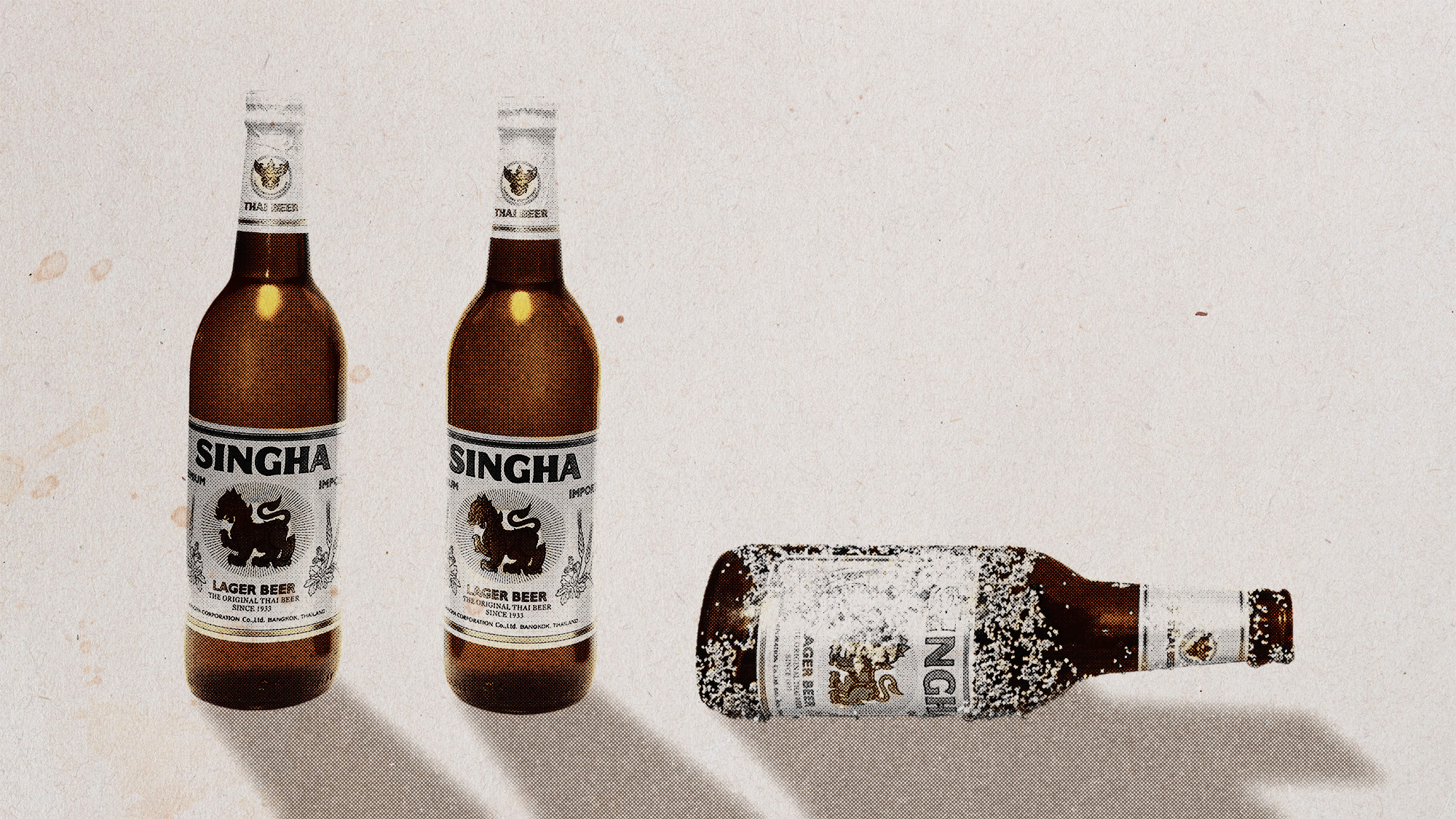
The matriarch of one of Thailand’s richest families has finally dropped a lawsuit against her son just days before it was scheduled to come to court. Chiranuj Bhirombhakdi was suing her son under the 1908 “ungrateful child law”, claiming that his actions had caused material and reputational damage to the family.
In May, Siranudh “Psi” Scott, heir to the Singha beer dynasty, caused a “firestorm of controversy” when he made allegations that he had been sexually abused by his older brother, Sunit, and a babysitter, said The Japan Times. Despite “strenuously” denying the allegations, Sunit was removed from executive roles at Singha’s parent company, Boon Rawd Brewery, soon after the claims were made.
Psi reportedly first told other family members of the alleged abuse about three years ago, but “accepted financial compensation from them to keep quiet”, according to the Taipei Times. However, after his mother sued him this year over a property dispute, he decided to speak out.
This “bitter” legal case was centred around a “century-old law reinforcing traditional values of obedience and hierarchy”, said The Telegraph. Known as the “ungrateful child law”, the 1908 legislation is used to “protect parents from neglectful children”, enabling them to withdraw gifts or financial donations if their offspring are deemed “ungrateful, physically abusive, neglectful in old age, or responsible for serious reputational harm”.
Some of Asia’s biggest countries have similar laws, and “more are on the way”, said Asia editor Richard Lloyd Parry in The Times. China, Singapore and Taiwan all place “varying legal obligations on children under civil or criminal law”.
At their core, such laws “codify an assumption that was common in most pre-modern societies”: whatever joy they bring to their parents’ lives, “children are a form of investment”, delivering “returns” through financial support when they start work, and via “physical care when their parents become feeble in body”. Yet, as the Singha beer dynasty case demonstrates, such statutes and penalties may be “crude tools for dealing with the fraught emotional dynamics of families”. |