The Week The Week
flag of US
US
flag of UK
UK
https://cdn.mos.cms.futurecdn.net/flexiimages/jzblygzdxr1769609154.gif

SUBSCRIBE

Try 6 weeks free

Sign in
  • View Profile
  • Sign out
  • The Explainer
  • Talking Points
  • The Week Recommends
  • Podcasts
  • Newsletters
  • From the Magazine
  • The Week Junior
  • More
    • Politics
    • World News
    • Business
    • Health
    • Science
    • Food & Drink
    • Travel
    • Culture
    • History
    • Personal Finance
    • Puzzles
    • Photos
    • The Blend
    • All Categories
  • Newsletter sign up Newsletter
  • WeekDay AM: 10 Things you need to know this morning
    Early release delayed, Infantino under pressure, and Britain’s solar power record

     
    today’s politics story

    Burnham delays early release and excludes rapists

    What happened
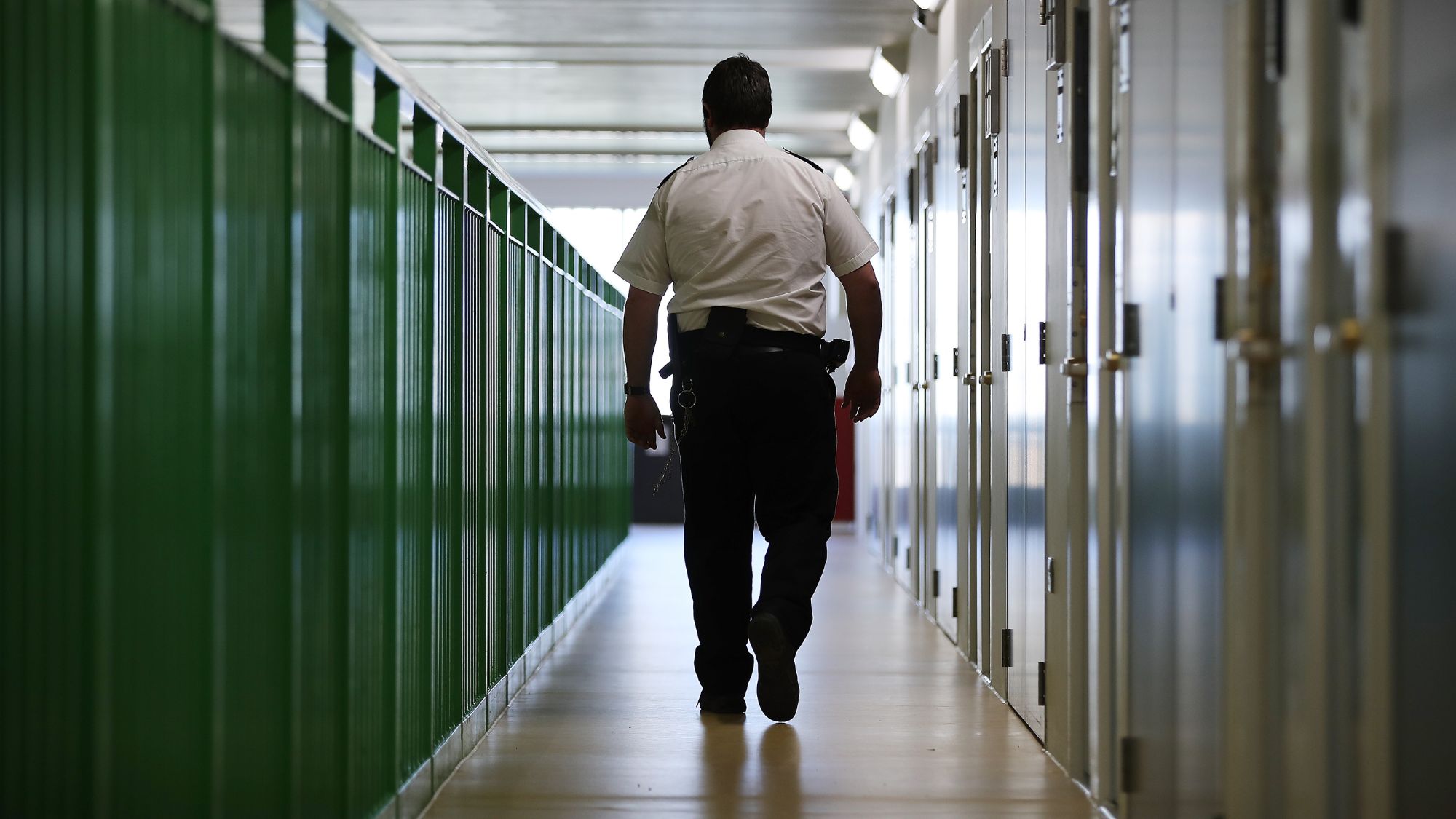
    Andy Burnham has pushed back the start of a controversial prisoner release programme by a month and ruled that people convicted of rape, serious child sex crimes and grooming will not qualify. The scheme, now due to begin in October, is intended to relieve prison overcrowding across England and Wales. However, some people convicted of violent offences – including two men jailed over the death of PC Andrew Harper – will still be eligible for release after serving just half of their sentences.

    Who said what
    Burnham said he understood the “anger, anxiety and distress” surrounding the policy. Police Federation chair Tiff Lynch warned that releasing those convicted over an officer’s death would damage public confidence and cause distress for their bereaved families.

    This was a “major intervention” by the prime minister, said Rajeev Syal and Alexandra Topping in The Guardian, which “follows days of wrangling inside the Ministry of Justice and No. 10 over how to calm public anger while still ensuring that the criminal justice system does not seize up”. The Opposition argues that the revised scheme still goes too far, with some killers and sex offenders remaining eligible for early release.

    What next?
    The government will introduce tighter supervision and exclusion zones for released offenders, alongside £10 million for victim support. Ministers say any further concessions could cause the prison system to reach capacity and “collapse”.


    today’s international story

    EU calls for united border response after Ceuta crisis

    What happened
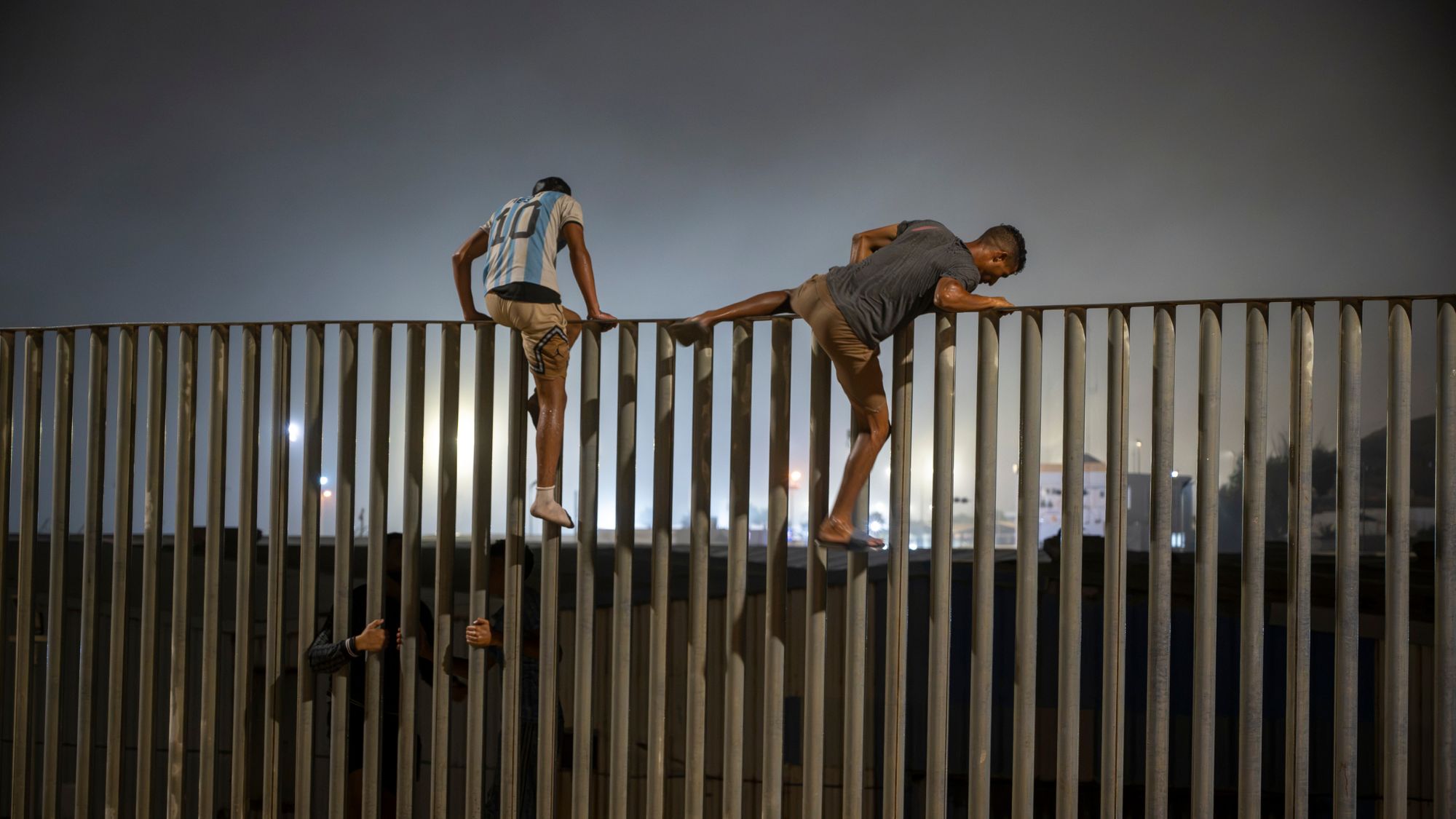
    The European Commission has urged member states to strengthen border controls following the mass arrival of migrants in Spain’s North African territory of Ceuta last week. Spanish authorities estimate that about 69,500 people have since gone back to Morocco, while 72 have died on the Spanish side of the border and another 11 in Morocco. The episode has exposed divisions within the EU, with Italy temporarily suspending its Schengen arrangements with Spain and several other countries backing the move.

    Who said what
    European Commission president Ursula von der Leyen praised Spanish Prime Minister Pedro Sánchez for his “swift handling” of the crisis, but said Europe needed “united action”.

    “Ceuta is a warning the West cannot ignore,” said William Hague in The Times. “Europe must re-engage with crisis-hit states in the Sahel, where population growth will make mass migration inevitable.”

    What next?
    EU interior ministers will hold emergency talks by video conference today. Von der Leyen wants member countries to improve their external border controls, establish early warning systems, disrupt smuggling operations and increase the number of migrants being returned. Spain is also developing an inflatable barrier to restrict crossings by sea.


    Today’s sport story

    Infantino under threat as more members break ranks

    What happened
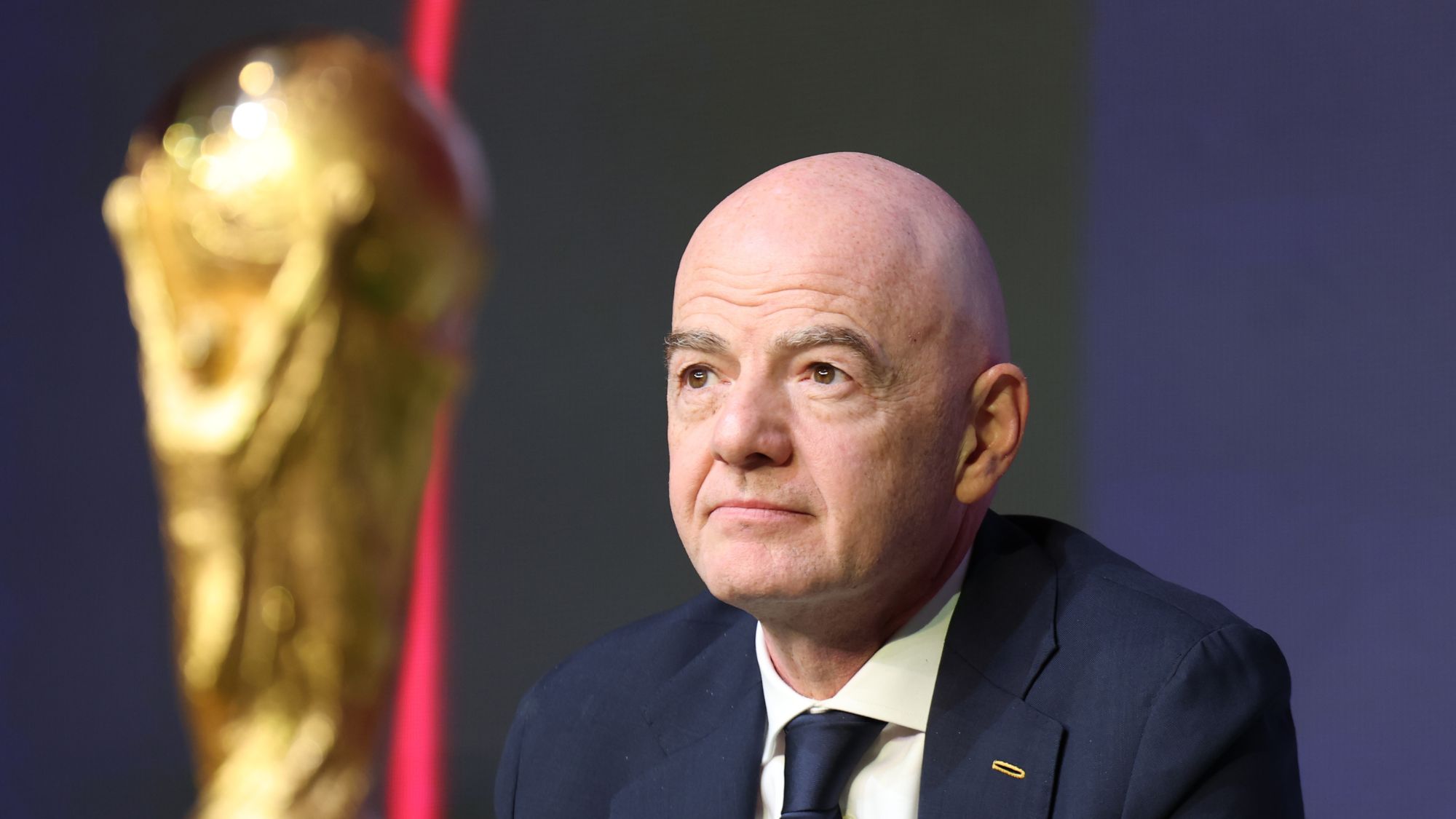
    The FA is set to follow Wales in withdrawing its support for Fifa President Gianni Infantino following his now-scrapped plans to sell off stakes of the organisation to private investors.

    Uefa is also considering legal action against Infantino’s Fifa Forward Enterprise and has demanded that the governing body’s executives preserve all documents relating to the enterprise.

    Who said what
    On Saturday the FA released a statement calling for a “full and robust review of Fifa’s leadership and governance to ensure that the global game is run transparently”.

    While it has previously “fallen into line behind Infantino”, the FA’s new “robust” stance is increasing the pressure on the president’s “crisis-hit tenure”, according to The Guardian.

    This is a “huge fall from grace” for Infantino just two weeks after the World Cup final, said Sky Sports. He has not “delivered any sort of contrition” demanded by Uefa, and appears to be surrounded by a “narrowing number of people” trying to “figure out a way out of this”.

    What next?
    Infantino is set to stand for re-election next March for the 2027-2031 term and will require 106 votes from Fifa’s 211 members in order to win.


    It’s not all bad

    Britain’s solar power hit a record level last month, supplying 14.4% of the country’s electricity as households and solar farms took advantage of the unusually sunny weather. The figure smashed the previous monthly record of 12.4% – which was only set in May – and was 50% higher than a year earlier. More than 142,000 new solar installations were added in the first half of this year, putting the country on track for its biggest annual increase since 2011.


    under the radar

    Can pepper-spraying drones stop US school shooters?

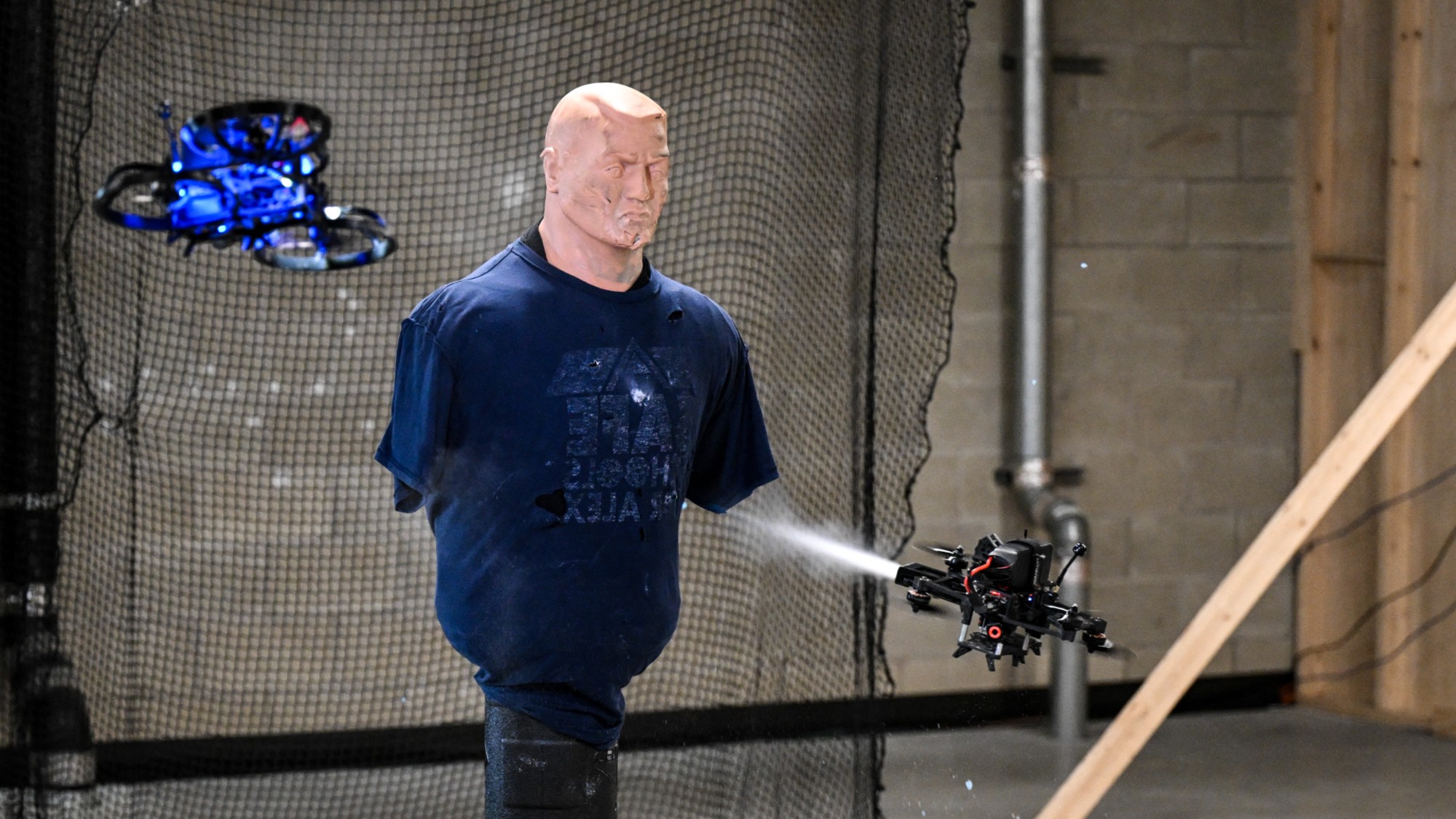
    A company in Austin, Texas claims to have found a new solution to school shooters: drones. Mithril Defense is currently designing pepper-spraying drones – inspired by the Ukrainian military’s successful drone program – that the company claims can respond to an active shooter within seconds. But while some are lauding the idea, others feel that putting this technology into schools might bring more problems than solutions.

    The drone program developed by Mithril, called Campus Guardian Angel, provides an “elite, on-site safety response capability that works alongside school safety teams, confronting any active shooter threat”, according to the company’s website. The drones are flown remotely and can reportedly arrive at a shooter’s location in 15 seconds. They are currently being provided to schools in Colorado, Florida and Georgia.

    But many people fear that this concept may not be as effective as tech enthusiasts hope – and could cause additional safety issues. The drones “might accidentally target a fleeing student instead of a shooter” or “remote pilots, in a split-second decision, might mistake a law enforcement officer for a shooter, especially if teachers initiate a false alarm”, Curtis Lavarello, head of the School Safety Advocacy Council, told The Washington Post.

    The approach also “seems to reflect that part of America which says the way to address recurrent school shootings” is “not with stricter gun control laws”, said Moisés Ávila at Barron’s, but “rather with weaponry, such as giving teachers guns”.


    on this day

    4 August 2018

    Nicolás Maduro survived an assassination attempt by drone – live on TV in Caracas. Seven soldiers were injured in the attack, and several people were later arrested. A New York judge recently scheduled the US drug trafficking trial of Maduro and his wife, Cilia Flores, to begin on 1 June next year.


    Today’s newspapers

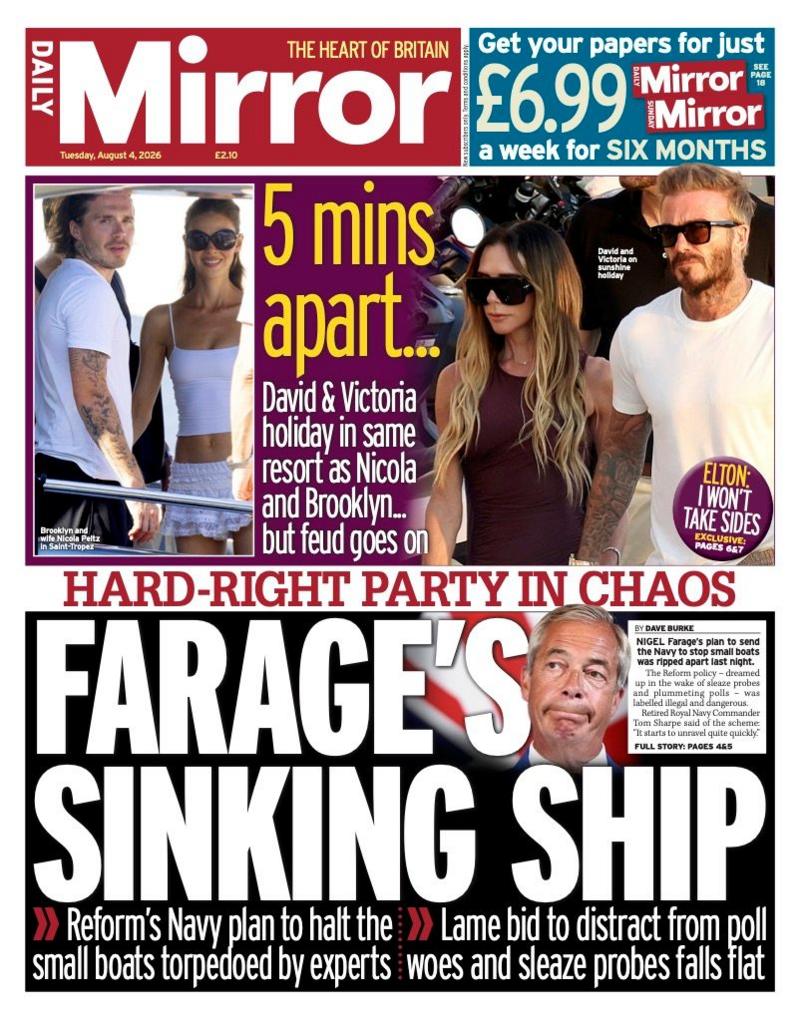
    ‘Sinking ship’

    It’s “Farage’s sinking ship”, says The Mirror, adding that Reform UK is in “chaos”. It was the “driest July in 190 years”, says The i Paper. “Rapists and groomers will not be freed early”, Andy Burnham says in The Guardian, as the paper reports on the early prisoner release scheme. “Killers but not rapists to be given early release”, says The Times as the “PM waters down scheme but can't go further”. Apple has launched a “legal challenge to new demand for data access”, the Financial Times reports.

    See the newspaper front pages


    tall tale

    Disaster for Google

    Google has been forced to remove a brand-new AI tool for Google Earth after users were able to create fake catastrophes on its satellite views. The retracted feature, “Create Image”, which only lasted 48 hours after launch, allowed text prompts to generate false scenarios on top of a base layer of real satellite, aerial or 3D imagery. Users shared altered images showing the destruction of the Pyramids and Eiffel Tower, as well as Russian tanks in Kyiv. The tech giant responded to the backlash by saying it was working on “implementing stronger guard rails”.


    Morning Report was written and edited by Arion McNicoll, Jamie Timson, Will Barker, Justin Klawans, Ross Couzens and Chas Newkey-Burden.

    Image credits, from top: Dan Kitwood / Getty Images; Marcos Moreno / Europa Press / Getty Images; Tasos Katopodis – FIFA / Getty Images; Ronaldo Schemidt / AFP / Getty Images.

    Morning Report and Evening Review were named Newsletter of the Year at the Publisher Newsletter Awards 2025
     

    Recent editions

    • Evening Review

      Will Reform and Restore unite the right?

    • Morning Report

      Burnham to be ‘relentless’ on small boat arrivals

    • Sunday Shortlist

      The ‘magnetic’ journalist who stood up to Trump

    VIEW ALL
    TheWeek
    • About Us
    • Contact Future's experts
    • Terms and Conditions
    • Privacy Policy
    • Cookie Policy
    • Advertise With Us
    • FAQ
    Add as a preferred source on Google Add as a preferred source on Google

    The Week UK is part of Future plc, an international media group and leading digital publisher. Visit our corporate site.

    © Future Publishing Limited Quay House, The Ambury, Bath BA1 1UA. All rights reserved. England and Wales company registration number 2008885.