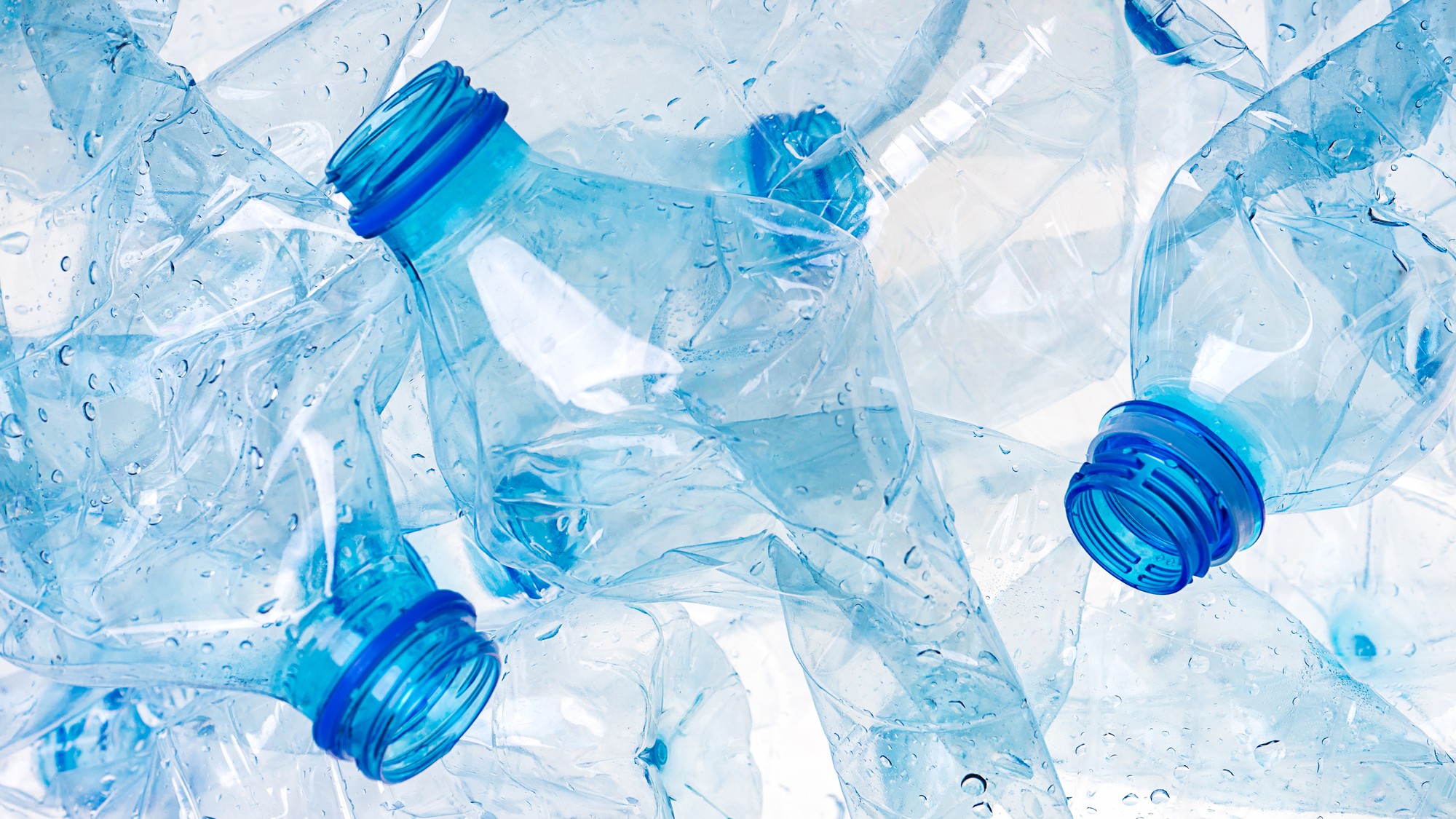
The sweet treat of the future could be plastic. Scientists have found a way to transform plastic waste, along with other food additives and ingredients, into edible cookies. The method could combat refuse accumulation and provide sustenance in remote areas or disaster zones – maybe even in space some day. However, many people are understandably unsure about eating plastic and there’s a long road ahead before the cookies can hit shelves.
According to research that was presented at the autumn meeting of the American Chemical Society (ACS), scientists have “programmed yeasts to turn plastic and agricultural waste into edible proteins and flavoring molecules”, creating a treat dubbed µBites (micro bites), said an ACS news release.
Polyethylene terephthalate, or PET, from plastic bottles and “discarded sweet corn plant stalks and leaves” were put through a process called “oxidative hydrothermal dissolution”, which “uses heat to break down the materials into components that microbes can digest”, said New Scientist. The components are “fed to yeast that has been genetically altered using CRISPR gene-editing technology”, allowing it to “convert the components into a variety of useful ingredients, including proteins, fats and acids, as well as vanilla flavouring and beta-carotene, which the body can convert into vitamin A”. Then “fibre, starch and sweetener are added, and the paste is extruded through a 3D printer into any desired shape”. Thus µBites are produced.
Rather than becoming a mainstream treat, the “µBites system is a tunable and portable device that integrates all necessary components” that could be “deployed in submarines or disaster relief vehicles to produce on-demand, on-site food”, Lahiru Jayakody, a microbiologist at Southern Illinois University Carbondale who worked on the study, told ScienceAlert. The process is also “particularly suited for using carbon waste in extreme environments such as deserts, the Arctic or the Antarctic to make food”, and potentially even “on Mars or the lunar surface”. |