The Week The Week
flag of US
US
flag of UK
UK
https://cdn.mos.cms.futurecdn.net/flexiimages/jzblygzdxr1769609154.gif

SUBSCRIBE

Try 6 weeks free

Sign in
  • View Profile
  • Sign out
  • The Explainer
  • Talking Points
  • The Week Recommends
  • Podcasts
  • Newsletters
  • From the Magazine
  • The Week Junior
  • More
    • Politics
    • World News
    • Business
    • Health
    • Science
    • Food & Drink
    • Travel
    • Culture
    • History
    • Personal Finance
    • Puzzles
    • Photos
    • The Blend
    • All Categories
  • Newsletter sign up Newsletter
  • Sunday Shortlist, from The Week
    A ‘provocative’ film and a ‘very special’ drama

     
    FILM REVIEW

    The Drama  

    Zendaya and Robert Pattinson star in dark wedding movie

    “No other film this year will make you feel as uncomfortable as ‘The Drama’,” said Clarisse Loughrey in The Independent. It’s a “provocative and compulsively watchable” romcom – albeit one that “obliterates the very meaning of the word”.

    Zendaya and Robert Pattinson star as Emma and Charlie, a pair of gorgeous young Bostonians who meet in a café, fall in love and are now in the run-up to their wedding. So far so good, until “an idle, drunken conversation” one night with their closest friends (Mamoudou Athie and Alana Haim) leads to a round of confessions about the worst thing they’ve ever done. It’s all laughed off – until Emma’s turn. Without giving away any spoilers, “what she says next immediately sucks the air from the room”.

    People are going a “little cuckoo” over this movie, said David Fear in Rolling Stone. Emma’s bombshell is “the point of no return for the characters” – and, for some audiences, the moment “The Drama” “loses them”. It certainly walks “a thin line between thought-provoking and trolling”; you do wonder “if the sudden introduction of an issue much, much bigger than the film itself isn’t simply a shock value masquerading as shock therapy”.

    The film is also tonally uneven, said Nicholas Barber on BBC Culture. Oddly, it devotes more energy to “awkward cringe comedy” than to the characters and their feelings; it’s hard to believe, for instance, that Emma and Charlie would only have “a few faltering chats” about her confession, rather than discussing it properly.

    Still, ‘The Drama’ is “beautifully made”, and most people who see it “will end up having in-depth debates, even if the characters themselves don’t manage it. The first great cinematic conversation-starter of 2026 is here.”


    TV REVIEW

    Babies  

    Heartbreakingly realistic BBC drama about fertility struggles

    Stefan Golaszewski specialises in uncomfortably hard-hitting dramas, said Vicky Jessop in The Standard, such as his 2022 series “Marriage”. But “Babies” might be the most “hard-hitting of them all”.

    Paapa Essiedu and Siobhán Cullen star as Stephen and Lisa, a couple in their mid-30s who are reeling from a miscarriage, and enduring the “endless, draining slog of trying, trying and trying again to conceive”. It’s a “gruelling” watch, but Essiedu and Cullen deliver “fantastic performances” to create what might be one of this year’s “most powerful” TV shows.

    “Every moment is here” in this heartbreakingly realistic BBC drama, said Anita Singh in The Telegraph. There’s “the realisation that you’re bleeding as you sit at your office desk”, and “the silence of the sonographer before she tells you there is no heartbeat”. But eight episodes is just “too many”, and the long stretches where Lisa and Stephen “wordlessly watch TV”, or have an “interminable conversation about poached eggs, will sap your will”. There’s also a secondary storyline – about Stephen’s best friend Dave (Jack Bannon) and his girlfriend Amanda (Charlotte Riley) – which is “truly, bafflingly terrible”.

    I had a few quibbles, said Sarah Dempster in The Guardian. Some themes, such as toxic masculinity, are “overplayed”, and it’s best to ignore the “busker- ish theme tune” (performed by Golaszewski himself). But overall, this is “a very special” series – “unsettling, compassionate, funny, moving, wildly unpredictable and beautifully acted”.


    BOOK OF THE WEEK

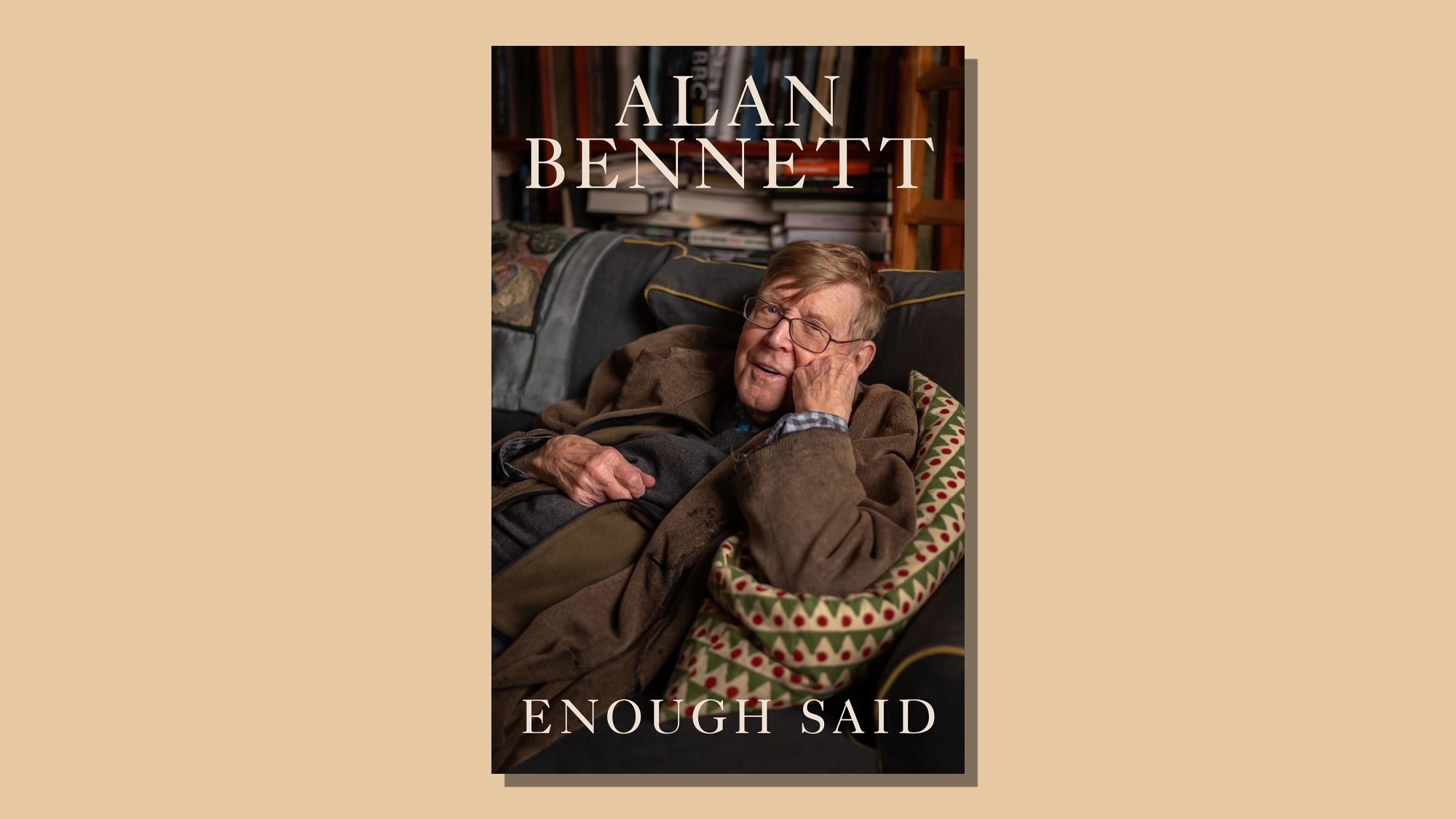
    Enough Said

    by Alan Bennett

    Alan Bennett once said that “if you live to be 90 in England and can still eat a boiled egg, they think you deserve the Nobel Prize”. Well, here he is at 91, serving up “another volume of his punctiliously kept and endlessly diverting diaries”, said Nick Curtis in The Independent.

    “Enough Said” covers the years 2016 to 2024: “the pandemic, the rise of populism, and the likely last spurt of his formidable creative output”, with the play “Allelujah!”, the film “The Choral” and the novella “Killing Time”.

    The general theme is of loss and “diminution”, as deafness, lack of mobility, cataracts and other medical problems intrude. The “dramatis personae of his life” are dying off: Maggie Smith, his “adored” friend and collaborator; Jonathan Miller, an old friend and rival from his “Beyond the Fringe” days; and Queen Elizabeth II, his subject in the play “A Question of Attribution”. Revolted by Brexit and Boris Johnson, Bennett feels that his version of England is dying too, “its libraries closing and its churches unappreciated”. But he and his partner Rupert Thomas “still rummage through junk shops”, “frequent out-of-the-way churches” and eat fish and chips.

    More than once, Bennett “apologises to the reader for saying things he’s said many times before”, said Philip Hensher in The Spectator. And he certainly does often return “to his most treasured material – family, and his exemplary standing as the grammar school boy who brought off an Oxford first”. (“Does it mean you’ve come top?” his mother asked when the results arrived.)
    His memories of his Yorkshire boyhood are “wonderfully evocative of a lost world”. Rather less rewarding “are his highly conventional opinions” on politics, which “are precisely the same” as those of every other millionaire Londoner “living between Primrose Hill and Hampstead Garden Suburb”.
    But his “relish” for spoken language is still there. He notes a woman in a Yorkshire newsagent, seeing news of a lightning strike, admitting cheerfully: “I love it when they have it nasty down south.”

    Even as a young man, Bennett was a bit of a fogey, said Johanna Thomas-Corr in The Times. Back in the 1980s, he wrote about the elderly “with piercing tenderness” in his “Talking Heads” series. “So old age feels like a homecoming, a phase for which he has been practising all of his life.” Yet he’s still suffering “adolescent doubts”. When he enters a room full of people, he feels about 16. He worries about whether he has made his mark; he fears being remembered as a “chronicler of the toasted teacake”. “In an age of curated self-belief, his vulnerabilities feel refreshing, his reticence almost radical.”


    OBITUARY

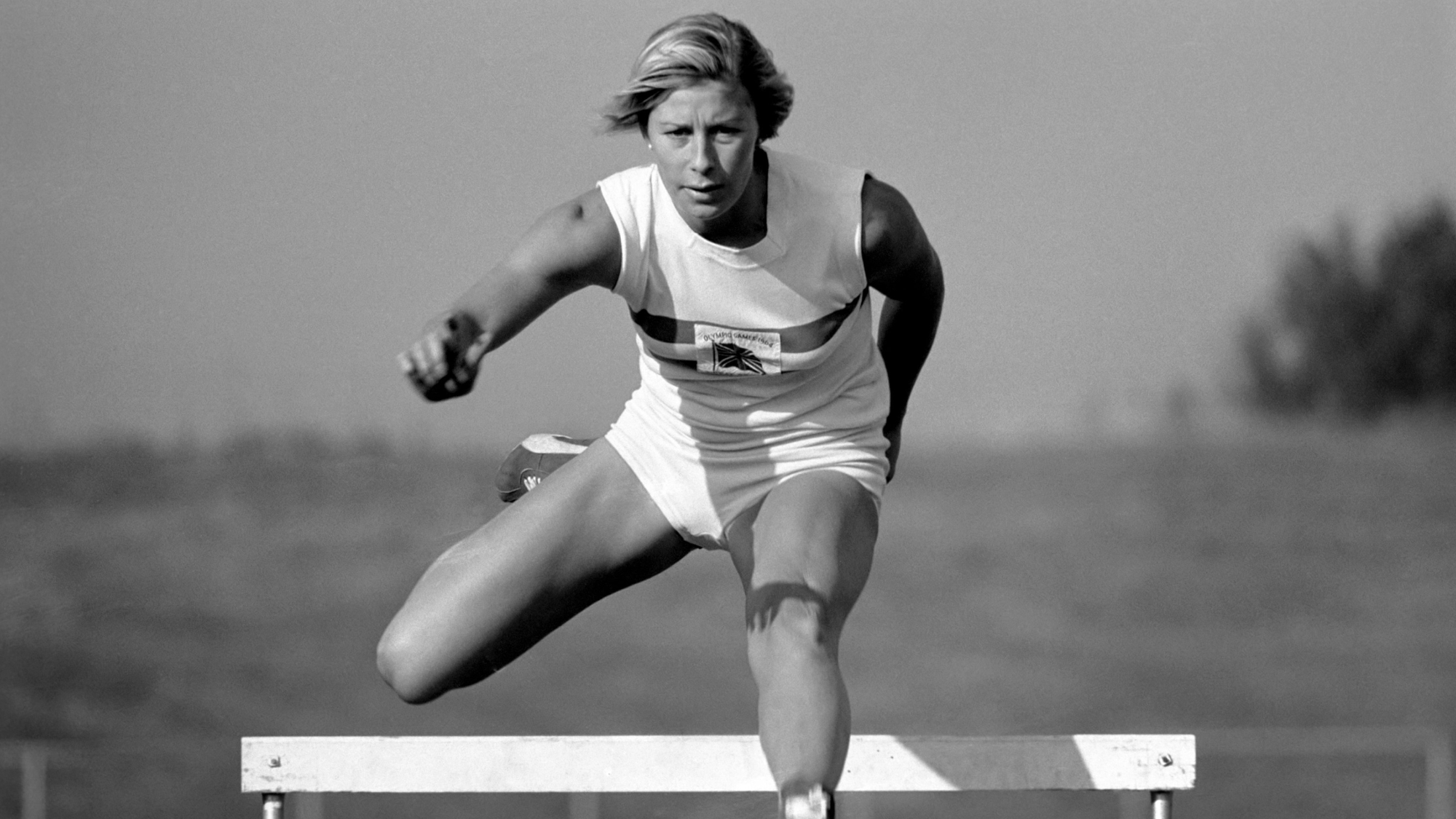
    Mary Rand

    Athlete whose Olympic success dazzled Britain in the 1960s

    Mary Rand, who has died aged 86, was the first British woman to win an Olympic gold medal for athletics. At the 1964 Games in Tokyo, the day of the long-jump competition started unpropitiously, with hailstones raining down on the stadium, said The Times. Nevertheless, Rand broke the British record in the qualifier, with a jump of 6.52 metres; then, in the fifth round, as the cinder track was starting to lose its grip, she produced – from a run into a headwind – a jump of 6.76 metres. This set a new world record, and won her the gold. It was an extraordinary leap. Even today, it would put her in medal contention, and it was said that in better conditions, she might have hit seven metres. She went on to win silver in the pentathlon and a bronze in the sprint relay, making her also the first female British athlete to win three medals at one Olympic Games.

    Mary Bignal was born into a large working-class family in Wells, Somerset, in 1940. Her mother was a nurse, her father a chimney sweep and window cleaner. “I was always a tomboy,” she recalled. “I always followed my brothers, and I think I started out running around an orchard.” Her “prodigious natural athleticism” was evident from an early age, said The Guardian, and at 15 she won a scholarship to Millfield, the leading public school for sports. She was terrified, she said: it was a big change from living in a council house. But the school assigned her a coach, and at 17 she broke a British record for the pentathlon. She was expelled for travelling to Paris with her boyfriend, a former pupil, but it didn’t seem to interfere with her athletics: the next year she won silver in the long jump at the Commonwealth Games in Cardiff.

    She went into the 1960 Olympics as a favourite for the long jump, but she fouled two jumps, lost confidence and came home empty handed. In 1961 she became engaged, on the basis of a three-day relationship, to the Olympic rower Sid Rand. It was, she admitted, a bit impetuous. They were married five weeks after meeting and had a baby 11 months later.

    In 1962, just two months after the birth of her daughter, she won bronze at the European Championships in Belgrade. With no corporate sponsorship in that era, Rand worked part time in the post room of a Guinness factory, and joked that her training regime consisted of half a pint of stout each day.

    In Tokyo, her roommates included Ann Packer, who won a gold medal of her own, for the 800 metres, days after Rand had won hers. The Games made her a major celebrity and a pin-up, said The Telegraph. A newspaper dubbed her “Marilyn Monroe on spikes”; she met The Beatles; and Mick Jagger named her his “dream date”. She was crowned BBC Sports Personality of the Year; and was made MBE. She won another long jump gold at the Commonwealth Games in 1966, but injury meant she was unable to defend her title at the 1968 Olympics. Her first marriage having ended, she moved to the US with her second husband, the American decathlete Bill Toomey, with whom she had two more daughters. She never returned to athletics, nor did she live in the UK again, but just before the 2012 Olympics she was invited home to Wells, to receive the Freedom of the City. She was worried she might have been forgotten by then, but in the event, hundreds of people lined the streets to greet her.

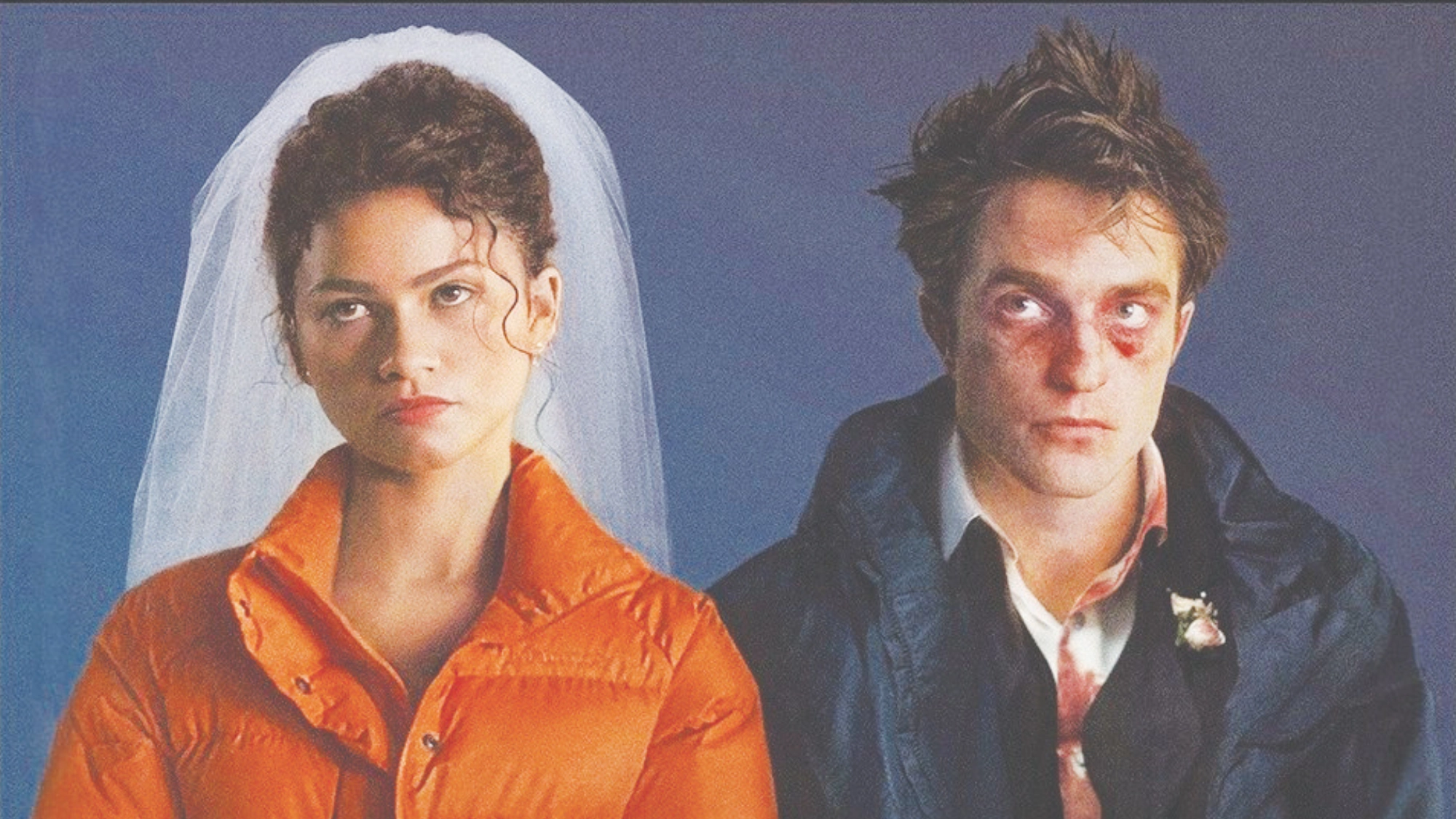


    Image credits, from top: BFA; BBC; Profile Books; MirrorPix / Getty
     

    Recent editions

    • Saturday Wrap

      ‘In America, we don’t have kings’

    • Evening Review

      Irish fuel protests spark chaos

    • Morning Report

      Israel agrees Lebanon talks but continues strikes

    VIEW ALL
    TheWeek
    • About Us
    • Contact Future's experts
    • Terms and Conditions
    • Privacy Policy
    • Cookie Policy
    • Advertise With Us
    • FAQ
    Add as a preferred source on Google Add as a preferred source on Google

    The Week UK is part of Future plc, an international media group and leading digital publisher. Visit our corporate site.

    © Future Publishing Limited Quay House, The Ambury, Bath BA1 1UA. All rights reserved. England and Wales company registration number 2008885.