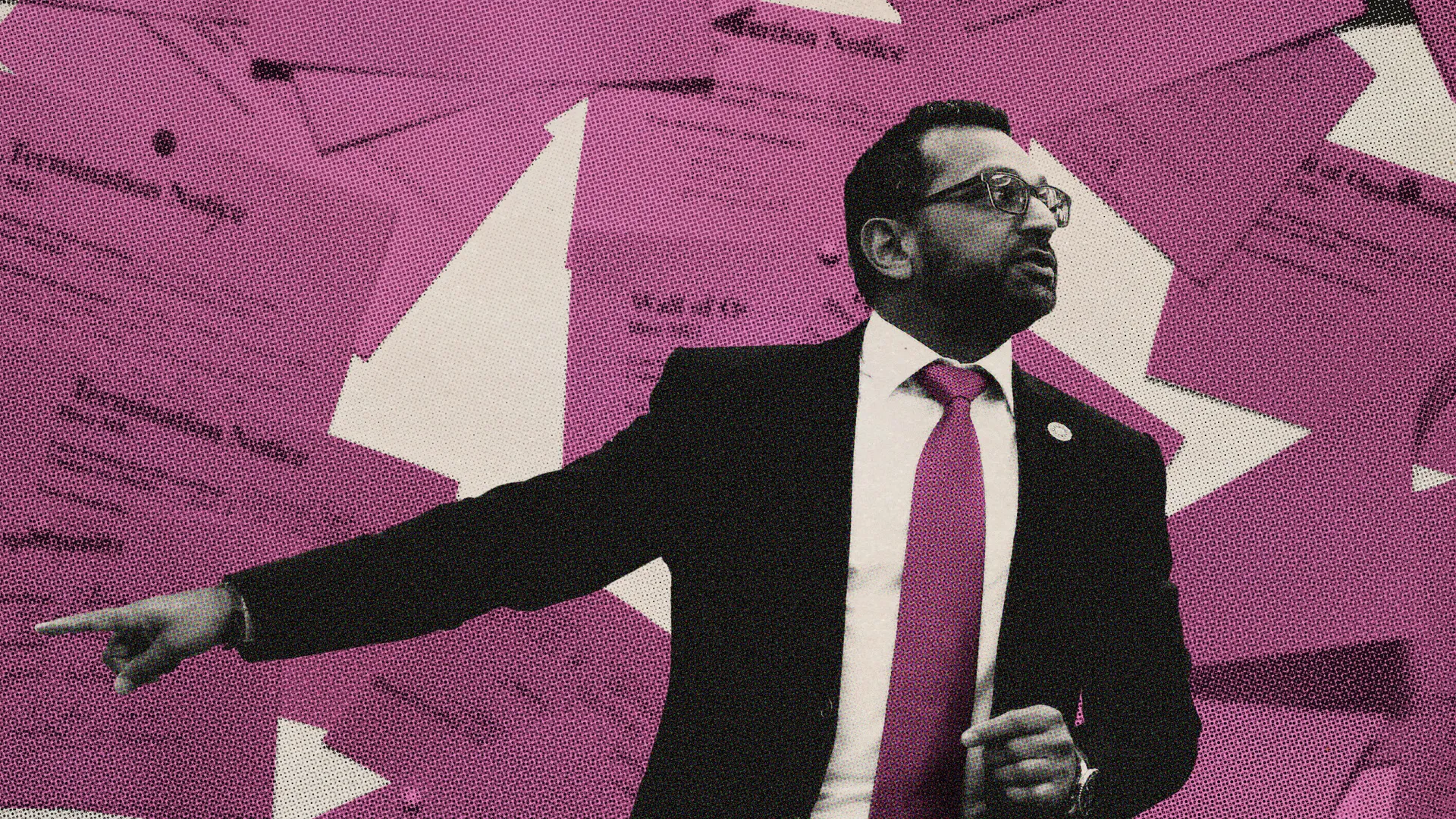
The suit filed by 12 fired FBI agents against their former agency for illegal termination is bringing constitutional rights to the fore and could have ramifications across the federal government. It comes as the FBI is already facing accusations of political motivations.
Challenging the top brass
In June 2020, the defendants were photographed kneeling during a rally in Washington, D.C., related to then-ongoing George Floyd protests. The agents have said they took a knee “not to reflect a left-wing political point of view but rather to de-escalate a situation that threatened to spin out of control,” said NPR.
The agents’ dismissals earlier this year “violated their First Amendment rights to free association, including nonassociation, and Fifth Amendment rights to due process; were taken in violation of the separation of powers, without any constitutional authority; and are a legal nullity,” according to the lawsuit. The filing further claims they would “not have been fired had they had the same perceived political affiliations” as the people who participated in the Jan. 6, 2021, insurrection at the U.S. Capitol, said Politico.
‘Unusual’ case
The agents were not from a single unit but spanned several branches of the agency, including “counterterrorism specialists and agents with more than 15 years’ experience in combating criminals,” said CBS News. The lawsuit cites Patel’s 2023 book, “Government Gangsters,” in which he wrote that “some government employees should ‘be removed from their posts and replaced with people who won’t undermine the president’s agenda.’” The civil suit is just one of many that alleges Patel is “engaged in political retribution at America’s top law enforcement agency.” The FBI has not commented on the litigation.
The government is allowed to “restrict employees’ speech while performing official duties during work hours without violating the First Amendment,” said USA Today. But First Amendment claims aside, the lawsuit “focuses on due process and an alleged failure of the FBI to follow its internal disciplinary rules, which may well determine the outcome,” said Ken Paulson, the director of Middle Tennessee State University’s Free Speech Center, to the outlet. This makes it a particularly “unusual” case. |