The Week The Week
flag of US
US
flag of UK
UK
https://cdn.mos.cms.futurecdn.net/skoGBi9qKFoUtnNWkovjJQ.jpg

SUBSCRIBE

Try 6 Free Issues

Sign in
  • View Profile
  • Sign out
  • The Explainer
  • Talking Points
  • The Week Recommends
  • Podcasts
  • Newsletters
  • From the Magazine
  • The Week Junior
  • More
    • Politics
    • World News
    • Business
    • Health
    • Science
    • Food & Drink
    • Travel
    • Culture
    • History
    • Personal Finance
    • Puzzles
    • Photos
    • The Blend
    • All Categories
  • Newsletter sign up Newsletter
  • The Week Evening Review
    ‘Board of Peace’ skepticism, an Arctic Sentry, and water bankruptcy

     
    In the Spotlight

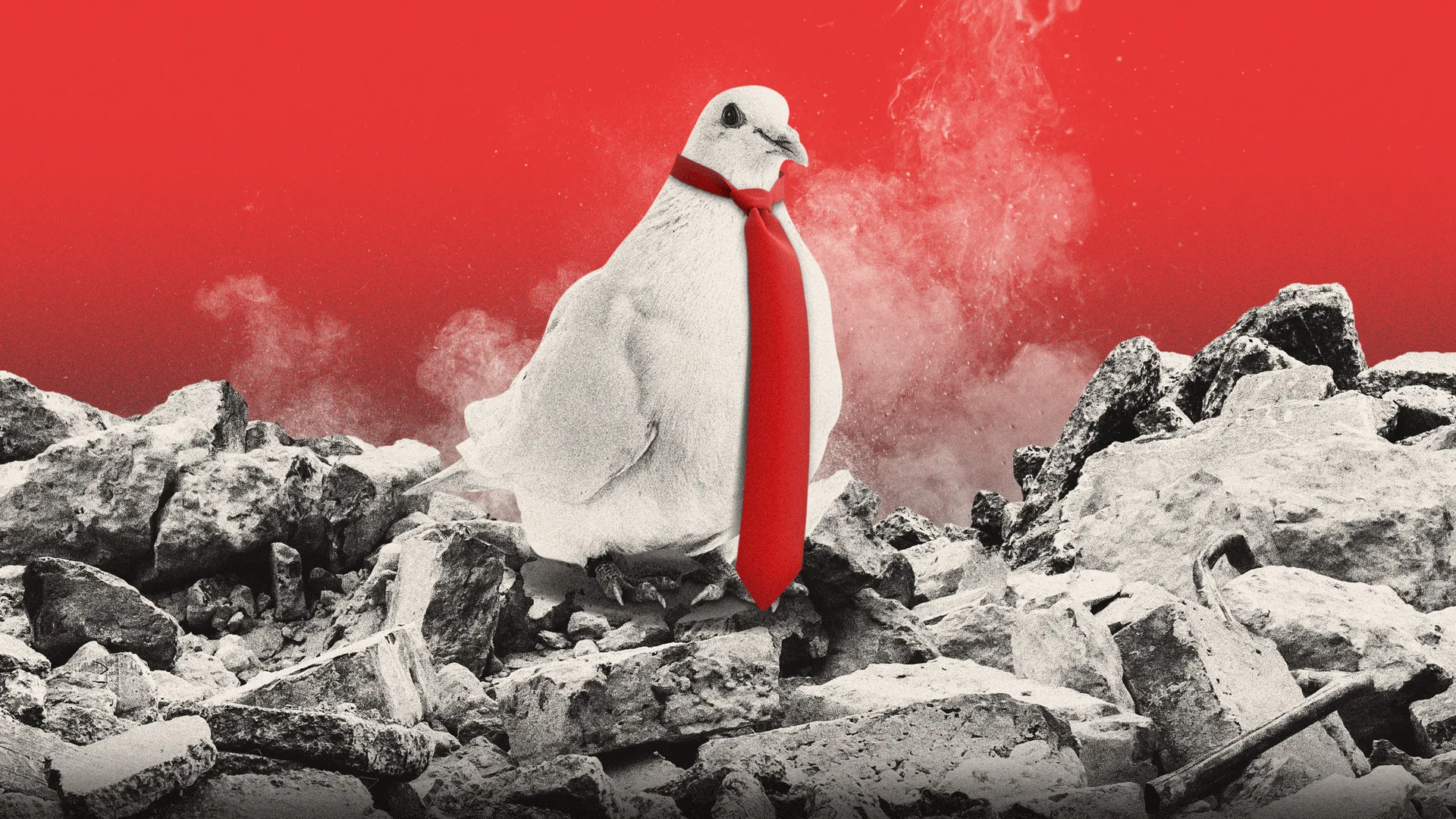
    Trump’s ‘Board of Peace’ comes into perplexing focus

    After several days of bombast and speculation, President Donald Trump debuted his “Board of Peace” to a global audience at the World Economic Forum in Davos, Switzerland, yesterday. Flanked by nearly two dozen heads of state, Trump claimed that, once fully operational, his board will be able to do “pretty much whatever we want to do,” though, he promised, “we will do it in conjunction with the United Nations.” But as a fuller picture of this multinational body comes into focus, so too do questions about the board’s governance, structure and potentially world-disrupting aims.

    ‘Board of action’
    While “initially envisioned to shepherd” Trump’s plans for post-war Gaza, senior Trump administration officials framed the board during yesterday’s signing ceremony as a “vehicle for broader ambitions,” said The Washington Post. While officials have advertised the group as a “tool to resolve global conflicts” with a scope “rivaling the U.N.,” it’s unclear if Trump’s pledge to work alongside the U.N. will “ease concerns among some leaders” that he’s trying to “sideline the international body.” It’s “not just a board of peace,” said Secretary of State Marco Rubio. This is a “board of action.”

    International “skepticism about its membership and mandate” has prompted some countries “usually closest to Washington” to “take a pass,” said The Associated Press. Representatives at the body’s signing ceremony in Davos were “mostly from the Middle East, Asia and South America,” said CNN. The 19 nations present were “far fewer than the roughly 35 that a senior administration official predicted,” and European leaders were “visibly absent.”

    ‘Voluntary’ contributions
    Unsurprisingly, Trump is “expected to chair the board” and could potentially “hold the position for life,” said ABC News. The group will also feature “senior political, diplomatic and business figures,” said Fox News. At the same time, initial reports of a required $1 billion buy-in have been downplayed by the White House. Participation beyond any “voluntary” donation “does not carry any mandatory funding obligation,” an anonymous administration official said to the Post.

    Ultimately, Trump’s board is a “direct assault” on the U.N., said University of Cambridge International Law Professor Marc Weller to The New York Times. The project is "likely to be seen as a takeover of the world order" by “one individual in his own image.”


    QUOTE OF THE DAY

    ‘If we don’t hold people to account when they commit crimes, it sends a message that those crimes are OK, that our society accepts that.’

    Former Special Counsel Jack Smith, in a hearing before the House Judiciary Committee, on the “catastrophic” lingering threats to democracy that stem from not holding Trump accountable for his “criminal” attempts to overturn the 2020 election


    TODAY’S BIG QUESTION

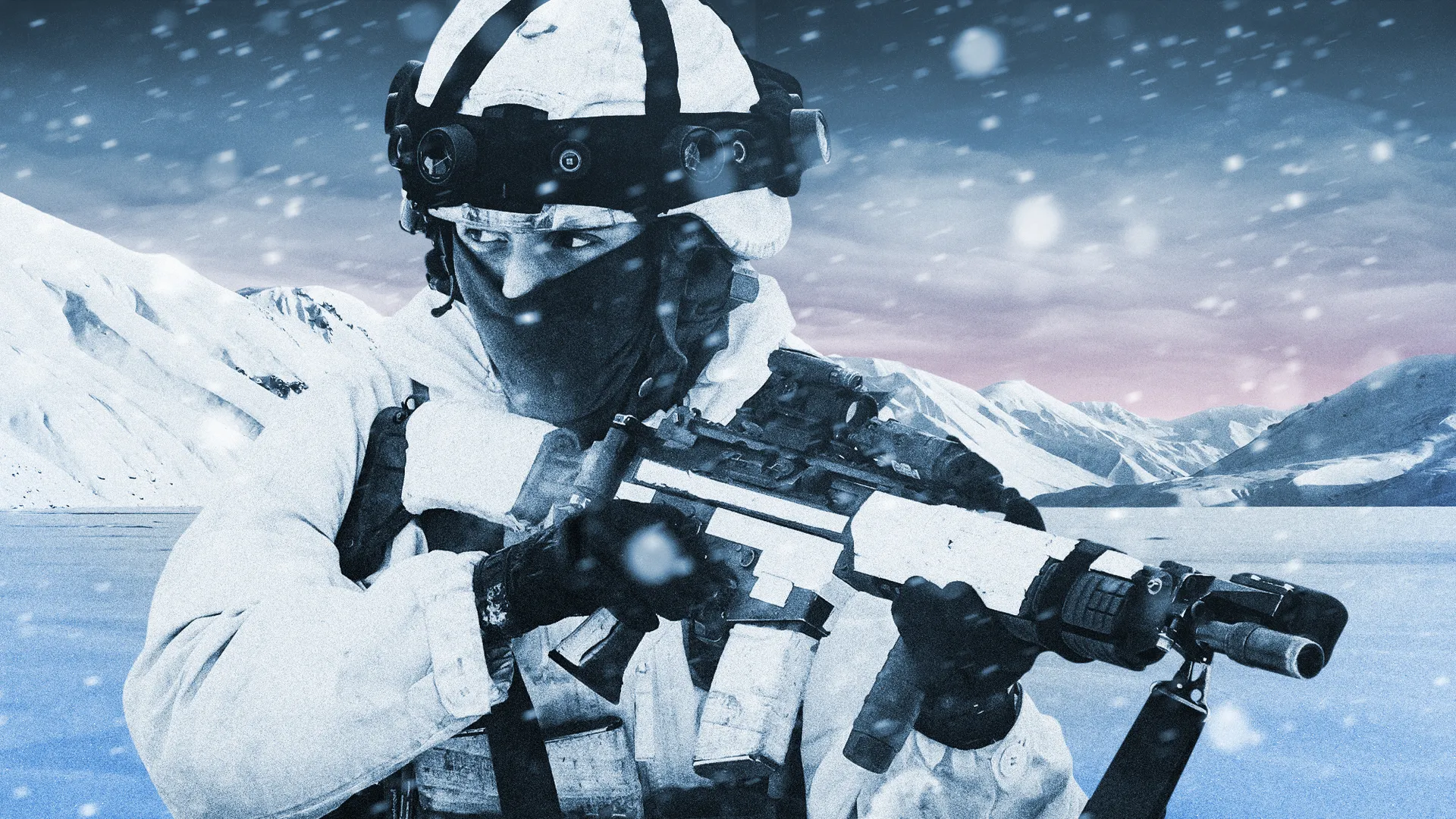
    Would Arctic Sentry deter Russia and China?

    NATO is mulling a joint operation to defend the Arctic from future Russian and Chinese aggression and neutralize U.S. ambition. The hope is that the proposed Arctic Sentry could placate President Donald Trump, who has used the threat of Russian and Chinese ships to justify his desire to take control of Greenland. 

    What did the commentators say?
    The Arctic is the “gateway for Russia’s Northern Fleet to be able to threaten” NATO, said U.K. Foreign Secretary Yvette Cooper to the BBC. NATO must “double down” on security in the region. Cooper is calling for “coordinated exercises, operations and intelligence sharing,” covering “the high north,” including Greenland, Iceland, Finland and the increasingly busy shipping lanes. 

    Although the waters around Greenland “aren’t full of Russian and Chinese ships right now,” that could “change as Arctic ice melts and new sea lanes open up,” said Radio Free Europe. But there are “many practical obstacles.” NATO has only about 40 ice-breaker vessels in total — fewer than Russia. Hundreds of such ships would be needed to “cover such a vast area.” And aside from in Nordic countries and Canada, few Nato troops have experience of operating in “harsh Arctic conditions.” 

    NATO’s Baltic Sentry and Eastern Sentry operations were “formulated to tackle specific threats,” but in the case of Greenland, the goals are “not as clear-cut,” said The Telegraph. A mass deployment would also “suck vast resources away from other priorities,” such as a potential peacekeeping force in Ukraine or protecting NATO’s eastern flank from Russia. It would “simply be seen as a costly public relations project” designed to placate Trump. 

    What next?
    One potential Arctic Sentry scenario could be Europeans “handling air and sea surveillance” of what’s known as the GIUK gap — the area between Greenland and Ireland / the U.K. — while the U.S. “increases its troop presence in Greenland,” said Radio Free Europe. But the mission will most likely “focus on the intelligence aspect of security,” which is seen as a “vital way of securing the Arctic,” said The Telegraph.


    Statistic of the day

    75: The age at which mandatory retirement should be required for the president, Cabinet officials, congressmembers and federal judges, according to former Chicago Mayor and Ambassador to Japan Rahm Emanuel. “Across all three branches of government, 75 years — you’re out,” said the longtime Democratic official.


    the explainer

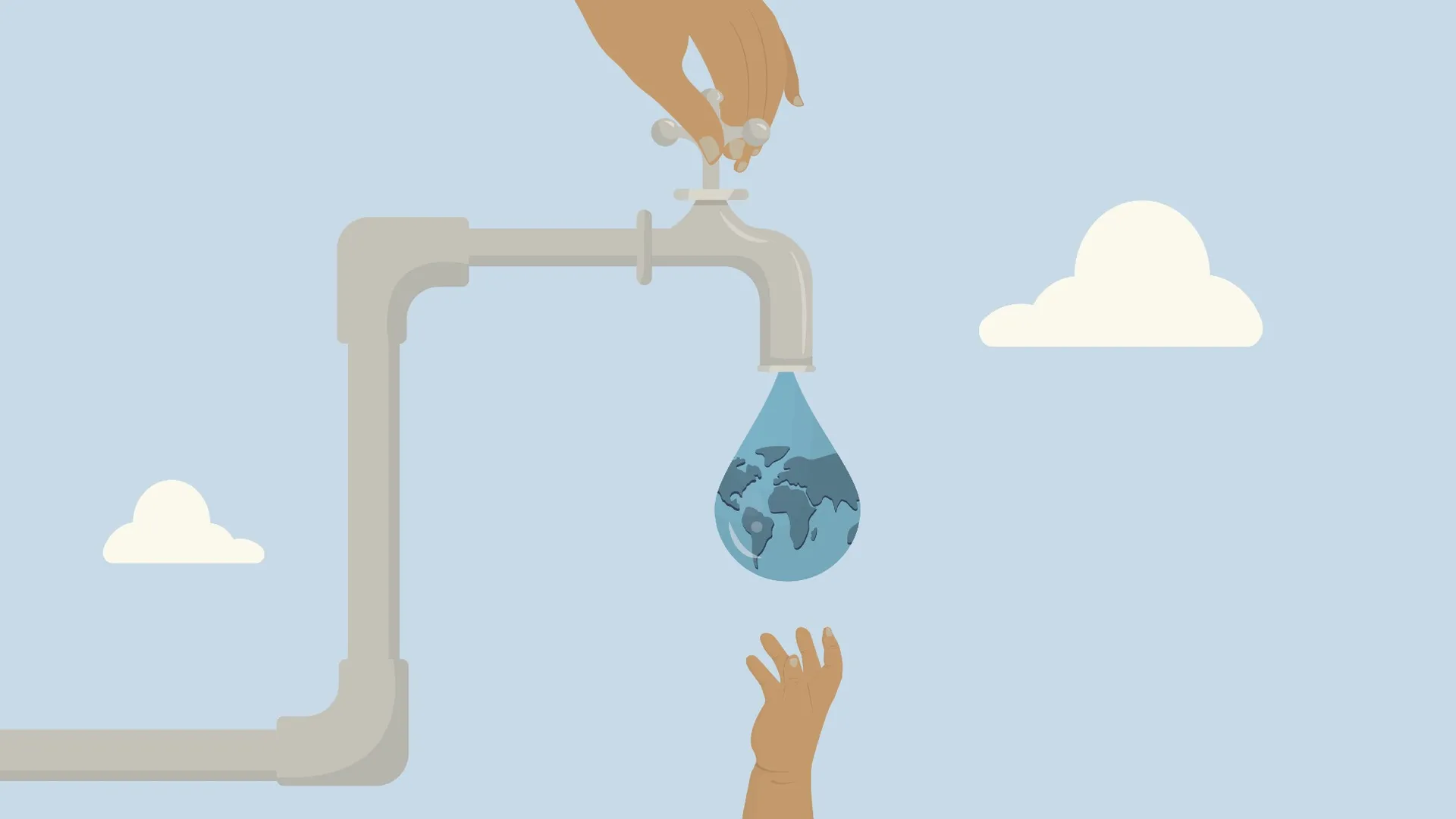
    The world is entering an era of ‘water bankruptcy’

    The planet has incurred a watery debt. Society is using far more water than is ecologically sustainable, leading us to what’s called water bankruptcy. The problem is only going to worsen with climate change, population growth and technological expansion that continuously increase water demand. And while some water sources can still be protected, many places have already reached a point of no return.

    What’s happening?
    We are using up water sources faster than they can be replenished, essentially putting us in water debt. In “many basins and aquifers, long-term water use has exceeded renewable inflows and safe depletion limits,” said a U.N. report. Other water sources, including rivers, lakes, wetlands, soils and glaciers, have been “damaged beyond realistic prospects of full recovery.”

    Like financial bankruptcy, water bankruptcy happens gradually. We “pull a little more groundwater during dry years. We use bigger pumps and deeper wells. We transfer water from one basin to another,” said Kaveh Madani, the author of the report, at The Conversation. After that, the costs begin to pile up. “Lakes shrink year after year. Wells need to go deeper. Rivers that once flowed year-round turn seasonal.” And more cities are experiencing Day Zero events in which their municipal water systems are unable to provide for the entire population.

    Before using the word “bankruptcy,” scientists used “water stress” or “water crisis,” both of which imply the possibility of recovery. But if you “keep calling this situation a crisis, you are implying that it’s temporary,” said Madani to CNN. By acknowledging water bankruptcy, we acknowledge a “need to adapt to a new reality.”

    What does the future look like?
    More than 2 billion people worldwide lack access to safe drinking water, said the U.N. And climate change is only exacerbating the problem by “reducing precipitation in many areas of the world,” said Madani. Global warming also “increases the water demand of crops and the need for electricity to pump more water” and “melts glaciers that store fresh water.” 

    Even in places that do receive adequate rainfall, “more water is being sucked up by data centers or polluted by industry, sewage, fertilizers or manure,” said New Scientist. The expansion of AI is a particular risk to water sources as data centers can “consume up to 5 million gallons per day,” said the Environmental and Energy Study Institute.


    Good day 🎸

    … for American rock. The Eagles have claimed the record for the biggest-selling U.S. album of all time. “Their Greatest Hits 1971-1975” by the California band has been awarded quadruple-diamond status by the Recording Industry Association of America, after the 1976 release topped 40 million sales.


    Bad day 🩺

    … for world health. The U.S. has officially withdrawn from the World Health Organization one year after Trump signed an executive order to begin the process. The move could hamper surveillance of "emerging threats” like Ebola or the “persistent burden of annual flu outbreaks,” Ronald Nahass, the president of the Infectious Diseases Society of America, said to ABC News.


    Picture of the day

    Lake angel

    A tourist enjoys the winter scenery on a frozen lake at the foot of Qiongmu Gangga Mountain in Lhasa, China. The pristine natural spectacle appears each winter, with blue ice several meters thick and views of the 7,000-meter snow-capped peak.
    Li Lin / China News Service / VCG / Getty Images


    Puzzles

    Daily sudoku

    Challenge yourself with The Week’s daily sudoku, part of our puzzles section, which also includes guess the number

    Play here


    The Week recommends

    The 8 best horror series of all time

    Horror television has swung and missed much more often than it has connected — we’re looking at you, “Welcome to Derry.” But when a great concept meets a skilled showrunner, the results can be magnetic, as with these outstanding spooky series.

    ‘Les Revenants’ (2012-15)
    The eerie, atmospheric “Les Revenants” has been frequently imitated, including an American remake, and raises uncomfortable questions about what we might be willing to tolerate to be reunited with lost loved ones. A show about “how death, while awful, is also a baseline fact of life,” it’s also an “expertly suspenseful thriller,” said James Poniewozik at Time. (Prime)

    ‘The Haunting of Hill House’ (2018)
    This series (pictured above) is one of the jewels in showrunner Mike Flanagan’s run of horror smashes for Netflix. An adaptation of Shirley Jackson’s pioneering 1959 gothic horror novel, it’s the “first great horror TV show ever,” because it “isn’t just scary but a seriously well-structured and well-considered story about the persistent insidiousness of trauma,” said Tom Philip at GQ. (Netflix)

    ‘Evil’ (2019-24)
    Part of what makes “Evil” so refreshing is its network-style, case-of-the-week structure that’s a throwback to an earlier era of television that doesn’t sacrifice modern quality or ingenuity. A “rare show that operates with style and intelligence on every level” across its four seasons, it achieves a “level of profundity, even genuine intellectual insight, that most shows don’t even try for,” said Philip Maciak at The New Republic. (Paramount+)

    Read more


    Poll watch

    Over three in four Americans (76%) donated to religious or nonprofit organizations in the last year, according to a Gallup survey. At least 63% of the 1,016 adults polled also volunteered their time to these groups, with overall volunteering 7 points higher than it was in 2021.


    INSTANT OPINION

    Today's best commentary

    ‘A better way for your pet to die’
    Heather Beasley Doyle at The Boston Globe
    More Americans than ever will “eventually have to decide how to manage the end of their pets’ lives,” says Heather Beasley Doyle. As more people “choose to have their companion animals euthanized at home, many veterinarians are finding that becoming a mobile end-of-life care provider is a good transition for them, too, especially given their field’s tenacious mental health issues.” Mobile euthanasia vets offer “palliative and hospice care.” They end pets’ lives with “comfort in mind.”

    ‘The myth of anti-white discrimination in LA schools and the politics behind it’
    Anita Chabria at the Los Angeles Times
    Los Angeles schools “do not discriminate against white students,” but a new lawsuit from a “conservative group is claiming that they do,” and there are “enough frustrated parents out there that it’s getting a lot of attention,” says Anita Chabria. This has “as much to do with economics — specifically higher poverty rates in communities of color — than race itself (though racism is real, no doubt).” It’s “serving up vitriol disguised as sweet tea.”

    ‘The Senate should ratify the High Seas Treaty’
    Tatiana Der Avedissian and Dan Perry at The Hill
    The High Seas Treaty took effect Jan. 17, creating the “first global framework to protect and manage the vast waters beyond national borders,” as “humanity is finally acknowledging that what happens there matters to climate stability, food security, and the future of biodiversity,” say Tatiana Der Avedissian and Dan Perry. But “without Senate ratification, America will have no say in shaping how it’s implemented.” Ratification would “give the High Seas Treaty momentum and reaffirm U.S. leadership in shaping global rules.”


    WORD OF THE DAY

    fremdscham

    Literally “foreign shame” in German, describing secondhand embarrassment. European leaders are feeling fremdscham for each other because of the “semiformal and often mildly sycophantic” messages to Trump revealed in a "flurry of leaked texts" this week, said The Times. The value of "text diplomacy" has been "theatrically smashed" by these messages that seem to diverge from their public statements. 


    Evening Review was written and edited by Theara Coleman, Nadia Croes, David Faris, Scott Hocker, Justin Klawans, Harriet Marsden, Summer Meza, Devika Rao and Rafi Schwartz, with illustrations by Stephen Kelly and Julia Wytrazek.

    Image credits, from top: Illustration by Stephen Kelly / Getty Images / Shutterstock; Illustration by Stephen Kelly / Getty Images; Megane Adam / Getty Images; Steve Dietl / Netflix
     

    Recent editions

    • Morning Report

      Starmer allies to bar Burnham’s return

    • Evening Review

      Nato’s theatre of war

    • Morning Report

      Trump strikes Greenland ‘deal’

    VIEW ALL
    TheWeek
    • About Us
    • Contact Future's experts
    • Terms and Conditions
    • Privacy Policy
    • Cookie Policy
    • Advertise With Us
    • FAQ
    Add as a preferred source on Google

    The Week UK is part of Future plc, an international media group and leading digital publisher. Visit our corporate site.

    © Future Publishing Limited Quay House, The Ambury, Bath BA1 1UA. All rights reserved. England and Wales company registration number 2008885.