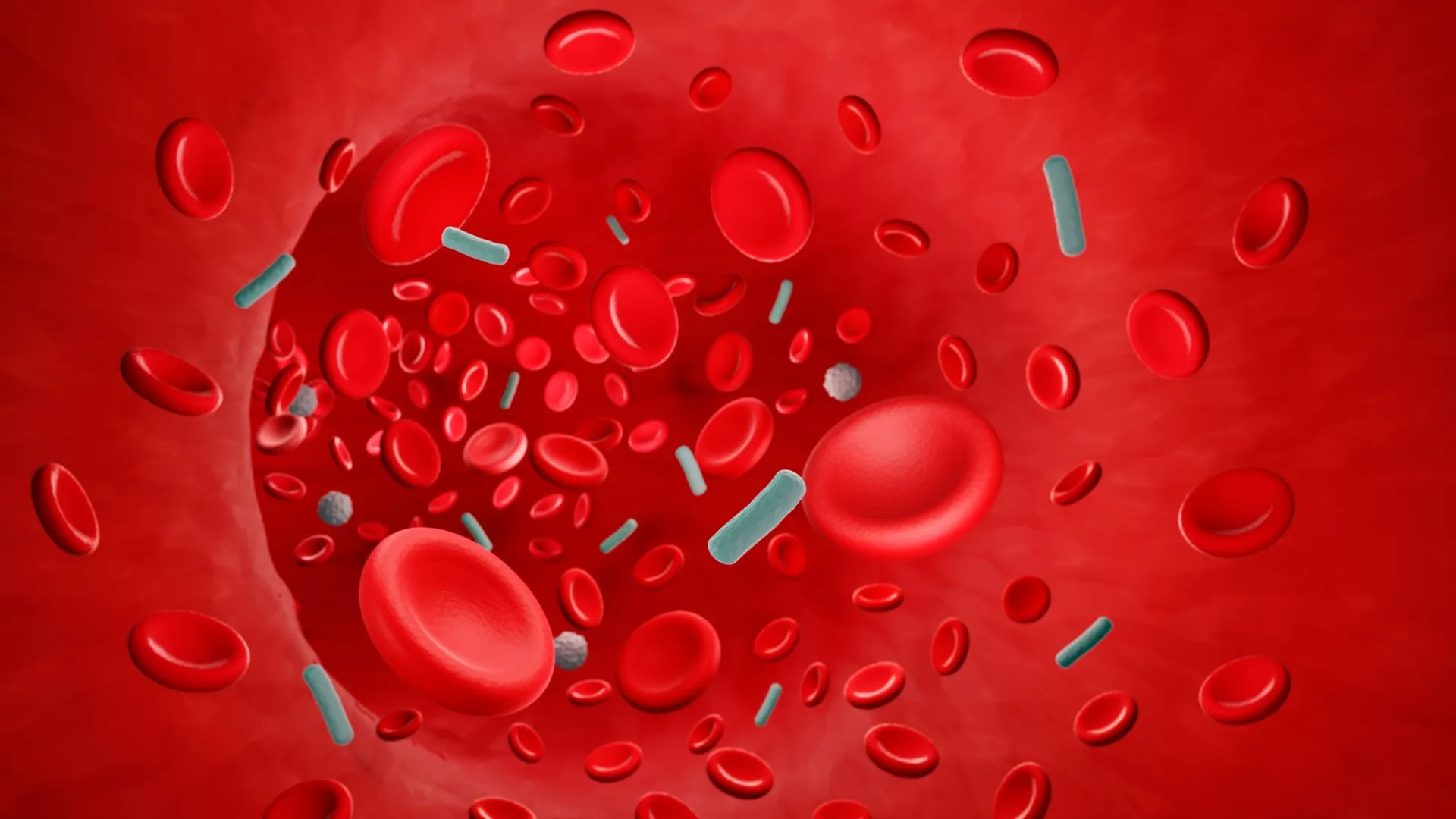
One of the leading causes of death and disability worldwide, sepsis is notoriously difficult to diagnose in the early stages and treat once it becomes life-threatening. Currently, broad-spectrum antibiotics are used to attack the pathogen causing the reaction. But the number of antibiotic-resistant pathogens that can trigger sepsis is increasing.
This is the “nightmare that keeps my colleagues working in public health awake at night,” one doctor said to The Telegraph. But scientists at Australia’s Griffith University are now close to unlocking the first specific sepsis treatment. A recent Phase II human clinical trial in China shows “promising results in reducing sepsis,” said Science Daily. This is a “major step forward.”
What’s sepsis?
It’s the body’s extreme response to an infection. The immune system overreacts, triggering inflammation that can damage tissues and organs. Untreated, sepsis can quickly lead to septic shock and multiple organ failure. Anyone can develop sepsis, but it’s most prevalent among the young, elderly, diabetic and immunocompromised, as well as women who have recently given birth.
If treated swiftly, the patient can make a full recovery. But the longer the wait for a diagnosis, the higher the risk. Sepsis causes more than 10 million deaths a year worldwide — equivalent to one life lost every three seconds.
How is it diagnosed?
Sepsis is often called the silent killer because it has widely varying symptoms. Warning signs in a child can mirror less serious conditions and include fever, chills, lethargy, elevated heart rate or breathing, blotchy skin, and a rash that doesn’t fade. Adults may experience slurred speech or confusion, shivering, mottled skin, severe breathlessness and a feeling of doom. There’s no single diagnostic test; multiple tests (that typically take hours) are needed to confirm the presence and possibly type of infection.
What’s the new drug?
Known as STC3141, it works by “calming” and counteracting the “major biological molecule release” that occurs during the body’s immune overreaction. This helps with “reversing the damage to organs rather than only managing symptoms,” said Science Daily.
The research team behind the drug is now planning Phase III effectiveness trials. “We could see the treatment reach the market in a handful of years, potentially saving millions of lives,” said team leader Mark von Itzstein. |