The Week The Week
flag of US
US
flag of UK
UK
https://cdn.mos.cms.futurecdn.net/flexiimages/jzblygzdxr1769609154.gif

SUBSCRIBE

Try 6 weeks free

Sign in
  • View Profile
  • Sign out
  • The Explainer
  • Talking Points
  • The Week Recommends
  • Podcasts
  • Newsletters
  • From the Magazine
  • The Week Junior
  • More
    • Politics
    • World News
    • Business
    • Health
    • Science
    • Food & Drink
    • Travel
    • Culture
    • History
    • Personal Finance
    • Puzzles
    • Photos
    • The Blend
    • All Categories
  • Newsletter sign up Newsletter
  • The Week Evening Review
    Trump’s fight for SAVE America, the EV victory lap, and media’s rightward shift

     
    today’s big question

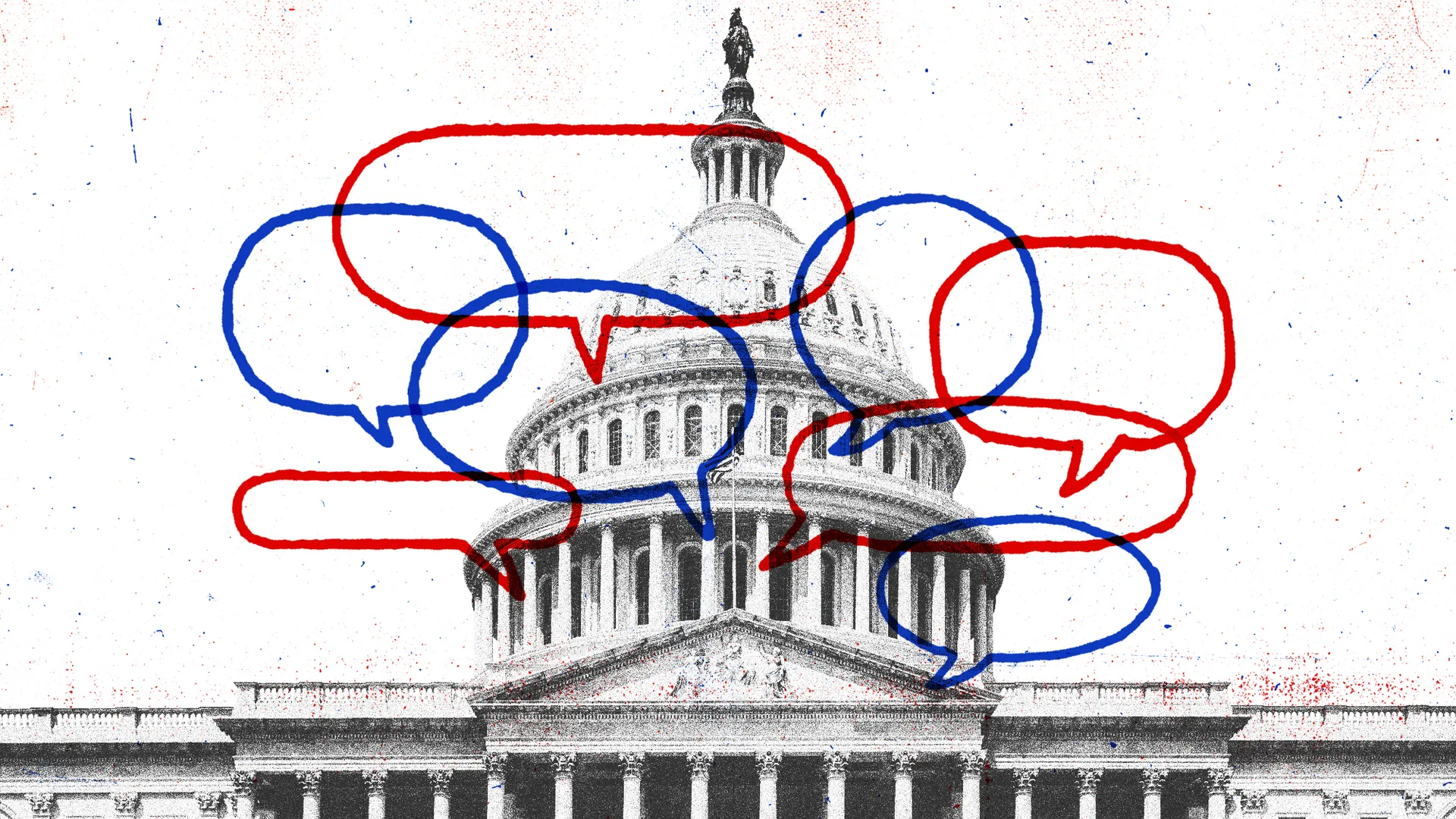
    Should the Senate bring back the talking filibuster?

    President Donald Trump’s top domestic priority is the SAVE America Act, a bill to create new voting restrictions in the name of “election security.” But the bill does not have the 60 votes needed to overcome a filibuster and pass the Senate. Trump’s solution: The Senate should return to Jimmy Stewart-style talking filibusters.

    Senators these days rarely speak for hours to obstruct legislation like Stewart did in “Mr. Smith Goes to Washington.” Procedures since the 1970s have allowed them to trigger a filibuster “simply by announcing they wanted to block a bill,” said PBS NewsHour. Trump and Sen. Mike Lee (R-Utah) are now pushing to impose a “marathon talking filibuster” requirement to wear down Democratic opposition to the SAVE Act, said The Associated Press. 

    Under the Senate’s current rules, a talking filibuster “would require 51 GOP senators in or near the chamber at all times” to be ready to vote if a Democratic speech faltered, said NBC News. Just one Democrat would be needed to hold the floor. That sets up an “endurance test,” said Sarah Binder, a political science professor at George Washington University.

    What did the commentators say?
    The Senate has been “dysfunctional for decades” thanks to “procedural tactics” that make it easier to block a bill than to pass it, said Brian Darling at The Hill. A talking filibuster would change the dynamic. Democratic senators would “stop talking at some point,” and then the Senate could just “vote and pass the bill with a simple majority.”

    The talking filibuster is a “mirage,” said The Wall Street Journal. The 60-vote threshold “always frustrates the party in power,” but Republicans may benefit disproportionately. Without the filibuster, Democrats would restructure the Supreme Court. The talking filibuster’s requirements would turn legislative battles into an “endless GOP campout,” forcing senators to wait around for Democrats to tire of speechifying. 

    What next?
    Sen. John Cornyn (R-Texas) has been a longtime defender of current filibuster rules. But he’s also angling for Trump’s endorsement in the race to keep his Senate seat. Yesterday, he reversed himself. The SAVE Act “matters more than the filibuster,” said Cornyn in a New York Post op-ed.


    QUOTE OF THE DAY

    ‘‘We were looking for justice. In our community, we don’t know what justice looks like. We want justice for my uncle. We truly believe he was murdered.’

    Tatiana Barrett, the niece of Dyshan Best, a Black man who was shot in the back by police last year in Connecticut, to The Associated Press. A new report reveals that an ambulance was prioritized for a white officer’s mild panic attack over Best, who later died from his injuries. 


    talking points

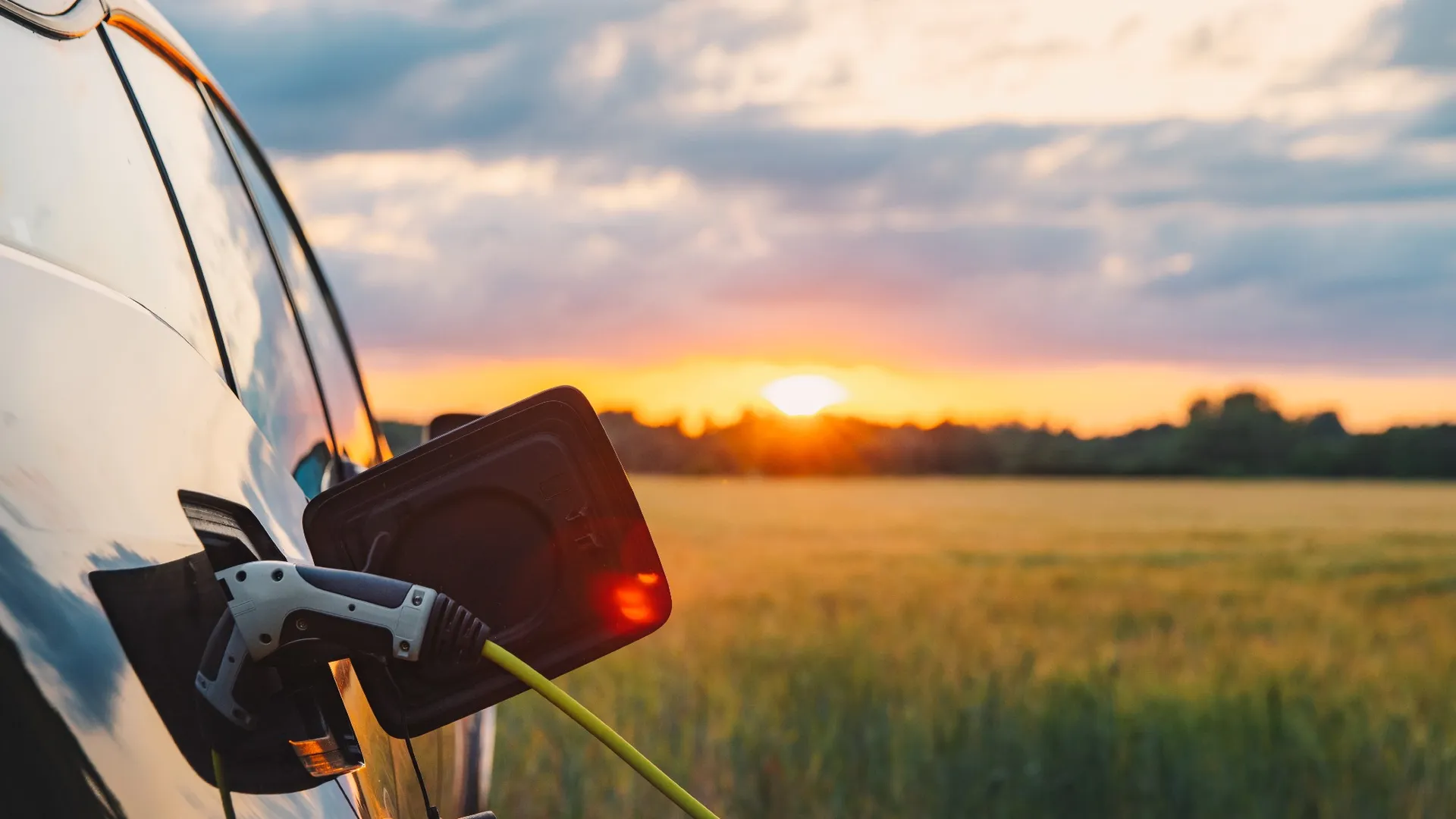
    Are electric vehicles the answer to oil shocks?

    The U.S. war on Iran has driven up gasoline prices, alarming drivers around the world and spurring renewed interest in electric vehicles. Gasoline prices are rising and “so are searches for EVs,” said InsideEVs.

    Will the crisis in the Middle East “finally mean that people will want EVs”? said Matt Hardigree at The Autopian. The end of tax credits for electric cars has produced a drop in EV sales, dropping by half from 12% of all vehicle sales in 2025. Automakers have “largely cut production” of EVs, and the EVs that remain on the market are “super cheap,” as dealers try to unload inventory. A “prolonged period of higher energy prices” could change that dynamic. Come summer, there “might be fewer affordable EVs and higher energy prices.”

    The road to energy independence?
    Electric vehicles are “not the answer to oil shocks,” said Kevin Williamson at The Dispatch. Look to China, where oil consumption is increasing despite the proliferation of cheap and abundant EVs because there are “many things you can do with oil other than refine it into gasoline and diesel.” Imported oil fuels the country’s growing petrochemical industry, which makes plastics and other products. Back in the U.S., commuters with “relatively short daily drives” might benefit from EVs, but that “would not have the effect of lowering U.S. oil consumption.”

    Fuel price security
    U.S. carmakers are bracing for “ripple effects” from the war, said The Detroit Free Press. They will face new challenges if this “stretches out and causes extended disruption to oil supplies,” said Sam Abuelsamid, the vice president of market research at Telemetry. General Motors, however, “might be in a good place with its electric vehicle lineup."

    “I’m sure glad I bought an EV and solar panels,” said Ryan Cooper at The American Prospect. The stereotype is that electric vehicles are for “environmentally conscious liberals.” But they are also “much cheaper to operate than gas cars.” In a world with roller-coaster gas prices, EVs offer “fuel price security,” which is easier on the wallet.


    Statistic of the day

    150 million: The number of patients served by U.S. medical device maker Stryker. A cyberattack on the company by pro-Iran hackers has caused a “global network disruption,” said officials. It remains unclear what “immediate impacts the hack had on Stryker’s provision of medical equipment to U.S. hospitals,” said CNN. 


    the explainer

    The major players in legacy media’s right-wing shift


    President Donald Trump’s consolidation of power across the federal government continues apace. With it, a similar form of conservative capture has been mirrored across the avenues of mass media in the U.S.

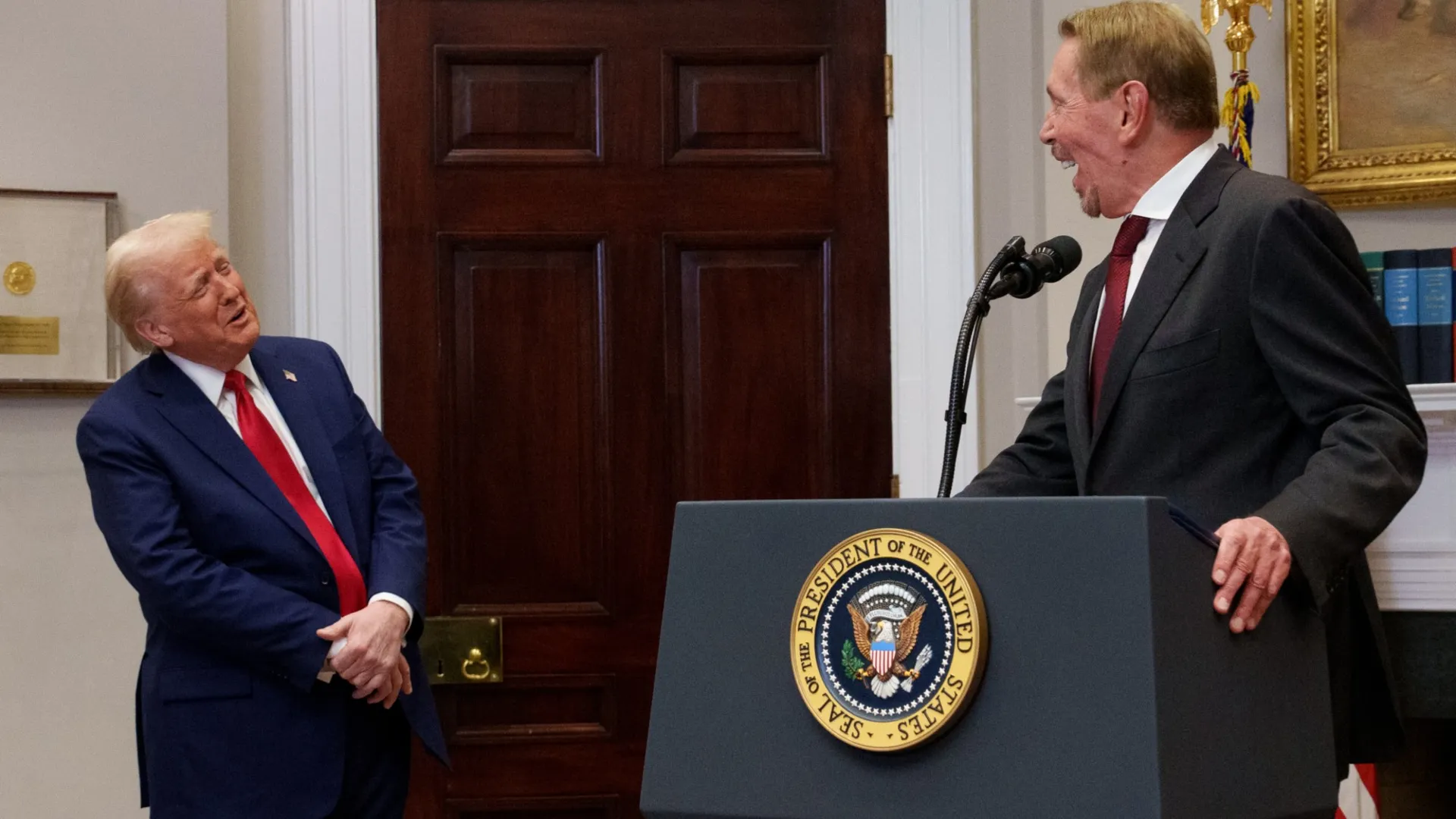
    From the rolling public turmoil at The Washington Post under Jeff Bezos and CBS under Bari Weiss to behind-the-scenes machinations at institutions like The New York Times and the growing media empire of David and Larry Ellison (pictured above), swaths of mainstream American media have begun embracing a decidedly conservative agenda. These are the other media players that have been helping fuel America’s rightward media pivot.
     
    Patrick Soon-Shiong, Los Angeles Times
    Los Angeles Times owner Patrick Soon-Shiong, after nixing a planned 2024 endorsement of Vice President Kamala Harris, justified his decision as righting an “unacceptable” wrong at the paper he purchased in 2018. “As you can see,” it was “because it’s a left lean” that they “wrote terrible stories” about Trump, said Soon-Shiong in a podcast interview with arch MAGA personality Tucker Carlson. The billionaire physician and investor is trying to “attract more conservative readers to his newspaper,” said Politico. 

    Lachlan Murdoch, News Corp
    Scion of the powerful Rupert Murdoch-founded News Corp dynasty, eldest son Lachlan completed his bid to assume control of his father’s empire in September 2025. The move guaranteed that the “empire’s various outlets, including Fox News, The New York Post and The Wall Street Journal, will remain conservative” after 95-year-old Rupert’s eventual death, said The New York Times. Lachlan is seen as being the “most likely heir to preserve the conservative identity that defines his father’s portfolio,” said NPR News. 

    Brian Calle, LA Weekly
    When Seminal Media investment group purchased LA Weekly in 2017, it quickly installed Brian Calle, a “conservative-leaning former opinion editor,” to lead its new acquisition, said The Wrap. Calle’s tenure began with a series of deep layoffs, prompting a “furious counterattack” by former staffers who “alleged Calle heads a conservative conspiracy” to transform the “historically progressive” publication into an “alt-right rag,” said Columbia Journalism Review. “Downplaying” his rightward inclinations is “exactly the opposite” of what Calle should be doing, said the right-leaning National Review in 2018 after he assumed control of the paper. “Prudent conservatism can save the LA Weekly.”

    Read more


    Good day 👨‍🍳

    … for industry accountability. Chef René Redzepi has stepped down from Noma, the internationally acclaimed restaurant in Copenhagen, Denmark, that he co-founded in 2003, after reports surfaced about his abuse of employees in the 2000s and 2010s. “An apology is not enough,” he said in an Instagram post. “I take responsibility for my own actions.”


    Bad day 🤖

    … for cognitive diversity. Using large language models like ChatGPT might be leading humans to think and communicate the same way, according to a study published in the journal Trends in Cognitive Sciences. Unchecked, this homogenization risks “flattening the cognitive landscapes that drive collective intelligence and adaptability,” the authors said in a statement.


    Picture of the day

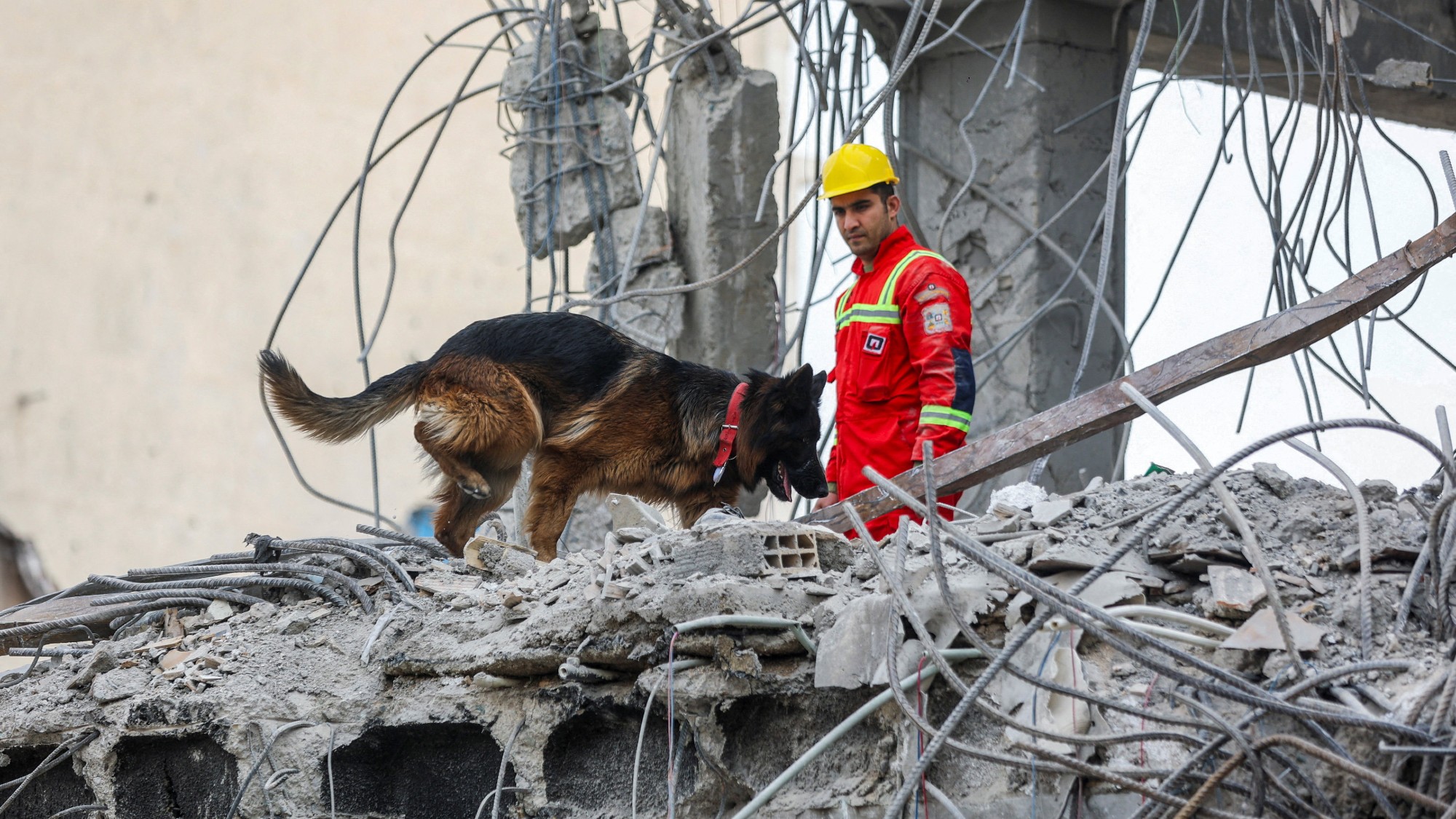
    Atop the rubble

    Emergency personnel and a search-and-rescue dog investigate the remains of a strike in Tehran, Iran, two weeks into the ongoing U.S.-Israeli barrage. At least four cultural and historical sites, including palaces and an ancient mosque, have been damaged in the attacks on Iran so far.
    Majid Asgaripour / WANA (West Asia News Agency) / Reuters


    Puzzles

    Daily sudoku

    Challenge yourself with The Week’s daily sudoku, part of our puzzles section, which also includes guess the number

    Play here


    The Week recommends

    Standout museum exhibitions this spring

    A fresh perspective on Marilyn Monroe, a celebration of Edmonia Lewis’ intricate marble sculptures, and a first-of-its-kind Raphael retrospective are a small sampling of the absorbing museum exhibitions opening in museums across the U.S. this spring. Get ready to stare. 

    ‘Edmonia Lewis: Said in Stone,’ Peabody Essex Museum, Salem, Massachusetts
    The Black and Indigenous sculptor from New York “achieved improbable mobility and international fame” during the 19th century, said The New York Times. She’s finally getting her first, and long overdue, major retrospective at the Peabody Essex Museum and Georgia Museum of Art, an exhibition a “decade in the making.” (through June 7, Peabody Essex; Aug. 8, 2026-Jan. 3, 2027, Georgia Museum of Art)

    ‘Raphael: Sublime Poetry,’ The Metropolitan Museum of Art, New York City
    This “monumental” display of Raphael’s work “reconstructs” the artist’s entire career, with a special emphasis on his “depictions of women” and “mastery across media,” said Artforum. Works on loan include “The Virgin and Child with Infant Saint John the Baptist in Landscape (The Alba Madonna)” from the National Gallery of Art. (March 29-June 28)

    ‘Marilyn Monroe: Hollywood Icon,’ Academy Museum of Motion Pictures, Los Angeles
    You might think you know Marilyn Monroe, but this exhibition, timed to coincide with what would have been her 100th birthday, promises to give new insight. The exhibition features several of her most famous costumes, including the gorgeous (and rarely displayed) fuchsia dress she wore in “Gentlemen Prefer Blondes.” (May 31, 2026-Feb. 28, 2027)

    Read more


    Poll watch

    Almost half of Americans (46%) support having the National Guard at polling stations to monitor this November’s midterm elections, while 54% oppose it, according to an NPR / PBS News / Marist survey of 1,591 adults. Deploying the guard “would be illegal if ordered by the federal government” and not state governors, said NPR.


    INSTANT OPINION

    Today’s best commentary

    ‘Russia’s use of poison: a reality Europe has been slow to confront’
    Marie Jégo at Le Monde
    Eliminating opponents by “poisoning them is embedded in the DNA of Russian power,” says Marie Jégo. The “advantage of poison is that it’s not easily detected.” The “fact that Russia, a signatory to the Organization for the Prohibition of Chemical Weapons, could so brazenly use poisons is a reality Europe has been slow to address.” It was “not until 2023 that Moscow lost its seat on the organization’s executive council” and not until 2026 that the “criminal state was called out.”

    ‘Trump wants the Kurds to wage war in Iran. They should beware.’
    Stephen Kinzer at The Boston Globe
    As the war against Iran “intensifies, an old Middle East impulse has suddenly reemerged: arm the Kurds,” says Stephen Kinzer. For “decades,” the U.S. has “used Kurdish militias as proxies.” Now, Trump “wants them to enter Iran and try to set off an ethnic uprising. They should beware.” Even with “American air support, the few thousand Iranian Kurds who might launch an insurgency inside their country would have no realistic chance to advance against Iran’s military.”

    ‘The US World Cup is facing two crises: a financial mess and ICE’
    Nellie Pou at The Guardian
    The final match of the 2026 FIFA World Cup will be played in East Rutherford, New Jersey, but if the U.S. “doesn’t get its act together, we risk turning a generational opportunity into an international embarrassment,” says Nellie Pou. The “first problem is money.” Every day of “delay makes an already complex logistical challenge harder.” The games “also face a second threat: ICE.” When an immigration enforcement agency “signals it may be at our stadiums and public events, it raises legitimate fears.”


    WORD OF THE DAY

    krokodeilophobia

    A specific and irrational fear of crocodiles. Krokodeilophobiacs should avoid northern Australia, where the large reptiles, which are normally found in coastal rivers and wetlands, are being encountered “absolutely everywhere” after days of monsoonal rains and swollen rivers, said police. The area is home to over 100,000 saltwater crocodiles — the world’s biggest population. 


    Evening Review was written and edited by Theara Coleman, Nadia Croes, Catherine Garcia, Scott Hocker, Anya Jaremko-Greenwold, Justin Klawans, Joel Mathis and Rafi Schwartz, with illustrations by Stephen Kelly and Julia Wytrazek.

    Image credits, from top: Illustration by Stephen Kelly / Getty Images; Justin Paget / Getty Images; Andrew Harnik / Getty Images; Marilla Sicilia / Archivio Marilla Sicilia / Mondadori Portfolio / Getty Images
     

    Recent editions

    • Morning Report

      Oil fears still rising, and prices with them

    • Evening Review

      Can the West keep the Strait of Hormuz open?

    • Morning Report

      US hits Iranian mine-laying boats

    VIEW ALL
    TheWeek
    • About Us
    • Contact Future's experts
    • Terms and Conditions
    • Privacy Policy
    • Cookie Policy
    • Advertise With Us
    • FAQ
    Add as a preferred source on Google Add as a preferred source on Google

    The Week UK is part of Future plc, an international media group and leading digital publisher. Visit our corporate site.

    © Future Publishing Limited Quay House, The Ambury, Bath BA1 1UA. All rights reserved. England and Wales company registration number 2008885.