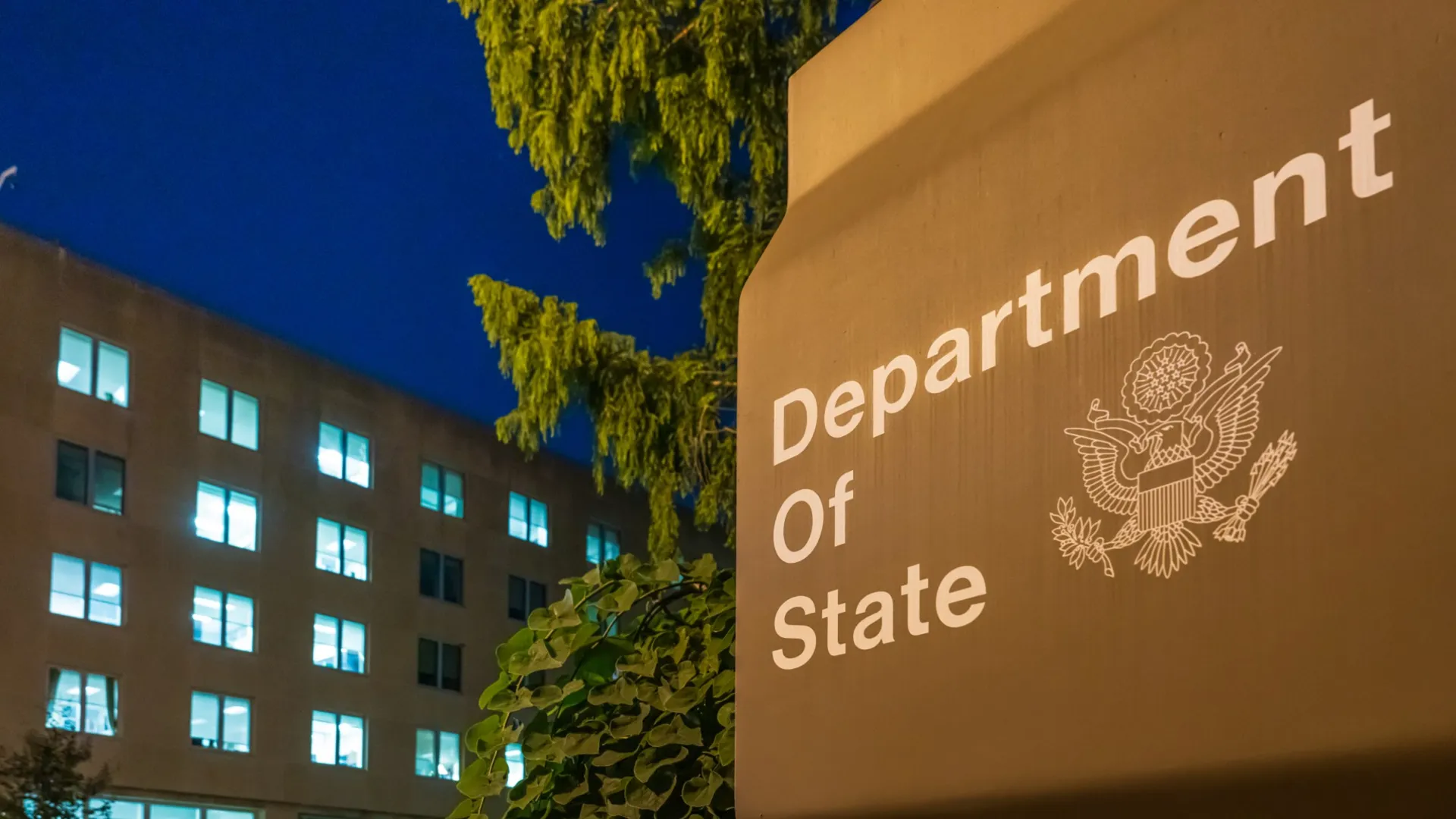
In a new angle on its anti-globalization policies, the Trump administration plans to shutter five overseas embassies and consulates, and the news has some worried about the implications. The rare moves, which often occur only during times of conflict, could create new foreign-affairs headaches, even as Republicans laud the plans.
What did the commentators say?
The U.S. State Department has reportedly informed Congress that it is planning to close the embassy on the Caribbean island of Grenada; the consulates in Nagoya, Japan, and Medan, Indonesia; the diplomatic post in Winnipeg, Canada; and the embassy in Douala, Cameroon. The closures are “expected to save the government roughly $4.4 million per year,” but the affected buildings also “employ very few people compared with others,” said The Associated Press.
Democrats “argue that cuts to the U.S. diplomatic footprint — coupled with the dismantling of the U.S. Agency for International Development, which provided billions of dollars worth of aid globally — risks undermining American leadership,” said Reuters. While “on paper, the move is about efficiency,” in practice it “goes far beyond the fate of five buildings,” said Newsweek. The consular slashing “suggests the Trump administration sees America’s overseas presence as a dollar figure to be managed on a balance sheet, not as a strategic asset to be maintained.”
What next?
The State Department hasn’t specifically confirmed or denied the closures but said its officials were “focused on ensuring that the nation’s diplomatic footprint was efficient and effective,” the agency told Reuters in a statement. No exact timeline for the shutterings has been announced.
The decision follows a recent pattern of closures. Earlier this year the Trump administration announced it would “permanently close the U.S. consulate in Peshawar, Pakistan, which was the closest diplomatic mission to Afghanistan,” said the AP. At the same time, the U.S. is also “investing millions of dollars into reopening the U.S. embassies in Caracas, Venezuela; Damascus, Syria; and Tripoli, Libya,” to “restore America’s formal diplomatic presence following the ouster of long-ruling autocrats in those countries.” |