Sign up to get Today’s Best Articles in your inbox
Join 350,000+ subscribers and keep yourself informed with a selection of
The Week’s most interesting, enlightening and entertaining stories - plus daily puzzles.
You are now subscribed
Your newsletter sign-up was successful
Want to add more newsletters?
An account already exists for this email address, please log in.
Why is the Trump administration closing several overseas missions?
Missions on several continents are planning to shutter
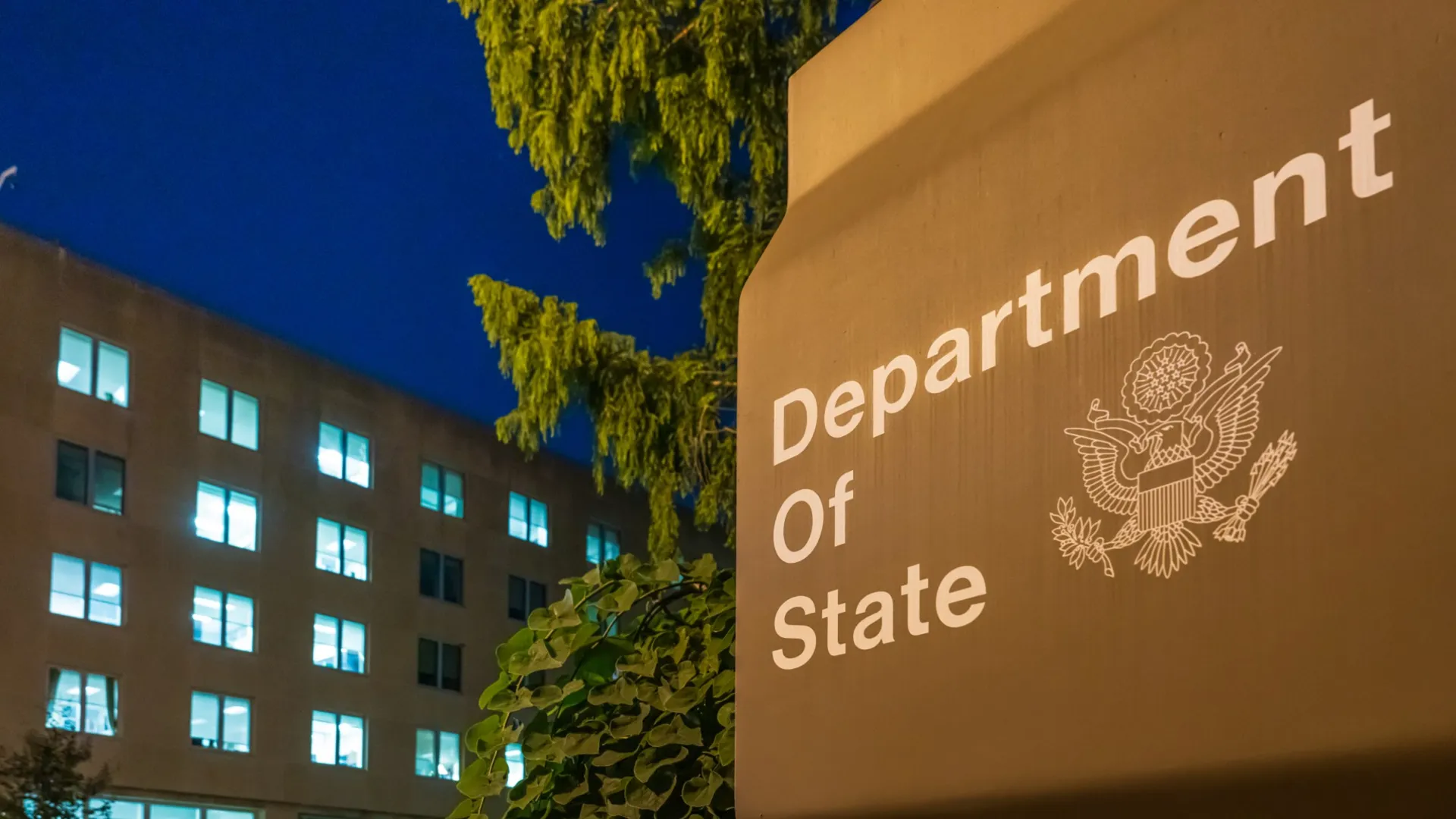
While the Trump administration has become known for its policy of anti-globalization, recent reports that the White House plans to shutter five overseas embassies and consulates have some worried about the implications. Several of the planned closures will occur in nations with close diplomatic ties to the United States, including Canada and Japan. The rare moves, which often happen only during times of conflict, could create new foreign affairs headaches, even as Republicans laud the plans.
What did the commentators say?
The U.S. State Department has reportedly informed Congress that it is planning to close the embassy on the Caribbean island of Grenada; the consulates in Nagoya, Japan, and Medan, Indonesia; the diplomatic post in Winnipeg, Canada; and the embassy in Douala, Cameroon. The closures are “expected to save the government roughly $4.4 million per year,” but the affected buildings also “employ very few people compared with others,” said The Associated Press.
The buildings in Grenada and Nagoya “have only one American staffer and five local employees each,” said the AP, and the Medan consulate has only 47 local employees; the Douala embassy has only 14 and the Winnipeg post has just two. The closure effort is “part of a broader push by the Republican president to transform the U.S. bureaucracy so that it is fully aligned with his ‘America First’ agenda,” said Reuters. People seem split on the closures. Supporters have “portrayed cost-cutting measures as necessary to right-size an organization many conservatives see as bloated and overly bureaucratic.”
The Week
Escape your echo chamber. Get the facts behind the news, plus analysis from multiple perspectives.
Join more than 350,000 subscribers and keep yourself informed with a selection of The Week’s most interesting, enlightening and entertaining stories - plus daily puzzles.
Join more than 350,000 subscribers and keep yourself informed with a selection of The Week’s most interesting, enlightening and entertaining stories - plus daily puzzles.
But Democrats “argue that cuts to the U.S. diplomatic footprint — coupled with the dismantling of the U.S. Agency for International Development, which provided billions of dollars worth of aid globally — risks undermining American leadership,” said Reuters. While “on paper, the move is about efficiency,” in practice it “goes far beyond the fate of five buildings,” said Newsweek. The consular slashing “suggests the Trump administration sees America’s overseas presence as a dollar figure to be managed on a balance sheet, not as a strategic asset to be maintained.”
Some of the buildings planning for closure are far less consequential than full embassies; the diplomatic post in Winnipeg does “not provide full consular services, only emergency assistance to Americans in distress,” said the National Post. But the closures also mark a “rare reduction of America’s diplomatic footprint outside a specific geopolitical crisis,” said Newsweek, even though the shutterings themselves are “modest in isolation.”
What next?
The State Department hasn’t specifically confirmed or denied the closures but said its officials were “focused on ensuring that the nation’s diplomatic footprint was efficient and effective,” the agency told Reuters in a statement. The department also said it was “committed to following congressional notification procedures.” No exact timeline for the shutterings has been announced.
The decision follows a recent pattern of closures. Earlier this year the Trump administration announced it would “permanently close the U.S. consulate in Peshawar, Pakistan, which was the closest diplomatic mission to Afghanistan,” said the AP. At the same time, the U.S. is also “investing millions of dollars into reopening the U.S. embassies in Caracas, Venezuela; Damascus, Syria; and Tripoli, Libya,” to “restore America’s formal diplomatic presence following the ouster of long-ruling autocrats in those countries.”
Sign up to get Today’s Best Articles in your inbox
A free daily email with the day’s biggest news and analysis – and the best features from TheWeek.com
Justin Klawans has worked as a staff writer at The Week since 2022. He began his career covering local news before joining Newsweek as a breaking news reporter, where he wrote about politics, national and global affairs, business, crime, sports, film, television and other news. Justin has also freelanced for outlets including Collider and United Press International.