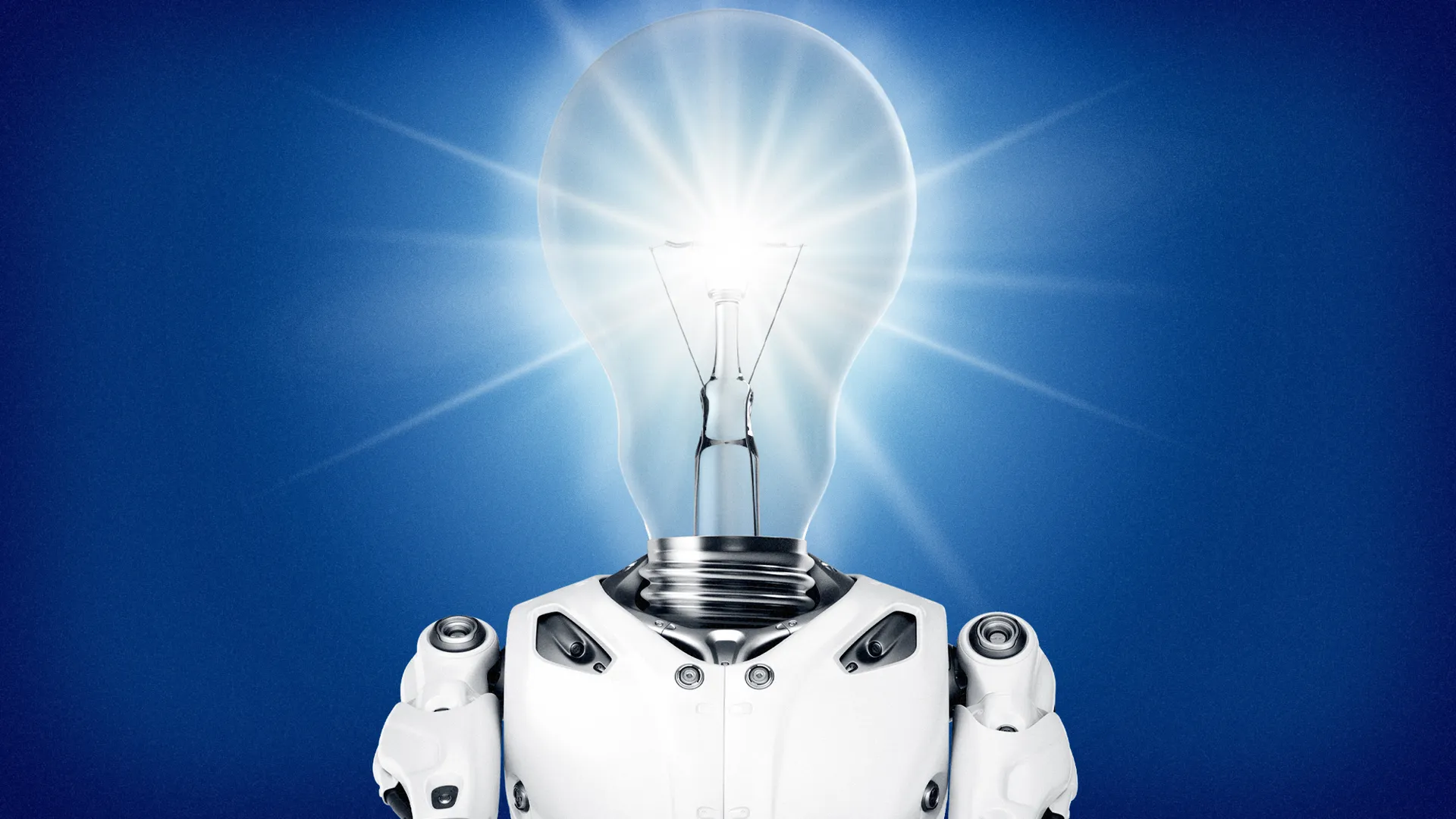
OpenAI CEO Sam Altman believes that we have reached the singularity, an inflection point at which humankind can no longer keep up with how quickly artificial intelligence improves itself. And he’s not the only tech mogul who thinks so. Just a few weeks before Altman, Elon Musk said in an X post that the singularity has arrived. But these claims have awoken a chorus of skeptics.
‘Advancing unusually fast’
A true AI singularity would “force hard choices” about who controls increasingly autonomous systems, how benefits are distributed, and where human authority must remain final,” said tech executive Robert J. Szczerba at Forbes. The current state of AI “already warrants those questions.”
Altman may be right that a “gentler singularity is already underway,” with AI “steadily reshaping work and research,” said Szczerba. Still, while it’s “advancing unusually fast” and that “deserves serious attention,” it does not mean “we have passed a point of no return.”
There’s “no single ladder that humans and machines are climbing,” said Kai Riemer and Sandra Peter, professors at the University of Sydney, at The Conversation. AI already “vastly exceeds us at some tasks, while being “hopeless at others any child can do.” But because the “systems talk like us, we fall for an illusion.”
‘Not actually there yet’
It may be impossible to know exactly when we have crossed into the singularity, said philosopher Nick Bostrom to Business Insider. AI is showing the “first stirrings” of recursive self-improvement, but it lacks the capability for continual learning. Using current AIs is like “working with a brilliant and extremely well-educated recruit,” but it’s “always their first day at the job.”
Altman, as is “often the case, is simply aping Elon,” said scientist Gary Marcus on Substack. The CEOs making these claims shouldn’t be taken seriously because “none of them has actually defined what they mean.”
“No matter how you slice it, we just are not actually there yet,” said Marcus. If we were, we “wouldn’t be once again seeing” the Klarna Effect, which is the “AI hype two-step” where “employers boast of using AI to reduce headcount only to quietly rehire humans.” |