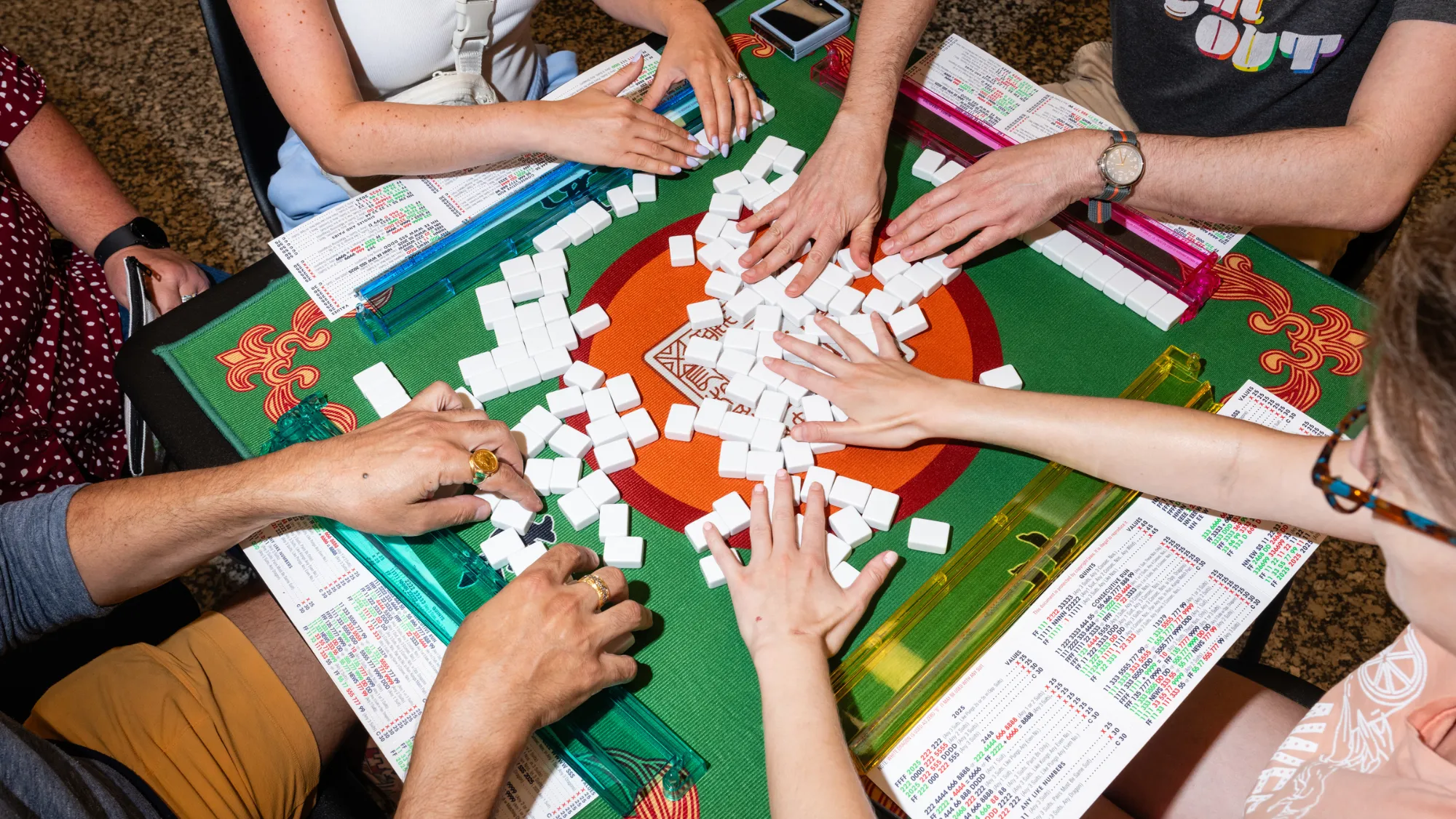
The popularity of mahjong “spans continents and centuries,” said Vanity Fair. And these days, it’s moving firmly from “amusing pastime” to a “lifestyle” for many young people.
A combination of “ritual and mystery,” the game, which dates back to the mid-1800s, requires “skill and intelligence” and can feel “nearly impenetrable” to observers, said the outlet. But Gen Zers are increasingly entranced by the “hypnotic and persistent clicking of tiles” and “silent swapping of pieces.”
Mahjong’s current boom in popularity is driven largely by social media and popular culture. In manga and anime, it’s often used as a “narrative device” to “ramp up tension,” and in the 2018 hit movie “Crazy Rich Asians,” there’s a “pivotal” game, said The Economist. Over the past year, TikTok has seen a “70% surge in mahjong content,” with many videos “extolling the pleasures of playing with friends.” The game provides a “sensory experience” and feeling of “community” far more “enriching” than doomscrolling the evening away.
Mahjong requires pattern recognition and memory skills, both of which help to keep cognitive function in top gear. And you can “learn a lot about someone’s true nature by how they play,” including their impulsivity and attentiveness, said Angie Lin, the founder of the mahjong community East Never Loses in Los Angeles, to Dazed.
At a time of digital fatigue and social isolation, the game is a “perfect vehicle for building connections,” Lin said. Everyone can have a seat at the mahjong table, as long as they have “respect” for its cultural past. |