What happened
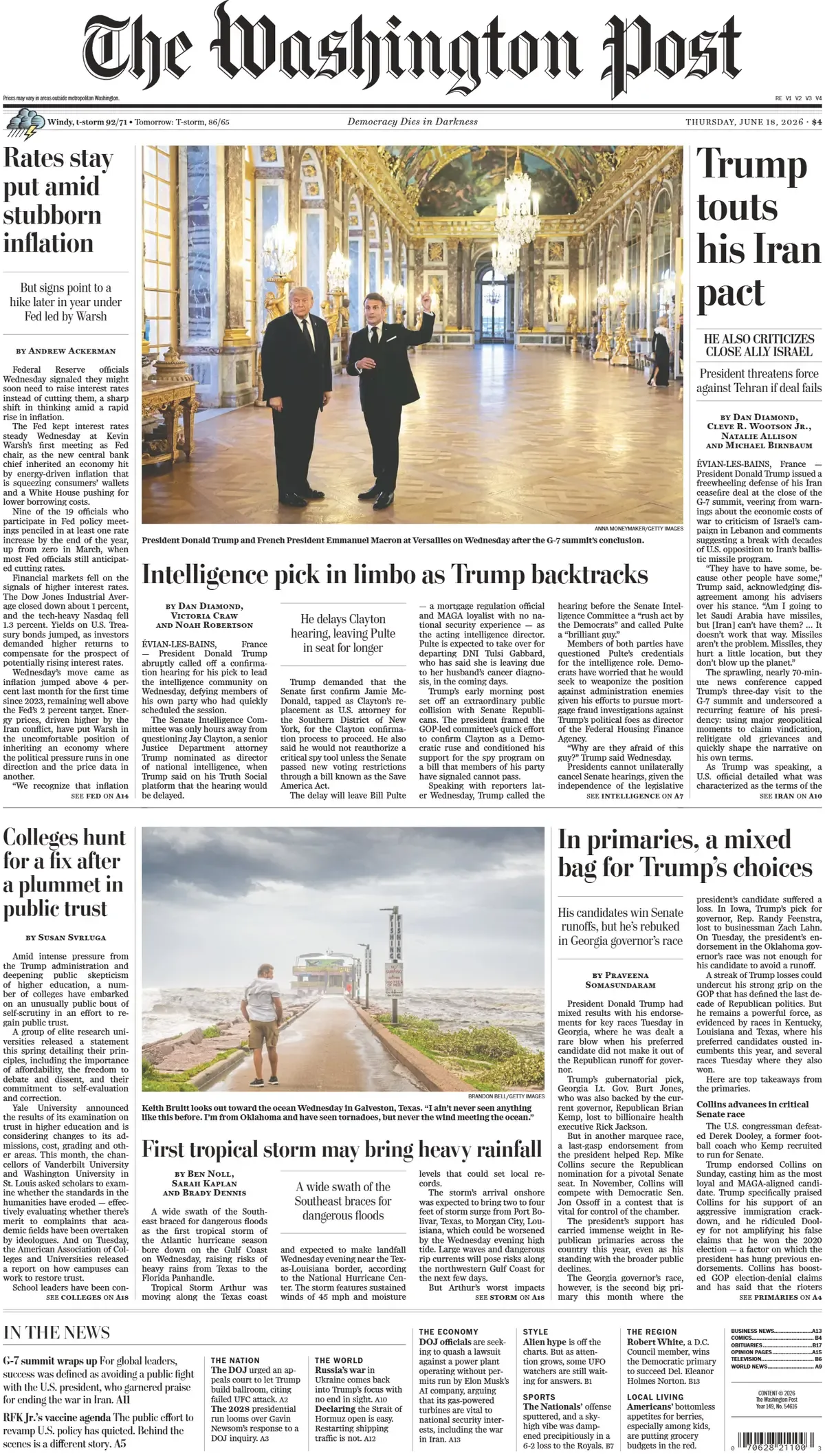
President Donald Trump and Iranian President Masoud Pezeshkian yesterday signed a memorandum of understanding to open the Strait of Hormuz, allow Iran to sell oil on the global market, start unfreezing its assets and begin 60 days of negotiations on Tehran’s nuclear program and “at least” $300 billion for Iran’s “reconstruction and economic development.”
The text of the 14-point agreement was read to reporters by a U.S. official yesterday, and Iran later released a similar version. Pakistani Prime Minister Shehbaz Sharif, a key mediator, said the agreement was in “force with immediate effect.”
Who said what
The agreement would mostly “restore the status quo before the war,” The Associated Press said. Except the text suggests Iran might “negotiate some permanent way to exercise sovereignty” over the strait, including new shipping “fees,” after 60 days, David Sanger said in The New York Times. Overall, the Iranians have “emerged from a confrontation with the world’s most powerful military” intact and “with much to celebrate.”
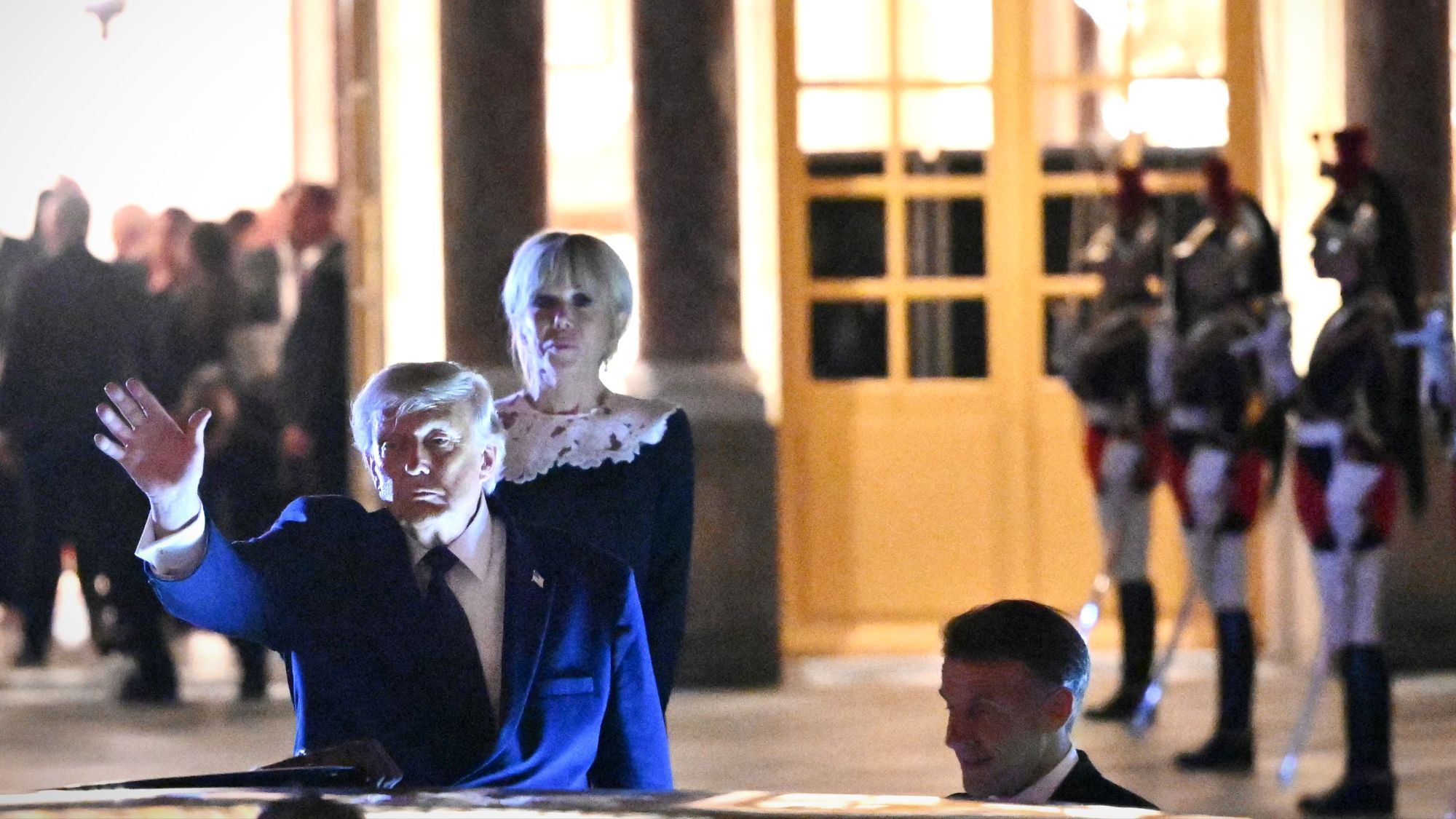
“Everything we sought to achieve through military action, we obtained several times over through negotiation,” Iranian lead negotiator Mohammad Baqer Qalibaf said on state television. The deal is “very strong,” Trump told reporters at a G7 summit in France. “Most people seem to be very happy.” Critics of the deal, including many Republicans, are “stupid and bad people,” he said. But "if I don’t like it, we’ll go back to shooting at them, dropping bombs.”
What next?
Instead of a planned signing ceremony in Geneva tomorrow, Vice President JD Vance and other Trump envoys will “attend three days of negotiations with their Iranian counterparts” in Lucerne, The Wall Street Journal said |