What happened
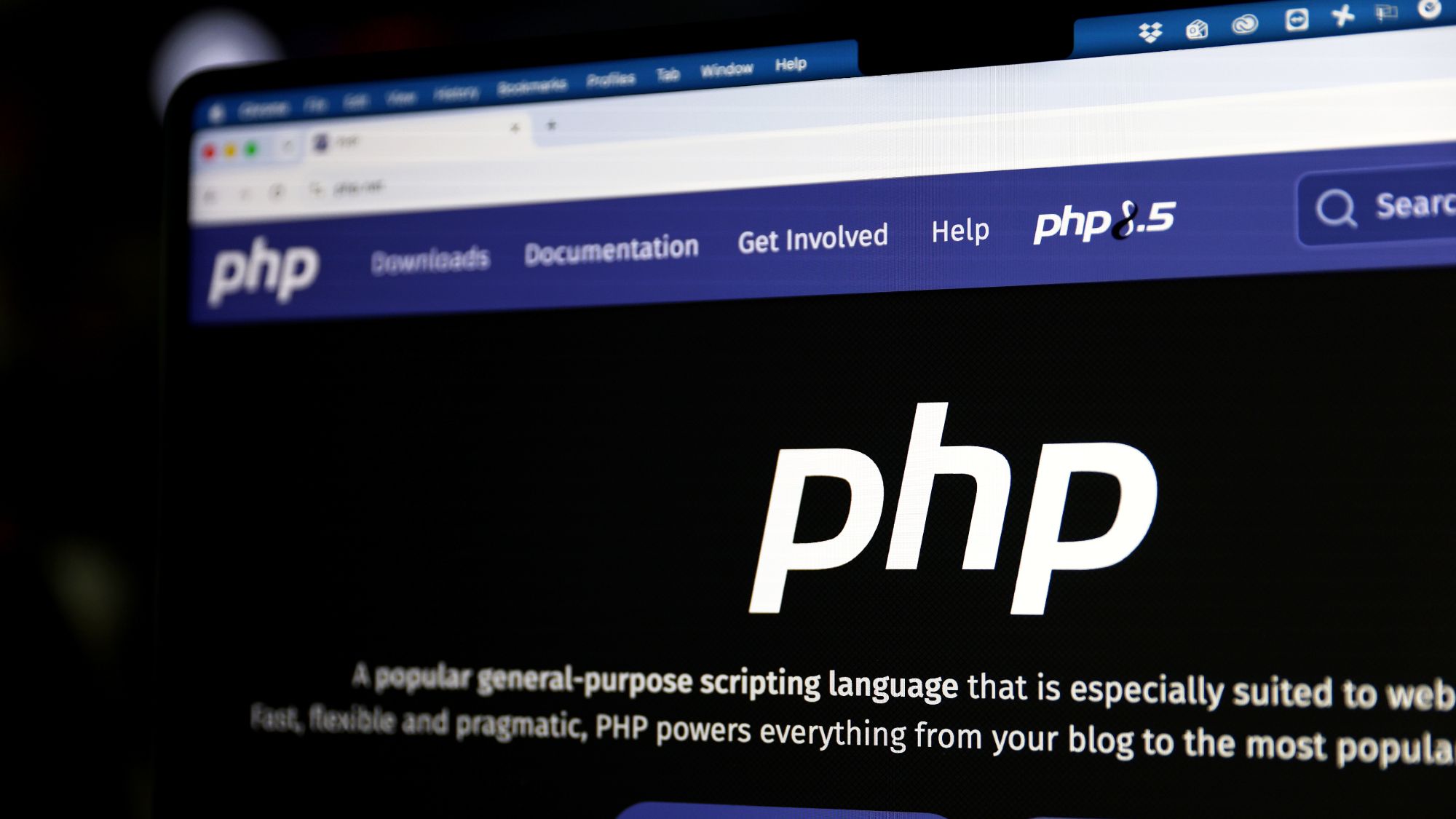
Security agencies and internet researchers yesterday revealed critical security vulnerabilities in PHP, a programming language that powers an estimated 70% of the world’s websites, and released a patch to fix them, triggering a rush by countries and companies to protect their sites from hackers. Researchers first uncovered the flaws in August, using OpenAI’s advanced models. Some governments and commercial services, on advice from NSA and FBI cyber units, preemptively took down their sites yesterday.
Who said what
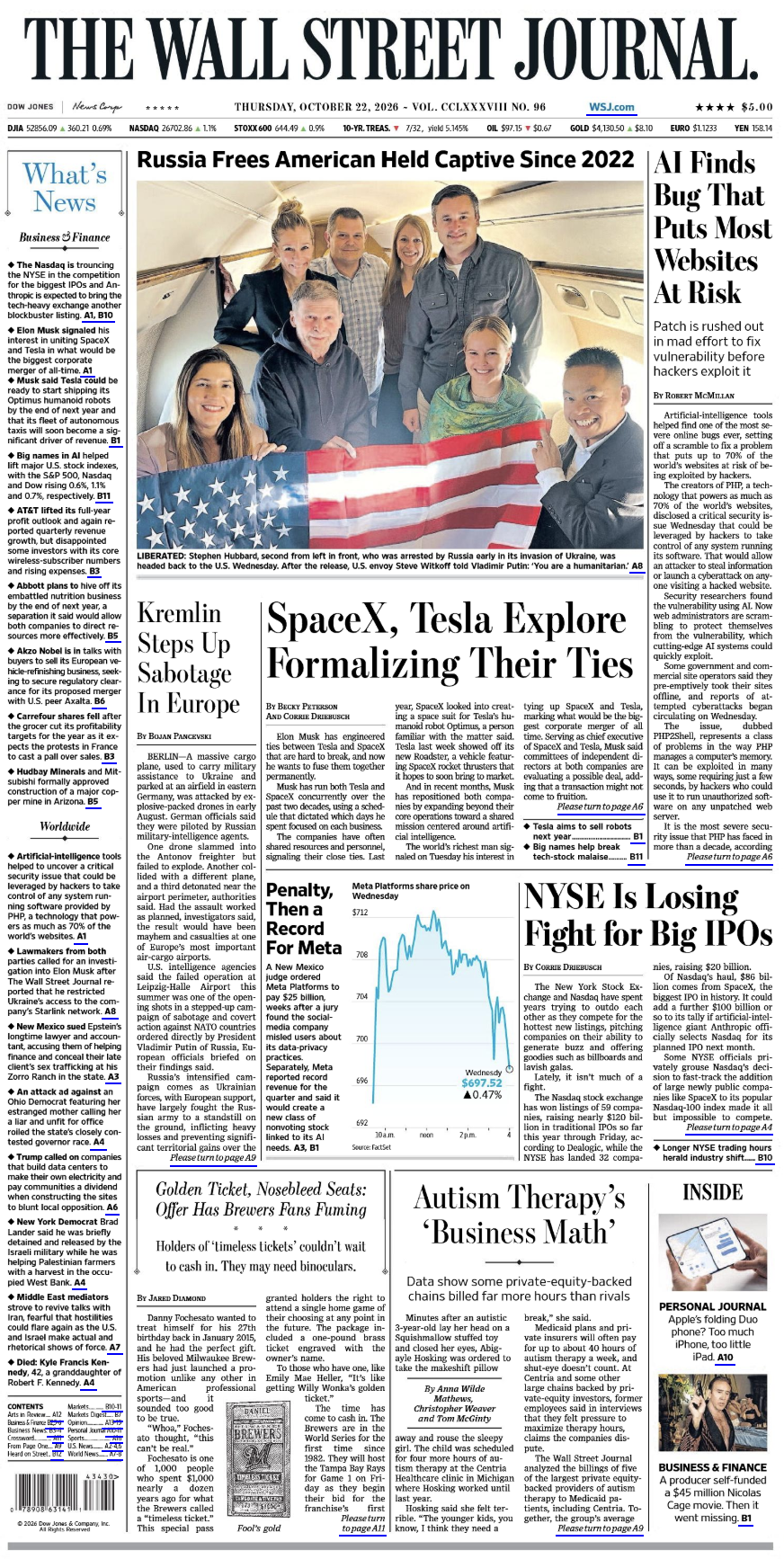
“The potential impact is enormous,” putting a “significant portion” of the internet at risk, Ismael Valenzuela at cybersecurity firm Arctic Wolf said to The Associated Press. AI allowed researchers to uncover the vulnerabilities, PHP2Shell, but it also lets a broad range of bad actors find decade-old “weaknesses and turn them into working exploits.” Hackers could exploit PHP2Shell “in many ways, some requiring just a few seconds,” The Wall Street Journal said. On any system running PHP, attackers could “steal information or launch a cyberattack on anyone visiting a hacked website.”
What next?
Yesterday’s security fix release “marks the starting shot in a race between defenders and hackers,” the Journal said. Hackers could use the rescue software as a “kind of road map” to “easily reverse engineer” the patch, The New York Times said, and “initiate attacks” before systems are protected. |