The Week The Week
flag of US
US
flag of UK
UK
https://cdn.mos.cms.futurecdn.net/flexiimages/jzblygzdxr1769609154.gif

SUBSCRIBE

Try 6 weeks free

Sign in
  • View Profile
  • Sign out
  • The Explainer
  • Talking Points
  • The Week Recommends
  • Podcasts
  • Newsletters
  • From the Magazine
  • The Week Junior
  • More
    • Politics
    • World News
    • Business
    • Health
    • Science
    • Food & Drink
    • Travel
    • Culture
    • History
    • Personal Finance
    • Puzzles
    • Photos
    • The Blend
    • All Categories
  • Newsletter sign up Newsletter
  • The Week’s Sunday Shortlist
    Getting lost in Backrooms, a World Cup preview, and three crushable canned margaritas

     
    FILM REVIEW

    Backrooms

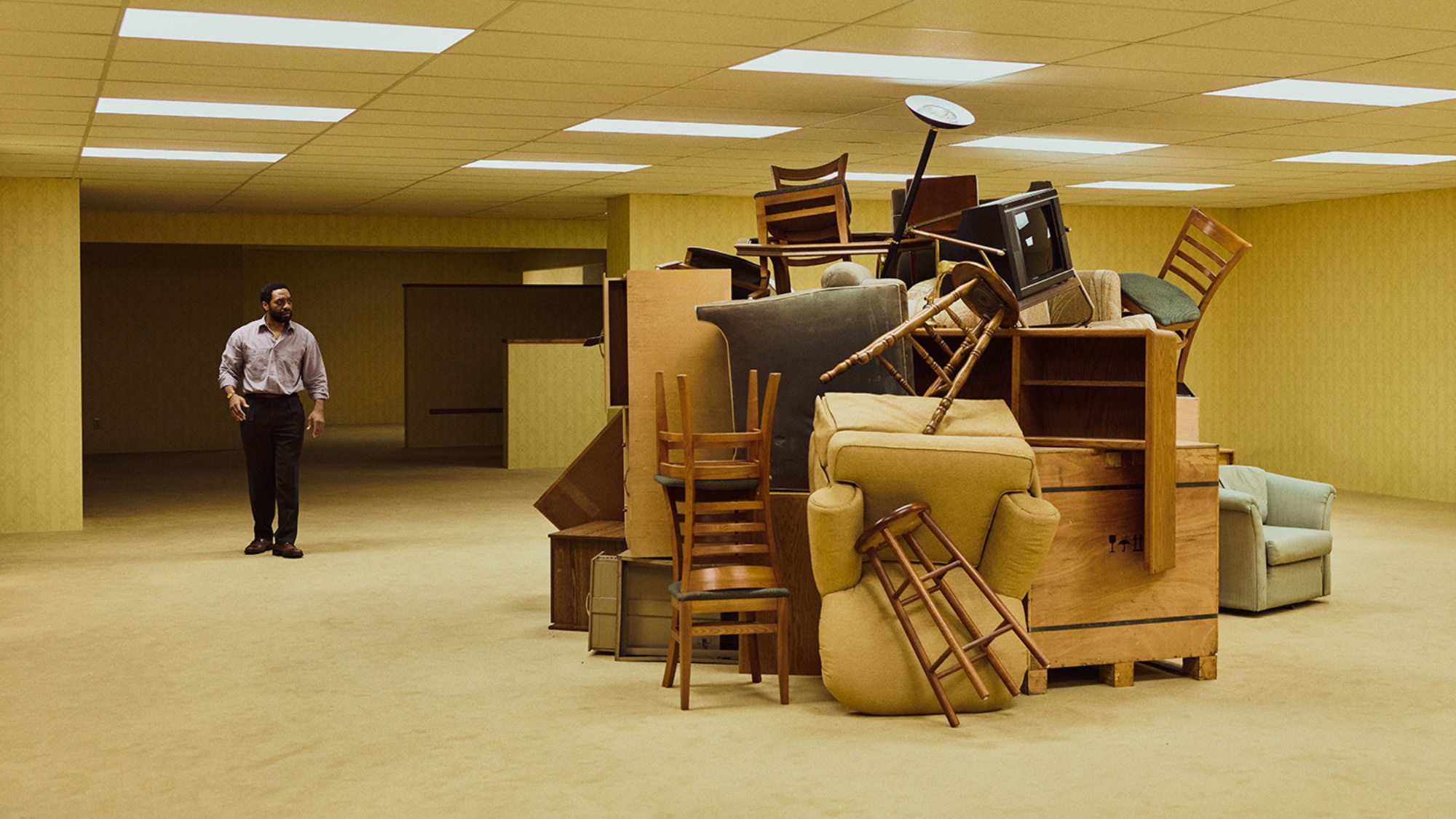
    “Might social media, a force often credited with hastening the death of theatrical moviegoing, instead prove to be its salvation?” asked Justin Chang in The New Yorker. As the three-week-old horror film Obsession continues its surprising run, it has now been blocked from topping the box office chart by another made-on-the-cheap hit by a young director whose vision was also shaped by social media. Backrooms, created by 20-year-old Kane Parsons, is “an ingeniously contoured exercise in liminal horror” built around the notion of a nearly endless maze-like expanse of eerily bland office spaces. Though the film “ends on a disappointingly conventional note,” it establishes Parsons as “an undeniable talent.” Given that his theatrical debut grew out of the huge audience he’d built on YouTube for short videos set in the same world, said Amy Nicholson in the Los Angeles Times, “Backrooms would be one of the year’s most significant releases even if the movie itself was merely fine.” Instead, “it’s a work of honest-to-goodness art,” an “uncannily mature” tale about how the self-serving narratives we tell ourselves block emotional growth. Chiwetel Ejiofor plays an embittered furniture store owner who discovers a passage into the mundane alt-space, eventually drawing two young employees and his therapist, played by fellow Oscar nominee Renate Reinsve, into also braving its potential dangers. Still, Backrooms is less straightforward horror than “a surrealist painting in motion.” It conjures “a deep-in-the-bones unease,” said Kyle Smith in The Wall Street Journal. And while the disappointing screenplay ensures the film isn’t “a fully explained wonder,” it remains “well worth the wander.” 


    tv review

    2026 FIFA World Cup

    The world’s biggest sporting event comes to North America. Outrageous ticket prices, security concerns, and predictions of extreme heat have dogged the lead-up to this year’s World Cup. All the more reason to watch from home or, better yet, a fan-filled bar. Matches start on June 11, as 15th-ranked Mexico takes on South Africa in Mexico City. The U.S., ranked 16th, kicks off in Los Angeles the next evening against Paraguay. Saturday’s hot matchup is between Brazil (6th) and Morocco (8th), while Sunday sees the debut of Germany (10th) and the Netherlands (7th).
    Fox and FS1; check listings 


    FOOD & DRINK

    Cocktails: Canned margaritas

    “Canned margaritas are the ultimate convenience,” said Lucy Simon in Food & Wine. While mixing your own isn’t hard, sometimes you want to hit the beach or a picnic with no fuss. To pick our top three, we taste-tested nine top brands, seeking fresh lime flavor balanced by a hint of sweetness.

    Tip Top Cocktails Margarita ($24 for 4)
    Though Tip Top’s little 100 ml cans are pricey, each serving delivers “the complexity you’d get in a freshly made cocktail.” The mix is 26% ABV, and no other option served up the flavor essentials — lime, salt, tequila — so purely.

    Cayman Jack Margarita ($18 for 12)
    This “easy-drinking” low-alcohol option, sold in 12-ounce cans, “veers sweet.” But it has “a soda-like effervescence” and is “pleasant to sip.”

    Big Sipz Lime Margarita ($4 per 200 ml can)
    Our testers “weren’t blown away” by this 16% ABV option. It’s “budget-friendly,” though, and “by no means offensive.”


    BOOK OF THE WEEK

    Trudeau & Doonesbury: A Biography

    by Joshua Kendall

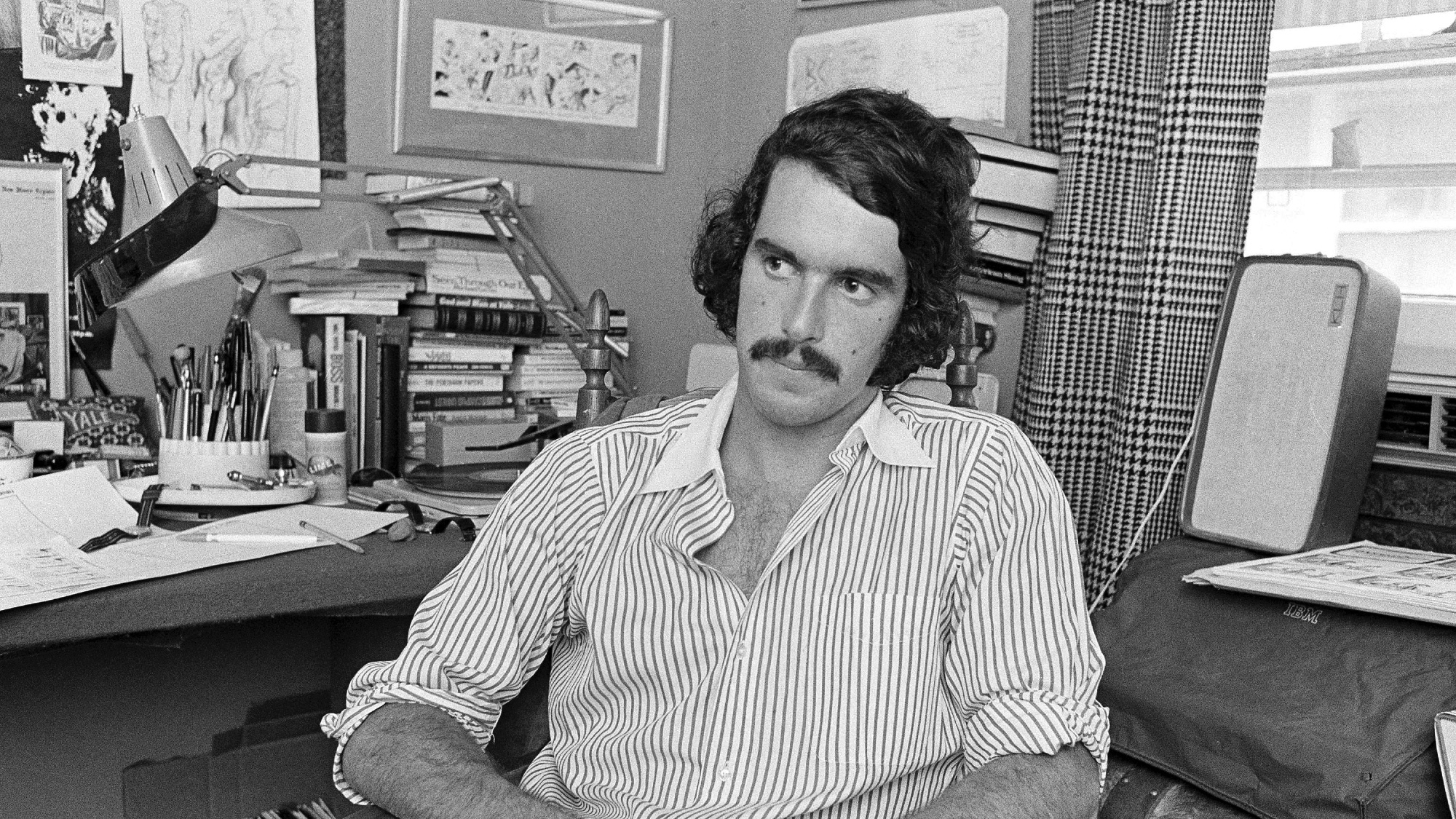
    The new Garry Trudeau biography is, compared with the comic strip he’s known for, “not as sophisticated, in tone and content,” said Dwight Garner in The New York Times. But while it’s merely “a meat-and-potatoes biography,” it “has a good story to tell,” and “I devoured it in two or three sittings, as if it were an ideal bag of popcorn.” Trudeau, now 77, is a hero to many because, beginning with the first syndicated appearance of Doonesbury in 1970, he “dragged a knowing hippie sensibility onto the playground of the comics pages.” For decades, his strips were “a daily confirmation of one’s sanity,” and he’s been just as sharp since slowing in 2014 to a Sunday-only publication schedule. He is, as this book reveals, a short guy who shot up at age 17 but who “never forgot what being a short guy was like.”

    Author Joshua Kendall traces Trudeau’s life back to its origins — “a childhood marked by both immense privilege and a quiet, defining trauma,” said David Smith in The Guardian. Trudeau grew up in an upstate New York town essentially built by his great-grandfather, but his mother left the family when Garry was 10, and he battled depression and towering bullies when he was sent away to prep school. But an inspiring teacher helped him express himself through art, and after he entered Yale in 1966, he started a comic strip in the student paper that evolved into Doonesbury. By the mid-1970s, he’d won a Pulitzer Prize and was carried in newspapers with a total readership of 60 million, and he’d graduated from lampooning jocks and preppies to calling out Richard Nixon’s criminality. In 1980, he married Today show co-host Jane Pauley. 

    “Kendall reminds us of the many times that Doonesbury was more than just a comic strip,” said Alex Beam in The Boston Globe. A moving chapter details Trudeau’s deep immersion in the experiences of wounded combat veterans, a group he honored when one of the strip’s original characters, the footballer B.D., lost a leg fighting in the Iraq War. At other times, Trudeau has drawn anger or censorship, as when he created the funny pages’ first openly gay character or spoofed new state limits on abortions. Though Kendall persuaded the famously reclusive Trudeau to answer some biographical questions, the author offers little insight about his subject’s emotional life, leaving “a yawning hole” in his account. Still, the book is “a warm and fuzzy romp for Baby Boomers” and “a perfect biography for Trudeau: respectful, informative, and none too intrusive — just the way he would want it.”


    OBITUARY

    Sonny Rollins

    The saxophone colossus who reshaped jazz 

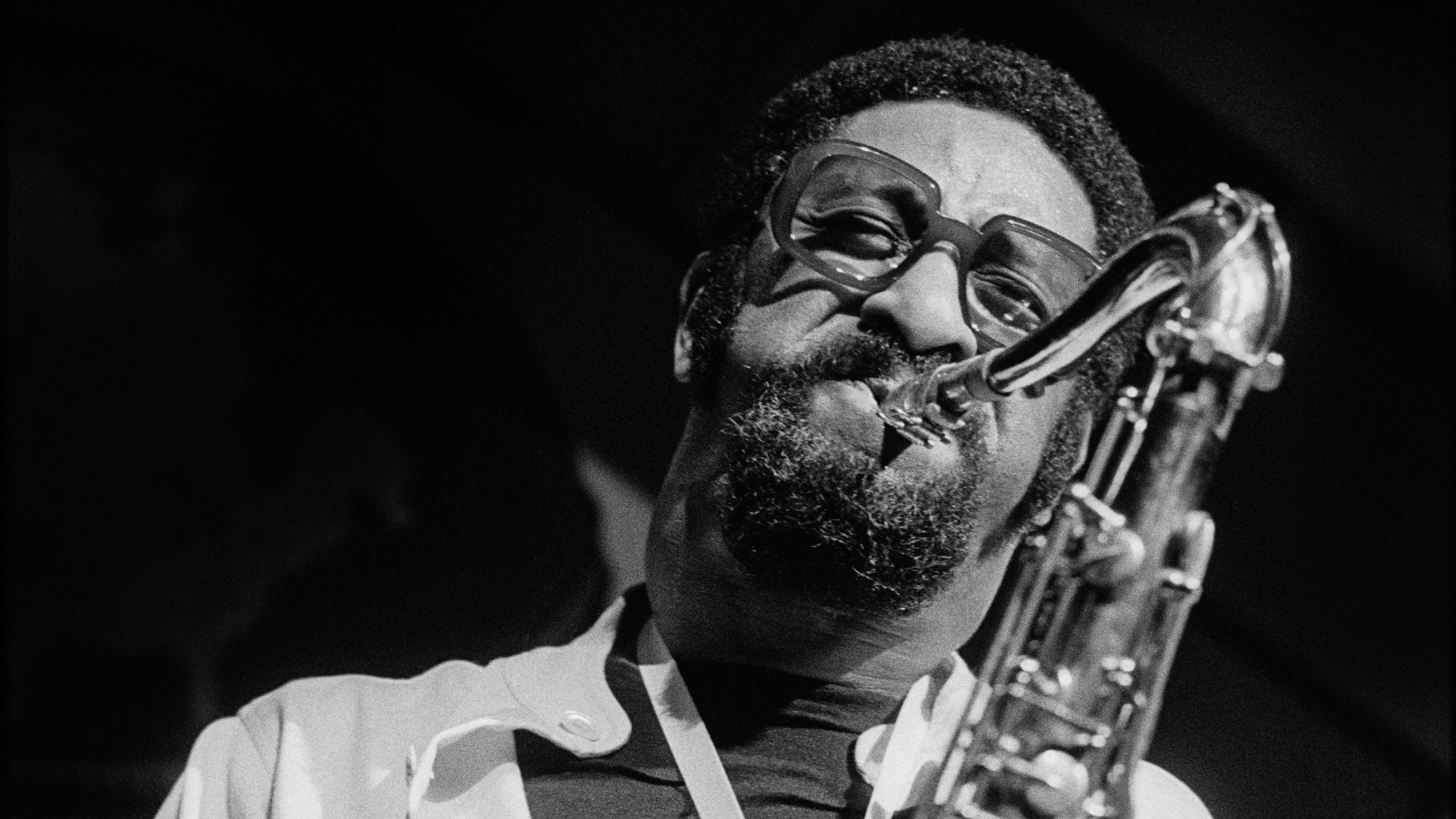
    In 1959, Sonny Rollins was at the peak of his fame and widely viewed as the greatest living jazz improviser. But that summer, the 28-year-old saxophonist suddenly stopped performing. For the next two years, Rollins began improvising on his own, playing rain or shine for up to 15 hours a stretch on New York City’s Williamsburg Bridge, far from the ears of complaining neighbors. A self-critical perfectionist, he felt he needed time to find his own style, as his friend and rival John Coltrane had done. The result was The Bridge, Rollins’ pioneering 1962 album recorded with guitar accompaniment instead of piano, full of lyrical pieces that showcased his ability to build musical narratives. He would go on to be known as America’s greatest living jazz musician, with a career that spanned seven decades. “A lot of people couldn’t comprehend why I would stop playing,” he said in 2001. “But I learned something. It was necessary for me to do to have the kind of confidence I need to play music like this.”

    Born in Harlem in 1930, when legends like Duke Ellington, Billie Holiday, and Louis Armstrong lived in the neighborhood, Rollins was “always fascinated by music,” said The Washington Post. His mother bought him a sax when he was 7, and he grew up idolizing swing-era greats like Coleman Hawkins and Louis Jordan. But his musical awakening came with the rise of saxophonist Charlie Parker, whose fast tempos and intricate harmonies kicked off the “bebop revolution.” Like Parker, Rollins had a bout with heroin addiction, but he went through rehab in 1955 and rededicated himself to music. He could improvise “intricate melodies without sounding trite or ostentatiously avant-garde” and then, for a ballad, soften his tone “to velvet.”

    “Getting clean helped spur an astonishing burst of creativity,” said The Guardian (U.K.). In the 1950s alone, Rollins released 18 albums, including the 1956 landmark Saxophone Colossus. In the following decades, he experimented with other genres such as calypso, funk, and R&B, and played on several songs from the Rolling Stones’ Tattoo You, including “Waiting on a Friend.” With his “muscular sound, idiosyncratic solos, and consistent experimentation,” Rollins was endlessly versatile and in demand, said The Times (U.K.). Yet he was often reclusive, disappearing for years on trips to India and Japan for what he described as his “spiritual quest.” Even when he retired in 2014, he was still unsatisfied with his sound. “What I’m looking for perhaps is unattainable,” he said in 2008. “But I certainly have a right to try to achieve it.” 


    Sunday Shortlist was written and edited by Susan Caskie, Ryan Devlin, Chris Erikson, Scott Meslow, Chris Mitchell, and Matt Prigge.

    Image credits, from top: A24, Getty (3)
     

    Recent editions

    • Saturday Wrap

      SNP ‘Supermarket Sweep’

    • Evening Review

      Can we slow the AI race?

    • Morning Report

      Andrew rented out cottages on Windsor estate

    VIEW ALL
    TheWeek
    • About Us
    • Contact Future's experts
    • Terms and Conditions
    • Privacy Policy
    • Cookie Policy
    • Advertise With Us
    • FAQ
    Add as a preferred source on Google Add as a preferred source on Google

    The Week UK is part of Future plc, an international media group and leading digital publisher. Visit our corporate site.

    © Future Publishing Limited Quay House, The Ambury, Bath BA1 1UA. All rights reserved. England and Wales company registration number 2008885.