Sign up to get Today’s Best Articles in your inbox
Join 350,000+ subscribers and keep yourself informed with a selection of
The Week’s most interesting, enlightening and entertaining stories - plus daily puzzles.
You are now subscribed
Your newsletter sign-up was successful
Want to add more newsletters?
An account already exists for this email address, please log in.
What’s next for Mexico after a powerful cartel leader’s death?
El Mencho’s death leaves a power vacuum in the Jalisco New Generation Cartel
Mexican security forces struck a major blow against international drug traffickers when they killed Nemesio Oseguera Cervantes over the weekend. Cervantes, known as “El Mencho,” was the leader of the Jalisco New Generation Cartel and one of Mexico’s most ruthless drug kingpins. But while his death leaves a power gap in the cartel, there could be even greater effects domestically and internationally.
What did the commentators say?
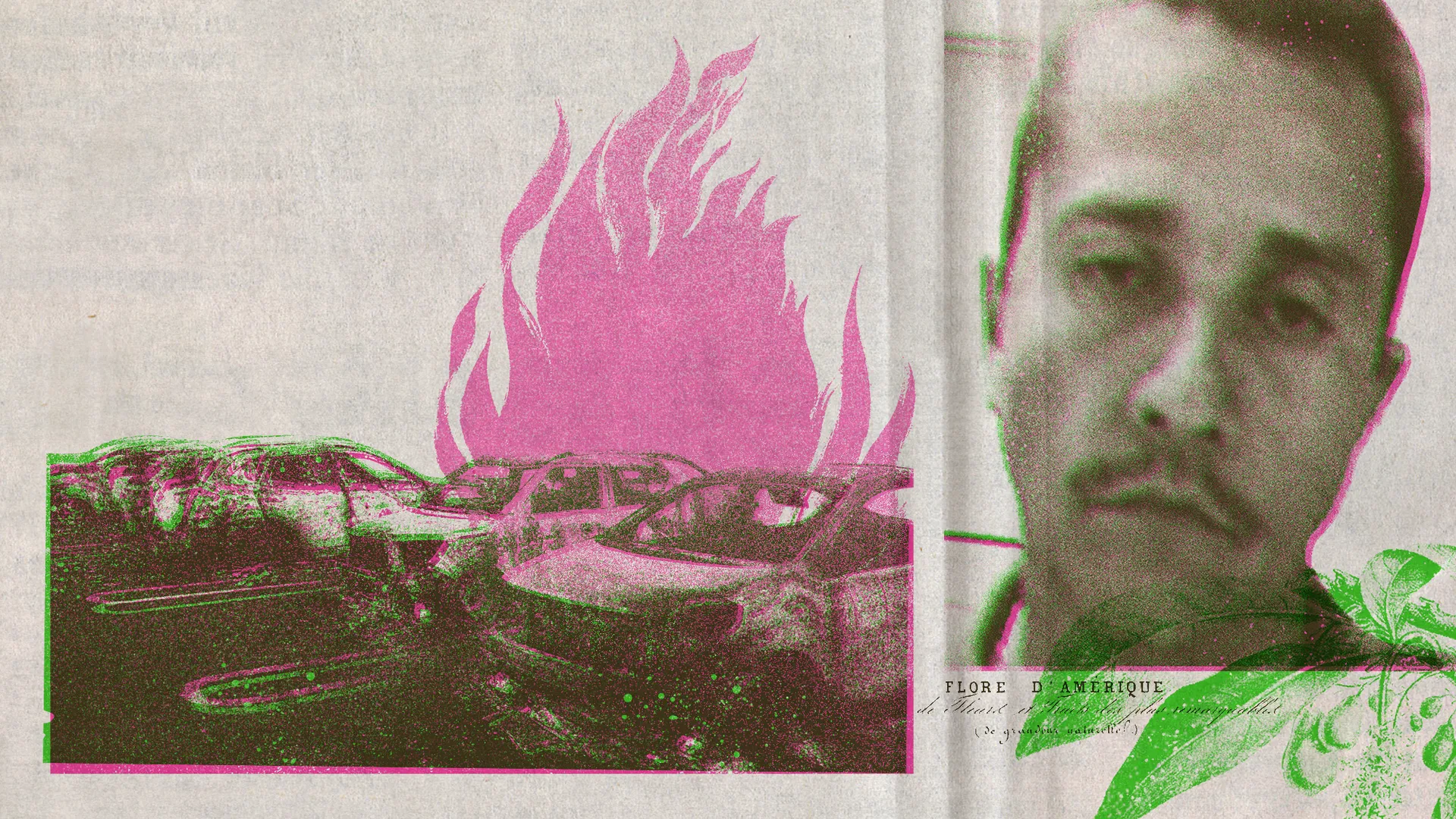
The most immediate effect of Cervantes’ death was a surge in violence, as “almost immediately, Guadalajara, Mexico’s third-largest city and the capital of Jalisco State, was plunged into chaos as the cartel retaliated,” said The New York Times. The carnage began “spreading to cities and beach resorts across Mexico as gunmen torched stores and banks and blockaded highways.” The U.S. Embassy ordered Americans to “take immediate shelter in their homes or lodgings” amid the “wave of high-intensity violence,” said The Arizona Republic. The blockades set up by the cartel became particularly troublesome as they “paralyzed different points of the state” of Jalisco.
Despite this violence, some across Mexico celebrated Cervantes’ death, as he had “built the Jalisco cartel into one of Mexico’s most feared criminal organizations,” said the Times. The cartel’s violence and brutality are notable “even among the country’s landscape of beheadings, dismemberments and bodies hanging off bridges.” Cervantes’ demise is the “most important blow that has been dealt to drug trafficking in Mexico since drug trafficking existed in Mexico,” said Eduardo Guerrero, a former Mexican security official, to the Times.
The Week
Escape your echo chamber. Get the facts behind the news, plus analysis from multiple perspectives.
Join more than 350,000 subscribers and keep yourself informed with a selection of The Week’s most interesting, enlightening and entertaining stories - plus daily puzzles.
Join more than 350,000 subscribers and keep yourself informed with a selection of The Week’s most interesting, enlightening and entertaining stories - plus daily puzzles.
There is also likely to be an effect on Mexico’s drug trade, as the Jalisco cartel is “one of Mexico’s most powerful drug trafficking organizations, with significant cocaine, heroin and methamphetamine distribution networks,” said Al Jazeera. There is additional evidence that the cartel played a “major role” in recent fentanyl trafficking into the United States. Many who follow the cartel’s doings say the group’s “growth has been driven as much by strategy as by brutality.”
What next?
Most experts say it is unlikely the Jalisco cartel will simply go away. U.S. officials “consider the cartel to be as powerful as the Sinaloa cartel, with a presence in all 50 U.S. states,” said The Guardian, referencing the infamous trafficking organization led by Joaquín “El Chapo” Guzmán. Given that the Jalisco cartel “earns billions from the production of fentanyl and methamphetamines,” production appears primed to continue.
The long-term effect in Mexico will largely “depend on what succession plans Jalisco New Generation had in the event of Oseguera Cervantes’ capture or killing,” said The Independent. Beyond the current carnage, there is usually “longer-term violence associated with any succession.” How bad things will get depends on the cartel itself, but typically, operations where a “cartel boss is removed lead to more violence and fragmentation of criminal groups.”
There could also be ongoing political ramifications, as Mexican President Claudia Sheinbaum’s move to target Cervantes “represented a hard policy turn following a year of intense pressure” from President Donald Trump, said CNN. But a “permanent cartel crackdown would create new dilemmas and political risks.” And while Sheinbaum has said she is focused on restoring peace and coordinating with security forces, historical killings of drug lords “don’t stop drugs flowing to Americans or temper cartels, which seed corruption throughout Mexican business, law enforcement and politics.”
Sign up to get Today’s Best Articles in your inbox
A free daily email with the day’s biggest news and analysis – and the best features from TheWeek.com
Justin Klawans has worked as a staff writer at The Week since 2022. He began his career covering local news before joining Newsweek as a breaking news reporter, where he wrote about politics, national and global affairs, business, crime, sports, film, television and other news. Justin has also freelanced for outlets including Collider and United Press International.