Find out how well your child will fare financially at age 26, based on where you live

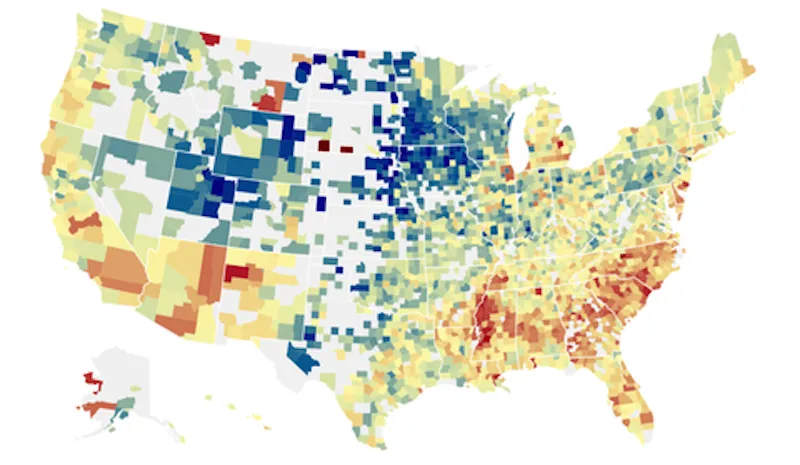
There are a lot of factors to consider when deciding where to raise your children, assuming you have a choice. According to new research from Harvard economists Raj Chetty and Nathaniel Hendren, your location has a sizable, measurable impact on how much your child will earn as an adult — and if they're right, that's great news for children in the western suburbs of Chicago and northern suburbs of Seattle, but bad news for kids in Baltimore and Charlotte, North Carolina.
Chetty and Hendren lay out their methodology, data, and rankings at their Equality of Opportunity site, but The New York Times has compiled it into a very handy interactive map. If you visit the story, and don't use a private-browsing page, The Times will take you directly to your county and show you an article based on where you live (you can change location by clicking on a map or searching for a different city.) You can control for income bracket and gender.
The Week
Escape your echo chamber. Get the facts behind the news, plus analysis from multiple perspectives.

Sign up for The Week's Free Newsletters
Join more than 350,000 subscribers and keep yourself informed with a selection of The Week’s most interesting, enlightening and entertaining stories - plus daily puzzles.
Join more than 350,000 subscribers and keep yourself informed with a selection of The Week’s most interesting, enlightening and entertaining stories - plus daily puzzles.



