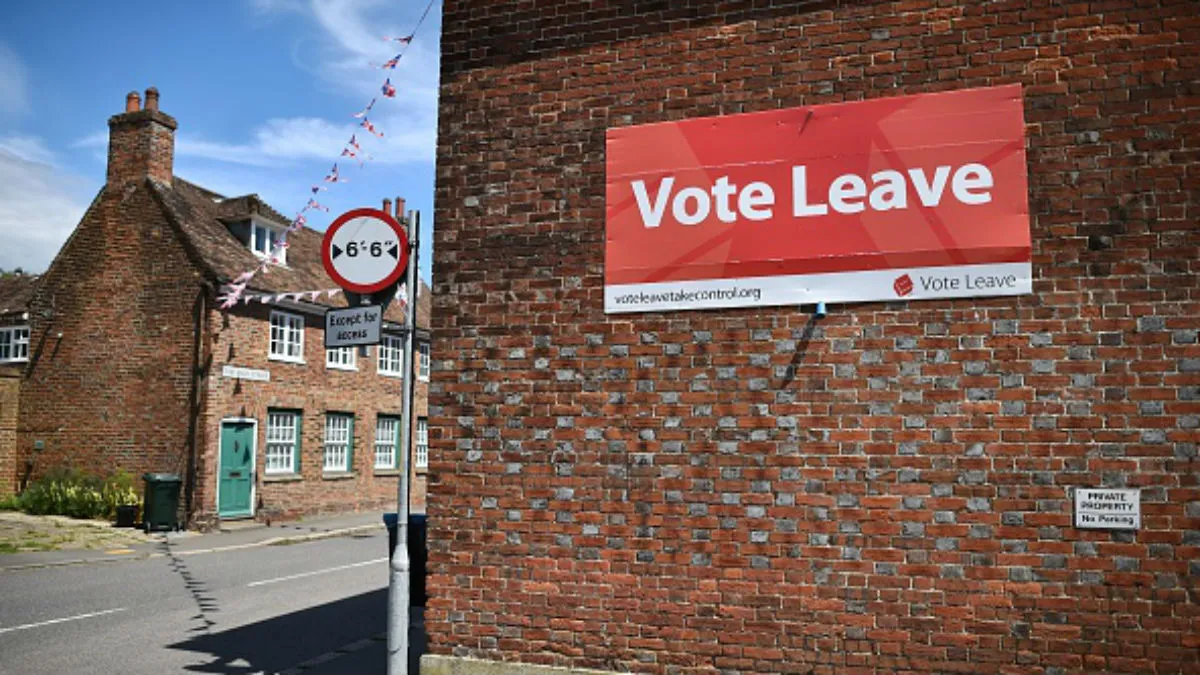
Vote Leave has been fined £40,000 for sending out thousands of unsolicited text messages in the run-up to the 2016 EU referendum.
An investigation by the Information Commissioner’s Office (ICO) found no evidence that the recipients of the messages had given their consent - a key requirement of electronic marketing law.
“Political campaigns and parties, like any other organisations, have to comply with the law,” ICO director of investigations, Steve Eckersley, said in a statement after the fine was handed down yesterday.
The Week
Escape your echo chamber. Get the facts behind the news, plus analysis from multiple perspectives.
SUBSCRIBE & SAVE
Sign up for The Week's Free Newsletters
Join more than 350,000 subscribers and keep yourself informed with a selection of The Week’s most interesting, enlightening and entertaining stories - plus daily puzzles.
Join more than 350,000 subscribers and keep yourself informed with a selection of The Week’s most interesting, enlightening and entertaining stories - plus daily puzzles.
Latest Videos FromThe Week US
Vote Leave, the official Brexit campaign group fronted by Boris Johnson and Michael Gove, said it was given permission to contact the recipients, but the evidence was deleted.
“Both during and after the referendum, Vote Leave complied with both the letter and spirit of the law,” a spokesperson said.
Jolyon Maugham QC, a barrister who leads the anti-Brexit Good Law Project, said the ICO’s findings were evidence of “yet more law breaking” by Vote Leave.
“How much more is still to emerge? What a sewer that referendum was!” he tweeted.
Last year, Vote Leave was fined £61,000 and referred to the police after an investigation by the Electoral Commission found it broke electoral law during the referendum campaign.
It was accused of exceeding its £7m spending limit by funnelling £675,315 through pro-Brexit group BeLeave. Vote Leave dismissed the allegations as inaccurate and politically motivated.
In October, Open Democracy revealed that the Metropolitan Police stalled the launch of any criminal investigations into Vote Leave and other pro-Brexit groups, citing “political sensitivities”.
At the time, Labour’s deputy leader Tom Watson said breaking the law during “one of the most critical moments in the UK’s history” made it of “urgent national interest that the police investigate what happened, how it happened and who was responsible.”
He added: “It is disappointing that no progress appears to have been made into these investigations.”