Sign up to get Today’s Best Articles in your inbox
Join 350,000+ subscribers and keep yourself informed with a selection of
The Week’s most interesting, enlightening and entertaining stories - plus daily puzzles.
You are now subscribed
Your newsletter sign-up was successful
Want to add more newsletters?
An account already exists for this email address, please log in.
Paris beach party under fire for 'indecent' Tel Aviv theme
Activists say event is inappropriate in wake of West Bank arson attacks
A Tel Aviv-themed summer party planned in Paris this week has drawn ire from pro-Palestinian advocates, who accuse the city's council of sanctioning an event which whitewashes human rights abuses in Israel.
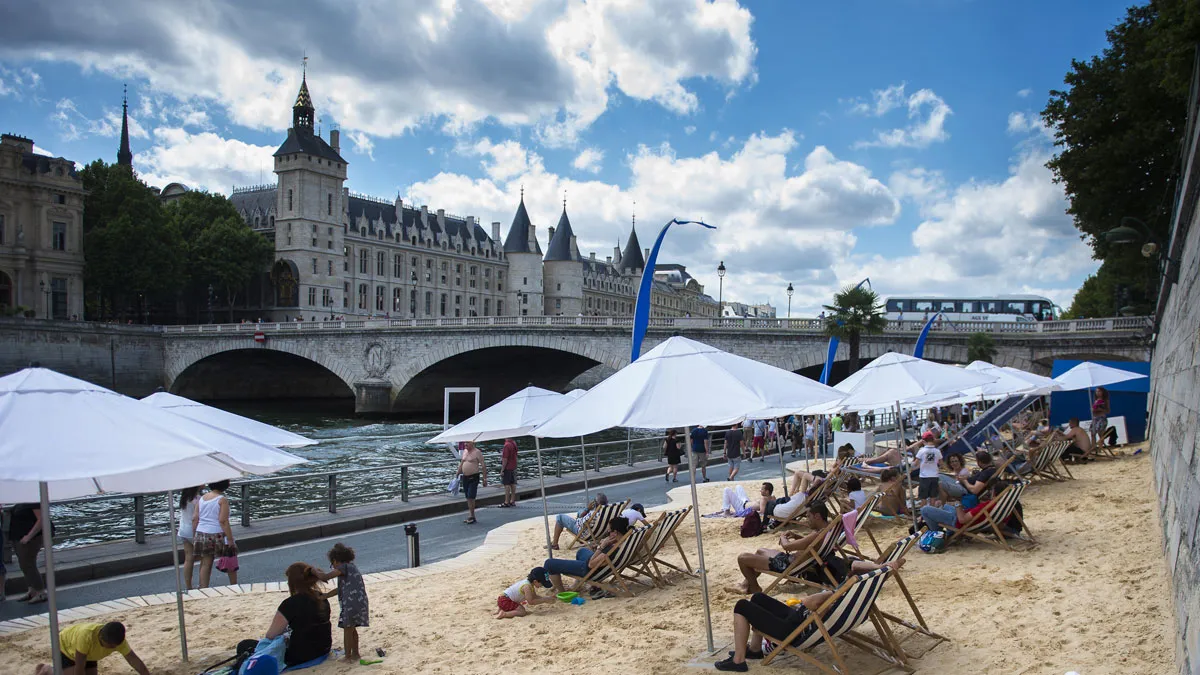
The Tel Aviv on the Seine event is scheduled for August 13 and is one of several themed days during Paris Plages, the annual month-long transformation of the French capital's quaysides into artificial beaches.
The day is touted as part of Paris Plages 'cultural partnership' with the world's cities, and will feature food trucks selling typical Israeli snacks, live entertainment and a DJ.
The Week
Escape your echo chamber. Get the facts behind the news, plus analysis from multiple perspectives.
Join more than 350,000 subscribers and keep yourself informed with a selection of The Week’s most interesting, enlightening and entertaining stories - plus daily puzzles.
Join more than 350,000 subscribers and keep yourself informed with a selection of The Week’s most interesting, enlightening and entertaining stories - plus daily puzzles.
For some Parisians, however, particularly those on the political left, the decision to pay tribute to the Mediterranean city's beach scene is tasteless in the wake of Israeli settlers' arson attack on a Palestinian home last month which killed a father and a baby. They, in return, have been accused of anti-Semitism.
Paris's mayor, Anne Hidalgo, has received a petition signed by more than 5,000 people demanding the cancellation of the event. Danielle Simonnet, a city councillor from the left-wing Parti de Gauche, is leading the charge to cancel or "radically modify" the planned festivities.
Simonnet said in its current form, Tel Aviv on the Seine was "the height of indecency" and expressed disbelief the programme did not include any debate or acknowledgement of the Palestinian conflict.
In an interview on radio station France Inter, Simonnet argued that holding such an event appeared to "champion the party atmosphere of Tel Aviv" while "colonisation intensifies in Israel".
Sign up to get Today’s Best Articles in your inbox
A free daily email with the day’s biggest news and analysis – and the best features from TheWeek.com
However, she was careful to state she did not intend to conflate the citizens of Tel Aviv with the settlers who have carried out violent attacks against Palestinian homes in the West Bank.
Despite the detractors, the city council insists the event will go ahead. Deputy mayor Bruno Julliard spoke out in defence of Tel Aviv on the Seine, tweeting: 'No confusion between Tel Aviv, a town symbolic of tolerance and peace, and the brutal policies of the Israeli government!'.