Sign up to get Today’s Best Articles in your inbox
Join 350,000+ subscribers and keep yourself informed with a selection of
The Week’s most interesting, enlightening and entertaining stories - plus daily puzzles.
You are now subscribed
Your newsletter sign-up was successful
Want to add more newsletters?
An account already exists for this email address, please log in.
Congress overrides Barack Obama's veto on 9/11 bill
President fears tit-for-tat lawsuits over US bill allowing families of 9/11 victims to sue Saudi Arabia
The US Congress has voted to override President Barack Obama's veto of a bill allowing families of the victims of the 9/11 terror attacks to sue Saudi Arabia.
The legislation "grants an exception to the legal principle of sovereign immunity in cases of terrorism on US soil, clearing the way for lawsuits seeking damages from the Saudi government", Reuters says.
Lawmakers in both the Senate and the House of Representatives voted overwhelmingly in favour of reversing the veto. This is first time this has happened during Obama's presidency, which has less than four months to go.
The Week
Escape your echo chamber. Get the facts behind the news, plus analysis from multiple perspectives.
Join more than 350,000 subscribers and keep yourself informed with a selection of The Week’s most interesting, enlightening and entertaining stories - plus daily puzzles.
Join more than 350,000 subscribers and keep yourself informed with a selection of The Week’s most interesting, enlightening and entertaining stories - plus daily puzzles.
Democrats in "large numbers" sided with Republicans to deliver "a remarkable rebuke to the President", the New York Times says. The final tallies were a 97 to one vote in the Senate and 348 to 77 in the House.
"Asking us to stand between 9/11 families and their day in court is asking a lot," said Democratic Senator Chris Coons.
White House spokesman Josh Earnest delivered an "uncharacteristically blunt" response after the Senate vote, calling it the "single most embarrassing thing the Senate has done since 1983".
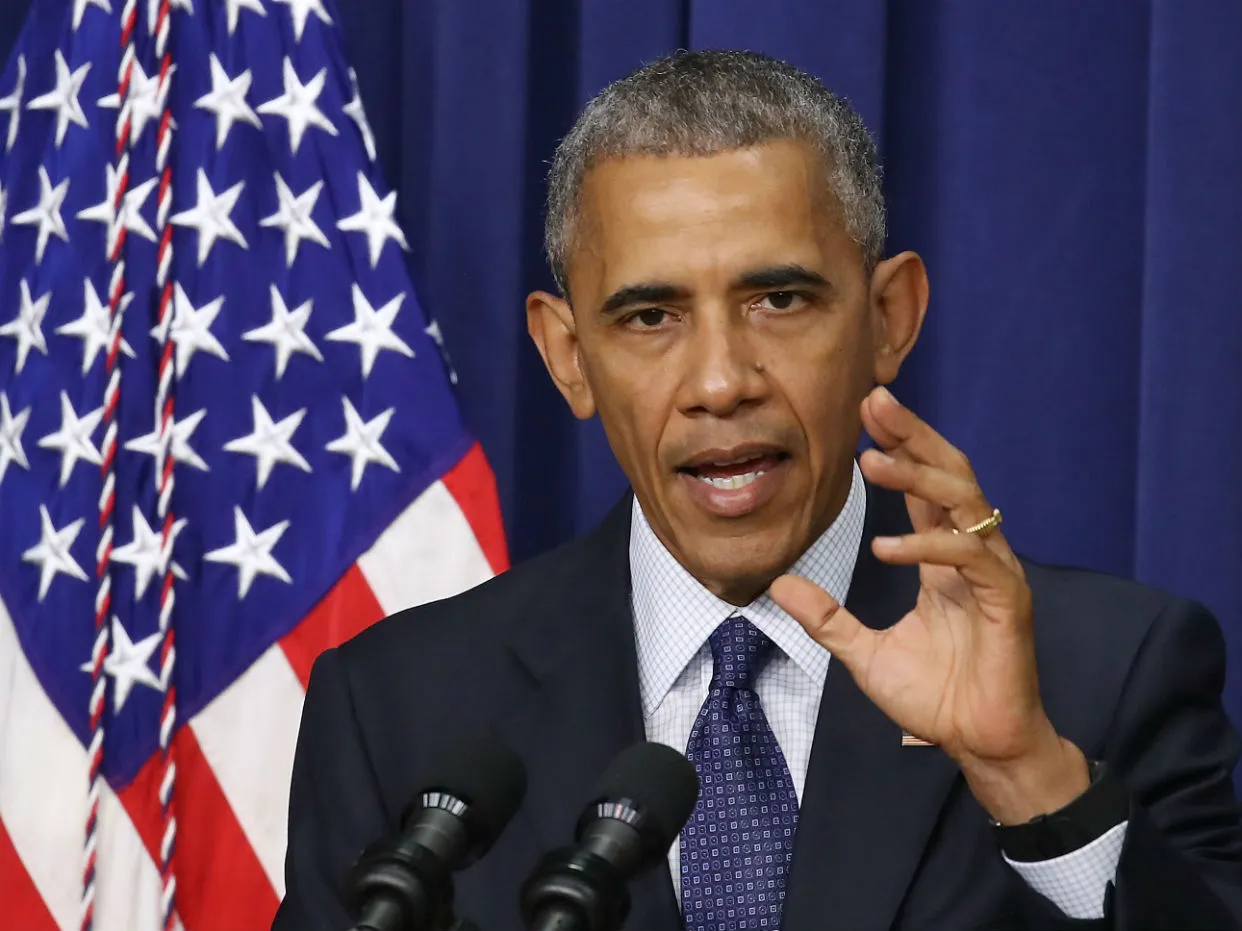
Obama vetoed the bill over fears it would "undermine US-Saudi relations" and open the door for "tit-for-tat lawsuits against US service members in places like Afghanistan and Iraq", the BBC says. "The United States relies on principles of immunity to prevent foreign litigants and foreign courts from second-guessing our counterterrorism operations and other actions that we take every day," he said.
Sign up to get Today’s Best Articles in your inbox
A free daily email with the day’s biggest news and analysis – and the best features from TheWeek.com
Overruling the veto was "basically a political vote", Obama said yesterday.
"It's an example of why sometimes you have to do what's hard and, frankly, I wish Congress here had done what's hard," he said. "If you're perceived as voting against 9/11 families right before an election, not surprisingly, that's a hard vote for people to take. But it would have been the right thing to do."