Sign up to get Today’s Best Articles in your inbox
Join 350,000+ subscribers and keep yourself informed with a selection of
The Week’s most interesting, enlightening and entertaining stories - plus daily puzzles.
You are now subscribed
Your newsletter sign-up was successful
Want to add more newsletters?
An account already exists for this email address, please log in.
MPs recommend tougher scrutiny for private firms
Work and pensions committee calls for action to prevent another BHS collapse
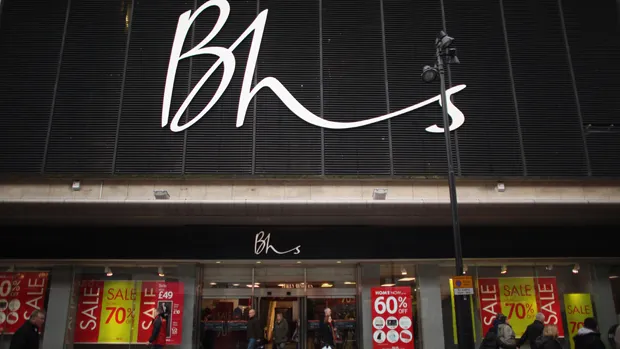
The changes would force private companies with more than 5,000 defined benefit pension scheme members to abide by the Financial Reporting Council's code. They are aimed at preventing another collapse similar to that of retail chain BHS.
Labour MP Frank Field, the chairman of the work and pensions committee, said the collapse of the high street store was triggered by "gross failures of corporate governance".
The Week
Escape your echo chamber. Get the facts behind the news, plus analysis from multiple perspectives.
Join more than 350,000 subscribers and keep yourself informed with a selection of The Week’s most interesting, enlightening and entertaining stories - plus daily puzzles.
Join more than 350,000 subscribers and keep yourself informed with a selection of The Week’s most interesting, enlightening and entertaining stories - plus daily puzzles.
He added: "The finances and leadership of a company with so many people depending on it should be open to scrutiny.
"For a company with a big social and economic footprint like BHS it is simply not enough to be accountable to shareholders - particularly when one shareholder owns most of the stock."
Field's committee "also called for changes that would make directors at private businesses accountable to pensioners through their scheme's trustees", says the BBC.
The MPs' report came as it was revealed that leading city investors will propose the creation of a "sin bin" for companies that overstep the mark on bosses' pay, says the Daily Telegraph.
Sign up to get Today’s Best Articles in your inbox
A free daily email with the day’s biggest news and analysis – and the best features from TheWeek.com
Under proposals expected to be submitted to ministers this week, a company would automatically face a binding vote on pay at its next annual general meeting if more than a quarter of shareholders protest against pay awards in a given year.