Sign up to get Today’s Best Articles in your inbox
Join 350,000+ subscribers and keep yourself informed with a selection of
The Week’s most interesting, enlightening and entertaining stories - plus daily puzzles.
You are now subscribed
Your newsletter sign-up was successful
Want to add more newsletters?
An account already exists for this email address, please log in.
How could Panama Canal shipping cuts affect the global economy?
A historically intense El Niño is slowing down shipping
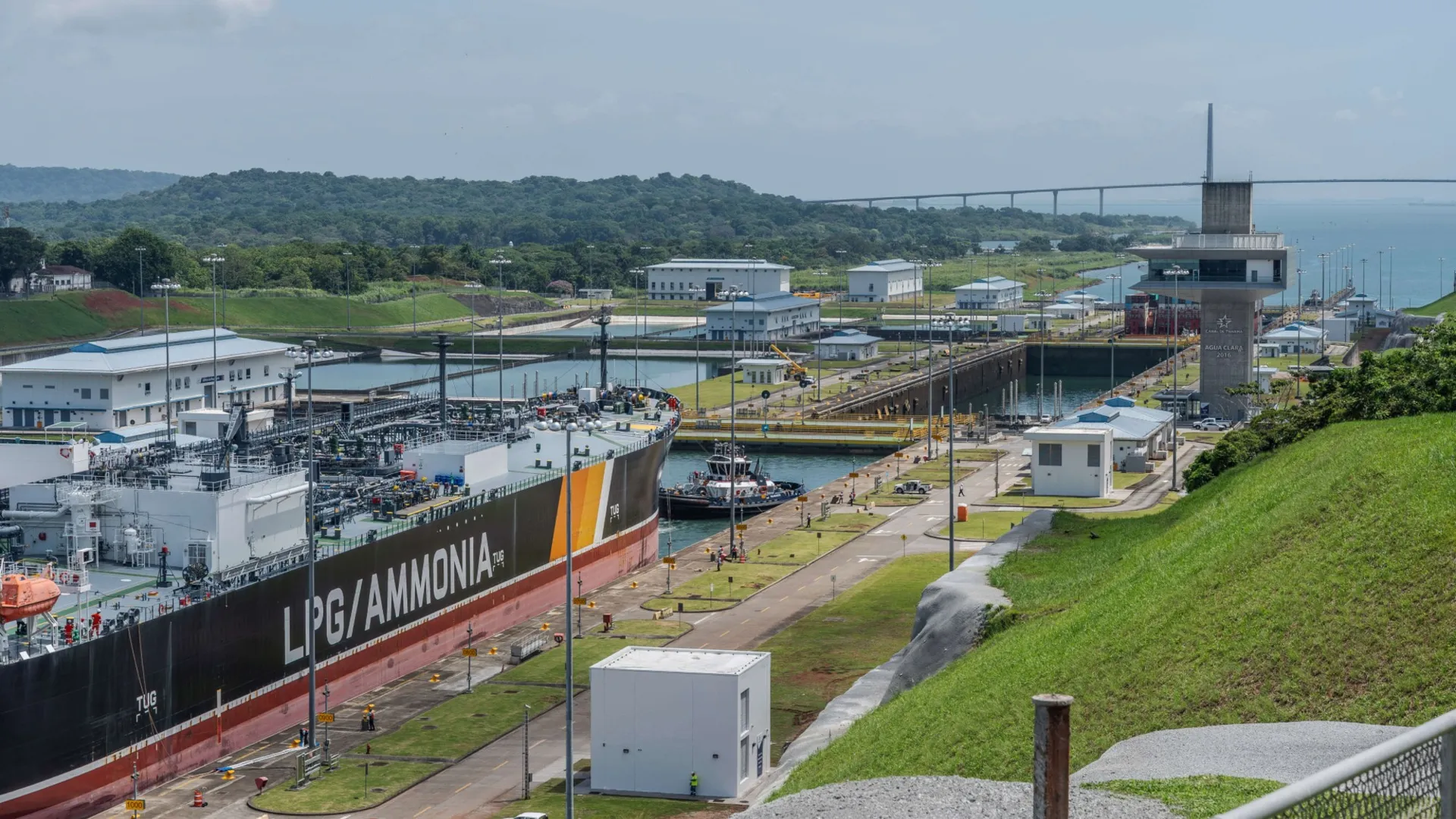
A significant drought in Panama caused by the El Niño weather pattern has forced the Central American country to slash the number of vessels it lets through its major canal. And the reduced flow of goods through one of the world’s most consequential shipping lanes could create a ripple effect that shakes the world’s economy.
What did the commentators say?
Starting on Sept. 15, the Panama Canal Authority will let 32 ships pass through the canal’s locks daily, a drop from the 36 it currently allows. While a decrease of just four ships per day may not sound significant, it represents a major change for a “critical chokepoint that moves about 5%of the world’s shipping,” said CNN. The United States is the “canal’s biggest user — about 70% of all the goods moving through it are coming to or going from the U.S.”
These reductions are necessary because the Panama Canal “relies on fresh water to operate its locks and has had less rain than normal” in recent years, said the Financial Times. The coming El Niño, when “surface temperatures in the Pacific Ocean rise, potentially causing severe drought and warmer winters, could be one of the most intense ever.” And for Panama, the “result is a wet season that’s already been drier than usual and is likely to get worse,” said CNN, possibly causing a massive shortage of freshwater in the canal.”
The Week
Escape your echo chamber. Get the facts behind the news, plus analysis from multiple perspectives.
Join more than 350,000 subscribers and keep yourself informed with a selection of The Week’s most interesting, enlightening and entertaining stories - plus daily puzzles.
Join more than 350,000 subscribers and keep yourself informed with a selection of The Week’s most interesting, enlightening and entertaining stories - plus daily puzzles.
This shift in the number of vessels could result in higher prices for consumers in the U.S. and globally, experts say. While some ships “may wait to transit to avoid the higher fees, those carrying more time-sensitive cargo are likely to take the plunge and pay the steep transit prices, driving up the price of those goods,” said CNN. One notable example: the pharmaceutical ingredients in Tylenol and certain prescription drugs, which “come, in large part, from China and are believed to transit through the Panama Canal to the U.S. East Coast,” said Prashant Yadav, a senior fellow at the Council on Foreign Relations, to CNN.
Others are not convinced the change will have much impact on prices, especially in the United States. There is only a “small chance that cargo owners, pressed by paying more for shipping and other costs, will pass on this increase to customers,” Simon Heaney, a senior manager at the Drewry shipping research and consultancy firm, told Newsweek — especially since global shipping has already “been upended for months by the U.S.’ war with Iran,” said the outlet.
What next?
The shipping reductions are just the Panama Canal’s latest in a line of “other water conservation measures, such as lowering the maximum draft — the vessel’s depth in the water — for the largest ships,” said The Guardian. But the canal itself could also turn into a hindrance for vessels, as officials said that with the “upcoming reduction, waiting times for ships trying to get through without making a reservation beforehand will increase.”
In the meantime, shipping companies have already been “preparing for possible disruptions in the 110-year-old canal,” said the Financial Times, with many taking drastic measures to get ahead of the cuts. For ships that don’t make reservations to pass through the canal, officials typically issue several extra slots through an auction; at least one large ship “paid a staggering $4 million to fast-track its trip,” said CNN, leaving “others, either unwilling or unable to shell out that kind of sum, in maritime limbo.”
Sign up to get Today’s Best Articles in your inbox
A free daily email with the day’s biggest news and analysis – and the best features from TheWeek.com
Justin Klawans has worked as a staff writer at The Week since 2022. He began his career covering local news before joining Newsweek as a breaking news reporter, where he wrote about politics, national and global affairs, business, crime, sports, film, television and other news. Justin has also freelanced for outlets including Collider and United Press International.