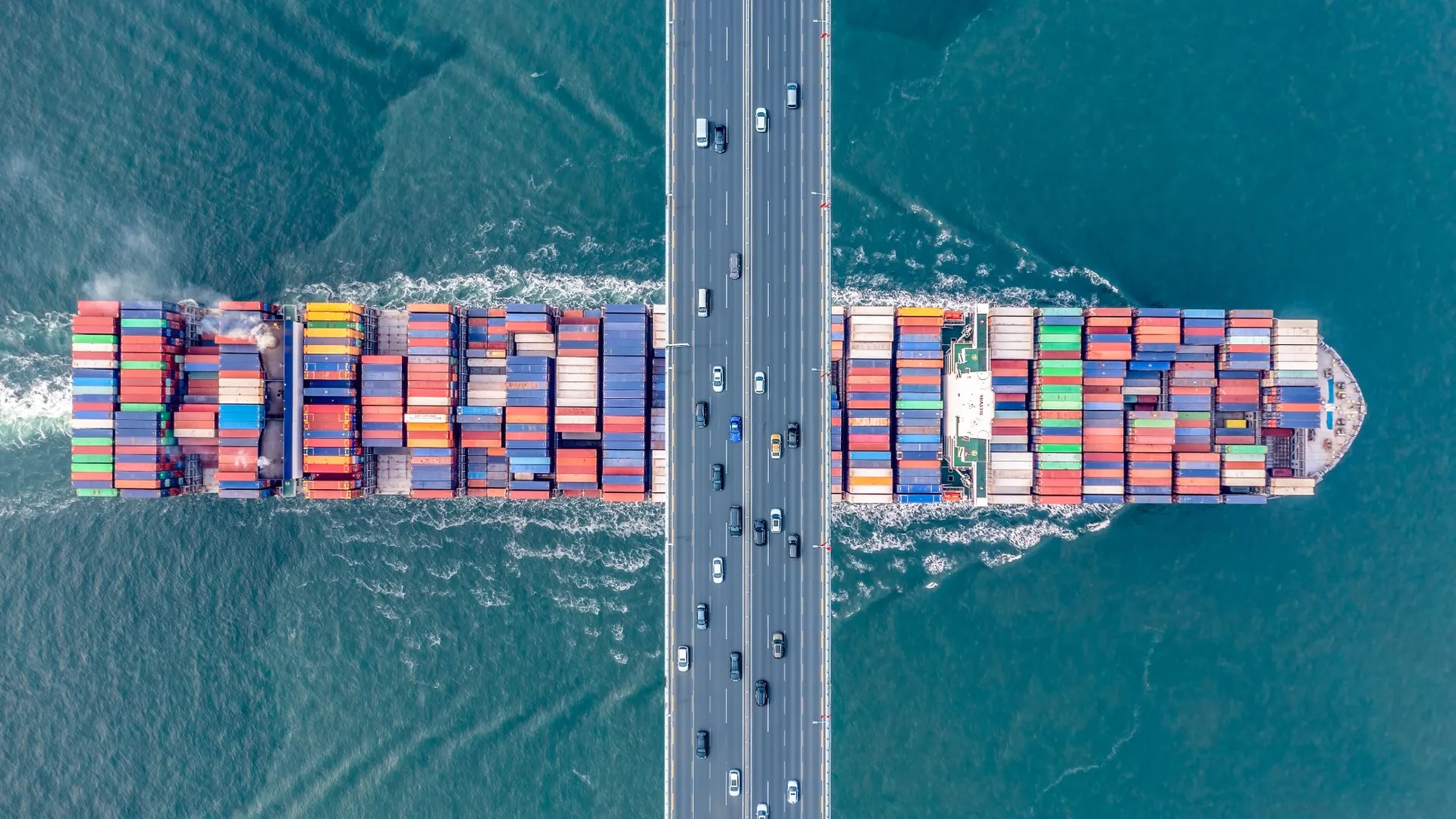
With oil markets in flux, suspending an early-20th century law might help stabilize energy prices. President Donald Trump certainly hopes so: Last week he signed a 60-day waiver from employing the Jones Act, a law that requires U.S.-flagged vessels be used to carry goods and passengers if they’re traveling between American ports. The law was created to protect the domestic shipping industry, but detractors say it hobbles trade and creates more problems than it solves.
Fewer ships, higher prices
The Jones Act was passed after World War I to “rebuild U.S. shipping after German U-boats decimated America’s merchant fleet” during the war, said The Associated Press. Advocates say the law protects national security and homegrown jobs, but those in opposition say sidelining foreign competition has “driven up the cost of carrying cargo domestically.” Presidents can waive the law during crises, and Trump is using that power for one reason: U.S.-flagged ships are “generally more expensive to operate,” and those added costs fall heavily on places like Alaska, Hawaii and Puerto Rico that rely on overseas shipping.
Trump’s pause will allow foreign tankers to transport oil and gas between ports in the United States. That should “lead to lower transportation costs and increased supply” and eventually lower gasoline prices by 10 cents per gallon, Christopher Niezrecki said at The Conversation. It could be “months, not days or weeks,” before drivers notice the benefits at the pump, however, and that is likely only if Trump extends the waiver’s duration. “Fuel prices would fall more steeply” if the law is fully repealed.
The Week
Escape your echo chamber. Get the facts behind the news, plus analysis from multiple perspectives.
SUBSCRIBE & SAVE
Sign up for The Week's Free Newsletters
Join more than 350,000 subscribers and keep yourself informed with a selection of The Week’s most interesting, enlightening and entertaining stories - plus daily puzzles.
Join more than 350,000 subscribers and keep yourself informed with a selection of The Week’s most interesting, enlightening and entertaining stories - plus daily puzzles.
Latest Videos FromThe Week US
American shipbuilding “has shrunk” despite the law’s best efforts, said Marketplace. The U.S. now has only 55 tankers legally qualified to carry oil and gas between domestic ports. Trump’s interruption of the Jones Act will “dramatically expand the universe of ships available” to do that work, said Cato Institute’s Colin Grabow to the outlet. Places like California, Florida and the Northeast will benefit most from the waiver, said Marketplace, “because those areas rely on ships instead of pipelines.”
Significant costs
The law does have defenders among American shipbuilders and vessel operators. There is “nothing more America First than the Jones Act,” Jennifer Carpenter, the CEO of the American Waterways Operators, said at DC Journal. Repealing it would allow foreign companies to “undercut American companies on labor costs” and hollow out the domestic industry, which raises national security concerns. Without the law, America’s “most sensitive cargo” would be transported between U.S. ports “by foreign mariners, including Chinese shipmen who ultimately answer to the Chinese Communist Party.”
Those against the law hope Trump’s waiver is “the beginning of the end of the Jones Act,” The Washington Post said in an editorial. A South Korean-built tanker costs $170 million less than one made in the United States, and “it costs millions more to operate every year thereafter.” The law has failed to save American shipbuilding but has imposed “significant costs.” Those are “much longer-running issues than anything having to do with the war in Iran.”