Sign up to get Today’s Best Articles in your inbox
Join 350,000+ subscribers and keep yourself informed with a selection of
The Week’s most interesting, enlightening and entertaining stories - plus daily puzzles.
You are now subscribed
Your newsletter sign-up was successful
Want to add more newsletters?
An account already exists for this email address, please log in.
Why the ‘skillcation’ is on the rise
From pottery and falconry to a new language, learning is becoming a key motivation for holiday planning
Rising flight and hotel costs, combined with “stubbornly finite” annual leave, means most holidaymakers can take “one or two big trips” in a year, said Sarah Rappaport on Bloomberg. So a “growing cohort” of time-poor travellers are treating their holidays as an “investment” in themselves. The desire to “come home with more than Instagram shots as souvenirs” has given rise to “purposeful travel”: the skillcation.
From ‘fly and flop’ to ‘skilliday’
According to recent research by Mastercard, nearly half of Europeans plan to learn a new skill on their summer holiday – and over half of 18- to 34-year-olds have already planned a skill-based trip this year.
More than half of the 27,000 holidaymakers from 28 European countries surveyed said skill-based trips felt more meaningful than traditional holidays, especially when curated by locals. One in three (37%) booked a trip this year specifically to learn a skill, with a new language topping the list. The “era of the ‘fly and flop’” is “giving way to the ‘skilliday’”.
The Week
Escape your echo chamber. Get the facts behind the news, plus analysis from multiple perspectives.
Join more than 350,000 subscribers and keep yourself informed with a selection of The Week’s most interesting, enlightening and entertaining stories - plus daily puzzles.
Join more than 350,000 subscribers and keep yourself informed with a selection of The Week’s most interesting, enlightening and entertaining stories - plus daily puzzles.
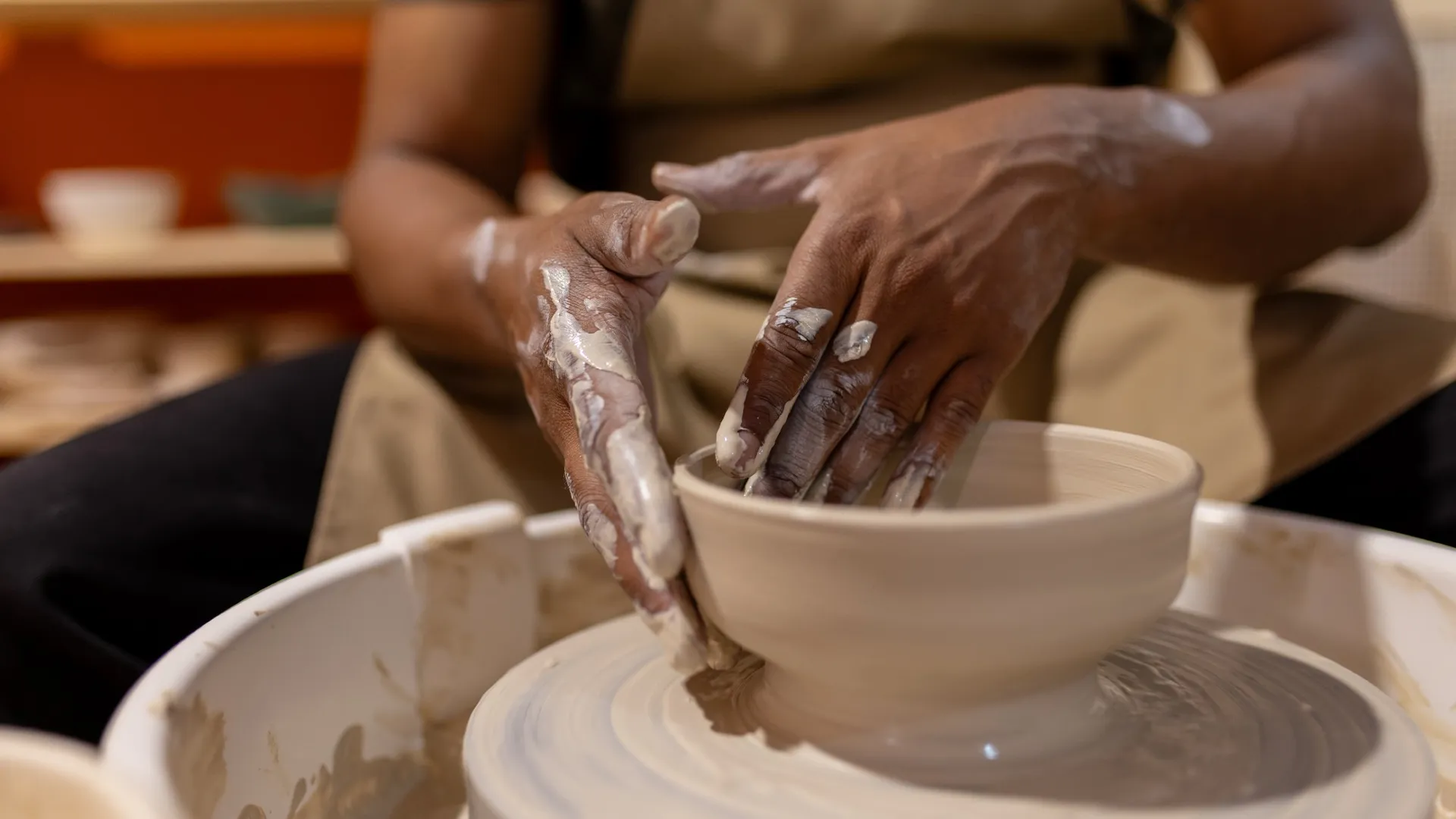
Tourists are looking for experiences that “create muscle memories”, said Mastercard economist Natalia Lechmanova. From “winemaking and woodworking” to pottery and painting, consumers are “opening their wallets” for a taste of local culture, and a “lesson that lasts long after they’ve arrived home”. Skill-based travel also “tends to draw people beyond the crowded hotspots”, into smaller towns and lower seasons, reducing the impact of overtourism.
These trips tend to cost more than conventional holidays, but the pay-off is high. People often see “longer-lasting positive effects on psychological well-being” than when taking holidays focused on “sun, sea and partying”, psychology professor Andrew Stevenson told Bloomberg. Spending time learning a new skill gives you the added “feeling of satisfaction and accomplishment”.
Over the years, “I’ve clumsily thrown myself into swing dancing lessons in Italy, free-diving sessions in French Polynesia, and Spanish intensives in Ecuador”, said Julia Eskins in Vogue. “I came home from each one feeling a little more capable than when I arrived.”
A trip like this has a “purpose”; said Alex Ledsom in Forbes; the traveller is looking for more than “just a break”. The goal is to fill time with “experiences that teach, reconnect and transform”. Those going on skillcations usually opt to learn something that’s unavailable to them at home, with tactile crafts like “Peruvian weaving or Japanese pottery-making” becoming increasingly popular activities. People are more interested in learning about “heritage, expertise, traditions and customs” than ever before.
Sign up to get Today’s Best Articles in your inbox
A free daily email with the day’s biggest news and analysis – and the best features from TheWeek.com
That has led to one of the “fastest-growing segments” in the tourism industry, said Lindsay Cohn in W Magazine. Hotels everywhere are “ramping up” their activity programs to offer the chance to develop “new experiential abilities”, and it’s not limited to crafts.
Diving is a popular option for travellers who wish to “explore azure reefs and haunting shipwrecks”. For instance, you can get your Padi certification during a stay at the Six Senses Laamu in the Maldives. As for those interested in a “culinary journey”, Grand Hotel Fasano beside Italy’s Lake Garda takes guests on a tour of a nearby village to get involved in “preparing traditional regional recipes, paired with Garda-style spritz aperitifs, homemade lemon verbena liqueur, and local wine”.
Deeya Sonalkar joined The Week as audience editor in 2025. She is in charge of The Week's social media platforms as well as providing audience insight and researching online trends.
Deeya started her career as a digital intern at Elle India in Mumbai, where she oversaw the title's social media and employed SEO tools to maximise its visibility, before moving to the UK to pursue a master's in marketing at Brunel University. She took up a role as social media assistant at MailOnline while doing her degree. After graduating, she jumped into the role of social media editor at London's The Standard, where she spent more than a year bringing news stories from the capital to audiences online. She is passionate about sociocultural issues and very enthusiastic about film and culinary arts.