
The Oscar-winning director Sam Mendes's first documentary "is a short, stark shock" that might well contain some of "the most disturbing images ever shown on British TV", said Jack Seale in The Guardian. It is a straightforward combination of two "precious artefacts" from the vaults of London's Imperial War Museum: film footage shot by Sergeants Mike Lewis and Bill Lawrie of the British Army Film and Photographic Unit, documenting the liberation of Bergen-Belsen concentration camp in 1945; and audio interviews from the 1980s, in which the two cameramen recall the sights they encountered.
It's clear that they had no idea what to expect when they were sent to film a camp for "political prisoners": Lewis, himself Jewish, remembers thinking the assignment would be "dull". But what they witnessed there would "change them and stay with them for ever".
The Week
Escape your echo chamber. Get the facts behind the news, plus analysis from multiple perspectives.

Sign up for The Week's Free Newsletters
Join more than 350,000 subscribers and keep yourself informed with a selection of The Week’s most interesting, enlightening and entertaining stories - plus daily puzzles.
Join more than 350,000 subscribers and keep yourself informed with a selection of The Week’s most interesting, enlightening and entertaining stories - plus daily puzzles.
-
-
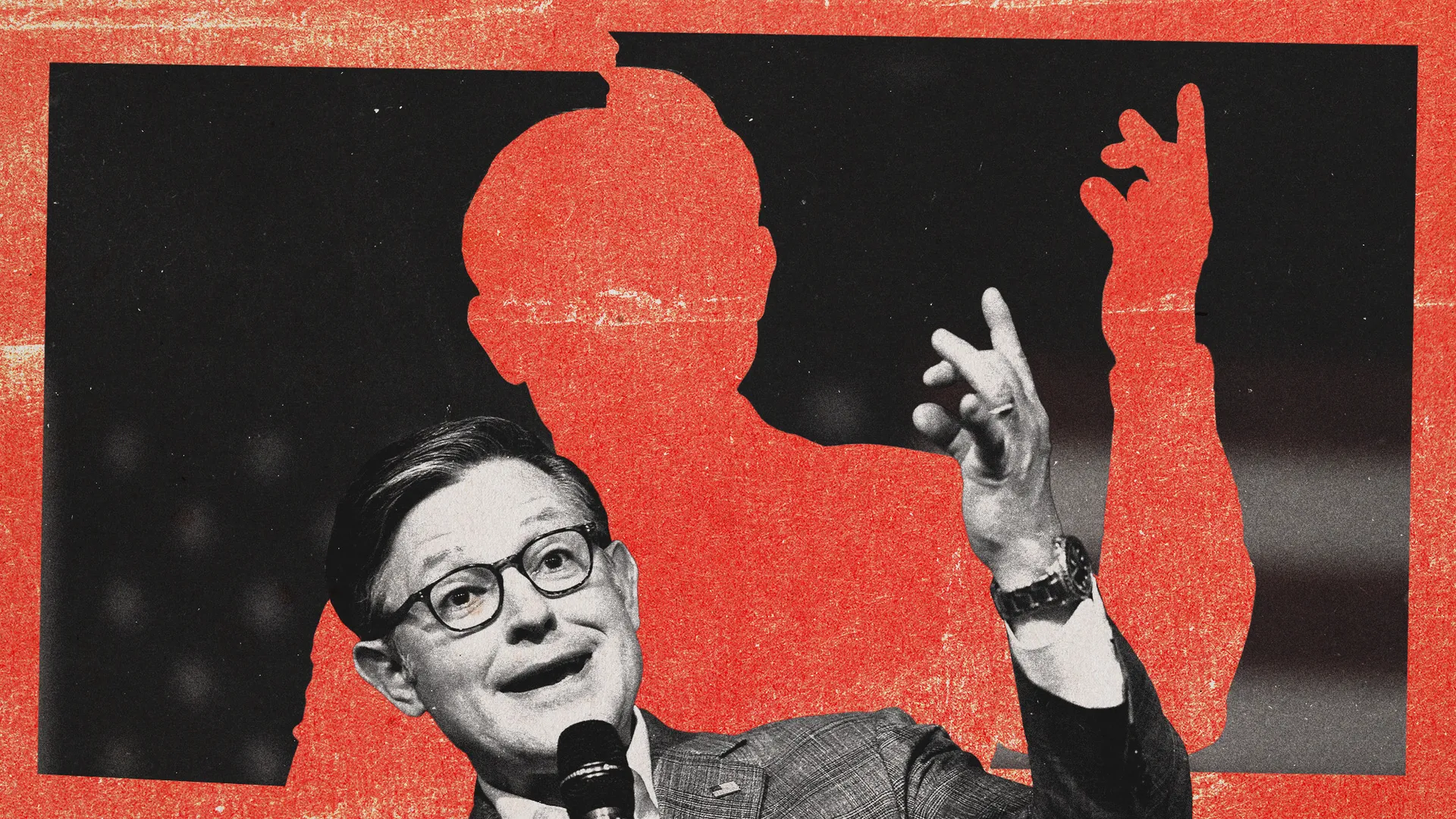 talking pointsA leadership power vacuum may await Republicans
 -
 QUOTE OF THE DAY‘What kind of culture looks at sexual violence and sees an opportunity for profit? This is rape culture. And it should disturb every single one of us.’
 -
 today’s big questionHow long can US consumers continue their spending spree?
-
-
-
talking pointsA leadership power vacuum may await Republicans
-
QUOTE OF THE DAY‘What kind of culture looks at sexual violence and sees an opportunity for profit? This is rape culture. And it should disturb every single one of us.’
-
today’s big questionHow long can US consumers continue their spending spree?
-