Sign up to get Today’s Best Articles in your inbox
Join 350,000+ subscribers and keep yourself informed with a selection of
The Week’s most interesting, enlightening and entertaining stories - plus daily puzzles.
You are now subscribed
Your newsletter sign-up was successful
Want to add more newsletters?
An account already exists for this email address, please log in.
World Economic Forum: 'Elites' descend on Davos
Heads of state, business leaders and journalists meet in Swiss Alps after a year of populist revolts
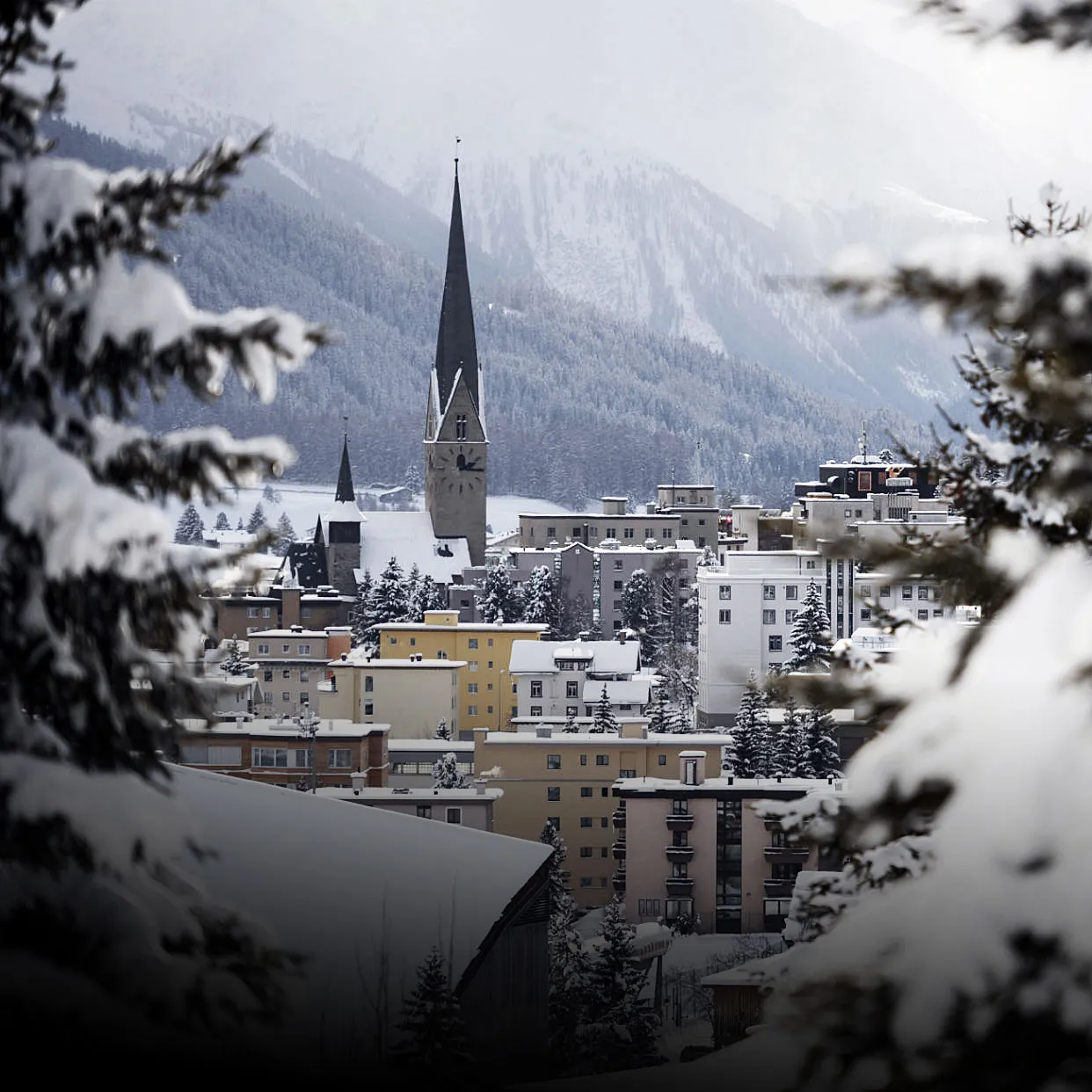
Heads of state, business leaders, academics, philanthropists, celebrities and journalists will descend on Davos in the Swiss Alps this week for the annual World Economic Forum - "the world's most expensive networking event," according to the New York Times.
They arrive as the political and economic consensus behind globalisation and the ascendancy of liberal democracy faces its biggest threat in decades.
"It's all too easy to take a swipe at Davos," says Joe Miller for the BBC. The event has inspired the "caricature of Davos Man, a rich, rootless globetrotter who worships with fellow disciples in the church of free trade", says the Daily Mail.
The Week
Escape your echo chamber. Get the facts behind the news, plus analysis from multiple perspectives.
Join more than 350,000 subscribers and keep yourself informed with a selection of The Week’s most interesting, enlightening and entertaining stories - plus daily puzzles.
Join more than 350,000 subscribers and keep yourself informed with a selection of The Week’s most interesting, enlightening and entertaining stories - plus daily puzzles.
Still, the World Economic Forum "has always been able to point to its role in oiling the wheels of a socially progressive, pro-globalisation alliance - safe in the knowledge that, to a greater or lesser extent, it was in harmony with the tide of history", says the BBC.
Not any more: a wave of revolts has taken the UK out of the EU, installed Donald Trump in the White House and shook the global elite.
The 3,000 delegates meeting this week find themselves "increasingly out of step with many voters and populist leaders around the world who distrust elites", says Reuters.
According to this year's Edelman Trust Barometer, released last week, the majority of people now believe the economic and political system is failing them.
Sign up to get Today’s Best Articles in your inbox
A free daily email with the day’s biggest news and analysis – and the best features from TheWeek.com
Governments and the media are now trusted by only 41 and 43 per cent of people respectively, with confidence in news outlets down particularly sharply after a year in which "post-truth" became the Oxford Dictionaries Word of the Year.
"There's a sense that the system is broken," says PR agency chief Richard Edelman.
And as Trump spars with the Chinese government on Twitter, there are signs that the centre of power is shifting eastwards.
"It is noteworthy that Xi Jinping will become the first Chinese president to attend the forum when he gives a keynote speech on Tuesday that is expected to extol Beijing's efforts to negotiate new types of regional trade deals shorn of US influence," says the Daily Mail.
This "may be the start of China's new role as a leader in promoting globalisation and a speedy recovery of the global economy", says China's official Xinhua news service, as western countries turn to "isolationist self-centredness".
The irony, says Noah Barkin for Reuters, is that despite the popular mood, the "global economy is in better shape than it's been in years".