Donald Trump plans to turn the UK into a “potential nuclear launchpad”, said the Daily Mail, amid speculation that American nuclear missiles are to be housed on British soil for the first time since 2008.
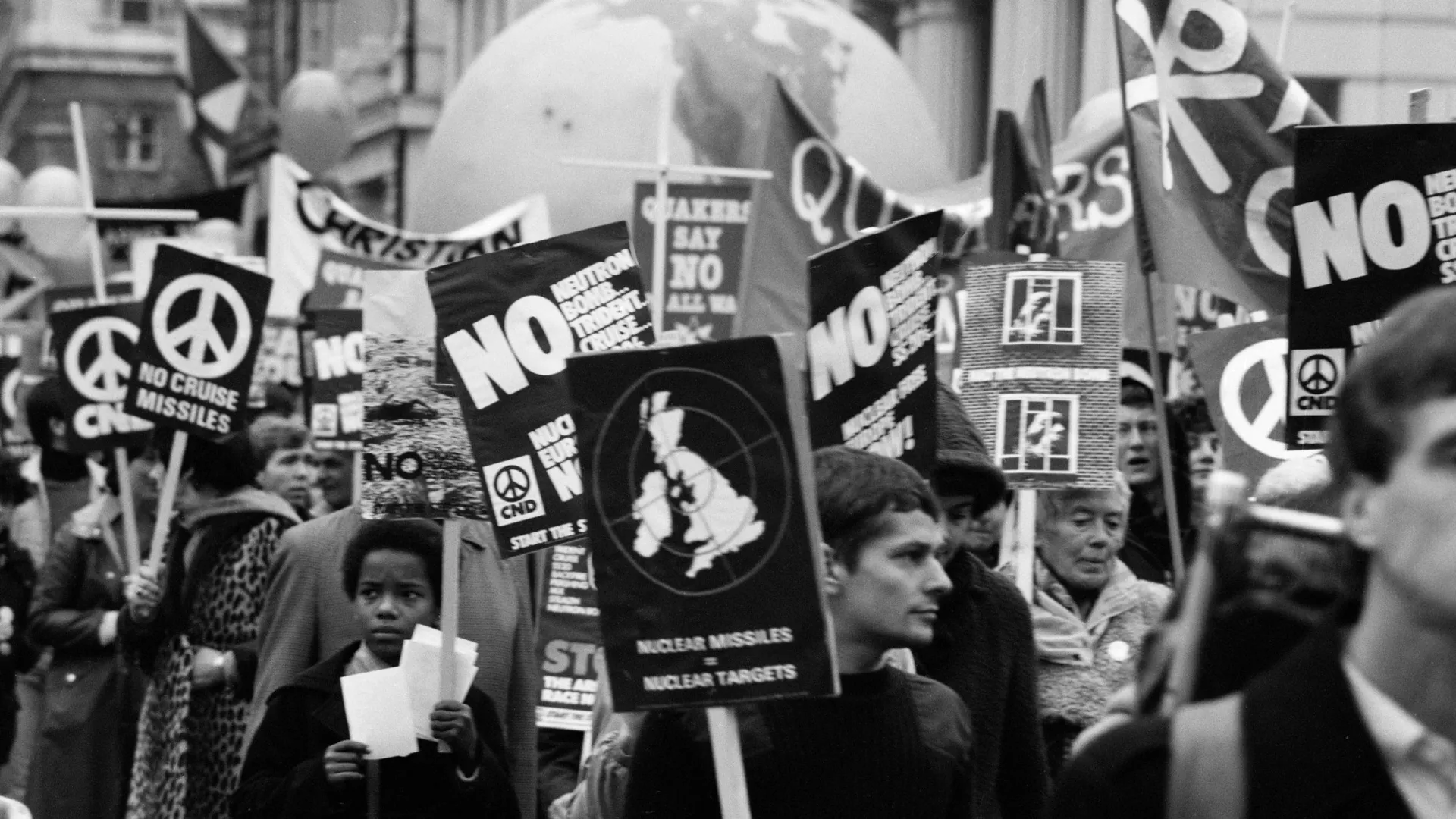
The presence of US nukes on these shores could prove controversial, as was the case in the past.
When did they arrive?
The history of US nuclear weapons in the UK began in September 1954, when the first arrived at RAF Lakenheath in Suffolk, as part of Nato’s strategy against the Soviet Union. Two years later, a B-47 bomber on a routine training mission crashed into a storage unit there that contained nuclear weapons, killing four servicemen. Official US documents declared it a “miracle” that none of the bombs had detonated, and said it was “possible that a part of Eastern England would have become a desert”.
In 1980, RAF Molesworth in Cambridgeshire was chosen to host more US nuclear missiles. But seven years later, the US and USSR signed a treaty to eliminate intermediate-range nuclear arms, which included those at Molesworth, so the project was an “expensive waste of time”, said Cambridgeshire Live.
US cruise missiles arrived at RAF Greenham Common in Berkshire in November 1983, with 96 nuclear warheads based here. The site became synonymous with the Women’s Peace Camp – protesters who first arrived in 1981, with the last leaving in 2000, when it was decommissioned.
The US began removing its nuclear weapons from Britain from around 2007, ending a “contentious presence spanning more than half a century”, said The Guardian. The last 110 American nuclear weapons on UK soil were withdrawn from RAF Lakenheath by June 2008, on the orders of George W. Bush as part of a post-Cold War strategic shift.
Are they coming back?
Speculation has grown over the past two years that the US plans to deploy nuclear weapons in the UK again. Reports in July suggesting that some nukes had already arrived were neither confirmed nor denied.
But according to documents seen by the Mail, Pentagon funding proposals include a $264 million upgrade of RAF Lakenheath, with plans to knock down at least half a dozen buildings, set up secure intelligence facilities, protect the surrounding area against enemy electronic pulse attacks, and send in more than 200 American personnel.
|