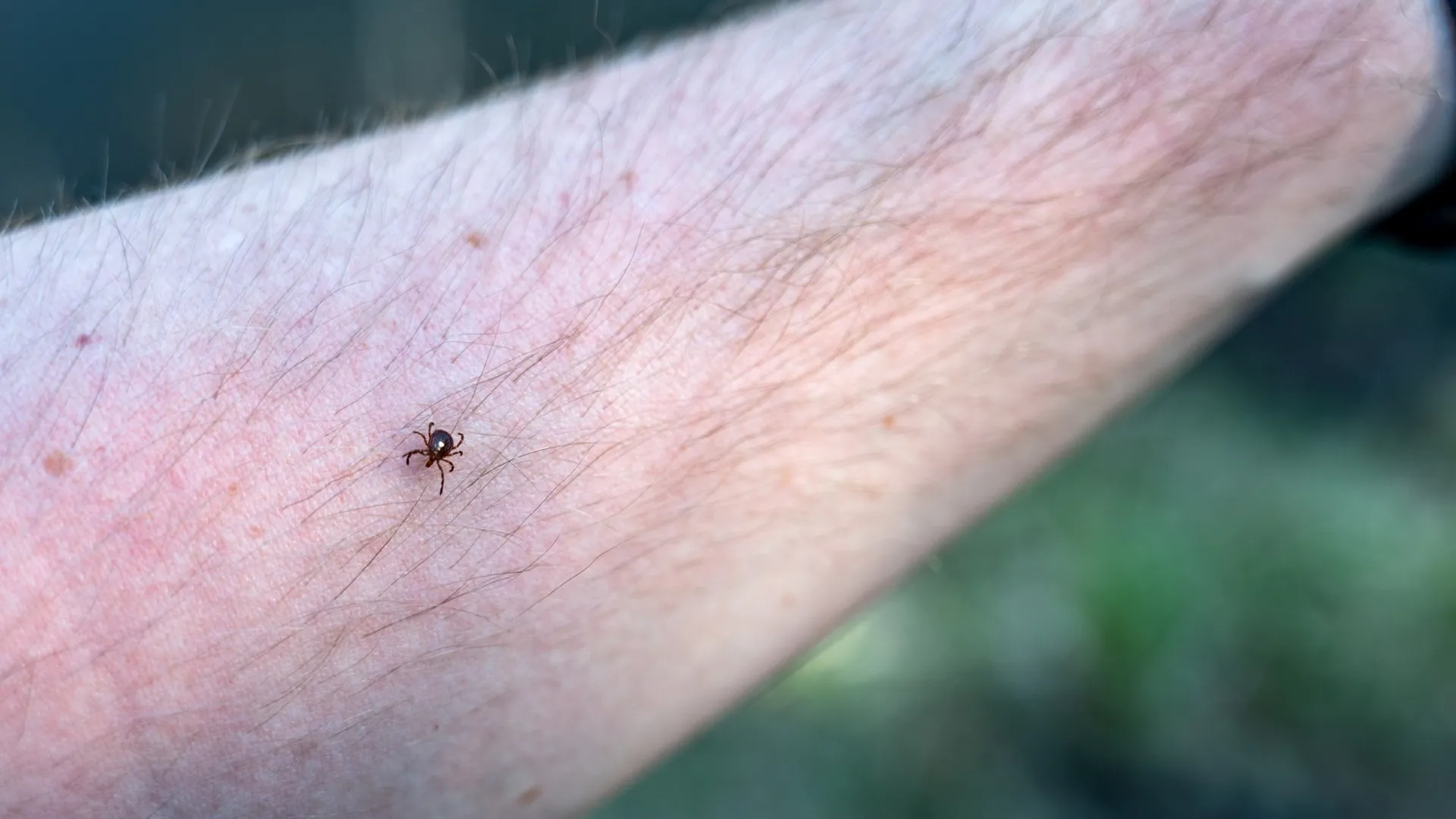
There has been an increase in the spread of alpha-gal syndrome (AGS), a tick-borne disease that can cause a serious allergy to red meat. As many as 450,000 people may be affected in the U.S., according to the Centers for Disease Control and Prevention. And with a particularly strong tick season on the horizon, the illness is likely to become more common.
What are the symptoms of AGS?
Alpha-gal is a molecule “naturally produced in the bodies of most mammals but not in people” and also “found in the saliva (spit) of some ticks,” said the CDC. When someone gets bitten by a tick, the alpha-gal molecule can be transferred to their blood. Then the body’s immune system identifies it as a threat and triggers an allergic reaction when the person eats red meat or is “exposed to other products made from mammals.”
Unlike most allergies, which tend to produce reactions almost immediately, those with alpha-gal “may not experience a reaction to a hamburger for four or six hours,” said The New York Times. Symptoms can manifest differently for everyone, including “hives, angioedema, gastrointestinal distress and life-threatening anaphylaxis,” said an article published in the Journal of Medical Entomology.
There’s no cure for AGS, and the most common treatment is avoiding “not only red meat and dairy but also vaccines, antivenoms and medications made with components derived from mammals,” said Entomology Today. AGS can be diagnosed through a blood test, but experts advise getting tested only once someone experiences a reaction and not just after being bitten by a tick, as “50% of people who have a positive test have no reactions whatsoever,” said Thomas Platts-Mills, an allergist at the University of Virginia School of Medicine, to the Times.
How common is it?
It will likely be a bad year for ticks, with an “unusually high number of bites already reported across the country,” said The Associated Press. In the U.S., AGS is “primarily associated with the bite of a lone star tick,” said the CDC. There have been at least 12 tick species linked to alpha-gal syndrome globally, and the disease has been found on six continents. |